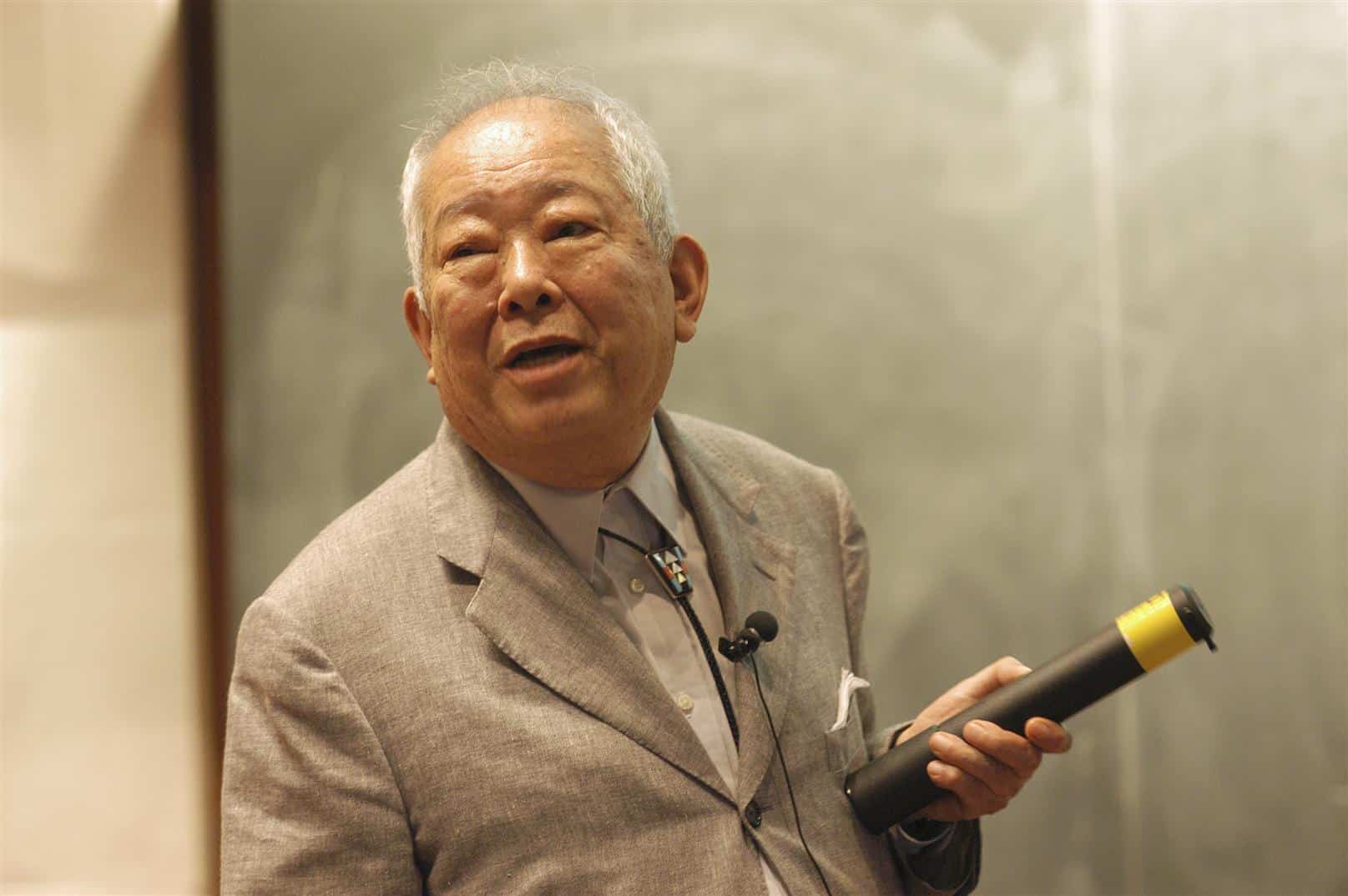
Masatoshi Koshiba
Awards & Honours
8
Awards Won
4
Honours
2
Rankings
2
Covers
2
Records
Masatoshi Koshiba stands as a titan of modern physics, having revolutionized our understanding of the cosmos through the lens of neutrino astronomy. His receipt of the 2002 Nobel Prize in Physics cemented his place alongside the greatest minds in history. He was the first Japanese recipient of the Nobel Prize in Physics since Hideki Yukawa in 1949, a distinction that brought immense pride to his nation. His collection of honors includes the Wolf Prize, the Fermi Award, and the Order of Culture, reflecting both national and international acclaim. Koshiba's work on the Kamiokande and Super-Kamiokande detectors created entirely new methodologies for observing the universe, influencing countless subsequent experiments. His legacy is defined not just by the awards he collected, but by the fundamental shift in perspective he brought to astrophysics, proving that the invisible could be seen.
Awards
Honours & Distinctions
Member of the National Academy of Sciences
Inducted for outstanding contributions to physics
Foreign Member of the Royal Society
Recognized for exceptional scientific achievements
Honorary Doctorate
Awarded for contributions to science
Key to the City of Toyohashi
Honoring his service to the nation
Rankings & Lists
TIME 100
Top Physicists of the 20th Century
Magazine Covers
Science
2021-01-01
In Memory of Masatoshi Koshiba
Physics World
2020-12-01
Remembering the Father of Neutrino Astronomy
Records & Feats
First Detection of Supernova Neutrinos
Kamiokande detected 11 neutrinos from Supernova 1987A, the first time neutrinos were used to observe a celestial event outside our solar system.
Largest Water Cherenkov Detector
Super-Kamiokande became the largest water Cherenkov detector in the world upon its completion in 1996.