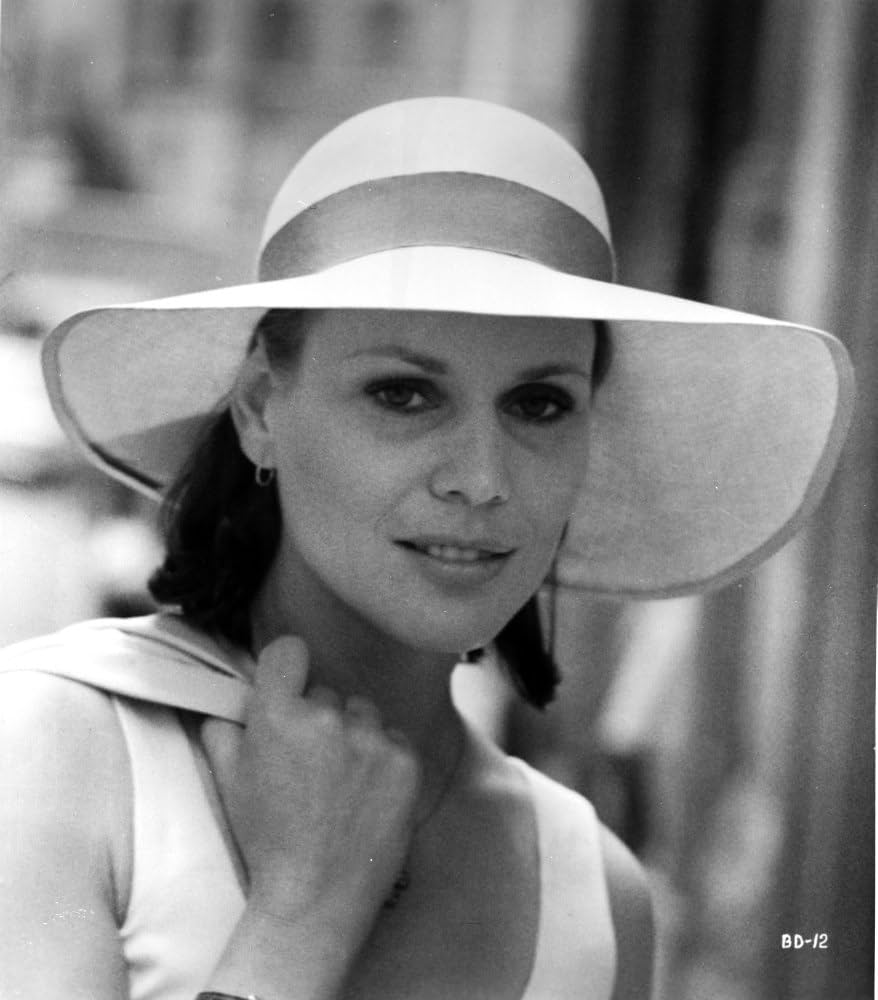
Marthe Keller
 Switzerland
Birthday
January 28, 1945
Birth Sign
Aquarius
Birthplace
Basel, Switzerland
Age
81 years old
About
Marthe Keller is a Swiss actress, stage performer, and opera director whose career has crossed European and American cinema for more than five decades. She first reached international audiences as Ellie Fabian in the 1976 thriller Marathon Man, a role that earned her a Golden Globe nomination and turned her into a sought-after leading lady. She has worked with directors like François Truffaut, Sydney Pollack, and Barbet Schroeder, and has moved easily between French, German, Italian, and English-language productions.
Today Keller is as known for her work behind the scenes as in front of the camera. She has directed operas, served on juries at the Cannes Film Festival, and in 2024 received France's Legion of Honour. She lives simply in Paris, a city she has called home for three decades, and remains a quiet, respected figure in the arts.
Early Life & Background
Keller grew up in Basel, Switzerland, where her first love was ballet. She trained seriously as a child, dreaming of a career as a dancer. That path ended abruptly at age 16 when a skiing accident left her unable to continue dancing. The injury forced a reinvention, and she turned to acting.
She started her professional life on stage in Berlin, learning her craft in German theater before expanding into French and Italian productions. Those early years in Berlin gave her the discipline and range that would later define her screen work. She speaks four languages fluently, a skill that opened doors across Europe and eventually Hollywood.
Her first film roles came in the late 1960s, including a small part in the ensemble comedy Le Diable par la queue (1969), which starred Yves Montand and Madeleine Renaud. She followed with Toute une vie (1974), gradually building a reputation as a versatile and compelling presence.
Career Growth
Keller's breakthrough arrived in 1976 with Marathon Man, where she played Ellie Fabian opposite Dustin Hoffman. The thriller was a global hit, and her performance earned a Golden Globe nomination. The next year she starred in Bobby Deerfield with Al Pacino, directed by Sydney Pollack, and appeared in the action thriller Black Sunday.
She continued to work across Europe, taking the role of Catherine in The Formula (1980) and starring in François Truffaut's La femme d'à côté (1981), a film that remains a touchstone of French cinema. In the decades since, she has balanced film work with a serious career in opera direction. She served as president of the Camera d'Or jury at Cannes and was part of the Un Certain Regard jury in 2016. In 2017 she starred in Barbet Schroeder's Amnesia, a drama about memory and guilt in postwar Germany.
Her most recent public honor came in 2024, when France announced she would receive the Legion of Honour, recognizing her contribution to the arts.
Career Timeline
Public Image & Style
Keller has always projected an image of European elegance: multilingual, poised, and equally at home in art-house cinema and grand opera houses. In the 1970s she was a fixture of celebrity culture, photographed at Studio 54 and on the covers of magazines. Today her public persona is more reserved, defined by her work as an opera director and her quiet life in Paris. Fans appreciate her as a classic example of an artist who crossed borders, both geographic and artistic, without losing her sense of mystery.
Fame & Fandom (iFAMOUS Rankings)
Marthe Keller stands as a defining figure of 1970s international cinema, yet the iFANN Global Fame Engine has evaluated her profile and determined she currently holds no placement within the published rankings, including the Global Top 1,000 or any scope-specific top lists. This absence of a numeric rank reflects her status as a revered artist rather than a mass-market pop icon with mobilized voting blocs. While she commands immense respect across European and American film circles, her audience remains decentralized, lacking a formal collective name. The fan presence is visible in niche spaces such as the Instagram account @kellerkonnection, which serves as a dedicated hub for sharing rare photos from roles like Bobby Deerfield and offering birthday tributes, but this appears to be the work of individual enthusiasts rather than a structured movement. There are no records of large-scale fan campaigns, chart manipulation efforts, or charity drives funded by followers, nor are there documented rituals or inside jokes that define a specific community. Her cultural mythology is built on timeless elegance and professional milestones, such as her Oscar-nominated performance in Marathon Man and her legendary appearances at Studio 54, rather than viral folklore or crowd-disrupting incidents. Unlike modern stars with viral followings, Keller maintains a profile consistent with a respected international artist whose legacy rests on her versatility, her transition from ballet dancer to opera director, and her enduring career spanning over five decades.
Interesting Facts and Legends
Keller's early training in dance provided a physical grace that directors frequently highlighted in her performances. She is fluent in four languages: French, German, Italian, and English. Despite her fame, she lived modestly in Paris for thirty years without owning a fancy car, preferring a simple lifestyle. At the height of her celebrity in the 1970s, she was captured at New York's Studio 54, an image that became a symbol of the era's glamour. A rare public glimpse into her private life occurred in 1975 when her son Alexandre was photographed alongside her at just four years old. Beyond these personal details, her career lore includes her breakthrough role in Marathon Man, which cemented her reputation as an exotic leading lady and earned her significant acclaim. Another pivotal moment in her cultural mythology is her association with the nightlife scene of the late 1970s, where her presence at iconic venues solidified her image as a glamorous figure. Her legacy was further reinforced in October 2024 when she received France's Legion of Honor, recognizing her contributions to the arts. Her journey from a childhood ballet dancer who stopped after a skiing accident at age 16 to a star in multiple languages and later an opera director adds to her enduring story as a serious artist who bridged European art-house cinema and American productions.
Notable Quotes
“I was so young, I literally didn't know what I was doing there.”
“I almost refused certain performances even in France, because I wanted to do things that mattered to me.”
Family & Personal Life
Keller has one son, Alexandre de Broca, born around 1971. Alexandre's father is French director Philippe de Broca, with whom Keller had a relationship in the late 1960s and early 1970s. She has kept her family life largely out of the public eye, and little is known about her parents or siblings. She has lived in Paris for the past thirty years, a city she considers home.
Notable Connections
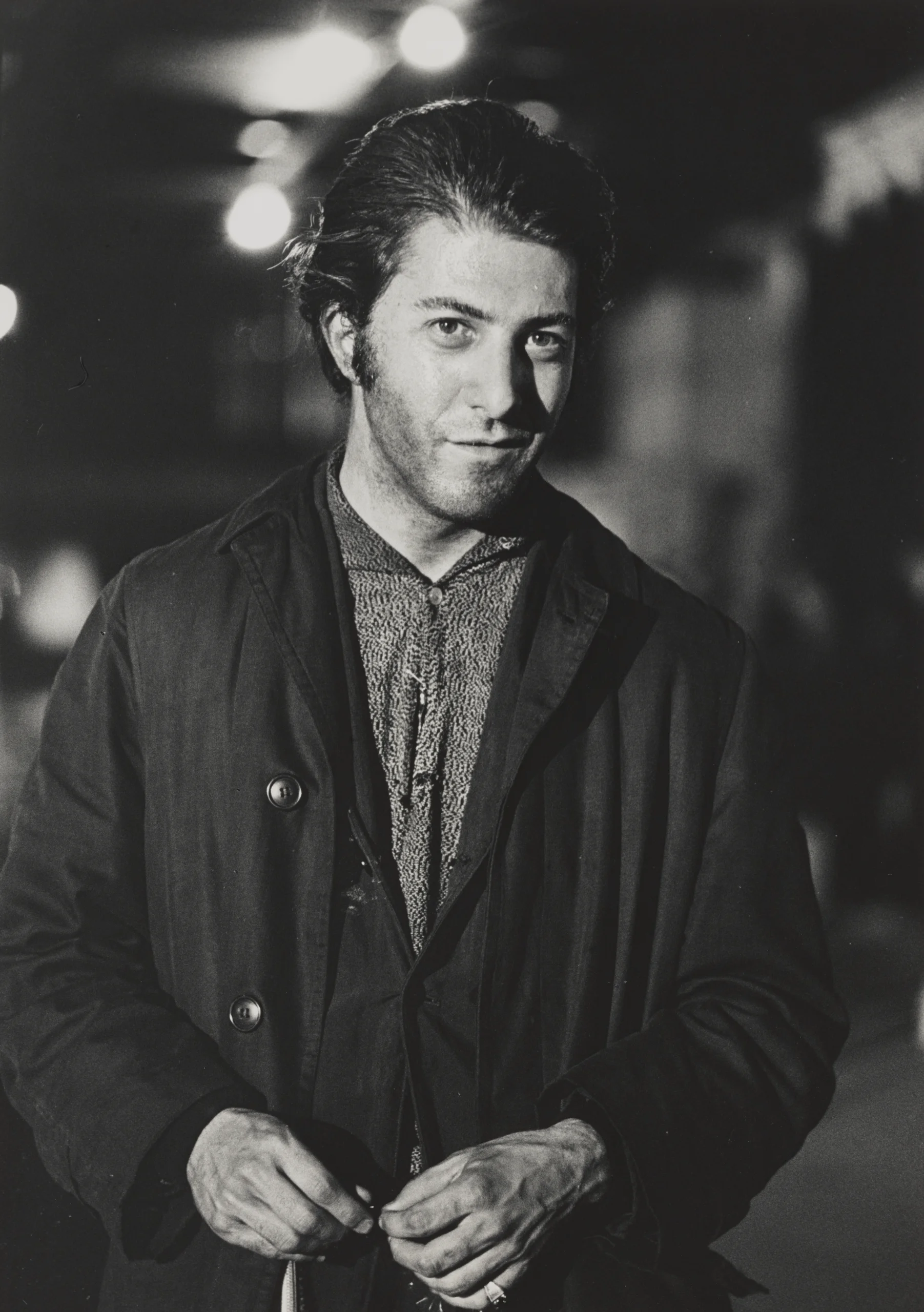
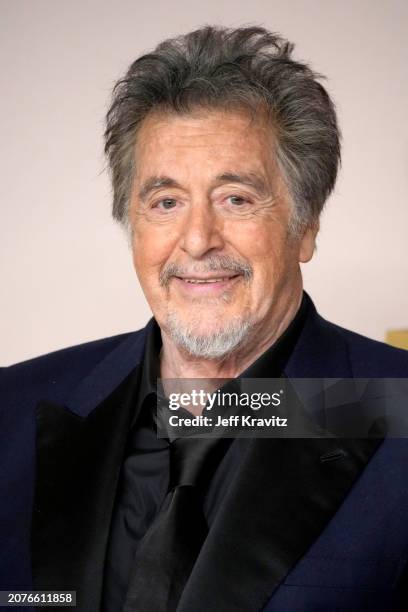
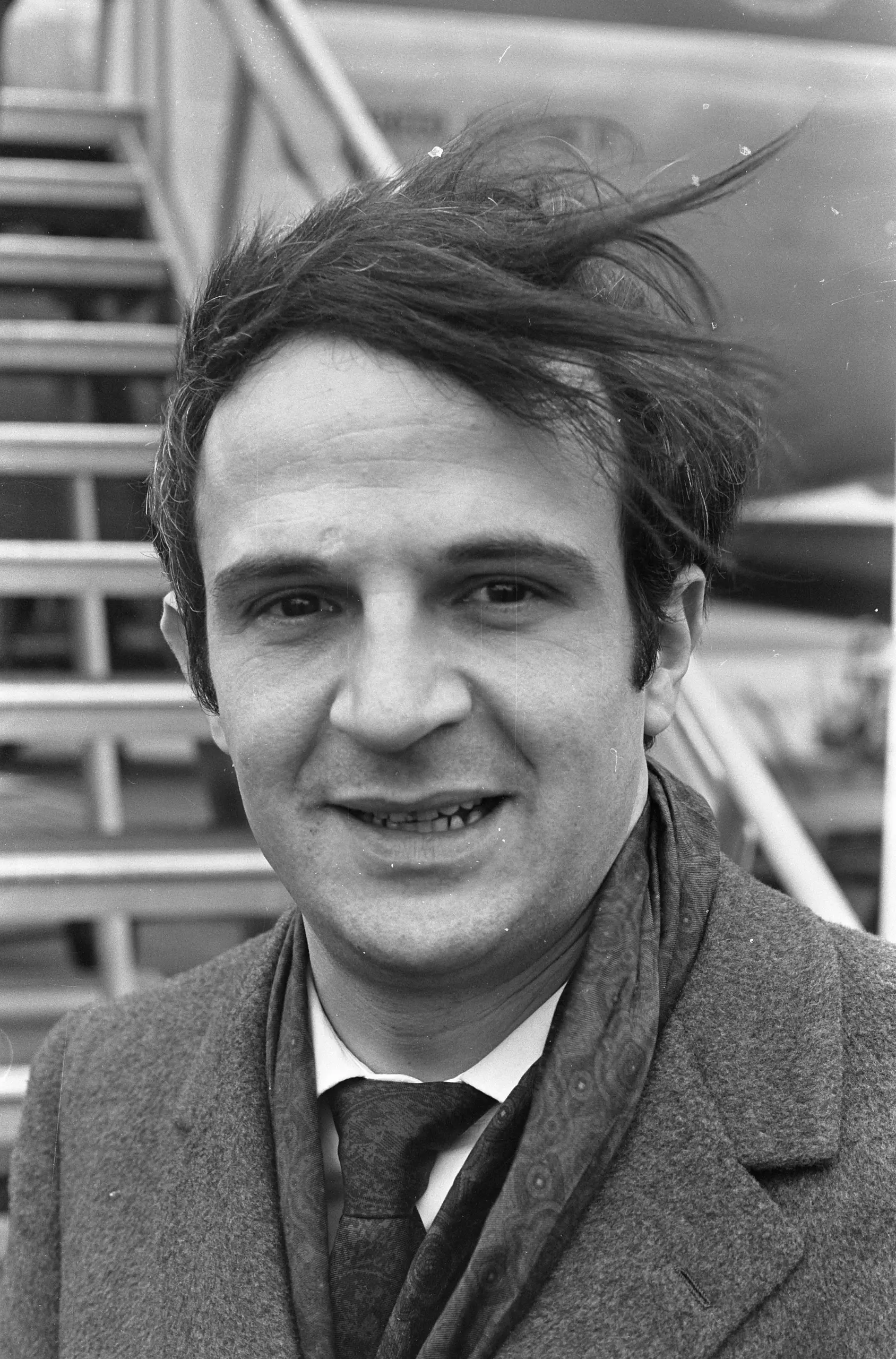
Keller's key collaborators include Dustin Hoffman (Marathon Man, 1976), Al Pacino (Bobby Deerfield, 1977), François Truffaut (La femme d'à côté, 1981), Sydney Pollack (Bobby Deerfield, 1977), Barbet Schroeder (Amnesia, 2017), and Yves Montand (Le Diable par la queue, 1969). Her personal connection to director Philippe de Broca, father of her son, also shaped her early years.
Relationships & Dating History
Keller's most significant relationship was with French director Philippe de Broca. They were together in the late 1960s and early 1970s, and their son Alexandre was born around 1971. The relationship ended, though the exact timeline is not publicly documented.
While filming Bobby Deerfield in 1977, she was romantically linked to Al Pacino, but no credible source confirms a sustained relationship. Keller has kept her personal life private in recent decades and has not publicly confirmed any long-term partner since. As of 2026, she appears to be single and lives in Paris.
- DatedPhilippe de Broca1968 - 1973French director; father of her son Alexandre.
- RumouredAl Pacino1977 - 1977Linked while filming Bobby Deerfield; not confirmed.
Salary, Net Worth In 2026
$10 Million
iFANN Editorial Team estimate
iFANN currently estimates Marthe Keller's net worth at $10 million as of 2026. Her earnings stem from a long and diverse career in film, television, and theater, complemented by her recent work as an opera director. Unlike many Hollywood stars, she never pursued blockbuster franchises, instead choosing art-house projects and European productions that aligned with her artistic sensibilities. She has lived modestly in Paris for three decades, avoiding flashy cars or extravagant spending, which has allowed her to maintain a stable financial position over the years. While exact salary figures for her early films remain private, her roles in major productions like Marathon Man and Bobby Deerfield would have commanded respectable fees during the 1970s. Her continued involvement in opera direction and festival jury roles has provided steady income throughout her later career. The Legion of Honour carries no monetary value, but it adds significantly to her prestige and professional standing.
Awards Won (1)
Keller received a Golden Globe nomination for her role in Marathon Man (1976). In 2024, she was named a chevalier of France's Legion of Honour, one of the country's highest civilian distinctions. She has also served as president of the Camera d'Or jury at Cannes, a sign of respect from her peers.
2024 · Civilian Honour
Lifetime achievement
Known For
Marathon Man
1976 · Ellie Fabian
Bobby Deerfield
1977 · Lillian
Black Sunday
1977 · Dahlia
La femme d'à côté
1981 · Mathilde Bauchard
Amnesia
2017 · Martha
Keywords
Sources
Quick Facts
- Profession
- Actor, Stage Actor, Singer
- Born
- January 28, 1945
- Birthplace
- Basel, Switzerland
- Gender
- Female
- Birth Sign
- Aquarius
- Children
- 1 son
- Net Worth
- $10 Million
Personal Details
- Children
- 1 son (Alexandre de Broca)
Filmography
40
Total
30
Film
10
TV
Frequently Asked Questions
Is Marthe Keller still alive?
What is Marthe Keller best known for?
Does Marthe Keller have children?
What happened to Marthe Keller's ballet career?
What is Marthe Keller doing now?
Social Media
Join the community
fans discussing