
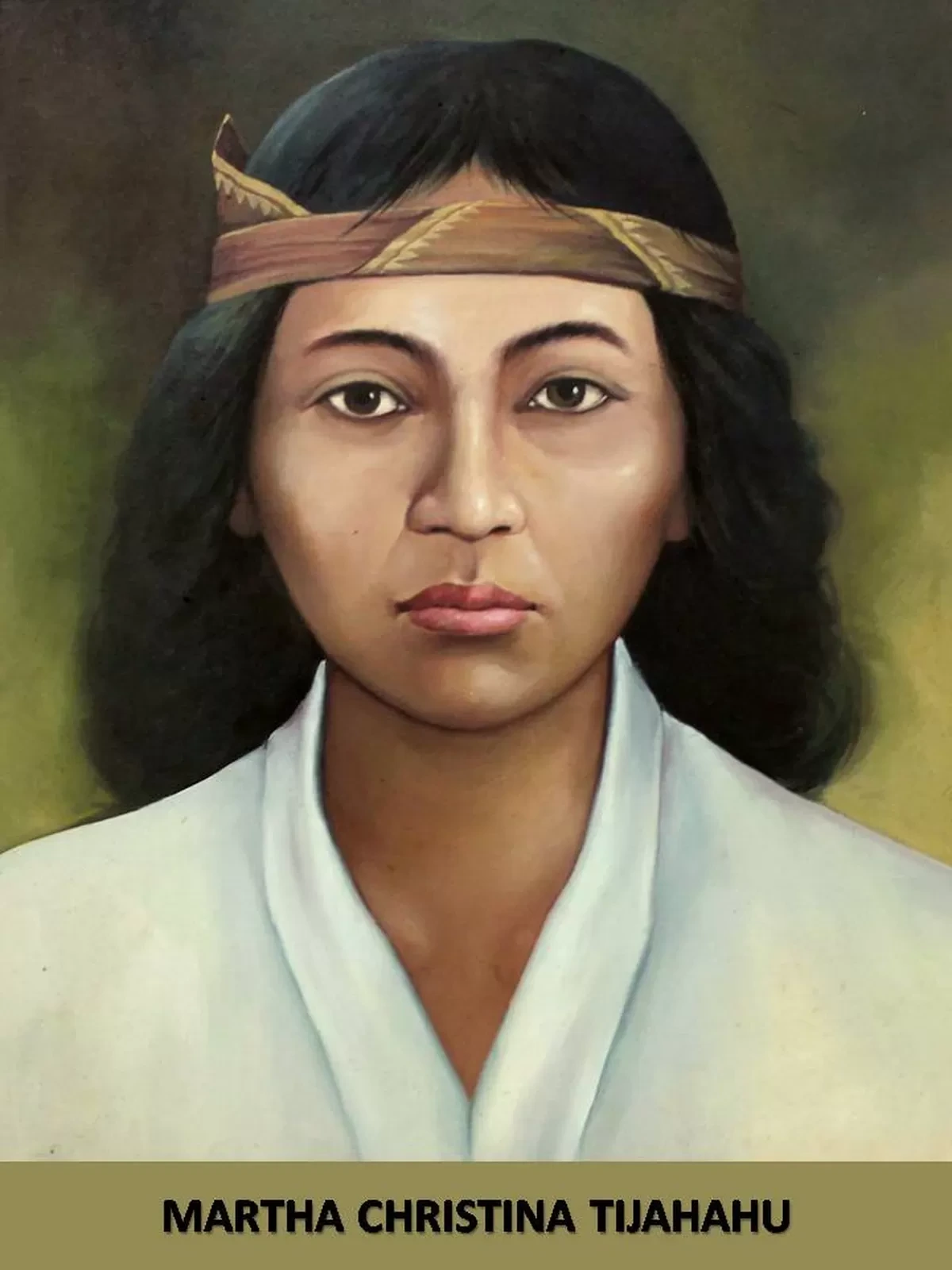
Martha Christina Tiahahu
 Indonesia
Birthday
January 4, 1800
Birth Sign
Capricorn
Birthplace
Lautsa Island
Age
Died at 17
About
Martha Christina Tiahahu stands as a monumental figure in Indonesian history, revered as a National Heroine who symbolized the fierce resistance against Dutch colonial rule. Born on January 4, 1800, on Lautsa Island within the Nusalaut archipelago of present-day Central Maluku, she emerged from a family deeply entrenched in military leadership. Her father, Captain Paulus Tiahahu, was a prominent local commander, placing Martha at the heart of political tension and armed conflict from her earliest days. By the age of seventeen, she had transitioned from a life surrounded by war to becoming an active commander in the rebellion led by Pattimura. She distinguished herself as one of the first women in Indonesian history to lead a military unit known as kabaressi, a role that challenged traditional gender norms where women were typically excluded from direct combat. Her strategic acumen and bravery earned her the respect of male warriors, making her a pivotal figure in the defense of Nusalaut and Ambon. Though her life ended tragically young, her legacy endures through statues, schools, streets, and a modern literacy park inaugurated in Jakarta in 2022. She is currently ranked #18 globally on Pantheon's Historical Popularity Index among female figures, reflecting her enduring impact on national identity and gender equality movements.
Early Life & Background
Martha Christina Tiahahu was born on January 4, 1800, on Lautsa Island, part of the Nusalaut archipelago in what is now Central Maluku. Her upbringing was deeply immersed in warfare; her father, Captain Paulus Tiahahu, served as a military leader within the local Moluccan community, meaning she grew up surrounded by soldiers and the political tensions of the era. The region had been under Dutch control since the 17th century, yet resentment simmered beneath the surface due to heavy taxation and forced labor systems imposed by the colonial administration. These conditions created a volatile environment where the struggle for sovereignty was a daily reality for the local population. By 1817, tensions had reached a breaking point, sparking the Pattimura uprising aimed at expelling the Dutch from the Moluccas. Martha distinguished herself not merely as a participant but as a commander during this early phase of the rebellion. She was one of the first women in Indonesian history to lead a military unit known as kabaressi, challenging traditional gender roles where women were typically excluded from direct combat leadership. Her bravery and strategic acumen earned her the respect of male warriors and made her a pivotal figure in the defense of Nusalaut and Ambon. This period marked the transition from a life surrounded by war to active command within it, setting the stage for her eventual capture and martyrdom.
Career Growth
Her career as a freedom fighter was brief but intense, defined by rapid escalation and ultimate sacrifice. Following the initial capture of the rebels in October 1817, the Dutch authorities released Martha because she was considered too young to be a significant threat. However, refusing to abandon the cause, she immediately rejoined the resistance. She was captured again shortly thereafter. This time, the Dutch did not show leniency. Sentenced to forced labor in Java, she was placed aboard the ship De Mercurius for transport. During the voyage across the Banda Sea, she fell ill, reportedly with typhus or severe dysentery. In an act of profound defiance, she refused all food and medicine offered by the crew, choosing to starve rather than submit to the colonial power. She died on board the ship on January 2, 1818, just two days before her 18th birthday. Her final words, "I would rather die as a free woman than live as a slave," have become a cornerstone of Indonesian nationalist ideology.
In 1959, following Indonesia's independence, she was officially designated a National Heroine (Pahlawan Nasional) by the Indonesian government. Her legacy is physically embedded in the nation through statues located in Ambon and Abubu, and her name graces a warship, several streets, a school, and a women's magazine. A significant modern tribute is the Taman Literasi Martha Christina Tiahahu (Martha Christina Tiahahu Literacy Park) in Jakarta, which was inaugurated in September 2022 to promote reading and civic engagement. Annual ceremonies are held on January 2nd, her death anniversary, featuring flower-scattering events attended by officials and communities in Ambon and Nusalaut. Her story serves as a primary example of sacrifice for the nation, frequently cited in textbooks and public memory without the embellishment of folklore.
Career Timeline
Public Image & Style
Martha Christina Tiahahu is widely regarded as a martyr and a warrior-mother figure. Media portrayals focus on her youth, courage, and the tragedy of her early death. She is often depicted in black-and-white illustrations or bronze statues, wearing traditional Moluccan attire with weapons, symbolizing the fusion of indigenous culture and resistance. Physical attributes recorded in historical texts describe her as a young woman of remarkable spirit, though specific height measurements are not documented in available archives. Her physical presence is often depicted in art and statues as that of a warrior, holding a spear or sword, embodying the strength of the kabaressi. Her public image is defined by her refusal to surrender while being transported to Java and her famous declaration that she would rather die as a free woman than live as a slave. This narrative serves as a verified historical account of resistance without the embellishment of folklore. Modern observances include annual flower-scattering ceremonies on January 2nd and civic activities at the Martha Christina Tiahahu Literacy Park in Jakarta, where her name drives educational initiatives. Her image continues to inspire gender equality movements in Indonesia, representing a unique historical milestone for female leadership.
Fame & Fandom (iFAMOUS Rankings)
Martha Christina Tiahahu commands a presence defined by state-sanctioned remembrance rather than the organic, consumer-driven engagement typical of modern celebrity culture. As a National Heroine of Indonesia who died at age seventeen during the Dutch colonial era, she lacks a contemporary fanbase organized around merchandise, unofficial nicknames, or social media campaigns. Her admirers are citizens, students, and historians who honor her legacy through official commemorations rather than fan rituals. The narrative surrounding her life remains a cornerstone of national education, focusing on her refusal to surrender while being transported to Java and her famous declaration that she would rather die as a free woman than live as a slave. This story is retold in textbooks and public memory without the embellishment of folklore, serving as a verified historical account of resistance. Modern observances include annual flower-scattering ceremonies on January 2nd and civic activities at the Martha Christina Tiahahu Literacy Park in Jakarta, where her name drives educational initiatives. These events involve government officials and school children, reflecting a collective reverence for her role as the first female freedom fighter to lead a military unit known as kabaressi. There is no formal fandom name documented for her supporters, as the audience identifies primarily through their shared national identity and respect for her sacrifice. While her image appears frequently in statues and monuments, there are no viral incidents of crowds fainting or street shutdowns associated with her legacy, given her historical status two centuries prior to mass media. iFANN has evaluated her global standing based on available cultural signals and consumption data. Data month: September 2026. Status: EVALUATED_UNRANKED — iFANN's Global Fame Engine has evaluated this person, but they do not currently hold a placement in the published rankings (Global Top 1,000 or a Top-100 scope list). She holds no placement in the current rankings. Fan rituals include visiting her statues, participating in the annual January 2nd ceremonies, and engaging with educational initiatives like the literacy park named after her. The narrative is maintained by the state and schools rather than organic fan groups.
Interesting Facts and Legends
Martha Christina Tiahahu was the first female freedom fighter in Indonesia to lead a military unit called kabaressi, a fact highlighted by the Jakarta Post in 2008. Historical accounts confirm she challenged traditional gender roles within the resistance movement by commanding male warriors. A widely cited moment in her legend involves her statement, "I would rather die as a free woman than live as a slave," which has become a cornerstone of Indonesian nationalist ideology. The Dutch attempted to suppress her memory by confiscating her family's property, leaving them destitute until the state reclaimed her legacy. Her story is retold in every Indonesian history textbook and serves as a primary example of sacrifice for the nation. In 2008, the Jakarta Post specifically noted her role as a heroine who fought alongside men. Her legacy is physically embedded in urban landscapes through the Taman Literasi Martha Christina Tiahahu in Jakarta, established to promote reading and civic engagement. Annual ceremonies on January 2nd mark her death anniversary, featuring flower-scattering events attended by officials and local communities in Ambon and Nusalaut. Another notable aspect of her story is her refusal to eat while on the ship De Mercurius, demonstrating her commitment to dying on her own terms rather than surviving under Dutch oppression. She is frequently mentioned alongside other Moluccan heroes such as Kapitan Hitu and Thomas Matulessy in historical accounts.
Notable Quotes
“Aku lebih baik mati merdeka daripada hidup sebagai budak”
“I would rather die as a free woman than live as a slave”
Family & Personal Life
Martha Christina Tiahahu was the daughter of Captain Paulus Tiahahu, a military leader within the local Moluccan community. Her upbringing was deeply immersed in warfare; her father's position meant she grew up surrounded by soldiers and the political tensions of the era. While historical records do not document any romantic partnerships, dating history, or marriages for Martha, her relationship with her father was central to her life. He survived the voyage despite his imprisonment, though their time together was cut short by her death. The Dutch confiscated her family's property upon her arrest, leaving them destitute until the state reclaimed her legacy following independence. She is also noted as being associated with her comrade-in-arms, Pattimura (Thomas Matulessy), and is frequently mentioned alongside other Moluccan heroes such as Kapitan Hitu in historical accounts. The loss of her family's wealth was a direct consequence of her resistance, highlighting the personal cost paid by her household for the broader cause of independence.
Notable Connections
Relationships & Dating History
Historical records from the early 19th century do not document any romantic partnerships, dating history, or marriages for Martha Christina Tiahahu. As a teenager in a war-torn society, her life was consumed by the struggle for independence, and no credible sources mention a spouse, partner, or children. Consequently, there is no data regarding engagement, divorce, or current relationship status, as she passed away at the age of 17. Her closest relationship was with her father, Captain Paulus Tiahahu, who was also a military leader, and her bond with her comrade-in-arms, Pattimura (Thomas Matulessy). The absence of a romantic life underscores the total dedication of her youth to the revolutionary cause, leaving no room for personal relationships outside the sphere of national liberation.
Death & Aftermath
Died
January 2, 1818 (aged 17)
Death Place
Banda Neira, Maluku
Cause of Death
Typhus fever or severe dysentery compounded by starvation
Martha Christina Tiahahu deteriorated rapidly while under Dutch naval transport from Nusalaut toward Banda Neira, her health failing after a prolonged period of illness. The official records state she passed away on 2 January 1818 in Banda Neira, Maluku, with the cause attributed to typhus fever or severe dysentery contracted during her captivity. Contemporary military logs and family testimonies established this diagnosis, as modern medical autopsies were not conducted in the Dutch East Indies at that time. Her final days included an unsuccessful attempt to remain near her father, Captain Paulus Tiahahu, who survived the voyage despite his imprisonment. The funeral was conducted under strict Dutch supervision on the day of her death, resulting in a private and hurried burial consistent with the treatment of captured rebels. Her final words, "I would rather die as a free woman than live as a slave," were recorded during this period, cementing her resolve in the face of death.
While immediate colonial reaction involved suppression, the post-independence era transformed her narrative into a central element of national resistance, leading to her designation as a National Heroine of Indonesia in 1959. Modern commemorations include an annual observance on 2 January in Maluku, where officials lay wreaths at monuments dedicated to her. Educational initiatives have further cemented her legacy, such as the Martha Christina Tiahahu Literacy Park in Jakarta inaugurated in September 2022. Statues, schools, and streets across the nation now bear her name, ensuring her story remains part of the national curriculum. The Dutch colonial authorities had confiscated her family's property upon her arrest, leaving them destitute until the state reclaimed her legacy following independence. The incident of her death on the ship is the central mythos surrounding her life, a verified historical event documented in Dutch naval logs and family testimonies, where she chose starvation over submission.
Net Worth (Estate Value)
$0
iFANN Editorial Team estimate
There are no commercial net worth figures, real estate holdings, or business ventures associated with her, as she lived in the pre-capitalist colonial era and died without personal assets. Her "estate" is purely symbolic, represented by the enduring value of her legacy in Indonesian education and national identity. Posthumous revenue streams such as royalties or merchandise do not exist in the traditional sense; instead, her image is used in educational materials and public monuments funded by the state. The iFANN Editorial Team estimates her net worth at $0, reflecting the absence of financial accumulation in her lifetime or estate. Unlike modern celebrities, she left no inheritance of material wealth, only a powerful ideological legacy that continues to generate cultural capital through state-sponsored memorials and educational programs.
Awards Won (1)
Martha Christina Tiahahu received numerous posthumous honors and distinctions, though these are state-sanctioned national recognitions rather than industry awards. In 1959, following Indonesia's independence, she was officially designated a National Heroine (Pahlawan Nasional) by the Indonesian government. Her legacy is physically embedded in the nation through statues located in Ambon and Abubu, and her name graces a warship, several streets, a school, and a women's magazine.
1959 · National Honor
Indonesian Independence Struggle
Known For
Pattimura Uprising
1817 · Freedom Fighter
National Heroine of Indonesia
1959 · Honoree
Keywords
Sources
Quick Facts
- Profession
- military personnel
- Born
- January 4, 1800
- Birthplace
- Lautsa Island
- Died
- January 2, 1818
- Death Place
- Banda Neira, Maluku
- Gender
- Female
- Birth Sign
- Capricorn
Personal Details
- Children
Frequently Asked Questions
Who was Martha Christina Tiahahu?
How old was Martha Christina Tiahahu when she died?
What caused Martha Christina Tiahahu's death?
Why is Martha Christina Tiahahu famous?
Is there a Martha Christina Tiahahu Literacy Park?
Similar People
Join the community
fans discussing