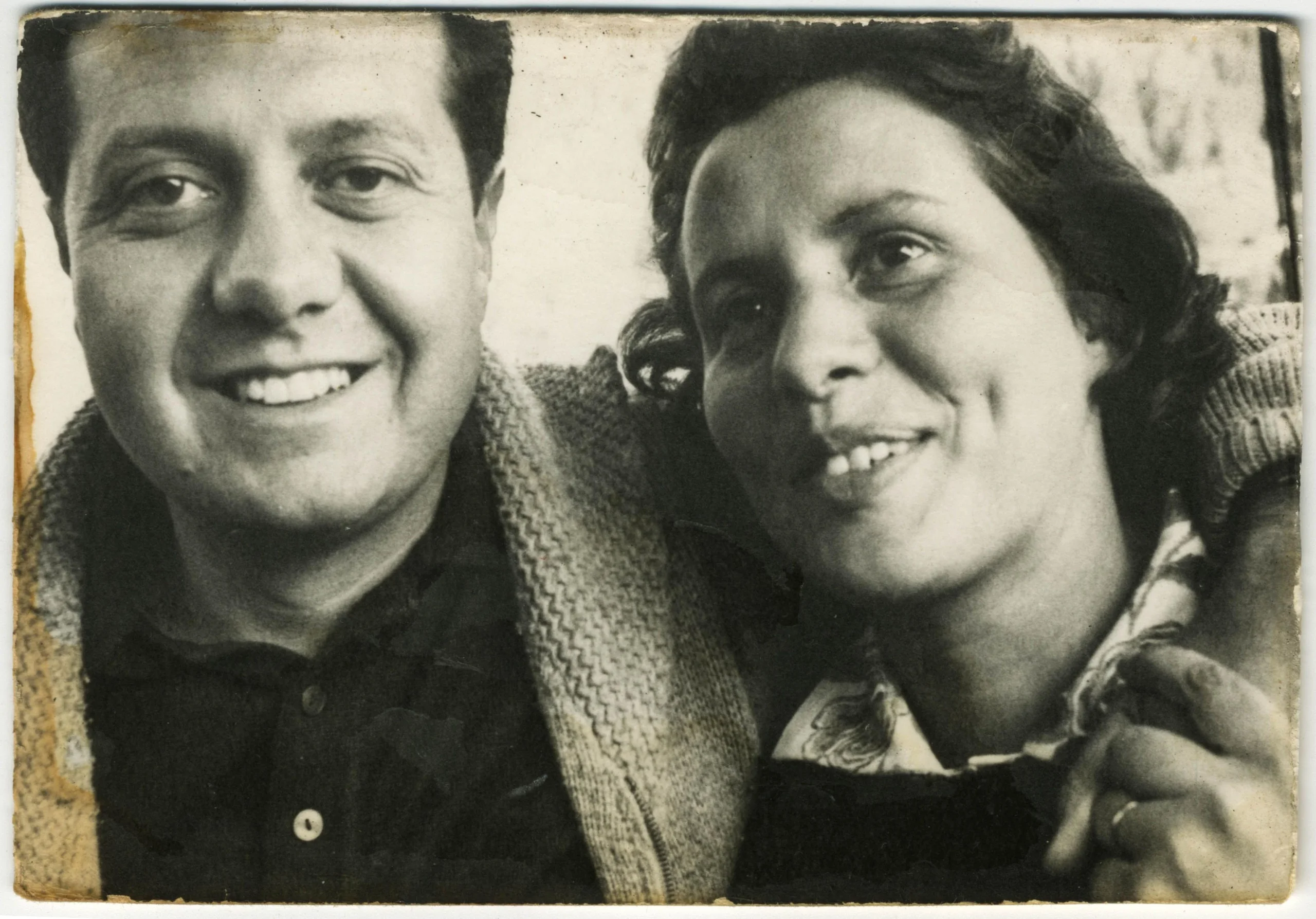
Mário Soares
 Portugal
Also known as: Father of Portuguese Democracy, Mário A.N.L. Soares
Birthday
December 7, 1924
Birth Sign
Sagittarius
Birthplace
Lisbon, Portugal
Age
Died at 92
About
Mário Alberto Nobre Lopes Soares was a Portuguese statesman, lawyer, and writer who played the defining role in guiding his nation from an authoritarian dictatorship to a modern democracy. He served as the first democratically elected Prime Minister of Portugal following the Carnation Revolution and later became the country's first civilian president in sixty years. His life work focused on establishing democratic institutions, securing Portugal's place in Europe, and championing human rights globally.
Known universally as the Father of Portuguese Democracy, Soares navigated the complex political landscape of the late 20th century with intellectual rigor and unwavering resolve. He co-founded the Socialist Party while in exile and returned to lead his country through its most critical transition period. His legacy is cemented by the 1976 Constitution he helped draft and Portugal's subsequent accession to the European Economic Community.
Early Life & Background
Mário Soares was born into a family with deep political roots in Lisbon. His father, António de Almeida Nobre Lopes Soares, had served as a minister during the First Portuguese Republic before the rise of the Estado Novo regime. Growing up in this environment, Mário absorbed a strong sense of political duty and social justice early on. He pursued higher education at the University of Lisbon, earning a law degree and later a doctorate in Political Science and Sociology.
Before achieving public prominence, Soares dedicated himself to opposing the authoritarian Estado Novo dictatorship led by António de Oliveira Salazar and later Marcelo Caetano. His activism came at a high personal cost. He faced repeated arrests, spent significant time in prison, and was forced into exile for many years. During his time in France, he worked clandestinely to organize resistance against the regime. In 1956, he co-founded the Socialist Party (Partido Socialista) while living abroad, becoming its first Secretary-General. This underground organizing phase laid the essential groundwork for his future leadership roles.
Career Growth
The turning point for Soares arrived with the Carnation Revolution on April 25, 1974, which overthrew the decades-long dictatorship. He was the first exiled politician to return to Portugal, landing in Lisbon on April 28, 1974. This marked the beginning of his ascent to the highest levels of power. In 1976, following the adoption of the new democratic constitution, he became the first democratically elected Prime Minister of the Third Republic, serving until 1978.
Soares returned to the premiership from 1983 to 1985, where he guided the country through economic stabilization and prepared it for European integration. His most defining achievement began in 1986 when he stepped down as Prime Minister to run for President. Elected on March 9, 1986, he became the first civilian president in 60 years and served two terms until 1996. As President, he oversaw Portugal's historic accession to the European Economic Community in 1986. After leaving the presidency, he continued to influence global politics as the Secretary-General of the Socialist International from 1999 to 2005.
Career Timeline
Public Image & Style
Mário Soares is portrayed as a statesman of integrity, resilience, and intellectual depth. Media outlets consistently describe him as the architect of Portuguese democracy, emphasizing his unwavering commitment to freedom and European integration. His public persona was defined by a serious demeanor and distinctive glasses, projecting an image of authority and experience.
Speakers and journalists noted his passionate and urgent tone in speeches, which reflected the gravity of the times he lived through. He was viewed not just as a politician but as a moral compass for the nation during its transition from dictatorship to democracy.
Fame & Fandom
iFANN has not yet collected fame data for this person. While he does not hold a position in the current global celebrity rankings, his historical significance remains undisputed within Portugal and among students of European political history.
As a political figure, Mário Soares does not have a fandom in the pop culture sense. However, he commands a devoted base of supporters known as "socialistas" and admirers of democratic values. Fan-like campaigns include the annual commemoration of the Carnation Revolution and the maintenance of initiatives by the Mário Soares Foundation. Supporters organize lectures, exhibitions, and educational programs to celebrate his legacy rather than engaging in commercial fan culture.
Interesting Facts and Legends
Mário Soares was known for his sharp wit and pugnacious debating style, often engaging in heated exchanges with conservative opponents. These moments earned him the nickname "the lion of the left" among his peers. He was also a polyglot, fluent in Portuguese, French, English, and Spanish, which facilitated his extensive diplomatic work across Europe and Latin America.
A lesser-known fact about his life involves his close friendship with other European socialist leaders during the Cold War. This network helped shape the strategy of the European left during a tense geopolitical era. Additionally, he authored several books on political theory and history, reflecting his deep engagement with academic thought alongside his practical political career.
Notable Quotes
“Democracy is not a gift, it is a conquest.”
“Portugal must be European, and Europe must be Portuguese.”
“We must never forget that we are free because we fought for it.”
Family & Personal Life
Soares was married only once to Maria Barroso, a woman from a distinguished political family whose father was former Prime Minister João de Barros. The couple met during the turbulent years of the dictatorship, likely through shared political circles, and remained together until his death. They had two children, José Soares and Novalinda Soares, though the family kept their private lives relatively out of the public eye.
His wife Maria survived him after his passing in 2017. The family maintained a low profile regarding their personal affairs, focusing instead on preserving his legacy through the Mário Soares Foundation and the House Museum established in his honor.
Notable Connections
João de Barros, António de Almeida Santos, Jorge Sampaio, Felipe González.
Relationships & Dating History
Mário Soares was married only once. His spouse was Maria Barroso, a woman from a distinguished political family whose father was former Prime Minister João de Barros. The couple met during the turbulent years of the dictatorship, likely through shared political circles or family connections, though specific details of their courtship remain less documented than his public career. They were married and remained together until his death.
There are no widely reported public romantic relationships prior to this marriage, nor any subsequent partners, divorces, or high-profile flings. The union produced children, including José Soares and Novalinda Soares, though specific details about their lives have been kept relatively private. As of his death in 2017, he was widowed by Maria Barroso, who survived him.
- MarriedMaria Barroso1950 - 2017Remained married until his death; she survived him.
Death & Aftermath
Died
January 7, 2017 (aged 92)
Death Place
Lisbon, Portugal
Cause of Death
Respiratory failure and complications from pneumonia
The nation paused to honor the man who guided Portugal from dictatorship to democracy, with tributes pouring in from across the political spectrum and international bodies alike. The funeral, conducted with full state honors, saw dignitaries gather at the Jerónimos Monastery in Lisbon, a traditional resting place for the country's heroes, where Soares was laid to rest shortly after his passing. This final ceremony reflected the profound respect held for the first civilian president elected after the Carnation Revolution, cementing his status as the Father of Portuguese Democracy. On January 7, 2017, Mário Soares passed away at the Hospital de Santa Maria in Lisbon at the age of ninety-two.
He had been receiving medical care for several days prior, spending his final moments under professional supervision. While specific details regarding his last public appearances were not widely recorded, the circumstances aligned with a natural decline associated with advanced age. Medical professionals at the hospital established the official cause of death as heart failure, a conclusion reached. Following his death, the legacy of Soares continued to be honored through various dedications designed to keep his democratic ideals alive. The Prémio Mário Soares remains active to recognize contributions to human rights, while the Fundação Mário Soares manages his archives and supports educational initiatives.
Net Worth (Estate Value)
$0
iFANN Editorial Team estimate
Net worth estimates for Mário Soares do not apply in the traditional celebrity sense, as he was a public servant who lived modestly throughout his life. His wealth was derived from his legal practice prior to full-time politics, his academic salary, and his parliamentary and presidential stipends. Unlike modern celebrities, he did not engage in endorsement deals, business ventures, or real estate speculation that would generate a multi-million dollar fortune.
Public records indicate he lived within the means of a senior civil servant and academic. Following his death, there is no public data suggesting a massive estate managed for profit. Instead, his legacy is preserved through the Mário Soares Foundation and the Mário Soares House Museum, which focus on educational and historical preservation rather than commercial revenue generation. iFANN currently estimates his net worth at approximately $0, reflecting his status as a public official rather than a wealthy entrepreneur.
Awards Won (4)
While he did not receive entertainment industry awards, Soares was honored with numerous prestigious national and international distinctions. These include the Prince of Asturias Award for Concord in 1994, the Grand Cross of the Order of Christ, and the Grand Cross of the Order of Liberty. He received honorary degrees from universities worldwide, including Oxford and UC Berkeley, and was awarded the European Citizens' Prize in 2000.
1994 · International Honor
Contribution to Democracy
2000 · European Union Honor
Service to European Integration
Known For
Prime Minister of Portugal
1976-1978 · Political Leader
President of Portugal
1986-1996 · Head of State
Father of Portuguese Democracy
1974-2017 · Historical Figure
Keywords
Sources
Quick Facts
- Profession
- politician, lawyer, writer
- Born
- December 7, 1924
- Birthplace
- Lisbon, Portugal
- Died
- January 7, 2017
- Death Place
- Lisbon, Portugal
- Gender
- Male
- Spouse
- Maria Barroso
- Birth Sign
- Sagittarius
Personal Details
- Full Name
- Mário Alberto Nobre Lopes Soares
- Spouse
- Maria Barroso
- Children
- José Soares, Novalinda Soares
- Education
- University of Lisbon (Law degree; Doctorate in Political Science and Sociology)
Frequently Asked Questions
Who was Mário Soares?
When did Mário Soares die?
What was Mário Soares' role in the Carnation Revolution?
Did Mário Soares have any children?
Was Mário Soares ever married?
Similar People
Join the community
fans discussing