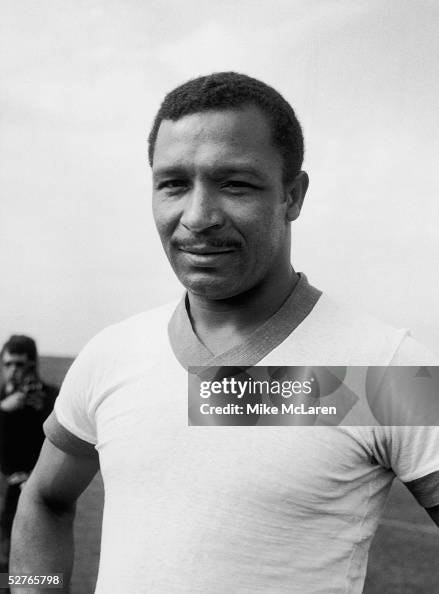
Mário Coluna
 Mozambique
Association football player•association football coach•politician
Also known as: Mário Esteves Coluna, O Monstro Sagrado
Birthday
August 6, 1935
Birth Sign
Leo
Birthplace
Inhaca Island, Portuguese Mozambique (present-day Mozambique)
Age
Died at 78
Height
5 ft 8 in (173 cm)
About
Mário Esteves Coluna was a Portuguese footballer who ranks among the finest midfielders of his generation. Born on Inhaca Island, Mozambique, he spent the bulk of his career at Benfica, where his commanding presence, vision, and long-range shooting earned him the nickname O Monstro Sagrado (The Sacred Monster). Over 16 seasons with the club, he won 10 Primeira Liga titles, 6 Taça de Portugal trophies, and two European Cups, scoring in both European Cup finals. He captained both Benfica and the Portugal national team, leading his country to a third-place finish at the 1966 FIFA World Cup. After retiring, he worked as a coach and later served as Mozambique's Minister of Sports. Coluna died in Maputo in 2014 at age 78.
Early Life & Background
Coluna grew up in the poor neighbourhoods of Lourenço Marques (now Maputo), the son of a Portuguese father and a Mozambican mother. He showed exceptional athletic ability early on: he was a keen boxer, played basketball, and held the Mozambican national high-jump record as a teenager with a leap of 1.82 metres. He originally wanted to become a car mechanic before recognising football as his path out of poverty. He began his youth career with Albasini and Ferroviário, then joined Desportivo Lourenço Marques in 1951. Playing as a free-scoring striker, he caught the attention of Benfica scouts. In 1954, at age 19, he signed for Benfica, beating off interest from both FC Porto and Sporting CP.
Career Growth
Coluna made an immediate impact at Benfica, scoring twice on his debut. Coach Otto Glória moved him from striker to attacking midfielder and later to an anchorman role, where his vision and reading of the game flourished. He played a pivotal role in Benfica's golden era. In the 1961 European Cup final, he scored a stunning long-range volley to help beat Barcelona 3–2. The following year, he scored another long-range goal in a 5–3 victory over Real Madrid, and famously allowed Eusébio to take a penalty to put Benfica 4–3 ahead. He captained the side throughout this period. For Portugal, he earned 57 caps and captained the team at the 1966 World Cup, leading them to a third-place finish after a semi-final loss to England and a win over the Soviet Union. After 16 seasons at Benfica with 525 appearances and 127 goals, he moved to Lyon for one season, then finished his playing career at Estrela Portalegre.
Career Timeline
Public Image & Style
Coluna was known as O Monstro Sagrado for his commanding presence on the pitch. He combined power with elegance, and his long-range shooting became his trademark. Off the pitch, he was described as calm, respectful, and a natural leader. He is revered as one of Benfica's greatest ever players and a symbol of the club's golden era. His partnership with Eusébio formed the core of one of the most dominant club sides of the 1960s. After his death, the Mozambican government declared a state funeral, reflecting his status as a national hero in both Portugal and Mozambique.
Fame & Fandom (iFAMOUS Rankings)
Mário Coluna remains a figure of profound reverence within the historical narratives of S.L. Benfica and the Portugal national team, though his legacy is absorbed into these broader institutional identities rather than supported by a distinct, named fan organization. The collective memory of Portuguese football serves as the custodian of his story, preserving the image of the "Sacred Monster" who anchored the golden era alongside Eusébio. His passing in 2014 triggered a massive outpouring of grief across both Portugal and Mozambique, culminating in a state funeral that highlighted his status as a unifying icon rather than a subject of modern, organized fandom campaigns or digital rituals. While no formal club exists for him alone, the enduring respect for his tactical brilliance ensures he remains a central pillar in retrospectives of 1960s football. Regarding his standing in contemporary fame metrics, iFANN has evaluated his global profile but notes that he currently holds no placement in the published rankings, including the Global Top 1,000 or any specific scope list. This absence of a numeric rank reflects the nature of his posthumous recognition as a historical legend rather than a current trending personality. The data confirms that while his influence on the sport is undeniable, he does not currently occupy a quantified position in the global fame hierarchy maintained by the engine. The fanbase has no formal name.
Interesting Facts and Legends
The nickname O Monstro Sagrado was bestowed upon Mário Coluna by fans and media to reflect his imposing physical presence and critical importance to his teams. Before establishing himself as a football legend, he held the Mozambican national high-jump record as a teenager and was also an accomplished boxer and basketball player in his youth. He scored on his very first appearance for Benfica, signaling an immediate impact. A defining moment of his leadership occurred during the 1962 European Cup final, where he voluntarily allowed Eusébio to take a penalty despite being the designated taker, prioritizing the team's needs over personal glory. Bela Guttmann, the Hungarian coach who guided Benfica to European glory, famously declared Coluna to be his best player at the club. Their relationship extended beyond tactics; Coluna served as a father figure to Eusébio, who continued to address him as 'Sir' long after both had retired from professional play.
Notable Quotes
“Eusébio continued to call me 'Sir' even after we both retired.”
“I wanted to be a car mechanic, but football gave me a different path.”
“Bela Guttmann said I was his best player, and that meant everything.”
Family & Personal Life
Coluna's father was Portuguese and his mother was Mozambican. He grew up on Inhaca Island and in Lourenço Marques. Details about his own spouse and children are not publicly documented. He shared a close, father-figure relationship with Eusébio; Eusébio's mother had asked Coluna to look after her son when Eusébio arrived in Portugal, and a special bond developed between them that lasted their entire lives.
Notable Connections
Coluna is most closely associated with Eusébio, his teammate at Benfica and for Portugal, whom he mentored as a father figure. He also worked under legendary coach Bela Guttmann, who called Coluna his best player at Benfica. Coach Otto Glória reshaped his career by moving him from striker to midfield.
Relationships & Dating History
Death & Aftermath
Died
February 25, 2014 (aged 78)
Death Place
Unknown
Cause of Death
Pulmonary illness
Mozambique declared a state funeral for Mário Coluna, recognizing the son of a Portuguese father and Mozambican mother as a national icon who had conquered Europe with Benfica and brought glory to his African heritage. Tributes from major institutions in both Portugal and Mozambique immediately highlighted his status as a World Cup legend who captained the Portuguese side to a third-place finish in 1966. The designation of a state funeral by two nations underscored the magnitude of the public mourning that followed his passing. Coluna died on February 25, 2014, at the age of 78 after suffering from a pulmonary illness.
There were no reports of disputed accounts regarding the circumstances of his death or his final days prior to passing. The funeral arrangements were formalized as a state event organized by the government of Mozambique during late February 2014. The ceremony was attended by high-profile figures from both Portugal and Mozambique given the diplomatic and cultural significance of his life, likely including military honors and official speeches though specific burial locations are not detailed in the provided records.
Awards Won (15)
Coluna's career was defined by team success. He won 10 Primeira Liga titles, 6 Taça de Portugal trophies, and 2 European Cups with Benfica. Internationally, he helped Portugal achieve a third-place finish at the 1966 FIFA World Cup. Individual awards from his era are not extensively documented.
1970 · League title
Benfica
1969 · League title
Benfica
1968 · League title
Benfica
1967 · League title
Benfica
1965 · League title
Benfica
1964 · League title
Benfica
1963 · League title
Benfica
1961 · League title
Benfica
1960 · League title
Benfica
1962 · European Cup
Benfica
1961 · European Cup
Benfica
Known For
Benfica
1954 · Central midfielder and captain
Portugal national team
1966 · Captain at FIFA World Cup
European Cup
1961 · Scored in the final
European Cup
1962 · Scored in the final
Keywords
Sources
Quick Facts
- Profession
- association football player, association football coach, politician
- Born
- +1935-08-06
- Birthplace
- Inhaca Island, Portuguese Mozambique
- Died
- +2014-02-25
- Death Place
- Maputo, Mozambique
- Gender
- Male
- Birth Sign
- Leo
- Height
- 5 ft 8 in (173 cm)
- Nickname
- O Monstro Sagrado
- Position
- Central midfielder
- Caps for Portugal
- 57
- Goals for Portugal
- 8
- Benfica appearances
- 525
- Benfica goals
- 127
Personal Details
- Full Name
- Mário Esteves Coluna
- Height
- 5 ft 8 in (173 cm)
Frequently Asked Questions
What was Mário Coluna's nickname?
How many European Cups did Mário Coluna win?
Was Mário Coluna related to Eusébio?
What was Mário Coluna's height?
How many caps did Mário Coluna earn for Portugal?
Similar People
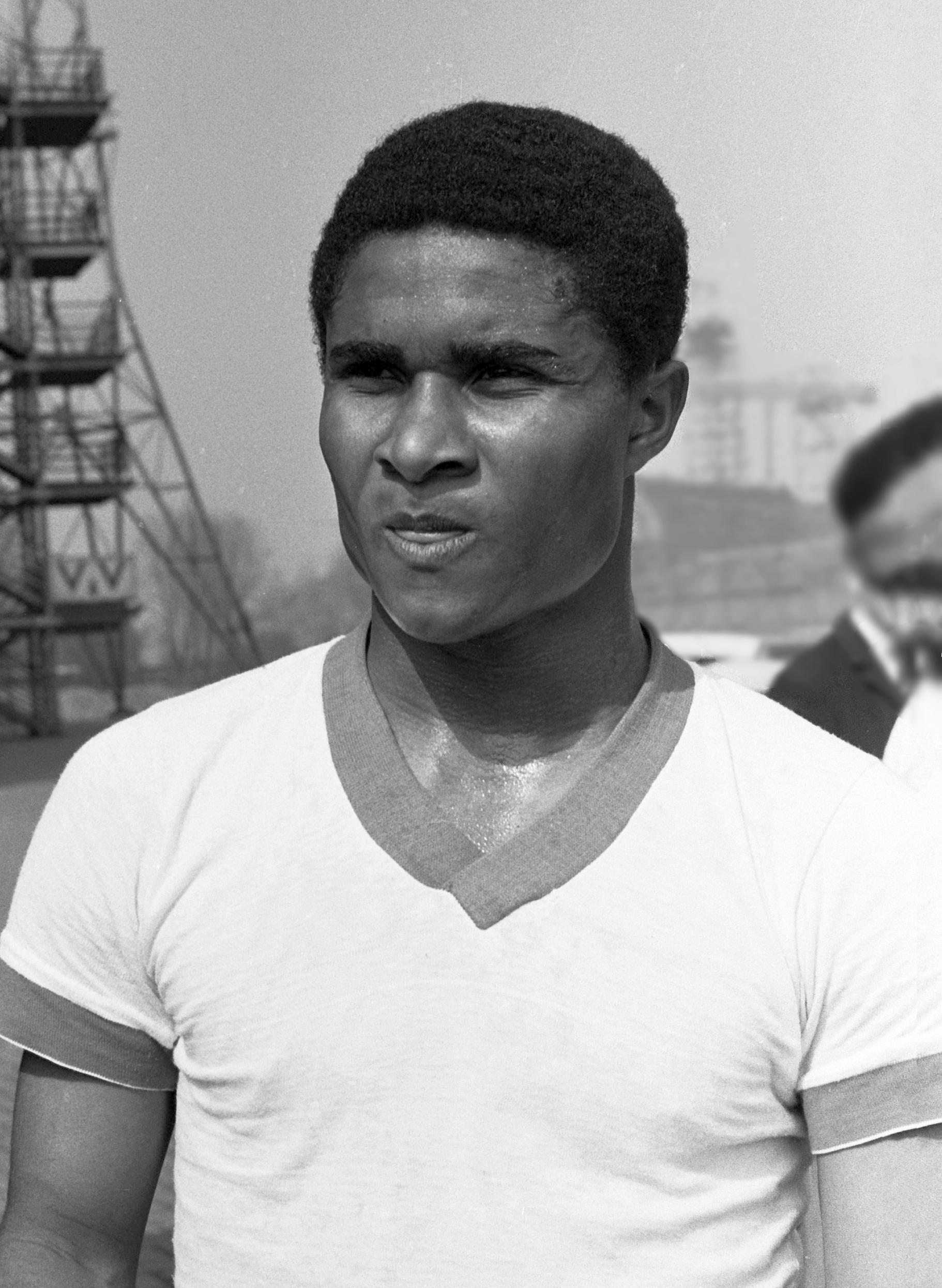
Join the community
fans discussing