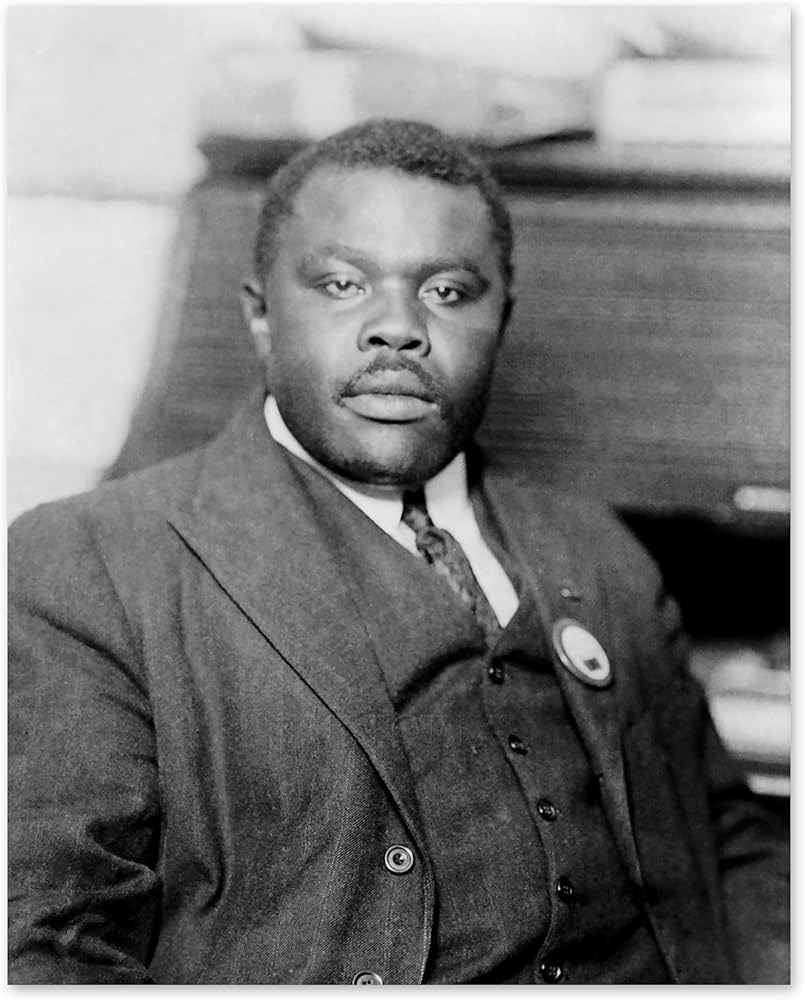
Marcus Garvey
 Jamaica
political activist•journalist•entrepreneur
Also known as: Marcus Mosiah Garvey Jr.
Birthday
August 17, 1887
Birth Sign
Leo
Birthplace
Saint Ann's Bay, Jamaica
Age
Died at 52
Height
5 ft 7 in (170 cm)
About
Marcus Garvey was a Jamaican political activist, journalist, and entrepreneur who became one of the most influential black nationalist leaders of the 20th century. Born in Saint Ann's Bay, Jamaica in 1887, he founded the Universal Negro Improvement Association (UNIA) in 1914, an organization that grew into a mass movement for black empowerment and Pan-Africanism. His bold vision and fiery oratory inspired millions across the African diaspora, though his methods and alliances also stirred fierce controversy.
Garvey's early career included stints as a printer and trade unionist in Jamaica, followed by travels through Central America and England. In 1916, he moved to Harlem, New York, where he built UNIA into a global force with hundreds of branches. He launched the Negro World newspaper, the Negro Factories Corporation, and the Black Star Line, a shipping company intended to connect Africa and the diaspora. His call for a return to Africa and his declaration as Provisional President of Africa electrified supporters but alienated integrationist leaders like W.E.B. Du Bois.
In 1923, Garvey was convicted of mail fraud related to the Black Star Line and served nearly two years in a federal penitentiary. After his sentence was commuted by President Calvin Coolidge, he was deported to Jamaica in 1927. He continued his activism, founding the People's Political Party and serving briefly as a city councillor. Financial troubles forced him to relocate to London in 1935, where he died in 1940 at age 52. His body was later reburied in Jamaica's National Heroes Park.
Garvey remains a polarizing figure. Critics point to his collaboration with the Ku Klux Klan, his antisemitic statements, and his authoritarian vision of a one-party Africa. Yet his emphasis on black pride, economic self-reliance, and African unity profoundly influenced movements like Rastafari, the Nation of Islam, and the Black Power movement. In Jamaica, he is honored as the first national hero, a testament to his enduring impact.
Early Life & Background
Marcus Garvey was the youngest of eleven children born to Marcus Mosiah Garvey Sr., a stonemason, and Sarah Jane Richards, a domestic servant. Only two of the children survived to adulthood. The family lived in Saint Ann's Bay, a small coastal town in Jamaica, where young Marcus attended the local Church of England school until age 14. His father owned a sizable library, and Garvey developed a passion for reading, particularly history and biographies of black leaders.
At 14, Garvey left school to apprentice as a printer in his godfather's business in Kingston. He became a master printer and joined a union, participating in the 1907 printer's strike. The strike failed, and Garvey felt slighted when he was not chosen as a leader. This experience fueled his determination to lead. He later worked as a timekeeper on a banana plantation in Costa Rica and traveled to Panama, Ecuador, and Nicaragua, witnessing the harsh exploitation of black laborers building the Panama Canal and working on plantations.
In 1912, Garvey moved to London, where he attended Birkbeck College and studied law and philosophy. He worked for the African Times and Orient Review and engaged with a global network of Pan-Africanists. He read Booker T. Washington's autobiography Up from Slavery, which inspired his philosophy of black economic self-reliance. Returning to Jamaica in 1914, he founded the Universal Negro Improvement Association, initially focusing on education and self-help. The organization grew slowly, so in 1916 he traveled to the United States, settling in Harlem, where he found a receptive audience among black migrants from the South.
Career Growth
Garvey's breakthrough came in Harlem, where his message of black pride and economic independence resonated with thousands. In 1918, he launched the Negro World newspaper, which reached a circulation of over 200,000. In 1919, he founded the Black Star Line, a shipping company meant to facilitate trade and transportation between Africa and the diaspora. The same year, he established the Negro Factories Corporation, which ran grocery stores, a restaurant, a laundry, and a publishing house. The UNIA's first International Convention in 1920 drew an estimated 25,000 delegates to Madison Square Garden, where Garvey was elected Provisional President of Africa.
The Black Star Line proved financially disastrous. Ships were overpriced and poorly maintained, and the company lost over $1 million. In 1923, Garvey was convicted of mail fraud for selling stock in the defunct company. He was sentenced to five years in prison and served nearly two years at the Atlanta Federal Penitentiary before President Coolidge commuted his sentence in 1927. Garvey was immediately deported to Jamaica.
Back in Jamaica, Garvey founded the People's Political Party in 1929, the island's first modern political party, advocating for workers' rights and land reform. He was elected to the Kingston and St. Andrew Corporation but served only briefly due to legal troubles. In 1935, he moved permanently to London, where he published The Black Man magazine and struggled to maintain a following. He died in London in 1940 at age 52. In 1964, his remains were exhumed and reburied in Jamaica's National Heroes Park, where he was declared the nation's first National Hero.
Career Timeline
Public Image & Style
Garvey is almost always depicted in a military-style uniform with a plumed hat, projecting authority and defiance. His public persona was that of a charismatic, uncompromising orator who spoke directly to the aspirations of black working-class people. Media portrayals often highlight his dramatic rise and fall, his clashes with W.E.B. Du Bois, and his controversial alliances. Followers historically called themselves Garveyites. Today, his quotes are widely shared on social media, often set against the red, black, and green Pan-African flag, inspiring a new generation of activists. Critics remember him for his antisemitic remarks and authoritarian tendencies, but his core message of black self-reliance continues to resonate.
Fame & Fandom (iFAMOUS Rankings)
Marcus Garvey stands as a towering figure in the history of Black nationalism, his influence stretching far beyond his lifetime to shape modern movements for racial justice. Despite this enduring legacy, iFANN's Global Fame Engine evaluated him in August 2026 and determined that he currently holds no placement in the published rankings, including the Global Top 1,000 or any scope-specific top lists. This absence from the charts reflects his status as a historical icon rather than a contemporary celebrity competing for daily attention spans. The world remembers him not through viral trends or streaming numbers, but through the foundational texts of Pan-Africanism and the massive political machinery he built. His "fandom" is not a group of fans seeking autographs or attending fan conventions; it is a global community of scholars, activists, and descendants who identify with his ideology. While some adherents are historically known as Garveyites, there is no formal, single-word name for the collective following today. Instead, the movement manifests through commemorative rituals like the annual Marcus Mosiah Garvey Lecture held at Liberty Hall in Jamaica on August 17. These gatherings honor his life without the recreational flair of modern pop culture fandoms. There are no documented instances of crowds fainting at his appearances or streets shutting down for his presence, as he died long before the era of celebrity worship. His impact remains strictly ideological, rooted in verified historical achievements like the founding of the UNIA and the ambitious, albeit short-lived, Black Star Line. The legends surrounding him are not folklore but well-documented chapters of struggle, including his 1923 mail fraud trial and subsequent deportation. These events serve as primary reference points for understanding the history of Black nationalism, ensuring his memory persists through education and political activism rather than commercial fame.
Interesting Facts and Legends
Garvey is revered as a prophet by the Rastafari movement, which interprets his declaration, 'Look to Africa, when a black king shall be crowned,' as a prophecy fulfilled by Haile Selassie I's coronation in 1930. In a move that shocked many contemporaries, he met with the Imperial Wizard of the Ku Klux Klan in 1922, arguing that racial separation served his goals of black self-reliance. His shipping venture, the Black Star Line, once acquired a vessel that turned out to be a former Confederate blockade runner. Though he did not coin the exact phrase, his spirit laid the groundwork for the later 'black is beautiful' slogan. The UNIA's flag featuring red, black, and green stripes evolved into the definitive Pan-African flag. A defining legend of his career involves the massive crowds he drew to Liberty Hall in New York City, where his fiery speeches unified disparate groups under the banner of Pan-Africanism. Another pivotal story centers on his 1923 arrest and conviction for mail fraud, an event supporters widely viewed as politically motivated persecution designed to dismantle his movement. His eventual deportation from the United States in 1927 remains a symbol of the struggle against systemic oppression. These narratives are not mere anecdotes but foundational chapters in African American and Caribbean history that continue to inspire civil rights leaders today.
Notable Quotes
“Up, you mighty race, you can accomplish what you will.”
“A man without knowledge of himself and his history is like a tree without roots.”
“Look to Africa, when a black king shall be crowned, for the day of deliverance is at hand!”
“We must canonize our own saints, create our own martyrs, and elevate to positions of fame and honor black men and women who have made their distinct contributions to our racial history.”
Family & Personal Life
Garvey's father, Marcus Mosiah Garvey Sr., was a stonemason known for his extensive personal library. His mother, Sarah Jane Richards, was a devout Christian and domestic worker. He was the youngest of eleven children, but only he and one sibling survived to adulthood. Garvey had no biological children. His second wife, Amy Jacques Garvey, was his personal secretary and a leading intellectual in the UNIA; she edited his speeches into the book Philosophy and Opinions of Marcus Garvey. She managed the movement during his imprisonment and after his death.
Notable Connections
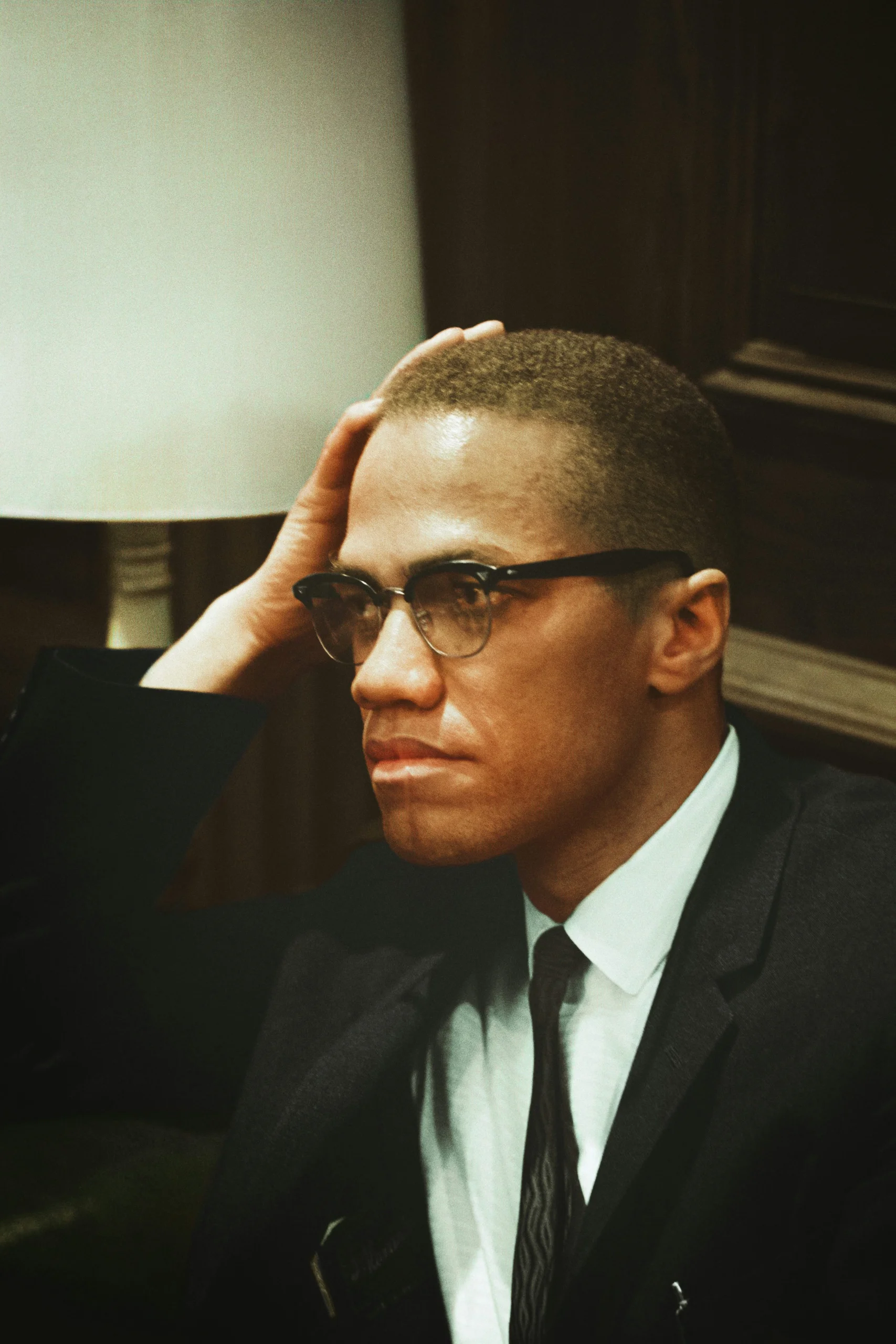
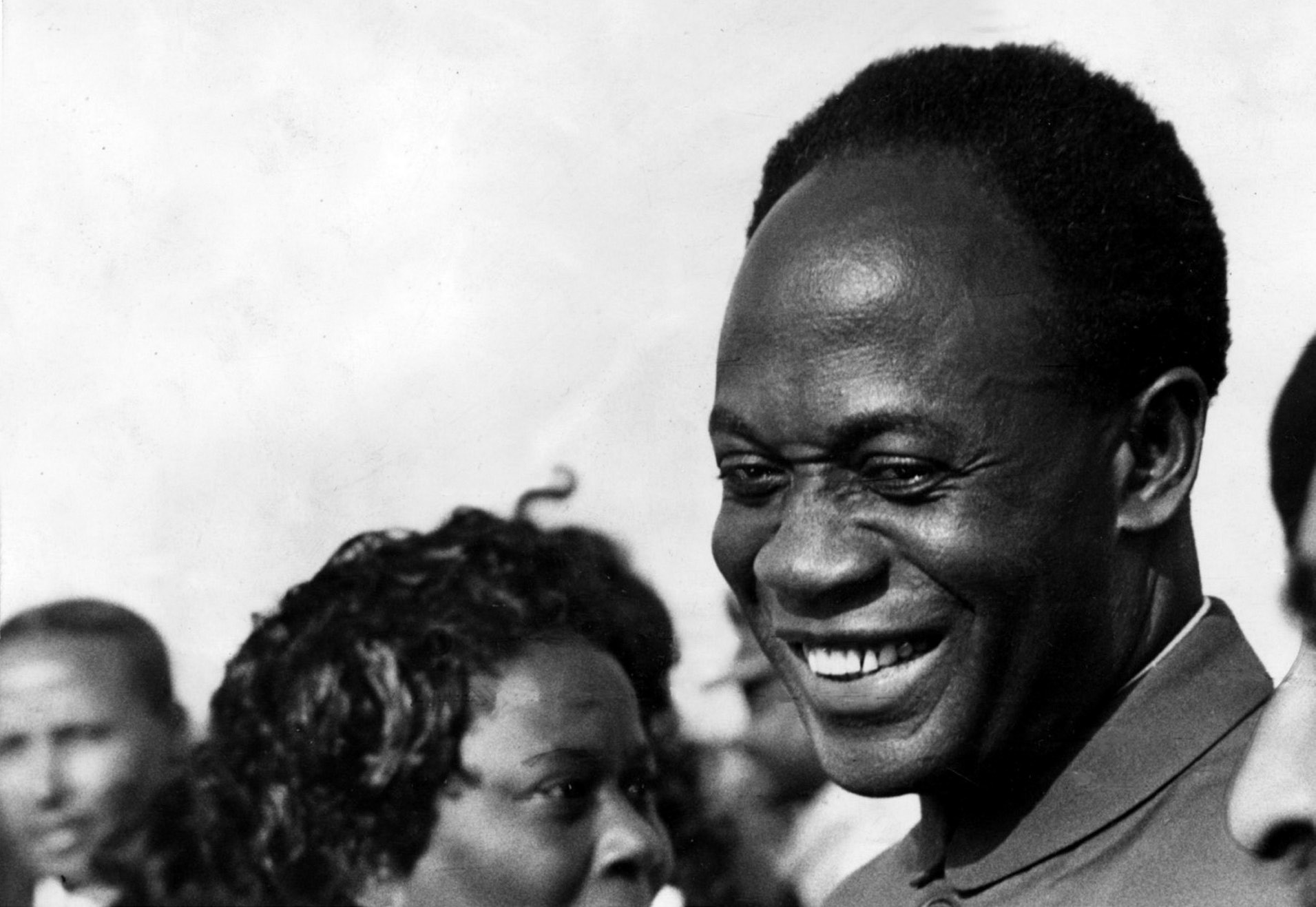
Garvey's primary intellectual rival was W.E.B. Du Bois, who led the "Garvey Must Go" campaign. His second wife, Amy Jacques Garvey, edited his philosophies. He influenced Kwame Nkrumah, Ghana's first president, and Malcolm X, whose parents were Garveyites. The Rastafari movement reveres him as a prophet for his prediction of Haile Selassie I's coronation.
Relationships & Dating History
Marcus Garvey was married twice. His first marriage was to Amy Ashwood, a co-founder of the UNIA, in 1919. The marriage was large and public but ended within months due to Garvey's intense focus on the movement and alleged infidelity; they divorced in 1922. Ashwood remained a prominent Pan-Africanist. In 1922, Garvey married Amy Jacques, his personal secretary and a key UNIA intellectual. Jacques edited his speeches and managed the movement during his imprisonment and after his death. She was his partner until his death in 1940. As of 2026, Garvey is deceased; his last marital status was married to Amy Jacques Garvey.
- MarriedAmy Ashwood Garvey1919 - 1922Co-founder of UNIA; separated shortly after marriage, divorced in 1922.
- MarriedAmy Jacques Garvey1922 - 1940His personal secretary and intellectual partner; remained married until his death.
Death & Aftermath
Died
June 10, 1940 (aged 52)
Death Place
Hampstead, London, England
Cause of Death
Chronic nephritis and heart failure
Marcus Garvey spent his final years in relative obscurity within a private hospital in Hampstead, London, managing the fading affairs of the Universal Negro Improvement Association while his physical condition deteriorated rapidly in early 1940. He passed away on June 10, 1940, at the age of 52 after delivering speeches and participating in UNIA meetings just weeks before his decline became terminal. The attending physician issued a medical statement confirming the official cause as chronic nephritis and heart failure, ruling out any speculation regarding malnutrition or stress from earlier legal battles.
Tributes poured in immediately from peers and organizations like the UNIA, which held memorial services to honor their late leader, though the reaction remained limited in scope compared to modern media surges due to the era's technology. His funeral took place three days later on June 13, 1940, at St. Paul's Church in Hampstead, attended by family members including his son Julius Garvey, friends, and community leaders in a modest affair that reflected his status at the time. Although his body was initially interred in a London cemetery where the exact location was lost for decades, he was exhumed in 1964 and reburied in Jamaica's National Heroes Park as the nation's first National Hero.
Posthumous recognition expanded into numerous books, academic studies, and inductions into halls of fame, with his image appearing on Jamaican currency and stamps while his message influenced reggae and hip-hop artists who frequently sampled his words. The handling of his personal assets remained decentralized through the UNIA and family members rather than a centralized corporate entity.
Net Worth (Estate Value)
$1 Million
iFANN Editorial Team estimate
Marcus Garvey passed away in relative poverty in London in 1940. His estate, overseen by the Marcus Garvey Foundation and his descendants, maintains limited commercial value today. Revenue streams include book royalties for his writings, such as Philosophy and Opinions of Marcus Garvey, and licensing deals for his image on merchandise and commemorative items. Assets held by the UNIA remain minimal. Per iFANN's editorial analysis, the estate is valued at approximately $1 million as of 2026, reflecting the enduring interest in his legacy despite the lack of significant financial holdings.
Awards & Accolades
View 8 records, honours and achievementsKnown For
Universal Negro Improvement Association
1914 · Founder and President-General
Black Star Line
1919 · Founder
Negro World
1918 · Founder and Publisher
Keywords
Quick Facts
- Profession
- journalist, entrepreneur, politician
- Born
- +1887-08-17
- Birthplace
- Saint Ann's Bay
- Died
- +1940-06-10
- Death Place
- West Kensington
- Gender
- Male
- Spouse
- Amy Jacques Garvey, Amy Ashwood Garvey
- Birth Sign
- Leo
Personal Details
- Full Name
- Marcus Mosiah Garvey Jr.
- Height
- 5 ft 7 in (170 cm)
- Spouse
- Amy Jacques Garvey, Amy Ashwood Garvey
- Education
- Apprenticed as a printer; studied at Birkbeck College, London
Frequently Asked Questions
Is Marcus Garvey a Rastafarian?
Why was Marcus Garvey deported?
Did Marcus Garvey have children?
What was Marcus Garvey's net worth when he died?
What is the Black Star Line?
Similar People
Join the community
fans discussing