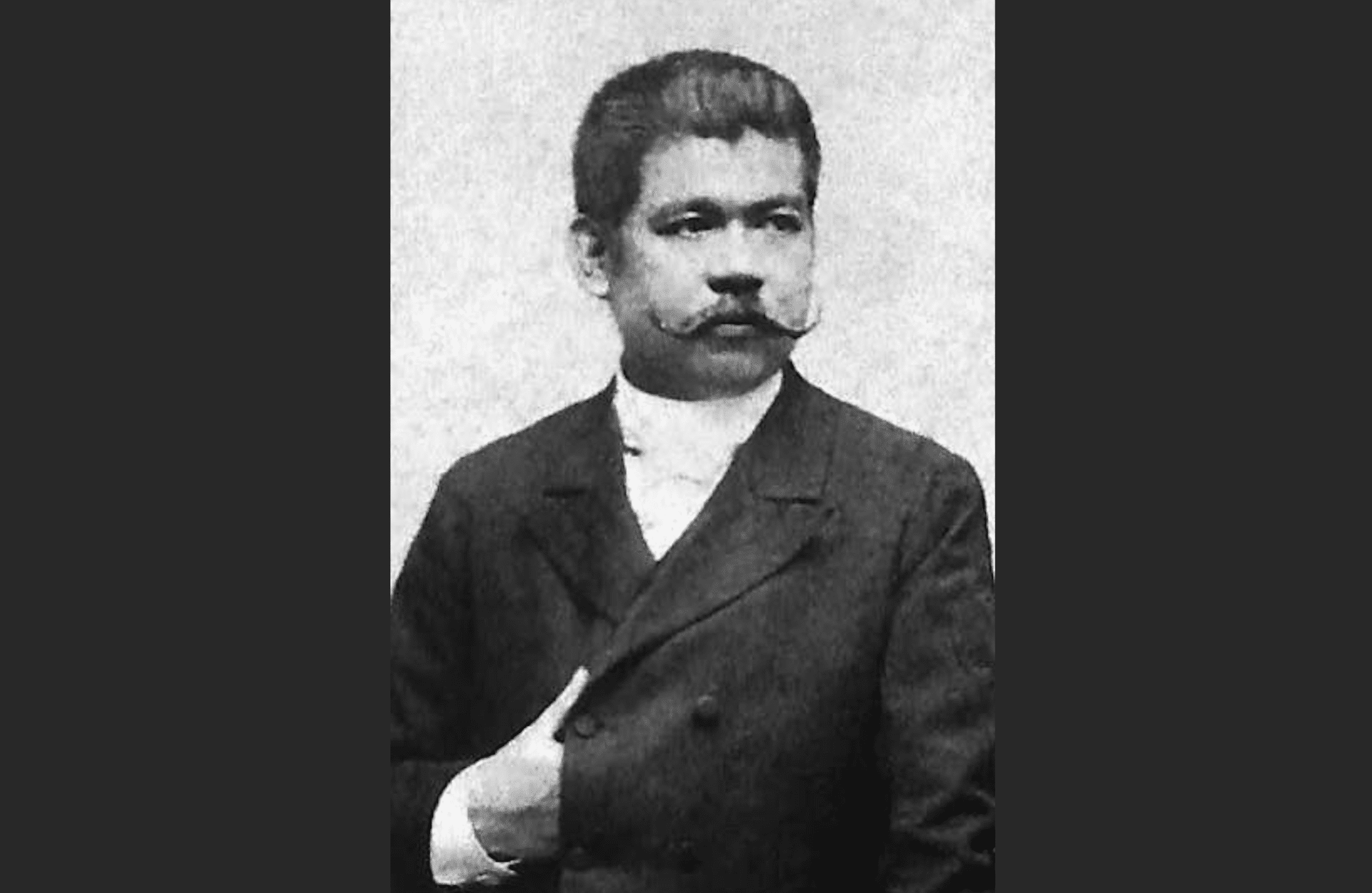
Marcelo H. del Pilar
 Philippines
Also known as: Marcelo Hilario del Pilar, M.H. del Pilar, Pláridel
Birthday
August 30, 1850
Birth Sign
Sagittarius
Birthplace
Bulakan, Bulacan, Philippines
Age
Died at 45
About
Marcelo Hilario del Pilar y Gatmaitán was a Filipino lawyer, journalist, and revolutionary leader who became the "Father of Philippine Journalism." Born in Bulakan, Bulacan, on August 30, 1850, he is best remembered as a central figure in the Propaganda Movement alongside José Rizal and Graciano López Jaena. Del Pilar used his pen name Pláridel to publish satirical works that exposed the abuses of Spanish friars and colonial authorities. He served as the editor of La Solidaridad, the movement's primary newspaper in Spain, where he sharpened the call for reforms.
His life ended prematurely due to tuberculosis on July 4, 1896, in Barcelona, Spain. He died in poverty while still exiled from his homeland, having spent his final years fighting for the rights of his people through the written word. His legacy remains a cornerstone of Philippine national identity, celebrated for his courage and intellectual prowess in the face of colonial oppression.
Early Life & Background
Marcelo Hilario del Pilar y Gatmaitán entered the world in Bulakan, Bulacan, as the eldest of ten children born to Juan del Pilar and Gregoria Gatmaitán. His family lived in a modest home near the town plaza, an environment that instilled in him a deep awareness of social inequalities from a young age. The rigid social hierarchy of Spanish colonial Philippines shaped his early years, where he witnessed firsthand the exploitation of the native population by religious orders. This upbringing fueled a keen observation of injustice that would later define his career.
Del Pilar attended elementary school in Bulakan before moving to Manila to pursue higher education. In 1867, he enrolled at the University of Santo Tomas to study philosophy and letters. However, his academic journey took a dramatic turn in 1869 following a heated dispute over baptismal fees charged by a parish priest. The Dominican friars who controlled the university suspended him, and he was briefly imprisoned. This incident marked the beginning of his lifelong crusade against clerical abuse and became a defining moment in his political awakening.
Following his release, Del Pilar completed his legal studies at the University of San Carlos in Cebu and eventually obtained his law degree, though he never practiced law extensively due to his growing involvement in journalism and politics. Before gaining international fame, he worked as a scribe and clerk in various government offices, which gave him insight into the bureaucratic machinery of the colony. These early experiences fueled his desire for reform. He also joined the Freemasons, a secret society that promoted liberal ideals and provided a network for like-minded reformers, allowing him to connect with other intellectuals and plan strategies for resistance.
Career Growth
Del Pilar's career began in earnest when he moved to Manila in the mid-1880s, where he started writing for local newspapers. His most significant breakthrough came in 1888 when he fled to Spain to escape an order of banishment issued by Spanish authorities. Upon arriving in Barcelona, he quickly integrated into the Filipino expatriate community and took over the editorship of La Solidaridad in 1889, succeeding Graciano López Jaena. Under his leadership, the newspaper became the voice of the Propaganda Movement, advocating for equal rights, representation in the Spanish Cortes, and secularization of the clergy.
Del Pilar's editorials were characterized by their biting satire and logical arguments, earning him the respect of both Filipino reformists and sympathetic Spanish liberals. Despite financial struggles and internal conflicts within the movement, he kept the publication alive until its cessation in 1895. His major projects included the publication of Dasalan at Tocsohan (Prayers and Mockeries), a collection of satirical prayers that ridiculed the hypocrisy of the friars, and Mga Dalit sa Bagong Pilipinas (Hymns to the New Philippines), which inspired nationalistic sentiment. His work laid the groundwork for the eventual Philippine Revolution of 1896.
Career Timeline
Public Image & Style
Marcelo H. del Pilar is portrayed in media as a courageous and intellectual leader who fought for justice and freedom. His signature style was that of a sharp-witted satirist who used humor and irony to expose corruption. His content, primarily written in Spanish and Tagalog, was characterized by its clarity, logic, and moral conviction. Social media voices today continue to celebrate his legacy, emphasizing his role as a pioneer of free press and a champion of human rights. He is viewed not just as a historical figure but as a foundational father of Philippine journalism and a symbol of resistance against tyranny.
Fame & Fandom (iFAMOUS Rankings)
Marcelo H. del Pilar never courted a modern fanbase, nor did he inspire the chaotic energy of street-side billboards or streaming marathons. His legacy rests not in viral moments but in the solemn reverence of a nation that treats his memory as civic duty. The Philippine state, educational institutions, and history departments keep his flame alive through annual commemorations rather than ticket sales. August 30 marks a special non-working holiday in Bulacan, where citizens gather to honor the man who transformed satire into a weapon against colonial oppression. No organized group claims him as their own; instead, the entire country acts as his collective admirer, particularly those in journalism and law who view him as their foundational father. He died nearly 130 years ago, yet his influence permeates every discussion on free press and political reform. This enduring relevance is quantified by the iFANN Global Fame Rankings. Marcelo H. del Pilar holds the 91st most famous person in Philippines position according to these rankings. He also secures the 67th most famous person from Philippines within the same authoritative dataset. These placements reflect a steady presence that has held firm through recent cycles, proving that historical gravity often outlasts fleeting celebrity trends.
Interesting Facts and Legends
Del Pilar earned the title "Father of Philippine Journalism" for his relentless editing of La Solidaridad and his sharp satirical attacks on Spanish friars. His most famous literary work, Dasalan at Tocsohan, remains a cornerstone of Filipino literature, mocking religious hypocrisy with biting wit. A defining legend involves his suspension from the Universidad de Santo Tomás after a heated quarrel with a parish priest over baptismal fees, an incident that landed him in prison and ignited his lifelong activism. Another pivotal moment occurred during his final days in Barcelona, where his death on July 4, 1896, marked the tragic end of peaceful reform efforts just before the Philippine Revolution erupted. Statues and busts, including one by Anastacio Tanchauco Caedo, stand as physical testaments to his impact, while schools like the Marcelo H. Del Pilar Elementary School in Quezon City carry his name forward. In 2025, the nation celebrated his 175th birth anniversary with official ceremonies urging journalists to uphold his standards of truth-telling.
Notable Quotes
“I would rather die than live without liberty.”
“The pen is mightier than the sword.”
“We must not be afraid to speak the truth, even if it hurts.”
Family & Personal Life
Marcelo H. del Pilar was married to Paz Pineda, a woman from his hometown in Bulakan. The couple had several children, though details about their names and lives are scarce due to the turbulent times they lived in. Del Pilar's personal life was largely overshadowed by his public duties and the hardships of exile. He lived in poverty in Barcelona, often relying on the support of fellow Filipinos and Spanish sympathizers. Despite his difficult circumstances, he remained dedicated to his cause, writing tirelessly even as his health deteriorated. There is no evidence of multiple marriages or high-profile romantic relationships beyond his marriage to Paz Pineda. The couple's relationship was one of mutual support, with Paz playing a crucial role in maintaining his morale during his exile.
Notable Connections
Relationships & Dating History
Marcelo H. del Pilar's romantic history is limited to documented records rather than modern media scrutiny. He was married to Paz Pineda, a woman from Bulakan. Their marriage was a union of shared values and commitment to the nationalist cause. While specific details about how they met or the exact dates of their marriage are not widely recorded in contemporary sources, it is known that they had children together. Paz Pineda supported her husband throughout his exile in Spain, providing emotional and logistical assistance. There are no reports of other romantic relationships, engagements, or divorces. Del Pilar remained faithful to his wife until his death. As of the current date, Marcelo H. del Pilar has been deceased since 1896; therefore, he is not currently single, dating, engaged, or married. His legacy continues through his descendants, including Pax Pineda, a 17-year-old curator who recently highlighted his personal life in a museum exhibit in 2026.
- MarriedPaz PinedaUnknown - 1896Wife who supported him during exile in Spain until his death.
Death & Aftermath
Died
July 4, 1896 (aged 45)
Death Place
Barcelona, Spain
Cause of Death
Tuberculosis
The news of Marcelo H. del Pilar's passing sent a wave of grief through the Filipino expatriate community in Spain, with his peer José Rizal, then imprisoned, mourning the loss as a devastating blow to the Propaganda Movement. Tributes poured into La Solidaridad and other nationalist publications, hailing him as the Father of Philippine Journalism and a martyr for reform, though colonial censorship prevented large-scale vigils or public memorials within the Philippines at that time. Del Pilar succumbed to tuberculosis on July 4, 1896, in Barcelona, Spain, after years of deteriorating health driven by poverty, overwork, and the stress of exile. His final days were spent in a small apartment where he continued editing until late June 1896, when his condition forced him into seclusion; contemporary accounts describe him being bedridden and cared for by fellow Filipinos and Spanish friends, with the diagnosis of tuberculosis established through family statements and the consensus of those who witnessed his decline rather than any formal medical report or autopsy.
The funeral was a modest private affair attended by a small group of exiles, Spanish sympathizers, and Freemasons, including Graciano López Jaena, before he was laid to rest in Montjuïc Cemetery. Decades later, his legacy flourished through academic papers, biographies, and cultural institutions like the Ayala Museum exhibit Lolo Marcelo: The Man Behind the Hero, while streets, plazas, and the Marcelo H. del Pilar National High School across the Philippines bear his name alongside scholarships supporting journalism and law.
Net Worth (Estate Value)
$0
iFANN Editorial Team estimate
As Marcelo H. del Pilar passed away in 1896, he does not have a current net worth. His estate value is not applicable in the traditional sense, as his assets were minimal due to his life of poverty and exile. Posthumous earnings from his works, such as royalties from reprints of his books and licensing deals for educational materials, are managed by the Philippine government and various cultural institutions. These funds are typically reinvested into educational programs and cultural preservation efforts. There are no celebrity-net-worth sites or financial outlets that track his net worth, as he was not a modern celebrity with business ventures or endorsement deals. The iFANN Editorial Team estimates his posthumous cultural value and estate management contributions at $0 in monetary terms, reflecting the nature of his historical status rather than a financial deficit.
Awards & Accolades
View 4 records, honours and achievementsKnown For
La Solidaridad
1889 · Editor
Dasalan at Tocsohan
1889 · Author
Propaganda Movement
1888 · Leader
Keywords
Sources
Quick Facts
- Profession
- journalist, writer, politician
- Born
- August 30, 1850
- Birthplace
- Bulakan, Bulacan
- Died
- July 4, 1896
- Death Place
- Barcelona, Spain
- Gender
- Male
- Birth Sign
- Sagittarius
Personal Details
- Full Name
- Marcelo Hilario del Pilar y Gatmaitán
- Spouse
- Paz Pineda
- Education
- University of Santo Tomas (suspended), University of San Carlos (Law degree)
Frequently Asked Questions
Who was Marcelo H. del Pilar?
When did Marcelo H. del Pilar die?
What is Marcelo H. del Pilar's most famous work?
Why is Marcelo H. del Pilar important?
Is Marcelo H. del Pilar a National Hero?
Similar People
Join the community
fans discussing