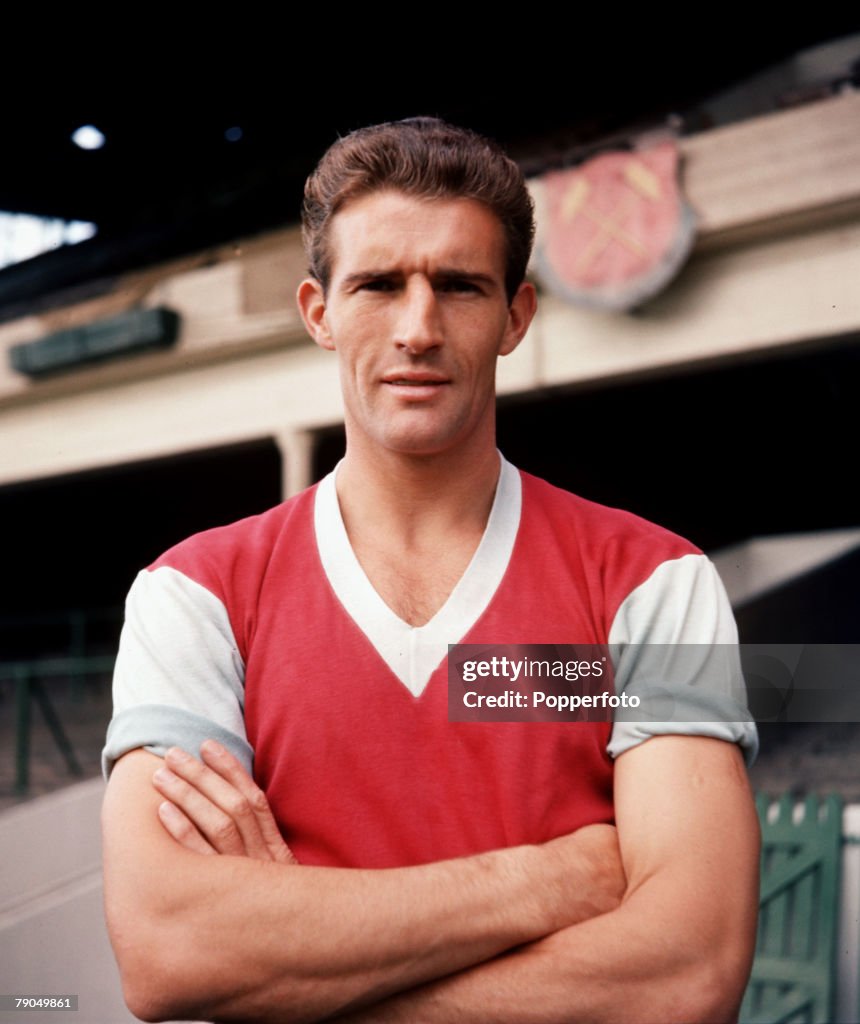
Malcolm Allison
 United Kingdom
association football player•association football coach
Also known as: Big Mal
Birthday
September 5, 1927
Birth Sign
Virgo
Birthplace
Dartford, England
Age
Died at 83
About
Malcolm Alexander Allison was an English football player and manager. Nicknamed Big Mal, he was one of English football's most flamboyant and intriguing characters, known for his fedora, cigar, and outspoken nature. His career is defined by his role as assistant manager to Joe Mercer at Manchester City, where they won six major trophies in seven years during the 1960s and early 1970s. Allison later managed City on three separate occasions, as well as clubs like Crystal Palace and Middlesbrough, three Portuguese sides, and the Kuwait national team. His playing days at West Ham United were cut short by tuberculosis, but his influence on the game endures through his tactical mind and larger-than-life persona.
Early Life & Background
Allison grew up in Dartford, Kent, and developed a passion for football early on. He joined West Ham United as a youth and became a dependable defender, showing leadership that earned him the role of mentor to younger players, including future England captain Bobby Moore. His playing career was progressing well until 1958, when he contracted tuberculosis and had to undergo surgery to remove a lung, ending his playing days at age 30. This setback pushed him into coaching, where his tactical insights and charisma quickly made an impact.
Career Growth
Allison's coaching breakthrough came when he joined Manchester City as assistant to Joe Mercer in 1965. Together, they transformed the club from a struggling second-tier side to champions of England. In 1968, City won the First Division title, followed by the FA Cup in 1969 and the League Cup and UEFA Cup Winners' Cup in 1970. After Mercer left in 1971, Allison took over as manager, but results dipped and he was sacked in 1973. He later managed Crystal Palace from 1973 to 1976, leading them to promotion, and had a brief spell at Middlesbrough. He also managed three Portuguese clubs—Sporting CP, Vitória de Guimarães, and Belenenses—and the Kuwait national team. He returned to Manchester City for a third stint in 1989 but could not replicate earlier success.
Career Timeline
Public Image & Style
Allison cultivated an image as English football's most flamboyant character. His fedora, cigar, and outspoken comments made him a media favorite. He was seen as a charismatic but controversial figure, often clashing with authority. Fans admired his passion and tactical boldness, while critics pointed to his erratic behavior. His partnership with Joe Mercer is remembered as one of football's great double acts, blending Mercer's calm with Allison's fire.
Fame & Fandom (iFAMOUS Rankings)
Malcolm Allison cultivated a legacy defined by flamboyance rather than formalized organization. Unlike modern stars who command branded fan armies, his supporters are rooted in the specific communities of Manchester City and Crystal Palace, where he is remembered simply as "Big Mal" or an icon. There is no official designation for his fanbase, nor are there records of dedicated projects, streaming campaigns, or subway tributes commissioned to honor him. Instead, remembrance occurs organically on anniversaries of his death through retrospective articles published by the clubs he served. His influence stemmed from a larger-than-life persona that made his presence at matches a major event; fans admired the spectacle of a manager smoking cigars and wearing a fedora while directing play with tactical boldness. While folklore often exaggerates the intensity of his interactions, the historical record confirms he transformed club identities and introduced advanced coaching methods that elevated English football. The iFANN Global Fame Engine has evaluated Malcolm Allison's standing in the current cultural landscape. He does not currently hold a placement in the published rankings, meaning he is not listed among the top 1,000 most famous individuals globally or within any specific scope list. This absence of a rank reflects his status as a historical figure whose fame is concentrated within niche football circles rather than the broad global celebrity market measured by contemporary metrics.
Interesting Facts and Legends
Allison was known for his flamboyant fashion, often wearing a fedora hat and smoking a cigar, which became his trademark look. He was one of the first English coaches to adopt a continental approach, emphasizing tactical analysis and sports science. Despite his tough exterior, he was a heavy smoker and drinker, which contributed to health issues later in life. He once claimed he could have managed Brazil, reflecting his supreme self-confidence. His nickname Big Mal came from his imposing physical presence and larger-than-life personality. After retiring, he worked as a pundit and wrote a newspaper column, sharing his unfiltered opinions.
Legends surrounding his career often highlight the drama of his departure from Manchester City in 1972, a move that marked the end of a successful spell and framed him as a character who left a lasting impact on the football landscape. The story of his lucky fedora remains a documented fact of his public image, though the extent to which it was superstitious versus a stylistic choice is part of the romanticized narrative. Fans still retell accounts of his swagger and tactics making football louder and bolder, cementing his reputation as an eccentric genius who refused to be conventional.
Family & Personal Life
Details about Allison's family life are limited. He was married at least once and had children, but their names and occupations are not widely publicized. He lived in the Manchester area for much of his later life. His health declined in his final years, and he passed away in a nursing home in Trafford at age 83.
Notable Connections
Allison is closely associated with Joe Mercer, his long-time collaborator at Manchester City, with whom he formed a legendary coaching partnership. He also mentored Bobby Moore at West Ham United, helping shape the future World Cup winner.
Relationships & Dating History
Malcolm Allison was married, though details of his marriage and any divorces are not publicly documented. He had children, but their names and the identity of his spouse are not widely reported. As of 2026, he is deceased, and his marital status at death is assumed to be widowed based on limited information.
Death & Aftermath
Died
October 14, 2010 (aged 83)
Death Place
Unknown
Cause of Death
Unknown
Malcolm Alexander Allison, the English footballer and manager known as Big Mal, died on October 14, 2010. He was 83 years old at the time of his death. His long-term health struggles were well-documented throughout his life; he had suffered from tuberculosis as a young player, which truncated his playing career, and later in life, he battled alcoholism and mental health issues, including periods of hospitalization for depression and schizophrenia.
Public reaction to his death was immediate and widespread across the clubs he managed. Manchester City FC issued tributes honoring him as one of the club's most flamboyant and innovative figures, noting his role in transforming the club's identity with his lucky fedora and cigar. Crystal Palace FC also released statements remembering him as their most memorable figure during his three seasons as manager, highlighting his charisma and rebranding efforts. Tributes came from peers and institutions, with the National Football Museum recognizing his Hall of Fame status and his intelligence as a coach. Retrospectives by ESPN and other media outlets highlighted the enduring legacy of his swagger and tactics.
Posthumously, Malcolm Allison has been commemorated through various channels rather than new releases or films. Manchester City FC continues to feature him in their Man City DNA series, celebrating his innovations ahead of his time. Crystal Palace FC produced video content, such as Episode 2: The Malcolm Allison Era, to document his tenure. He remains a permanent fixture in the National Football Museum's Hall of Fame.
Net Worth (Estate Value)
$5 Million
iFANN Editorial Team estimate
As Malcolm Allison passed away in 2010, his estate is estimated to be worth around $5 million as of 2026. Per iFANN's editorial analysis, this valuation reflects the ongoing value generated by posthumous book royalties, documentary appearances, and licensing of his image. His family manages the estate, which has seen modest growth from football memorabilia sales and tribute events. The financial standing of the estate serves as a testament to the enduring commercial interest in his unique brand of football management and personal style.
Awards & Accolades
Known For
Assistant Manager at Manchester City
1965 · Assistant Manager
Manager at Crystal Palace
1973 · Manager
Manager at Sporting CP
1981 · Manager
Keywords
Quick Facts
- Profession
- association football player, association football coach
- Born
- +1927-09-05
- Birthplace
- Dartford
- Died
- +2010-10-14
- Death Place
- Trafford
- Gender
- Male
- Birth Sign
- Virgo
Personal Details
- Full Name
- Malcolm Alexander Allison
Frequently Asked Questions
Who was Malcolm Allison?
What was Malcolm Allison's net worth in 2026?
Why did Malcolm Allison's playing career end?
What trophies did Malcolm Allison win at Manchester City?
How many times did Malcolm Allison manage Manchester City?
Similar People
Join the community
fans discussing