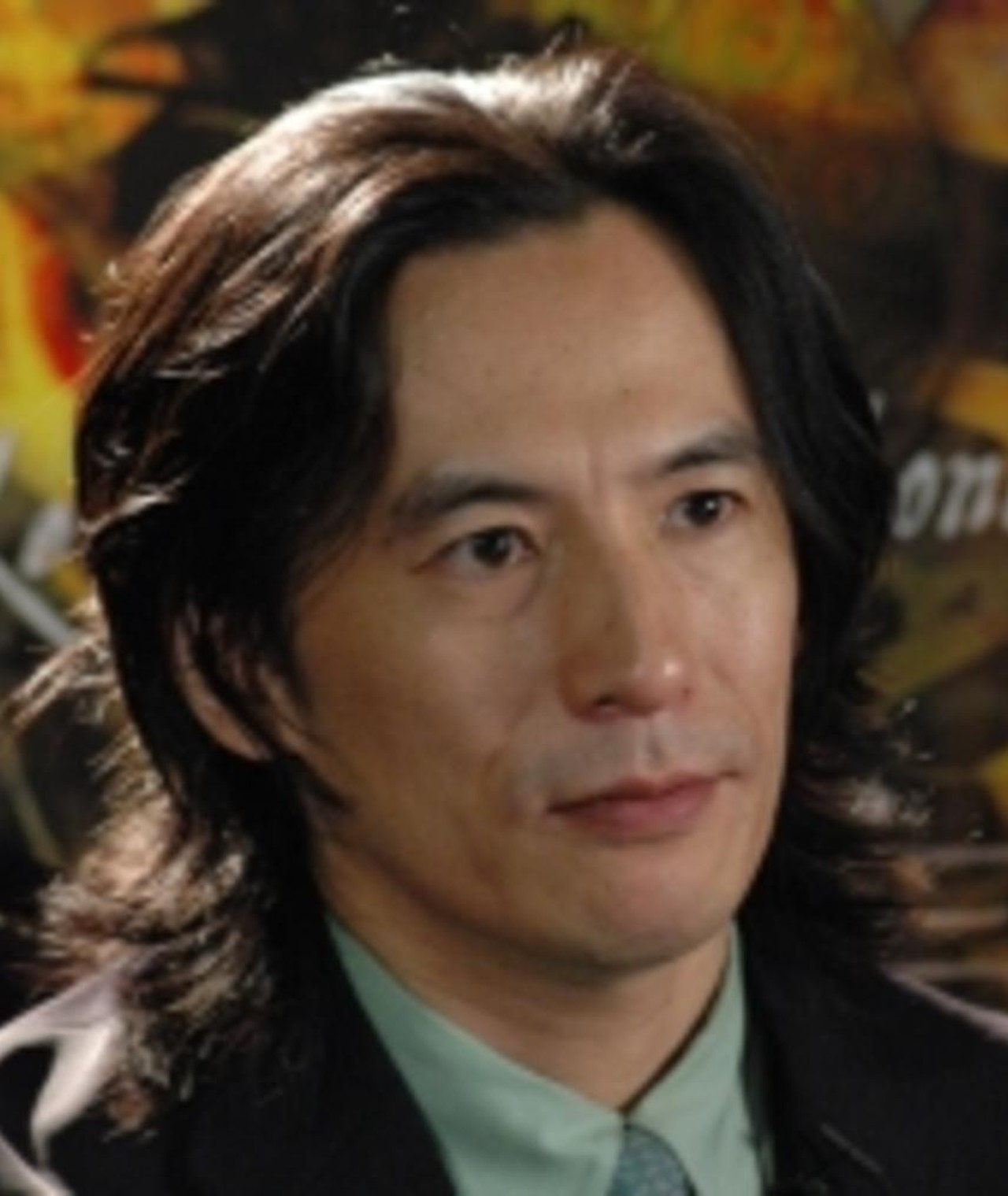
Mahiro Maeda
 Japan
Japananimation director•animator•film director
Birthday
March 14, 1963
Birth Sign
Pisces
Birthplace
Yonago, Tottori Prefecture, Japan
Age
63 years old
About
Mahiro Maeda is a Japanese animation director, character designer, and animator whose career spans more than four decades. Born in Yonago, Tottori Prefecture, he has become known for a distinctive visual imagination that has left its mark on both anime and live-action cinema. Critics have called him one of the most imaginative visualists in the medium, a reputation built on work ranging from the surreal architecture of Gankutsuou: The Count of Monte Cristo to the gritty wasteland of Mad Max: Fury Road.
Maeda's current work includes contributing to the Neon Genesis Evangelion crossover in Final Fantasy XIV, and he recently announced his first art book, a career retrospective that fans have awaited for years. His role as a bridge between Japanese animation and global filmmaking continues to define his standing in the industry, with a following that spans devoted anime fans and mainstream cinephiles alike.
Early Life & Background
Details about Mahiro Maeda's childhood in Yonago remain scarce, but his path into animation began with a formative stint at Studio Ghibli. In the early 1980s, he contributed animation to Nausicaä of the Valley of the Wind (1984), Castle in the Sky (1986), and later Porco Rosso (1992). Those early years at Ghibli, working under Hayao Miyazaki, gave him a grounding in the craft of hand-drawn animation and a deep appreciation for world-building.
After leaving Ghibli, Maeda moved into production and mechanical design, lending his skills to series like Magic User's Club and The Vision of Escaflowne. His knack for intricate machinery and imaginative settings soon caught the attention of the emerging studio GONZO, where he would find a home for some of his most ambitious directorial work.
Career Growth
Maeda's breakthrough as a director came with Blue Submarine No. 6 (1998-2000), a GONZO series that showcased his flair for combining CGI with traditional animation. He followed that with Final Fantasy: Unlimited (2001-2002) and then the visually revolutionary Gankutsuou: The Count of Monte Cristo (2004-2005), which used layered textures to create a sumptuous, otherworldly aesthetic.
His international profile rose sharply in 2003 when he directed the two-part segment "The Second Renaissance" for The Animatrix, and provided key animation for the anime sequence in Quentin Tarantino's Kill Bill Vol. 1. In 2015, George Miller brought Maeda on board to contribute concept art and design for Mad Max: Fury Road, a film that would go on to win six Academy Awards. That collaboration nearly led to an anime version of Furiosa, with Maeda attached to direct; though the project became live-action, elements of his designs carried over.
More recently, Maeda has contributed to the Neon Genesis Evangelion crossover in Final Fantasy XIV, and in 2025 he revealed a personal connection to Nausicaä during a public appearance. His first art book, Maeda Mahiro Zatsu Gashu, was announced in May 2024.
Career Timeline
Public Image & Style
Maeda is regarded as a quiet but influential figure in animation, known for a visual style that blends baroque detail with mechanical precision. Critics and fans often point to Gankutsuou as his most distinctive work, praising its use of texture to create a painterly, almost hallucinatory quality. He has a reputation for being generous with younger animators, and his willingness to work across mediums, from TV anime to Hollywood blockbusters, has earned him respect beyond the anime community.
His fandom includes both hardcore anime enthusiasts and mainstream film buffs, a crossover that became especially apparent after Mad Max: Fury Road. On social media, he engages with fans in a low-key manner, sharing occasional sketches and announcements rather than personal musings.
Fame & Fandom
While Mahiro Maeda does not command the frenzied, ritualistic adoration seen in idol culture or the organized campaigns of voice actor fandoms, his legacy is built on a different kind of reverence. There is no formal name for his supporters, nor are there fan-funded billboards or subway ads; instead, his audience consists of animators and cinephiles who revere his work as a masterclass in visual storytelling. His influence stems entirely from the innovation of his art rather than personal celebrity, creating a quiet but profound connection with those who study the intersection of Western action aesthetics and Japanese animation sensibilities.
The narrative surrounding Maeda often centers on the legendary near-collaboration where *Furiosa: A Mad Max Saga* was initially conceived as an anime project under his direction before pivoting to George Miller's live-action vision. This story has become a staple of industry lore, highlighting how his distinct style helped shape one of the most acclaimed action films of the 21st century. His contributions to the *Neon Genesis Evangelion* franchise, particularly his role as chief animation director for *The End of Evangelion*, further cement his status as a pillar of the medium. Despite this towering reputation, iFANN's Global Fame Engine has evaluated him, but he currently holds no placement in the published rankings. Mahiro Maeda is not currently ranked within the Global Top 1,000 or any Top-100 scope list. The absence of a numeric score reflects his standing as a highly respected industry professional whose fame is rooted in artistic output rather than mass-market consumption metrics. While he lacks the viral moments that drive typical pop culture charts, his impact remains undeniable through his rare convention appearances and the enduring discussion of his career-spanning work.
Interesting Facts and Legends
Mahiro Maeda designed two of the Angels in *Neon Genesis Evangelion*, though he never worked as a series regular on the show. He maintains a long-running habit of embedding references to classic science fiction within his background designs. In 2021, he publicly reviewed *Evangelion: 3.0+1.0 Thrice Upon a Time* in a forum, praising its emotional resolution. Known to sketch constantly during meetings, he fills notebooks with character doodles that occasionally find their way into final designs. His Twitter handle is @MaedaMahiro, where he shares occasional behind-the-scenes looks at his process.
A defining moment in modern animation lore involves the development of *Furiosa: A Mad Max Saga*. Reports indicate the project began as an anime directed by Maeda before being transformed into the live-action film under George Miller, a pivot that fans cite as a unique convergence of Maeda's visionary style and Miller's practical effects. Additionally, his work on *The End of Evangelion* and the short film *Gala* remains essential viewing for enthusiasts. The 2024 release of his first art book, *Mahiro Maeda Zatsu (Thats)*, marked a significant milestone for collectors, offering a comprehensive retrospective of his lifetime of work. His involvement in the emerging cross-media events involving Godzilla and Ultraman alongside Hideaki Anno places him at the center of major cultural discussions among industry observers.
Notable Quotes
“I want to create worlds that feel real, even if they are completely imaginary.”
“Animation is not just about moving pictures; it's about moving emotions.”
“Working with George Miller was a dream. He understands the power of visual storytelling.”
“My time at Ghibli taught me that every frame matters.”
Family & Personal Life
Public information about Mahiro Maeda's family is limited. He has not shared details about his parents or siblings in interviews. He keeps his personal life private, and there are no confirmed reports about a spouse or children. His focus remains on his work, and he has spoken about the importance of mentorship in the animation industry, citing his early days at Studio Ghibli as formative.
Notable Connections
Relationships & Dating History
Mahiro Maeda has kept his romantic life out of the public eye. There are no confirmed relationships, marriages, or divorces reported in any reliable source. He has never been linked to a partner in the media, and he does not discuss personal matters in interviews. As of 2026, his relationship status remains unknown, and he appears to prioritize his privacy and career.
Salary, Net Worth In 2026
As of 2026, Mahiro Maeda's net worth is not publicly documented, and reliable estimates are scarce. His income derives primarily from his work as a director, character designer, and animator, with long-running projects like Final Fantasy XIV and international ventures such as Mad Max: Fury Road contributing to his earnings. Given the commercial success of the series he has worked on and his steady presence in the industry for over four decades, his financial standing is likely comfortable, though exact figures remain private.
Maeda has not been known for major business ventures or endorsements, focusing instead on creative work. His art book, announced for 2024, may add to his income, but the bulk of his wealth is likely tied to his directorial fees and royalties from the many productions he has shaped.
Awards & Accolades
Known For
Neon Genesis Evangelion
1995 · Angel Designer
The Animatrix
2003 · Director (The Second Renaissance)
Kill Bill Vol. 1
2003 · Key Animator (Anime Sequence)
Gankutsuou: The Count of Monte Cristo
2004 · Director
Mad Max: Fury Road
2015 · Concept Artist / Designer
Blue Submarine No. 6
1998 · Director
Keywords
Sources
Quick Facts
- Profession
- animation director, animator, film director
- Born
- March 14, 1963
- Birthplace
- Yonago, Tottori Prefecture, Japan
- Gender
- Male
- Birth Sign
- Pisces
- Years Active
- 1980s–present
Frequently Asked Questions
What is Mahiro Maeda known for?
What are some of Mahiro Maeda's directorial works?
Did Mahiro Maeda work on Mad Max: Fury Road?
What is Mahiro Maeda's birthdate and birthplace?
Has Mahiro Maeda released an art book?
Social Media
Join the community
fans discussing