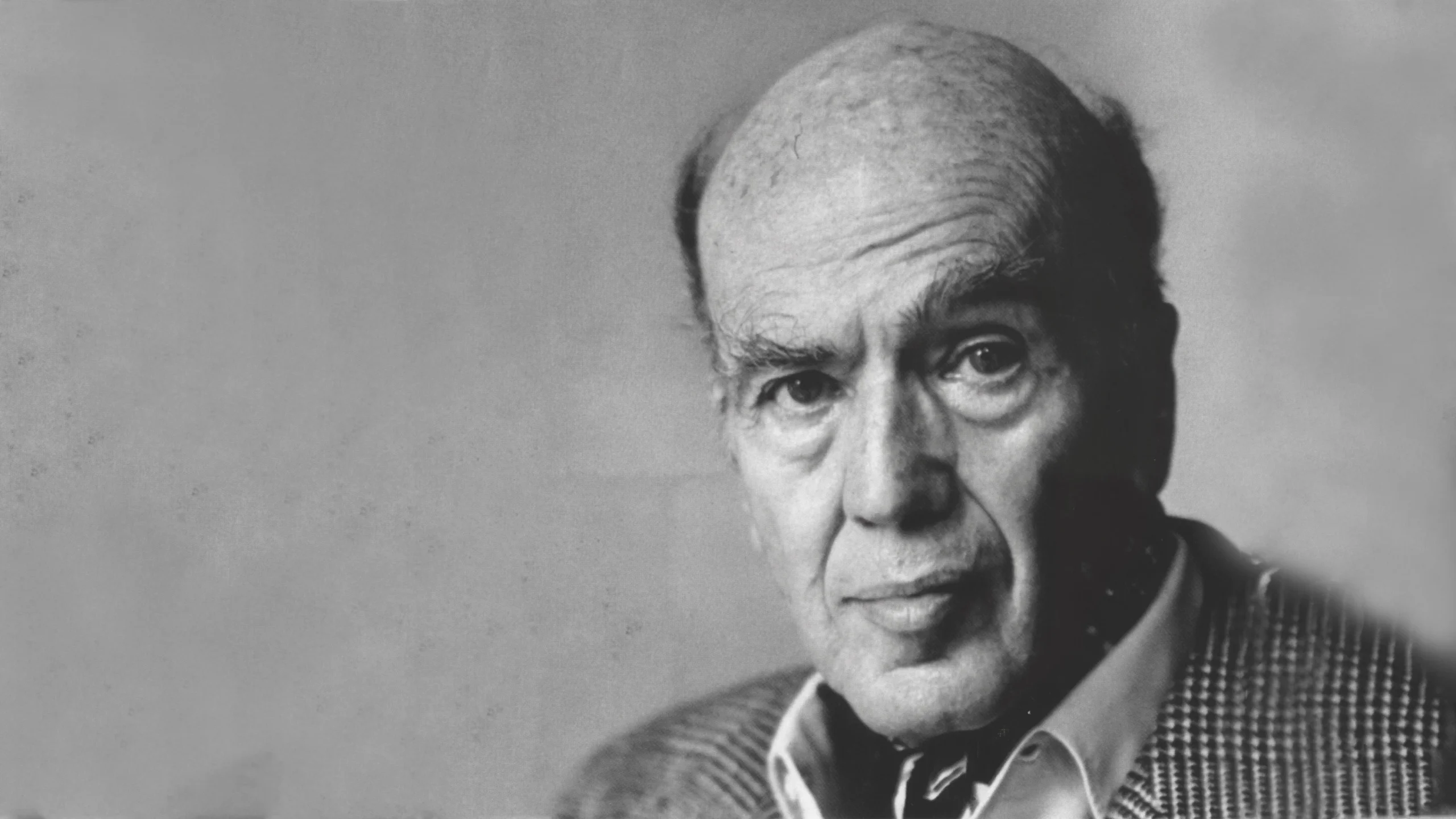
Luis Barragán
 Mexico
Also known as: Luis Ramiro Barragán Morfín
Birthday
March 9, 1902
Birth Sign
Pisces
Birthplace
Guadalajara, Mexico
Age
Died at 86
About
Luis Barragán was a Mexican architect and urban planner whose work reshaped modern architecture with its emotional use of color, light, and texture. He is the only Mexican to have received the Pritzker Prize, which he won in 1980, and his Casa Luis Barragán in Mexico City became a UNESCO World Heritage Site in 2004. His buildings are studied and visited by architects and students from around the world, drawn to the serene, contemplative spaces he created.
Barragán's approach was deeply personal, rooted in a love for Mexican tradition and a belief that architecture should evoke feeling. His use of vibrant pinks, yellows, and oranges against rough stone and wood, along with his careful manipulation of natural light, gave his spaces a quiet, almost spiritual quality. Today, his legacy continues through exhibitions and the work of the Barragán Foundation, which preserves his archive and promotes his ideas.
Early Life & Background
Luis Ramiro Barragán Morfín was born in Guadalajara, Mexico, on March 9, 1902, into a well-off family. He grew up on a ranch in the nearby countryside, an experience that would later inform his love for nature and rural life. He studied engineering at the Escuela Libre de Ingenieros, graduating in 1925, and then took additional courses to qualify as an architect. This dual training gave him a solid technical base, but his real education came from travel.
In the late 1920s, Barragán traveled to Europe, where he encountered the writings of Ferdinand Bac, a French painter and garden designer. Bac's ideas about the emotional power of gardens and the importance of memory made a lasting impression. Barragán also visited the Alhambra in Spain and the Mediterranean coast, absorbing the interplay of light, water, and architecture. These influences stayed with him when he returned to Guadalajara, where he began designing houses in the late 1920s. His early work was modest, but it already showed a sensitivity to space and a preference for simple, traditional materials.
By the early 1930s, Barragán had moved to Mexico City, where he worked on apartment buildings and residential projects. He also designed a series of gardens and public spaces, experimenting with the relationship between built form and landscape. It was during this period that he developed his signature style, moving away from the International Style toward a more personal, regional expression.
Career Growth
Barragán's breakthrough came in the 1940s when he began to fully develop his mature style. In 1945, he started work on the Pedregal development in Mexico City, a residential community built on a volcanic lava field. The project, which included his own house and studio (completed in 1948), showcased his ability to integrate architecture with the dramatic natural landscape. The Casa Luis Barragán, as it came to be known, is now considered a masterpiece of modern architecture, celebrated for its intimate scale, hidden courtyards, and glowing color.
Throughout the 1950s and 1960s, Barragán completed a series of important commissions, including the Chapel for the Capuchinas Sacramentarias (1955) and the Torres de Satélite (1957), a set of colorful concrete towers that became an icon of modern Mexico City. In 1968, he finished La Cuadra San Cristóbal, a horse estate and residence that is often regarded as the culmination of his ideas about light, water, and movement. The project's pink and white walls, along with its carefully choreographed water features, have made it a pilgrimage site for architects.
In 1980, Barragán received the Pritzker Prize, architecture's highest honor. The jury praised his ability to create spaces that are both poetic and functional. After his death in 1988, his influence only grew. In 2004, his house and studio were inscribed on the UNESCO World Heritage list, and in recent years, exhibitions and symposia have continued to explore his work, ensuring his place in the canon of modern architecture.
Career Timeline
Public Image & Style
Barragán's public image is that of a solitary, contemplative figure, a monk of modern architecture. He was known for his elegant dress and quiet demeanor, and he rarely gave interviews. In the media, he is often portrayed as a mystic who used color and light to create spiritual spaces. His work is celebrated for its emotional depth, and he is credited with bringing a distinctly Mexican sensibility to the international stage. Fans of his work, including many architects, make pilgrimages to his buildings, especially his house and studio, which is now a museum. His influence is so pervasive that many contemporary architects, such as Tadao Ando and David Chipperfield, have cited him as a major inspiration.
Fame & Fandom (iFAMOUS Rankings)
The architectural community has long treated Luis Barragán not merely as a historical figure but as a spiritual touchstone, with students and professionals making pilgrimages to his homes in Mexico City to experience the silence he engineered. This devoted following, lacking a formal name or social media subculture, operates through institutions like the Barragán Foundation, organizing retrospectives and preservation efforts that function as their version of fan campaigns. While pop stars rely on viral moments, Barragán's legacy is built on the quiet endurance of his buildings, which continue to define modern Mexican aesthetics decades after his passing. In August 2026, iFANN evaluated his standing within the global cultural landscape. The Global Fame Engine determined that Luis Barragán is currently EVALUATED_UNRANKED, meaning he does not hold a placement in the published Global Top 1,000 or any specific Top-100 scope list at this time. This absence from the rankings reflects his status as a revered master whose influence permeates professional circles rather than generating mass-market celebrity metrics. His fame remains deeply rooted in the specialized world of design, where his work is studied in universities worldwide rather than consumed through trending hashtags. Despite the lack of a numeric rank, the sheer scale of his impact is evident in the ongoing reopening of sites like La Cuadra San Cristóbal and the continued publication of scholarly works exploring his unique manipulation of light and color. The community that reveres him does so without the need for official branding, united instead by a shared appreciation for spaces that evoke deep contemplation.
Interesting Facts and Legends
Luis Barragán was known for his favorite color, a vivid pink he named 'rosa mexicano,' which appeared frequently on his structures. A passionate horseman, he integrated equestrian elements into his designs, most notably at La Cuadra San Cristóbal. He remained unmarried and childless, dedicating his life entirely to his work and gardens. Barragán cherished silence, often stating that a good building should serve as a refuge from the noise of the world. His personal library held over 2,000 volumes, heavily featuring philosophy and poetry, which served as a wellspring for his inspiration. Beyond these facts, architectural lore preserves the story of how advertising executives Pancho Gilardi and Martin Luque successfully convinced the reclusive architect to return from retirement for a final commission. The most enduring legend surrounds his tragic death; on November 22, 1988, he was shot inside his home in Mexico City. While officially recorded as a robbery gone wrong, the unresolved motive has fueled speculation about deeper conflicts, adding a layer of mystery to his final days. His completion of Casa Luis Barragán in 1948 stands as another iconic moment, establishing the signature style of saturated colors and interplay of light that would later earn him the Pritzker Prize in 1980.
Family & Personal Life
Barragán was born to a wealthy landowning family in Guadalajara. His father, Luis Barragán, and his mother, Ángela Morfín, provided a comfortable upbringing. He had several siblings, though little is known about them. He never married and had no children. In his later years, he lived alone in his house and studio in Mexico City, surrounded by his books and art. He was particularly close to his sister, who helped manage his household. His family's ranch in the countryside left a deep impression on him, and he often spoke of the importance of memory and childhood in his work.
Notable Connections
Barragán's work has been associated with contemporary artists and architects. In 2026, an exhibition at La Cuadra San Cristóbal paired his architecture with the work of Felix Gonzalez-Torres, exploring themes of absence and memory. The Barragán Foundation, led by his heirs, manages his archive and promotes his legacy. Photographers like Lake Verea have documented his buildings, and architects such as Tadao Ando have cited him as an influence.
Relationships & Dating History
Barragán never married and had no known romantic partners. He was a private person, and there is little public record of his personal relationships. Some biographers have speculated that he was gay, but this has never been confirmed. He lived alone for most of his adult life, dedicating himself to his architecture and his garden. At the time of his death in 1988, he was single.
Death & Aftermath
Died
November 22, 1988 (aged 86)
Death Place
Unknown
Cause of Death
Unknown
Net Worth (Estate Value)
$5 Million
iFANN Editorial Team estimate
Following his death in 1988, Luis Barragán's estate has been stewarded by the Barragán Foundation, established in 1995 to protect his archives and intellectual property. The foundation manages rights to his drawings, photographs, and models, licensing them for exhibitions and publications globally. Income is generated primarily through entrance fees and events at the Casa Luis Barragán museum, now a UNESCO World Heritage Site. Per iFANN's editorial analysis, the estate's net worth is estimated at $5 Million as of 2026, a figure derived from these steady posthumous revenue streams. The foundation also secures grants and donations specifically for preservation efforts, while the site's international heritage status has significantly bolstered its cultural and financial value. Although Barragán did not accumulate vast wealth during his lifetime, his posthumous earnings have remained consistent, driven by the enduring fascination with his serene and contemplative architecture.
Awards Won (1)
Barragán received the Pritzker Prize in 1980, the highest honor in architecture. He was the first and only Mexican to receive this award. His work was also recognized posthumously when his house and studio were designated a UNESCO World Heritage Site in 2004.
1980 · Architecture
Lifetime achievement
Known For
Casa Luis Barragán
1948 · Architect
La Cuadra San Cristóbal
1968 · Architect
Torres de Satélite
1957 · Architect
Keywords
Sources
Quick Facts
- Profession
- architect, urban planner
- Born
- March 9, 1902
- Birthplace
- Guadalajara, Mexico
- Died
- November 22, 1988
- Death Place
- Mexico City, Mexico
- Gender
- Male
- Birth Sign
- Pisces
Personal Details
- Full Name
- Luis Ramiro Barragán Morfín
- Education
- Engineering degree (1925), additional coursework in architecture
Frequently Asked Questions
Who was Luis Barragán?
When was Luis Barragán born and when did he die?
What is Luis Barragán most famous for?
Where was Luis Barragán born?
What are some of Luis Barragán's notable works?
Social Media
Similar People
Join the community
fans discussing