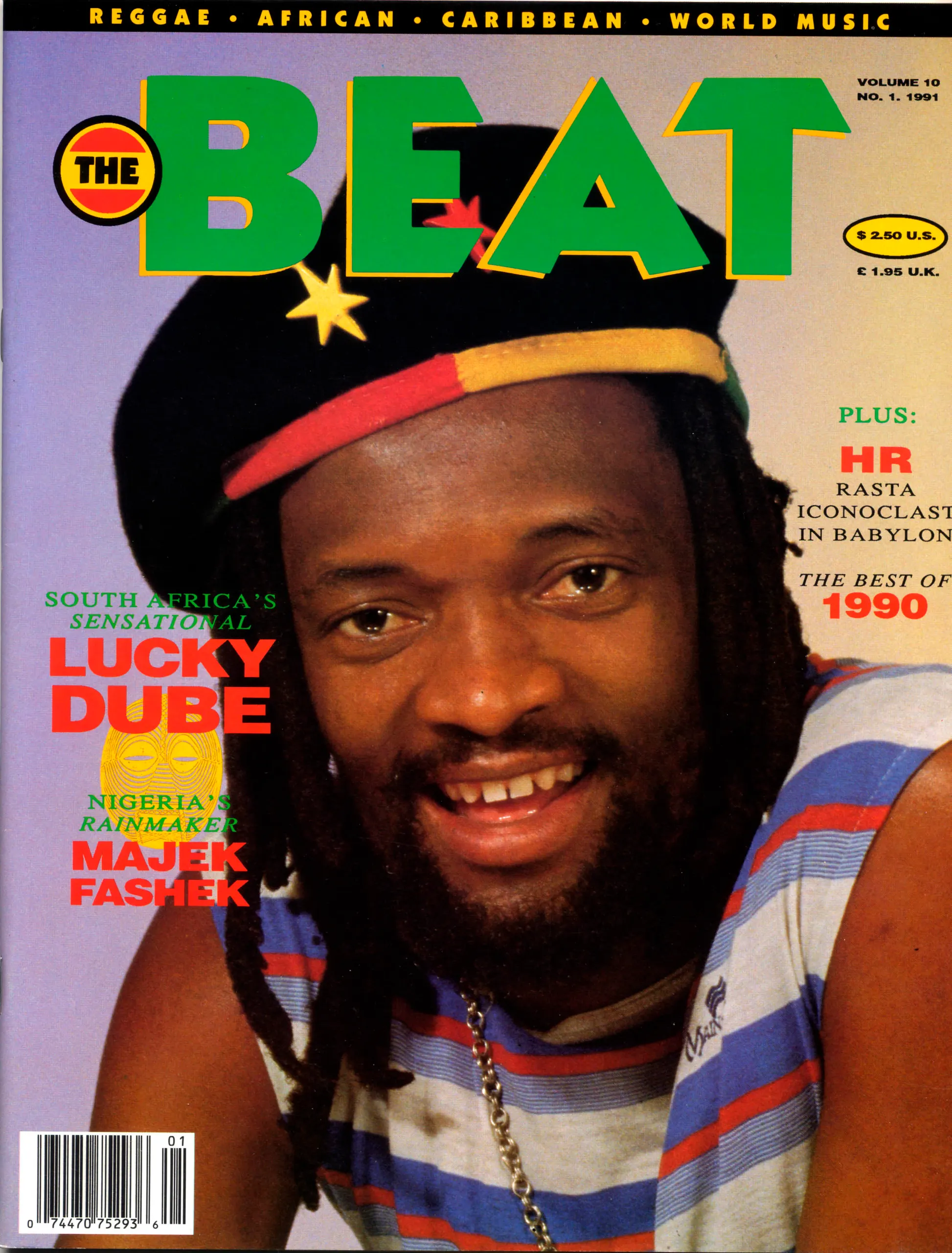
Lucky Dube
 South Africa
Also known as: Lucky Philip Dube, Ermelo Dube
Birthday
August 3, 1964
Birth Sign
Leo
Birthplace
Ermelo, Mpumalanga, South Africa
Age
Died at 43
About
Lucky Philip Dube was a South African reggae singer, songwriter, and guitarist who became the continent's most successful reggae artist during his lifetime. Born in Ermelo, he used his music to bridge linguistic divides across post-apartheid South Africa by singing in Zulu, English, and Afrikaans. His powerful voice and politically charged lyrics addressed issues of poverty, corruption, and social justice, earning him millions of records sold and four multi-platinum certifications. He passed away on October 18, 2007, leaving behind a legacy that continues to influence music and social movements across Africa.
At the time of his death, Dube had recorded 22 studio albums over a 25-year career. He was celebrated for blending traditional reggae sounds with indigenous South African rhythms, creating a unique musical identity that resonated with diverse audiences. His work transcended borders, making him a global ambassador for African music and a symbol of resistance against oppression.
Early Life & Background
Growing up in a modest household in rural Ermelo, Lucky Philip Dube found his first musical expression in church choirs and local talent shows. His father worked as a teacher while his mother served as a domestic worker, yet the young boy showed a remarkable aptitude for music despite limited resources. He attended local schools in Ermelo but eventually left formal education to pursue his passion for singing and guitar playing full-time. The harsh realities of life in the townships deeply shaped his artistic direction, fueling a desire to use his platform for social change.
In the late 1980s, Dube joined a local band called The Rastafarians, where he honed his songwriting and performance skills. This period was marked by financial instability and limited access to professional recording studios, forcing him to perform at small venues and community events. A pivotal moment arrived in 1990 when he signed with Gallo Record Company, which provided him with the production resources and distribution network needed to reach a wider audience. This partnership launched his solo career with the release of his debut album, setting the stage for his rise to international fame.
Career Growth
Dube released his debut solo album Babal'omunye in 1988, marking the beginning of a prolific career that would span 25 years. His breakthrough came in 1990 after signing with Gallo Records, leading to the release of Siyayikhumbula which gained national attention. By 1992, he had released Black President, an album critiquing political corruption that became one of his most iconic works. Following the end of apartheid in 1994, his popularity surged with releases like Ngiyazama and Umqhele Wababa.
In 1996, Dube achieved a historic milestone by winning the Best Selling African Musician award at the World Music Awards, becoming the first African reggae artist to receive this honor. Throughout the late 1990s and early 2000s, he continued to release successful albums including Mama Africa, Freedom, and Ubuntu, maintaining commercial success with multiple platinum certifications. His final studio album, Remember Me, was released in 2007 shortly before his death. Posthumous releases such as The Very Best of Lucky Dube in 2008 and Live in Concert in 2010 kept his music alive for new generations.
Career Timeline
Public Image & Style
Dube is portrayed as a voice for the voiceless, a symbol of resistance, and a unifying figure in African music. His content blends social commentary with spiritual themes, delivered through soulful melodies and raw vocals. He adopted a signature style featuring Rasta-inspired attire and dreadlocks, projecting a dignified stage presence that commanded respect. Media outlets consistently recognized him as a leader in world music, praising his ability to address complex political issues through accessible and uplifting songs. His image remains that of a martyr for social justice, revered for his courage in speaking truth to power.
Fame & Fandom (iFAMOUS Rankings)
iFANN has evaluated Lucky Dube's global profile, but he does not currently hold a placement in the published rankings (Global Top 1,000 or scope lists). While he lacks a formal fandom name or organized structure typical of modern pop stars, his audience sustains an organic, pan-African reverence for the artist who gave voice to the oppressed. This devotion manifests through enduring cultural rituals, such as the ongoing tours by the Lucky Dube Band and the establishment of the Lucky Dube School of Performing Arts. The community celebrates his unique ability to bridge linguistic divides by uniting audiences across Zulu, English, and Afrikaans speaking regions, treating his music as a shared heritage rather than mere entertainment. While no specific fan club exists, the collective emotional weight of his murder and the subsequent mythos of his martyrdom have created a profound, silent solidarity among listeners who view him as a political symbol and a saint of social justice.
Interesting Facts and Legends
Dube wrote songs in three languages, Zulu, English, and Afrikaans, to unite post-apartheid audiences and bridge cultural divides. He was known for refusing to perform at venues that supported apartheid policies, standing firm on his principles even when it meant lost income. His murder sparked nationwide protests and calls for safer environments for artists across the continent. Folklore often highlights his close bond with Thuthulani Cele, his right-hand man, whose loyalty became symbolic of Dube's inner circle. Modern validation of his legend arrived with the opening of the Lucky Dube School of Performing Arts in Mpumalanga, cementing his transition from singer to educational icon. Fans frequently recount how his lyrics about poverty and corruption created a deep emotional connection, turning his life into a cautionary tale for generations of musicians.
Notable Quotes
“Music is the weapon of the future.”
“I sing for those who cannot speak.”
“Our pain must become our power.”
Family & Personal Life
Lucky Dube was married twice. His first marriage to Thandiwe Dube ended without public details regarding children. His second marriage to Nomsa Dube produced three children: Thokozani "TK" Dube, Luyanda Dube, and Zinhle Dube. TK Dube has continued his father's musical legacy, performing with the Lucky Dube Band and managing the estate. The family resides in South Africa, where they maintain the legacy of the late singer through various charitable initiatives and the Lucky Dube Foundation, which supports youth arts programs.
Notable Connections
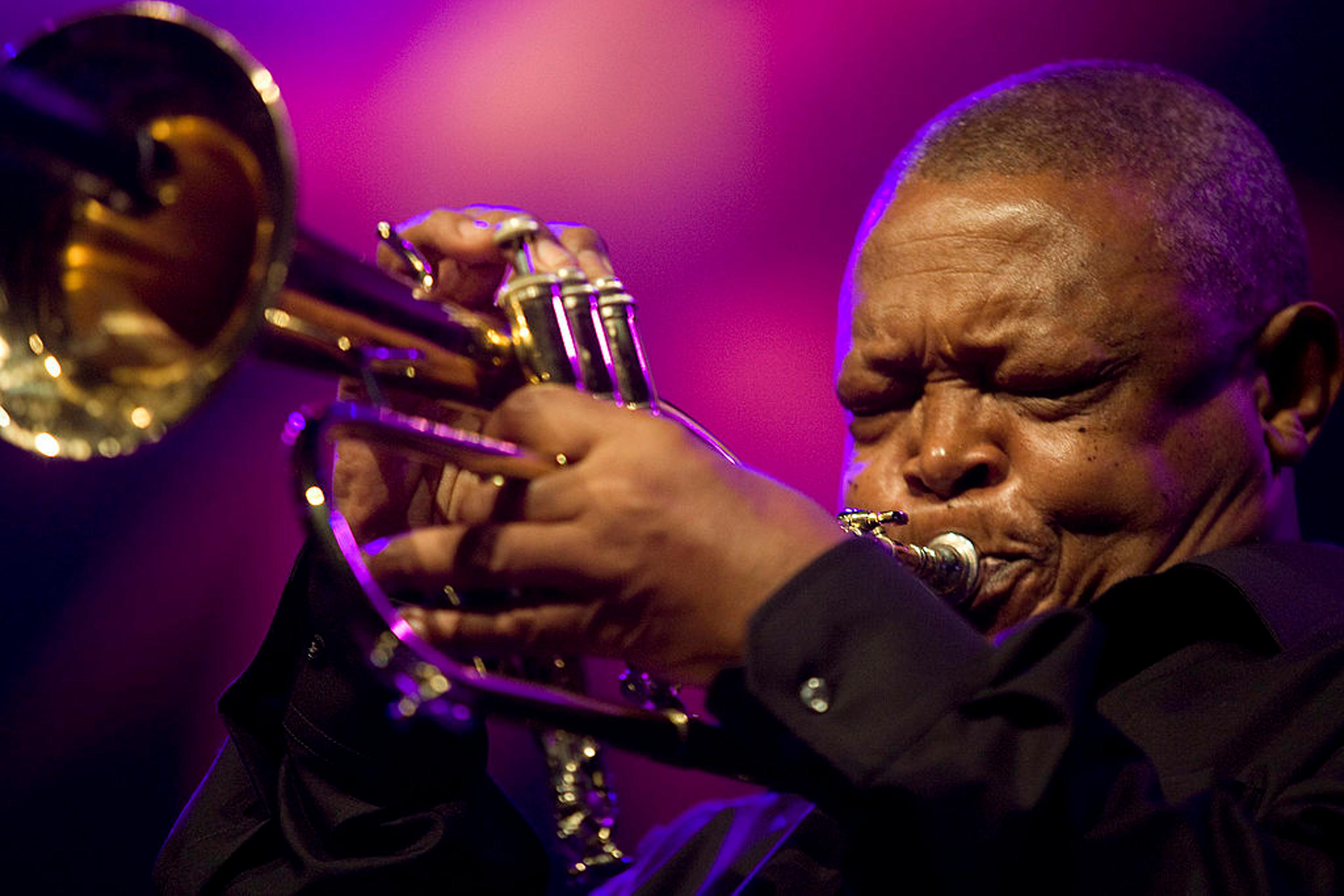
Thuthulani Cele, Hugh Masekela, Paul Simon, TK Dube.
Relationships & Dating History
Lucky Dube was married twice during his lifetime. His first marriage was to Thandiwe Dube, though few public details exist regarding the dates or duration of this union. He later married Nomsa Dube, with whom he had three children: Thokozani "TK" Dube, Luyanda Dube, and Zinhle Dube. TK Dube has since taken on the role of managing his father's musical legacy and performing with the Lucky Dube Band. There are no widely documented romantic relationships outside of these marriages, and no credible sources report engagements, divorces, or high-profile flings prior to his death. As of 2026, Lucky Dube is deceased, and his relationship status remains widowed.
- MarriedThandiwe DubeFirst wife; details of marriage dates unknown.
- MarriedNomsa Dube? - 2007Second wife; mother of his three children.
Death & Aftermath
Died
October 18, 2007 (aged 43)
Death Place
Fourways, Johannesburg, South Africa
Cause of Death
Homicide by gunshot wound to the head
The family of Lucky Dube confirmed the fatal shooting at his Fourways residence on October 18, 2007, shortly after he was rushed to Milpark Hospital and pronounced dead on arrival. The incident occurred around 5:30 PM while the musician was inside his home speaking with a visitor when an intruder fired a single shot into his forehead. Police initially investigated the event as a robbery gone wrong but quickly shifted focus toward a targeted attack given Dube's history of criticizing government corruption, though the investigation has faced significant delays and remains unsolved with no convictions as of recent reviews. Tributes poured in immediately from peers like Hugh Masekela and Paul Simon, who honored him as a voice for the voiceless, while fans gathered at his home and hospital site to lay flowers and mark the loss of Africa's most successful reggae artist.
A massive state funeral took place on October 25, 2007, in his hometown of Ermelo, where President Thabo Mbeki delivered a eulogy before thousands of mourners witnessed the burial in the family cemetery. His estate continues to manage his legacy through his son Thokozani TK Dube, who performs with the band, while foundations support youth arts programs and new institutions like the Lucky Dube School of Performing Arts opened in Ermelo to honor his impact.
Net Worth (Estate Value)
$1.4 Million
iFANN Editorial Team estimate
Research by the iFANN Editorial Team puts Lucky Dube's estate value at approximately $1.4 million as of 2026. The fortune stems primarily from music royalties and streaming revenue generated by his extensive catalog of 22 studio albums. Licensing deals for film, TV, and documentaries continue to provide steady income, alongside merchandise sales and performances by the Lucky Dube Band managed by his son TK. The estate's financial trajectory has remained stable, with digital platforms driving renewed interest in his work decades after his passing. Royalties from past recordings and intellectual property rights form the core of the estate's earnings, ensuring his legacy remains financially viable for his heirs.
Awards Won (3)
Lucky Dube won the Best Selling African Musician award at the World Music Awards in 1996, becoming the first African reggae artist to receive this honor. He also secured five OK TV Awards for Best Reggae Artist and Best Album during his career. Posthumously, he received recognition from various South African institutions, including induction into the South African Music Hall of Fame and being named one of the 100 Greatest Africans by Africanews in 2020.
1996 · World Music Awards
Overall contribution to African music
1997 · OK TV Awards
N/A
Known For
Black President
1992 · Album
Mama Africa
1998 · Album
Remember Me
2007 · Album
Keywords
Sources
Quick Facts
- Profession
- singer, songwriter, guitarist
- Born
- August 3, 1964
- Birthplace
- Ermelo, Mpumalanga
- Died
- October 18, 2007
- Gender
- Male
- Birth Sign
- Leo
Personal Details
- Full Name
- Lucky Philip Dube
- Spouse
- Nomsa Dube
- Children
- Thokozani "TK" Dube, Luyanda Dube, Zinhle Dube
- Education
- Local schools in Ermelo (left early)
Frequently Asked Questions
Who was Lucky Dube?
How did Lucky Dube die?
What was Lucky Dube's biggest hit?
Does Lucky Dube have any children?
Is there a Lucky Dube school?
Social Media
Join the community
fans discussing