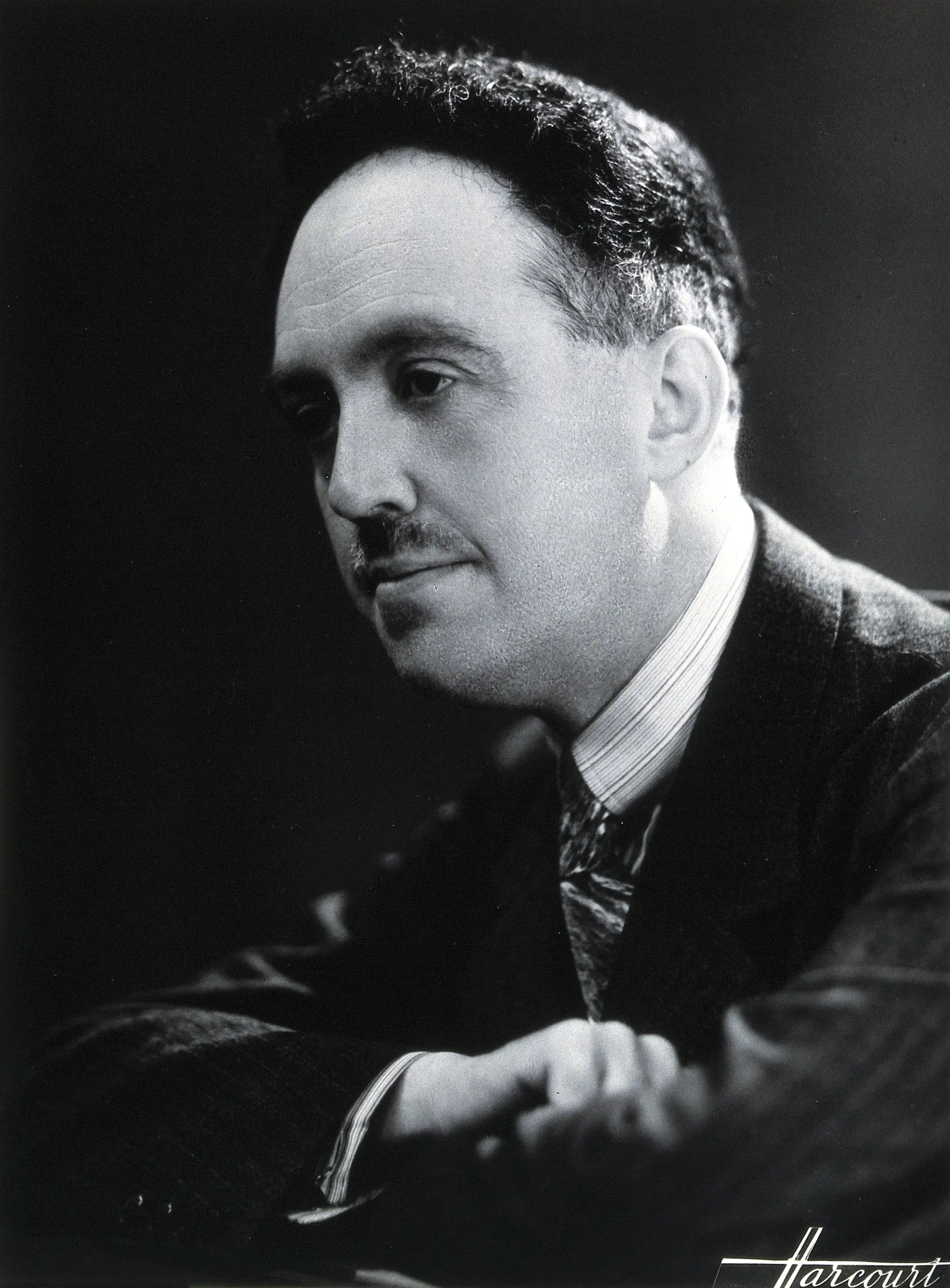
Louis de Broglie
Awards & Honours
3
Awards Won
8
Honours
3
Records
Louis de Broglie's Nobel Prize in 1929 placed him among the most influential physicists of the 20th century. He was the first to propose wave-particle duality, a concept that fundamentally changed our understanding of matter and energy. The de Broglie wavelength formula is a standard tool in quantum mechanics, taught worldwide. His call for an international laboratory led directly to the creation of CERN, one of the most important scientific institutions. He also received the inaugural Kalinga Prize for his dedication to making science accessible, a rare honor for a theoretical physicist. His election to the Académie Française, a body traditionally focused on literature, underscores his broad intellectual impact.
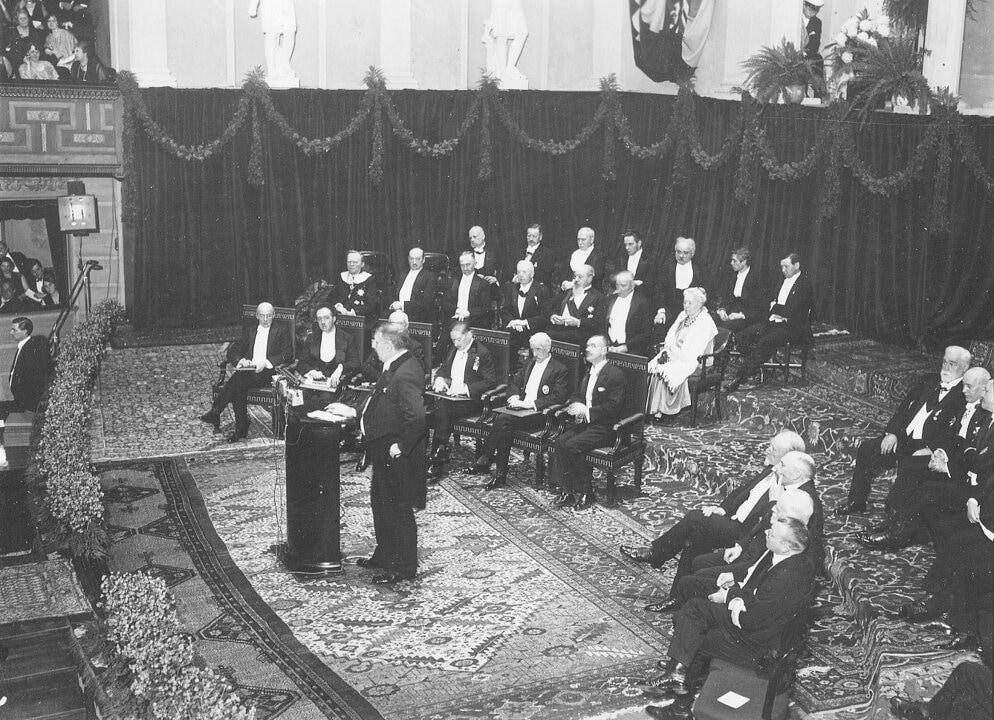
Awards
Honours & Distinctions
7th duc de Broglie
Hereditary title inherited upon his brother Maurice's death
Perpetual Secretary of the French Academy of Sciences
Highest administrative role in the academy
Member of the Bureau des Longitudes
Appointed to this scientific institution
Adviser to the French Atomic Energy Commissariat
Scientific advisory role
Honorary President of the French Association of Science Writers
Honorary leadership role
Foreign Member of the Royal Society
Elected as a foreign member
Member of the French Academy of Sciences
Elected member
Member of the Académie Française (Seat 1)
Elected to the literary academy
Records & Feats
First scientist to propose an international laboratory leading to CERN
De Broglie was the first high-level scientist to call for a multinational laboratory, a proposal that led to the creation of the European Organization for Nuclear Research (CERN).
One of the longest-lived Nobel laureates in physics
He lived to age 94, making him one of the most long-lived Nobel Prize winners in physics.
Inaugural recipient of the Kalinga Prize
He was the first person to receive the Kalinga Prize from UNESCO for science popularization.