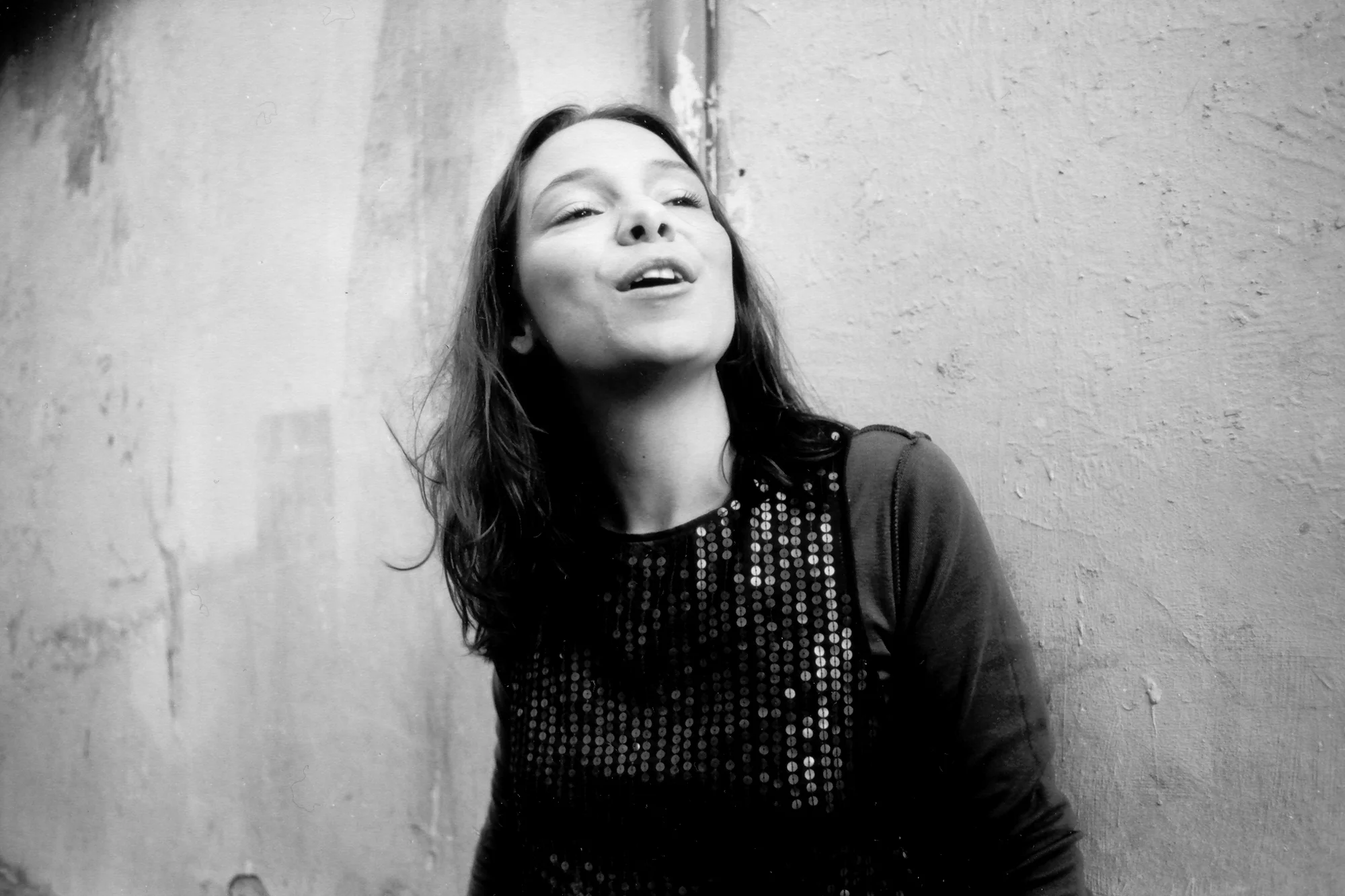
Lhasa de Sela
 Mexico
Also known as: Lhasa
Birthday
September 27, 1972
Birth Sign
Libra
Birthplace
Big Indian, New York, United States
Age
Died at 37
About
Lhasa de Sela was an American singer-songwriter whose music crossed borders effortlessly. Born in Big Indian, New York, she grew up between Mexico and the United States, and later made homes in Canada and France. Her deep, husky voice and emotionally charged songs earned her a devoted international following, especially in Quebec, France, and Mexico.
She released three studio albums over her career: La Llorona (1997), The Living Road (2003), and the self-titled Lhasa (2009). The first went platinum in Canada and won a Juno Award. She was named Best World Music Artist of the Americas by BBC Radio 3 in 2005.
Lhasa died on January 1, 2010, in Montreal, after a 21-month battle with breast cancer. She was 37. Her music continues to reach new listeners, and her legacy was celebrated with tribute concerts in 2024.
Early Life & Background
Lhasa de Sela was born to an American mother, Alexandra Karol, and a Mexican father, Alejandro de Sela. She was the second of three sisters, along with Ayelen and Sky. The family lived in Big Indian, New York, where her parents ran a small restaurant. But home was never fixed for long. They traveled constantly between the United States and Mexico, often in a school bus, and the girls were educated at home by their mother.
This nomadic upbringing exposed Lhasa to a rich mix of cultures and sounds. She grew up bilingual in English and Spanish, and her father introduced her to music, literature, and art from both sides of the border. As a teenager, she joined a French circus troupe called Les Pigeons du Chaos with her sisters. The troupe toured Europe, and Lhasa began performing and developing her stage presence.
In the early 1990s, she settled in Montreal, where she started singing her original Spanish-language songs in small clubs. Her raw, haunting voice quickly drew attention, and she began building a local following. That led to her first recording contract and the sessions that would become La Llorona.
Career Growth
Lhasa's debut album, La Llorona, arrived in 1997 and became an instant classic. Sung almost entirely in Spanish, it blended folk, rock, Latin, and gypsy influences into something entirely her own. The album went platinum in Canada, won a Juno Award for Best Global Music Album, and earned a Félix Award. It also brought her international attention, and she toured widely, including appearances on the Lilith Fair circuit.
Her second album, The Living Road, came out in 2003. Recorded in Marseille, France, where she lived for several years, it expanded her sound with French chanson and American folk. She continued to collaborate with her sisters' circus performances, and in 2005 BBC Radio 3 named her the best world music artist of the Americas.
In 2008, Lhasa was diagnosed with breast cancer. She recorded her third album, Lhasa, while undergoing treatment, completing it just before her death. The album was released posthumously in 2009 and was praised for its intimate, stripped-down production. It stands as a powerful final statement.
Career Timeline
Public Image & Style
Lhasa de Sela cultivated a deliberately mysterious and bohemian public image. She rarely gave interviews and shied away from the trappings of celebrity. Her music, however, spoke volumes, and critics often described her as a "sorceress of the soul." Her live performances were known for their intimacy; she would often close her eyes and seem lost in the music, yet the audience felt a powerful connection.
Her fandom, while not massive, is intensely devoted, particularly in Canada, France, and Mexico. She never had an official fandom name, but her influence has been acknowledged by contemporary artists like Feist and Calexico, who performed at tribute concerts in her honor.
Fame & Fandom (iFAMOUS Rankings)
Lhasa de Sela commands a devoted but niche global following, with her music resonating deeply across North America and Europe rather than dominating mainstream charts. iFANN has evaluated her profile as of August 2026, yet she currently holds no placement in the published Global Top 1,000 rankings or any scope-specific top-100 lists. Her audience remains an organic community of world music enthusiasts and indie folk listeners who discovered her voice through streaming platforms and posthumous appreciation, totaling approximately 300,000 monthly listeners on Spotify alone. Unlike pop stars with organized stan armies, her fanbase operates without a formal name or centralized campaigns, preferring quiet devotion over public spectacle. This scattered loyalty found its most visible expression in the 2024 Pop Montreal festival, where high-profile artists gathered in Mile End to honor her life and work. The lack of a structured fandom reflects her status as an underground cult figure whose influence grew slowly after her passing, rather than a deficit of passion. Fans interact with her legacy primarily by revisiting her three studio albums and advocating for her recognition through biographies and tributes. While she never sought conventional fame, her emotional delivery created a mythos that persists decades later, drawing new generations into her orbit without the need for chart-topping hits or viral moments.
Interesting Facts and Legends
Lhasa's parents chose her name for its phonetic beauty rather than the Tibetan capital. Raised in a household valuing art over material comfort, she carried this ethos into her career despite her shyness on stage. She recorded her final album while battling cancer, finishing it just weeks before she died. Her music maintains hundreds of thousands of monthly listeners on Spotify today. A widely retold story among fans concerns the completion of her third album, titled Lhasa, months before her death; listeners often treat this record as a poignant farewell rather than a standard discography entry. Another foundational legend involves the shockwave caused by her debut album La Llorona, which confused critics with its genre-defying blend of Spanish, English, French, and Portuguese. Recent lore also highlights her April 2009 rehearsals in Montreal, where footage shows her preparing for a tour while ill, underscoring her relentless creative drive. These narratives form a quiet mythology around her premature departure and the enduring mystery of her voice.
Notable Quotes
“I don't really know how to explain what I do. I just sing what I feel.”
“Music is a way of being in the world, not a way of escaping it.”
“I have always been drawn to the spaces between languages, between cultures.”
Family & Personal Life
Lhasa's parents, Alexandra Karol and Alejandro de Sela, raised her and her sisters, Ayelen and Sky, in a deeply unconventional home. The family moved constantly between the United States and Mexico, and the girls were homeschooled. Her father exposed them to music and literature, while her mother taught them academics and practical skills.
Her sisters were also artists and performers. Together, they joined the French circus troupe Les Pigeons du Chaos, and they collaborated on various creative projects over the years. Lhasa never married and had no children. After her death, her family, especially her sisters, managed her estate and have overseen posthumous releases and tribute events.
Notable Connections
Relationships & Dating History
Lhasa de Sela was a fiercely private person, and little is known about her romantic life. She never married and had no children. No specific partners have been publicly documented, and she kept her personal relationships out of the public eye. At the time of her death, she was not known to be in a relationship. Her family and friends remember her as a romantic soul who lived life on her own terms, but the details of her intimate relationships remain private.
Death & Aftermath
Died
January 1, 2010 (aged 37)
Death Place
Montreal, Quebec, Canada
Cause of Death
Complications from breast cancer
Lhasa de Sela died on January 1, 2010, in Montreal, Quebec, Canada. The singer-songwriter passed away at age 37 following a diagnosis of breast cancer received in 2008. Her final professional chapter involved recording her self-titled third album while undergoing treatment, completing the project just before her health declined. Tributes arrived swiftly from major publications like The New York Times and The Guardian, which described her as an uncompromising artist whose multilingual work crossed borders effortlessly. Her family kept funeral arrangements private, offering no public details regarding burial or cremation services. Public remembrance has since evolved into musical tributes rather than traditional vigils, including a significant concert series held at Pop Montreal in September 2024 that honored her global impact. Posthumous releases included her final album, Lhasa, which stood as a powerful statement of intimate production released after her death. A comprehensive biography titled The Romantic, Uncompromising, Audacious Life of Lhasa de Sela appeared in 2019 to highlight her significance within the music world.
Net Worth (Estate Value)
$5 Million
iFANN Editorial Team estimate
Per iFANN's editorial analysis, Lhasa de Sela's net worth at the time of her death in 2010 was modest by celebrity standards, though her estate now totals $5 Million. Her debut album La Llorona achieved platinum status in Canada, and her recordings have remained popular on streaming platforms. As of 2026, her music receives hundreds of thousands of monthly streams on Spotify alone. Her estate, managed by her family, earns income from album sales, streaming royalties, and licensing for films and television. The posthumous release of her third album Lhasa added to the catalog's value. While exact figures are not public, the current valuation reflects the sustained commercial viability of her unique artistic legacy.
Awards Won (3)
1998 · Best Global Music Album
La Llorona
1998 · World Music Album
La Llorona
Known For
La Llorona
1997 · Album
The Living Road
2003 · Album
Lhasa
2009 · Album
Keywords
Sources
Quick Facts
- Profession
- singer-songwriter
- Born
- September 27, 1972
- Birthplace
- Big Indian, New York, United States
- Died
- January 1, 2010
- Death Place
- Montreal, Quebec, Canada
- Gender
- Female
- Birth Sign
- Libra
Personal Details
- Full Name
- Lhasa de Sela
- Education
- Home-schooled
Frequently Asked Questions
How did Lhasa de Sela die?
What languages did Lhasa de Sela sing in?
What is Lhasa de Sela's most famous song?
Was Lhasa de Sela married?
Where is Lhasa de Sela buried?
Social Media
Similar People
Join the community
fans discussing