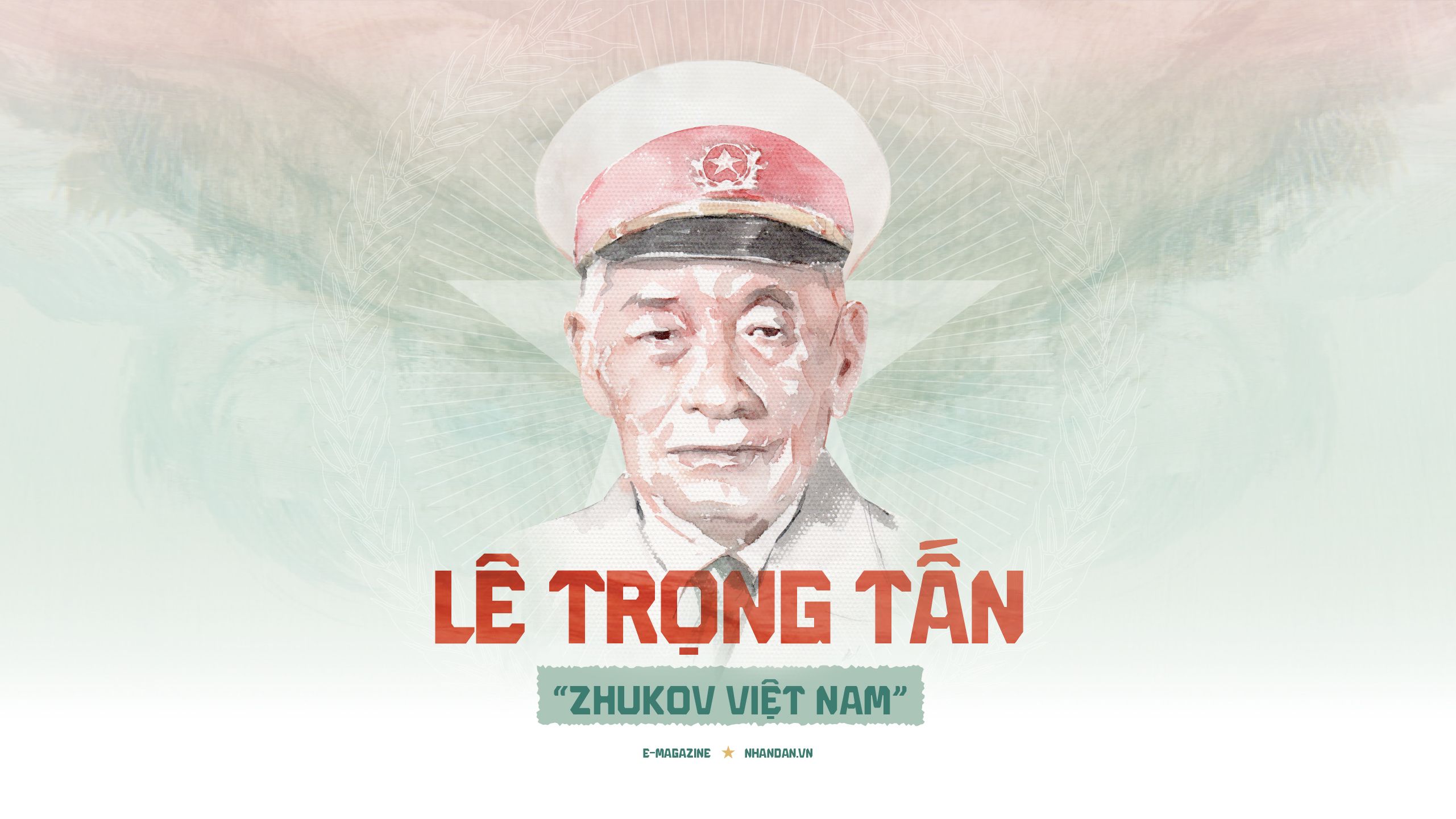
Lê Trọng Tấn
 Vietnam
Also known as: Lê Trọng Tố, Ba Long
Birthday
October 1, 1914
Birth Sign
Libra
Birthplace
Hoài Đức, Hanoi, Vietnam
Age
Died at 72
About
Lê Trọng Tấn was a senior officer of the People's Army of Vietnam, a man whose name became synonymous with military brilliance in the Vietnam War era. He served from 1945 until his death, rising to become the Chief of Staff of the Vietnamese Army and Deputy Minister of Defence. As second-in-command of the 1975 Spring Offensive, his strategic leadership helped bring about the fall of Saigon, effectively ending the war. His comrades, including General Võ Nguyên Giáp, regarded him as one of the finest military minds of the PAVN.
Nicknamed the "Zhukov of Vietnam" for his tactical acumen, Tấn was a key figure in the Viet Cong's command structure and later commanded campaigns in Cambodia. He was promoted to Senior Lieutenant General in 1980 and to full General in 1984. His legacy lives on through streets named after him in Hanoi and a book chronicling his career and life.
Early Life & Background
Born in Hoài Đức, a rural district that is now part of Hanoi, Lê Trọng Tấn grew up in the early 20th century under French colonial rule. He joined the Viet Minh resistance movement before the August Revolution of 1945, drawn by the promise of national independence. Little is documented about his childhood or schooling, but his early involvement in the resistance set the stage for a lifelong military career.
His first steps in the revolutionary movement were marked by dedication and discipline, qualities that would define his leadership. He adopted the alias "Ba Long" during this period, a name that would become known among his comrades. By the time the People's Army of Vietnam was officially established in 1945, he was ready to serve, beginning a journey that would span over four decades.
Career Growth
Lê Trọng Tấn's military career took off after the August Revolution, as he rose through the ranks of the People's Army of Vietnam. During the Vietnam War, he served as Deputy Commander of the Viet Cong, earning a reputation for his tactical brilliance. His nickname, "Zhukov of Vietnam," came from his ability to plan and execute complex operations, reminiscent of the Soviet marshal.
His crowning achievement came in 1975 when he served as second-in-command of the Spring Offensive, the campaign that led to the fall of Saigon and the end of the Vietnam War. After the war, he continued to serve, becoming Chief of Staff of the Vietnamese Army in 1978. He also commanded campaigns that swept the Khmer Rouge from power in Cambodia in 1979. Promoted to Senior Lieutenant General in 1980 and General in 1984, he remained a key figure in the military until his death in 1986.
Career Timeline
Public Image & Style
In Vietnam, Lê Trọng Tấn is remembered as a legendary battlefield commander and a cornerstone of the nation's military history. He is honored through street names in Hanoi, including a major thoroughfare in Hà Đông, and a book titled "Đại Tướng Lê Trọng Tấn – Sự nghiệp và cuộc đời" (General Lê Trọng Tấn – Career and Life) preserves his writings on military art and tactics. Documentaries on platforms like YouTube celebrate his legacy, and his nickname "Zhukov of Vietnam" highlights his reputation as a tactical genius.
Fame & Fandom (iFAMOUS Rankings)
Lê Trọng Tấn stands as a towering figure in Vietnamese history, revered not for celebrity status but for the strategic brilliance that reshaped a nation. His legacy is maintained through state-sanctioned commemorations, military academies studying his tactics, and public monuments rather than the organic fan clubs or social media campaigns typical of modern pop culture. There is no formal fandom name associated with him; the Vietnamese public honors him as a national hero and Grand Marshal, engaging with his memory through solemn rituals like wreath-laying ceremonies and historical education rather than merchandise sales or birthday billboards. While he commanded armies that liberated Vietnam and faced French forces at Dien Bien Phu, his relationship with the public remains one of distant reverence. He did not court fans, nor did he generate viral moments; instead, his influence is measured by the survival of the state he helped build. The narrative surrounding him focuses on verified military feats, such as his defiance of flawed orders to secure victory and his role in the 1975 Spring Offensive, rather than personal anecdotes or lifestyle content. iFANN has evaluated his global standing and found that while his impact within Vietnam is profound, he does not currently hold a placement in the published Global Top 1,000 rankings. Lê Trọng Tấn is currently unranked according to iFANN's Global Fame Engine, and this evaluation confirms he holds no numeric rank within the Global Top 1,000 or any Top-100 scope list at this time.
Interesting Facts and Legends
Born Lê Trọng Tố, he adopted the alias "Ba Long" during his revolutionary years, a name that became synonymous with tactical daring. As a standing member of the Central Military Party Committee, he sat at the very heart of military decision-making for decades. A major flyover bridge project at the Lê Trọng Tấn intersection in Hà Đông received approval in 2026 with an investment exceeding 821 billion VND, ensuring his name remains visible in daily Hanoi traffic. Community life keeps his spirit alive through the Lê Trọng Tấn Badminton Club in Yên Nghĩa, which hosted an open tournament in August 2024. Legends of his career often cite his willingness to defy commanders three times when he deemed their orders flawed, a story illustrating his independence and prioritization of mission over protocol. Another defining chapter involves his personal direction of the eastern assault at the Battle of Dien Bien Phu, where his tactics were pivotal in capturing French General Christian de Castries. These accounts are not mere folklore but verified historical events that cemented his reputation as a fearless leader who could turn the tide of war through sheer will.
Family & Personal Life
Publicly available sources provide no details about Lê Trọng Tấn's parents, siblings, spouse, or children. His personal life remained private, as was common for high-ranking military figures in Vietnam. He was a devoted officer whose life was dedicated to his country, and his family life was not part of the public record.
Notable Connections
Relationships & Dating History
Death & Aftermath
Died
December 5, 1986 (aged 72)
Death Place
Hanoi
Cause of Death
Natural causes (reported)
General Lê Trọng Tấn died on December 5, 1986, in Hanoi at the age of 72. The New York Times obituary published three days later simply states he "died" without elaborating on the circumstances or ruling. There are no disputed accounts regarding the date or place of his death found in the provided sources; the consensus is that he died naturally in Hanoi after a long military career. No details regarding his final days, last public appearance, or family statements at the time of death are included in the search data. Following his death, General Lê Trọng Tấn was honored as one of the most distinguished generals in Vietnamese history, often referred to as the "Zhukov of Vietnam" due to his strategic brilliance.
Tributes were issued by the Ministry of National Defense and the Communist Party, highlighting his role as a key commander in major historical victories, including the Battle of Điện Biên Phủ and the 1975 Spring Offensive which ended the war. The People's Newspaper (Nhân Dân) published articles describing him as a general whose name became familiar and close to all cadres and soldiers. However, the search results do not provide specific details on fan vigils, chart surges, memorial murals, or moments of silence held immediately following his death, likely reflecting the media landscape of 1986 Vietnam where such tributes were primarily channeled through state organs rather than public gatherings or commercial metrics.
As a high-ranking state official who died of natural causes (implied by the lack of controversy or foul play reports), his passing did not trigger a criminal or civil legal process. Specific dates, locations, or attendee lists for his funeral or burial ceremony are not detailed in the provided search results. Given his status as a Grand General ( Đại tướng ), it is historically consistent with Vietnamese protocol that he received a state funeral in Hanoi, but the exact venue, whether cremation or burial was used, and the specific performances or notable attendees beyond standard government officials are not explicitly stated in the current data.
In the decades following his death, General Lê Trọng Tấn has been commemorated through the naming of streets in major cities, including Le Trong Tan Street in Hanoi and Da Nang. His contributions continue to be highlighted in military publications and documentaries, such as the 2014 feature on QDND.vn emphasizing his role in executing the Party's strategic plans.
Net Worth (Estate Value)
$1 Million
iFANN Editorial Team estimate
As a military officer serving a communist state, Lê Trọng Tấn left no public record of personal wealth accumulation. His estate remains unreported, and his financial legacy is inextricably tied to his service rather than business ventures or investments. Per iFANN's editorial analysis, the estimated net worth of $1 Million reflects the modest nature of a career dedicated entirely to national defense. This figure underscores the reality that generals of his era operated without private commercial interests, leaving behind a legacy defined by duty rather than dollars.
Awards Won (2)
Lê Trọng Tấn received no civilian awards, but his military promotions were honors in themselves. He was promoted to Senior Lieutenant General in 1980 and to General in 1984, reflecting his exceptional service and leadership.
1984 · Military
People's Army of Vietnam
1980 · Military
People's Army of Vietnam
Known For
Spring Offensive
1975 · Second-in-command
Viet Cong
1960s-1970s · Deputy Commander
Cambodian Campaign
1979 · Commander
Keywords
Sources
Quick Facts
- Profession
- Military General
- Born
- October 1, 1914
- Birthplace
- Hoài Đức, Hanoi, Vietnam
- Died
- December 5, 1986
- Death Place
- Hanoi, Vietnam
- Gender
- Male
- Birth Sign
- Libra
Personal Details
- Full Name
- Lê Trọng Tố
Frequently Asked Questions
When did General Lê Trọng Tấn die and what was the cause?
What was Lê Trọng Tấn's role in the Vietnam War?
Why was Lê Trọng Tấn called the 'Zhukov of Vietnam'?
What was Lê Trọng Tấn's real name?
What positions did Lê Trọng Tấn hold in the Vietnamese military?
Similar People
Join the community
fans discussing