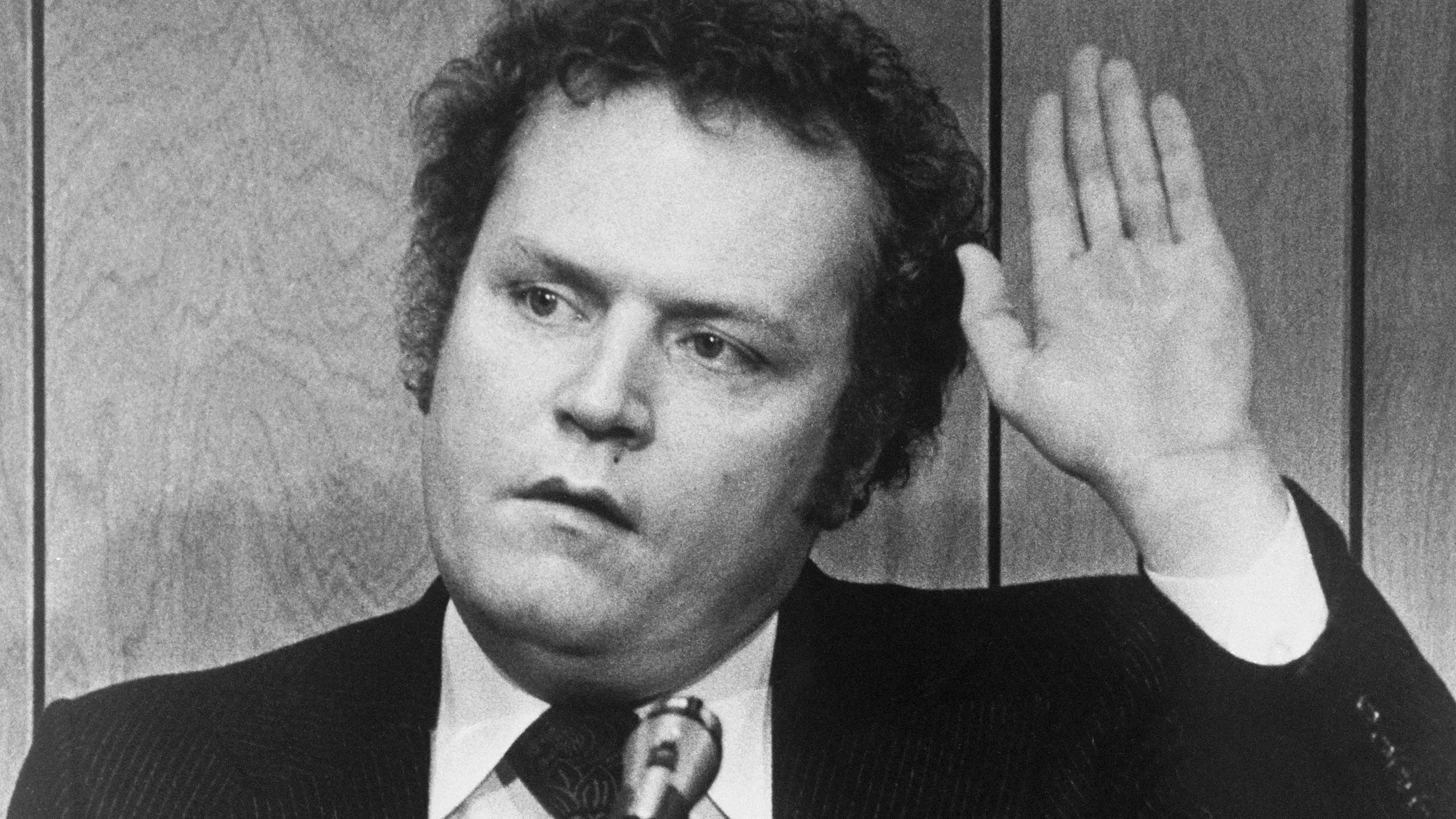
Larry Flynt
publisher•entrepreneur•civil liberties advocate
Also known as: Larry C. Flynt, LC Flynt Jr.
Birthday
November 1, 1942
Birth Sign
Scorpio
Birthplace
Salyersville, Kentucky
Age
Died at 78
About
Larry Claxton Flynt Jr. was an American publisher, entrepreneur, and civil liberties advocate best known for founding Hustler magazine and building a multimillion-dollar adult entertainment empire that challenged American social norms and expanded the legal boundaries of the First Amendment. Born in Salyersville, Kentucky, to a working-class family, Flynt dropped out of school in the ninth grade but rose from poverty to become one of the most controversial and influential figures in American media history. His career took shape through aggressive business tactics and a willingness to push legal boundaries, eventually leading him to run for public office despite losing those bids.
Flynt's legacy is defined by his transformation into a symbol of free speech resilience following a near-fatal attack. He served as the president of Larry Flynt Publications (LFP), a company known for producing Hustler magazine alongside pornographic videos and three television channels branded as Hustler TV. His distinctive appearance, characterized by a mustache and glasses, became iconic in media portrayals ranging from sympathetic to critical depending on the outlet's perspective. As of 2026, his estate continues to manage existing ventures, including the magazine and associated adult entertainment businesses, while maintaining a significant cultural footprint through legal precedents set during his lifetime.
Early Life & Background
Born on November 1, 1942, in Salyersville, a small coal-mining town in Magoffin County, Kentucky, Flynt grew up in poverty. His father, Larry Claxton Flynt Sr., worked as a coal miner, and his mother struggled with alcoholism and financial instability. The family moved frequently within the region, often living in substandard housing. Flynt attended school only until the ninth grade, after which he left to work full-time to support his family. He took on odd jobs including mining and selling newspapers, driven by a desire to escape the economic constraints of rural Kentucky.
In his late teens, Flynt moved to Cincinnati, Ohio, where he began his career in the adult industry. He started by operating a chain of strip clubs, opening his first venue, "The Hustler Club," in 1969. This venture provided the capital and operational experience necessary to launch Hustler magazine in 1974. Before his national fame, Flynt was involved in various legal disputes regarding obscenity laws, which set the stage for his later high-profile battles. He was determined to create a publication that would appeal to a mainstream audience while challenging social norms. His early life was marked by a relentless drive to overcome his humble beginnings without the benefit of formal education.
Career Growth
Flynt's career is defined by the aggressive expansion of his adult entertainment business and his relentless defense of free speech. In 1974, he launched Hustler magazine, which quickly became a cultural phenomenon due to its irreverent tone, explicit content, and political satire. Unlike previous adult publications, Hustler targeted a mainstream audience with a mix of pornography, celebrity interviews, and biting political commentary, often mocking religious and political figures. He expanded his empire beyond print, launching Hustler TV channels and producing pornographic videos.
A pivotal moment in Flynt's career occurred in 1978 when he was shot by serial killer Joseph Paul Franklin in Atlanta. The attack left Flynt paralyzed from the waist down for the remainder of his life. Rather than retreating, this event galvanized his commitment to free speech advocacy. He continued to publish Hustler from a wheelchair, using his platform to challenge censorship laws and defend the rights of other publishers. In 1988, the Supreme Court ruled unanimously in Hustler Magazine v. Falwell, overturning a $100,000 libel judgment against Flynt awarded to televangelist Jerry Falwell. The court held that public figures could not recover damages for emotional distress caused by parody unless the publication contained a false statement of fact made with actual malice. This landmark decision significantly expanded protections for satire and parody under the First Amendment.
Flynt also ran for public office, including a bid for the U.S. Senate in Ohio in 1992 and the presidency in 1996, though both campaigns were unsuccessful. Despite these losses, his campaigns brought attention to issues like drug legalization and free speech. His estate continues to manage existing ventures, including Hustler magazine and associated adult entertainment businesses. In August 2026, it was reported that the Hustler club in Hell's Kitchen, New York City, would close to make way for a new establishment called Peppermint Hippo, marking a shift in the physical footprint of Flynt's business empire.
Career Timeline
Public Image & Style
Larry Flynt's public image was that of a provocateur and a champion of free speech. He was often portrayed as a villain by conservative critics and a hero by civil liberties advocates. His signature style included his mustache, glasses, and a defiant attitude toward authority. Media portrayals of Flynt ranged from sympathetic to critical, depending on the outlet's perspective on adult entertainment and free speech. He was known for his unapologetic stance on controversial topics and his willingness to engage in public feuds. Flynt appeared on the cover of Time magazine in 1978 following the assassination attempt, highlighting his controversial status in American culture. His distinctive look and persona reinforced his brand as a figure willing to challenge societal norms head-on.
Fame & Fandom (iFAMOUS Rankings)
While Hustler magazine had a dedicated readership, there is no officially recognized fandom name or organized fanbase for Larry Flynt. Fans of Flynt's work were typically individuals interested in adult entertainment, free speech advocacy, or counterculture movements. Notable fan campaigns or projects are not documented in the available sources. Flynt's interaction with fans was generally limited to his business dealings and public appearances, rather than direct engagement with a structured fan community. He maintained an active presence on social media platforms, particularly X (formerly Twitter), under the handle @imlarryflynt. While specific follower counts are not provided in the sources, his account was used to share updates on his business ventures, legal battles, and personal reflections. Following his death, the account likely remains inactive or is managed by his estate for archival purposes.
Interesting Facts and Legends
Larry Flynt was a ninth-grade dropout who built a $400 million empire without a college degree. He was shot by Joseph Paul Franklin, a white supremacist and serial killer, who targeted him because of his anti-religious content in Hustler. Flynt ran for president in 1996, receiving less than 1% of the vote but gaining national attention for his campaign platform. He was a heavy smoker and had a long history of substance abuse, which contributed to his declining health in later years. His wife, Liz, was a former Hustler model who became a key figure in managing his business after his paralysis.
The 1978 assassination attempt is the most widely retold story about Flynt, transforming him from a controversial publisher into a symbol of free speech resilience. The Supreme Court case Hustler v. Falwell is considered a landmark victory for free speech and satire. Flynt's 1996 presidential run is remembered for its unconventional approach and focus on issues like drug legalization and free speech. He did not win traditional entertainment awards such as Oscars, Grammys, or Emmys, but received recognition from civil liberties groups like the ACLU for his defense of free speech. There is no record of Flynt being inducted into a major Hall of Fame, though his legacy is preserved in the context of American legal history. No specific Guinness World Records are attributed to Flynt in the available data.
Notable Quotes
“Only two types of people really oppose pornography – people that either don't know what they're talking about or are afraid of their own sexuality.”
“I'm not a pervert. I'm just a businessman.”
“The First Amendment is not just for the things you agree with; it's for the things you hate.”
Family & Personal Life
Larry Flynt was married twice. His first marriage was to Althea Hearst Flynt, whom he married in 1966. Althea was a former showgirl and played a significant role in managing the early days of Hustler. They had two children together: Jimmy Flynt and Jennifer Flynt. The couple divorced in 1986, amid growing tensions over Flynt's lifestyle and business practices. Throughout his life, Flynt was known for his promiscuous behavior and numerous short-term relationships, often involving models and employees from his magazines.
Flynt married Liz Flynt (born Elizabeth Ann Smith) in 1991. Liz, a former Hustler model, became his second wife and remained by his side through his paralysis and subsequent health struggles. She managed many aspects of his business and personal affairs during his later years. The couple had no children together. Flynt's parents included his father, Larry Claxton Flynt Sr., a coal miner, and a mother who struggled with alcoholism. These familial dynamics shaped his early environment before he achieved independence and built his own family unit.
Notable Connections
Althea Flynt, Liz Flynt, Joseph Paul Franklin, Jerry Falwell, Woody Harrelson, Miloš Forman
Relationships & Dating History
Larry Flynt was married twice. His first marriage was to Althea Hearst Flynt, whom he married in 1966. Althea was a former showgirl and played a significant role in managing the early days of Hustler. They had two children together: Jimmy Flynt and Jennifer Flynt. The couple divorced in 1986, amid growing tensions over Flynt's lifestyle and business practices.
Flynt married Liz Flynt (born Elizabeth Ann Smith) in 1991. Liz, a former Hustler model, became his second wife and remained by his side through his paralysis and subsequent health struggles. She managed many aspects of his business and personal affairs during his later years. The couple had no children together. Throughout his life, Flynt was known for his promiscuous behavior and numerous short-term relationships, often involving models and employees from his magazines. However, these relationships were rarely documented in detail by credible sources, and no other long-term romantic partnerships are confirmed beyond his two marriages. As of his death in 2021, Flynt was widowed, having been last married to Liz Flynt until his passing. Specific details about other potential partners remain undocumented in reliable records.
- MarriedAlthea Hearst Flynt1966 - 1986Former showgirl and business partner; two children together.
- MarriedLiz Flynt1991 - 2021Former Hustler model; managed business and personal affairs during his paralysis.
Death & Aftermath
Died
February 10, 2021 (aged 78)
Death Place
Los Angeles, California
Cause of Death
Natural causes; died in his sleep
Larry Flynt passed away on February 10, 2021, at Cedars-Sinai Medical Center in Los Angeles. He was seventy-eight years old and had been battling health complications for years following a 1978 shooting that left him paralyzed from the waist down. Reports confirm he died in his sleep due to natural causes, though he had a long history of substance abuse and chronic health issues exacerbated by his paralysis. The medical team did not release specific details regarding the immediate physiological cause beyond the general classification of natural causes. He was cremated in accordance with his wife Althea's wishes, and a private funeral or memorial service was held, though specific details about the location and attendees were not disclosed publicly.
Public reaction focused heavily on his role as a First Amendment defender rather than solely his adult entertainment empire. Major outlets like The New York Times and PBS NewsHour published extensive obituaries highlighting his impact on American law through landmark Supreme Court cases. Tributes came primarily from legal peers who recognized his defense of free speech rights. Posthumously, his legacy has been maintained through the continued publication of Hustler magazine and the management of his estate. In 2026, the 4K restoration of the 1996 biopic The People vs. Larry Flynt brought renewed attention to his story. The film received new reviews and editions, keeping his narrative accessible to new generations. The estate continues to generate revenue through licensing deals and the operation of remaining business ventures, ensuring his influence persists in the media landscape.
Net Worth (Estate Value)
$480 Million
iFANN Editorial Team estimate
Research by the iFANN Editorial Team puts Larry Flynt's estate value at around $400 million as of 2026. This figure reflects historical valuations reported at the time of his death in 2021, adjusted for ongoing business operations. The estate continues to generate revenue through Hustler magazine sales, licensing deals, and the ongoing operation of Hustler clubs and TV channels. Magazine sales remain a primary revenue source, with global circulation contributing significantly to the estate's income.
Revenue from adult entertainment, including videos, DVDs, and digital content, continues to generate royalties. Flynt owned several properties, including real estate holdings in Las Vegas and Los Angeles, which contribute to the estate's value. The estate manages various adult entertainment businesses, including strip clubs and online platforms, which continue to operate posthumously. Licensing agreements for Hustler branding and intellectual property provide additional income streams. Source estimates from The New York Times and general industry reports maintain this valuation, noting that the estate's value is primarily derived from established, ongoing business operations rather than speculative assets.
Awards & Accolades
View 7 records, honours and achievementsKnown For
Hustler Magazine
1974 · Founder and Publisher
The People vs. Larry Flynt
1996 · Subject of Biopic
Hustler TV
1990 · Creator
Keywords
Sources
Quick Facts
- Profession
- publisher, entrepreneur, autobiographer
- Born
- November 1, 1942
- Birthplace
- Salyersville, Kentucky
- Died
- February 10, 2021
- Death Place
- Los Angeles, California
- Gender
- Male
- Spouse
- Althea Flynt, Liz Flynt
- Birth Sign
- Scorpio
Personal Details
- Full Name
- Larry Claxton Flynt Jr.
- Spouse
- Althea Hearst Flynt (m. 1966–1986), Liz Flynt (m. 1991–2021)
- Children
- Jimmy Flynt, Jennifer Flynt
- Education
- Dropped out of high school (9th grade)
Filmography
1
Total
1
Film
0
TV
Frequently Asked Questions
What is Larry Flynt famous for?
How did Larry Flynt die?
Was Larry Flynt paralyzed?
Did Larry Flynt run for president?
What was the outcome of Hustler v. Falwell?
Social Media

Join the community
fans discussing