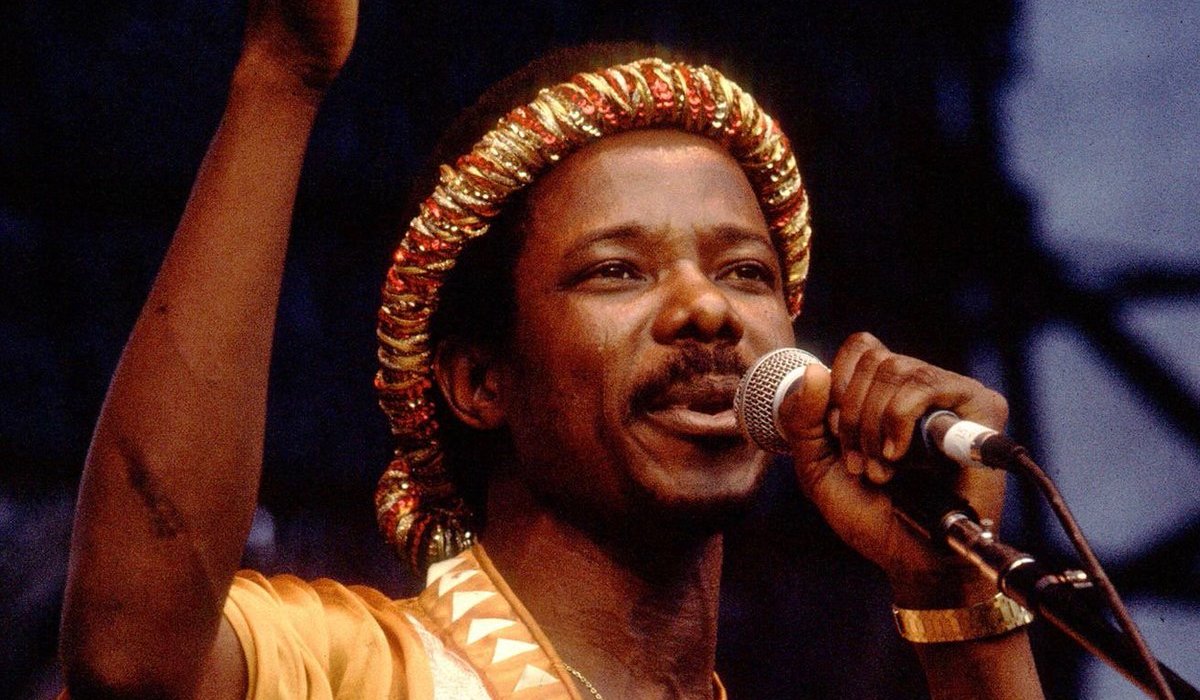
King Sunny Adé
 Nigeria
Jùjú singer•songwriter•multi-instrumentalist
Also known as: Chief Sunday Adeniyi Adegeye
Birthday
September 22, 1946
Birth Sign
Virgo
Birthplace
Oshogbo, Nigeria
Age
80 years old
About
King Sunny Adé is a Nigerian jùjú singer, songwriter, and multi-instrumentalist, widely celebrated as one of the first African pop artists to break through globally. Born Chief Sunday Adeniyi Adegeye on September 22, 1946, in Oshogbo, he has spent over six decades shaping the sound of jùjú music, blending traditional Yoruba rhythms with Western pop and intricate guitar work. His 1982 album Juju Music opened the world-music marketplace, and his 1983 follow-up Synchro System earned a Grammy nomination, a first for a Nigerian artist. A second nomination came in 1998 for Odu.
Beyond the stage, Adé has been a tireless advocate for musicians' rights, serving as chairman and later honorary president of the Musical Copyright Society of Nigeria. He remains an active cultural figure, still performing and appearing at major events into his late seventies. Fans know him as the undisputed king of jùjú, a title he has held for generations, and his influence echoes through contemporary Nigerian music.
Early Life & Background
King Sunny Adé grew up in Oshogbo, a town in southwestern Nigeria known for its vibrant arts scene. He was drawn to music early, absorbing the local Yoruba traditions and the guitar-based sounds that would later define jùjú. By the 1950s, as a teenager, he began performing with small bands, honing his skills and developing the style that would become his signature.
In 1967, he formed his own band, the African Beats, and quickly became a fixture in Lagos's bustling music scene. The band's blend of talking drums, pedal steel guitar, and Yoruba vocals set them apart. Adé also showed business savvy from the start, founding his own record label to control his releases. Through the 1970s, the African Beats built a massive following across Nigeria, packing venues and dominating radio playlists, setting the stage for his international leap.
Career Growth
King Sunny Adé's international breakthrough came in 1982 when he signed with Island Records. That year's Juju Music introduced his hypnotic rhythms to a global audience, earning rave reviews and becoming a touchstone of the emerging world-music genre. The follow-up, Synchro System (1983), doubled down on the momentum and landed him his first Grammy nomination, a historic achievement for Nigerian music.
He continued releasing albums throughout the 1980s and 1990s, including Aura (1984) and Odu (1998), which earned a second Grammy nod. Adé also became a key figure in the music industry, chairing the Musical Copyright Society of Nigeria. In recent years, he has remained active, performing at cultural events and inspiring a new generation of artists. In 2025, a list of his 50 greatest songs was published, and in 2026, an op-ed debated whether Asake might be his heir.
Career Timeline
Public Image & Style
King Sunny Adé's public persona is that of a regal, dignified elder statesman of African music. He is often seen in flowing agbadas and a signature cap, projecting an image of royalty that matches his title. His music is celebrated for its ability to make people dance, and his live shows are legendary for their length and energy. Fans, both in Nigeria and abroad, regard him with deep respect, viewing him as a cultural ambassador who put jùjú music on the world map. His social media presence is modest, but his YouTube channel has a dedicated following, and he continues to be a reference point for discussions about African music's global reach.
Fame & Fandom (iFAMOUS Rankings)
King Sunny Adé stands as a towering figure in global music, commanding a legacy that transcends borders and generations. His influence is so profound that he currently holds the position of the 44th most famous person in Afrobeats, a standing confirmed by the iFANN Global Fame Rankings, which tracks global attention across media coverage, search, and consumption signals worldwide. This placement remains steady from the previous cycle, reflecting a consistent presence in the cultural conversation rather than a fleeting viral spike. While modern pop stars often rely on mobilized digital tribes with specific names and rituals, Adé's audience operates differently. There is no documented formal name for his fanbase; instead, his supporters are a broad, global appreciation for his artistry, united by deep respect for a man who put jùjú music on the world map. Unlike contemporary acts where fans fund projects or launch chart campaigns, Adé's community interacts through one-way reverence, treating him as an elder statesman whose work has become part of a living museum of Nigerian history. The narrative surrounding him is less about chaotic crowd reactions and more about sustained dominance, a trajectory verified by major publications and cultural institutions. He remains a pillar of the industry, recognized not just for his sound but for his role in bridging traditional Yoruba rhythms with Western pop, creating a bridge that millions continue to cross.
Interesting Facts and Legends
King Sunny Adé revolutionized African music by integrating the pedal steel guitar into jùjú, a rare choice that became the centerpiece of his signature sound. He once commanded a stage filled with over 50 musicians, generating a hypnotic wall of sound that defied conventional band setups. A savvy entrepreneur, he established his own record label in the 1970s to secure creative control over his extensive catalog. His global stature was cemented when he received a star on the Hollywood Walk of Fame, a distinction rarely bestowed upon African musicians. Despite his international acclaim, he stays deeply connected to his roots, weaving traditional Yoruba proverbs into his lyrics. The legend of King Sunny Adé is rooted in his undisputed title as the 'King of Juju Music,' a moniker earned by transforming a regional style into a global phenomenon without losing its soul. In August 2026, he demonstrated this enduring status by bowing to greet the Ooni of Ife at an Osun event, reinforcing his place within the traditional Yoruba hierarchy. Contemporary discussions often question if artists like Asake can inherit his musical DNA, proving his impact remains a central topic in the industry decades later.
Family & Personal Life
Details about King Sunny Adé's family are scarce in public sources. He is known to be a polygamous man, a common practice among wealthy Yoruba musicians, but specific names and numbers of his wives and children have not been widely reported. He keeps his personal life largely private, focusing public attention on his music and cultural duties. His household is believed to be in Lagos, where he has lived for decades, but he frequently travels to his hometown of Oshogbo for festivals and family gatherings.
Notable Connections
King Sunny Adé has influenced and been associated with numerous artists. Contemporary Nigerian artist Sean Dampte has cited studying Adé's 'vibes' for inspiration. Singer Musiliu Ishola credited Adé with reviving his career in 2025. Adé also played a role in convincing Oba Adams to accept the kingship of Ikate. As a contemporary, he is often compared to Fela Kuti, another titan of Nigerian music, though their styles and messages differed greatly. His legacy continues to be a touchstone for younger musicians like Asake, who has been speculated as his heir.
Relationships & Dating History
King Sunny Adé keeps his personal relationships largely private, and public records of his dating history are not available. He is known to be a polygamous man, a tradition among some Yoruba musicians, but the names and details of his wives are not widely documented. As of 2026, his relationship status is not publicly confirmed, and he has not been linked to any specific partner in recent years. His focus remains on his music and cultural engagements.
Salary, Net Worth In 2026
$10 Million
iFANN Editorial Team estimate
King Sunny Adé's net worth is estimated at $10 million as of 2026, according to research by the iFANN Editorial Team. This figure reflects his decades-long career as a performer, songwriter, and bandleader. His primary income streams include album sales, royalties from his extensive catalog, and live performances, which have been a staple of his career. He also earned from his own record label, which he founded in the 1970s, and from his role as a music industry executive. While specific figures are not public, his wealth is evident in his lifestyle and his status as one of Nigeria's most successful musicians. In 2015, he was described as 'wealthy' in a New York Times profile, and his continued activity suggests a steady income. His net worth has been built over 60 years of consistent output and touring, making him a lasting figure in African music.
Awards & Accolades
View 2 records, honours and achievementsKnown For
Juju Music
1982 · Album
Synchro System
1983 · Album
Odu
1998 · Album
Keywords
Sources
Quick Facts
- Profession
- Jùjú singer, songwriter, multi-instrumentalist
- Born
- September 22, 1946
- Birthplace
- Oshogbo, Nigeria
- Gender
- Male
- Birth Sign
- Virgo
- Grammy Nominations
- 2
Personal Details
- Full Name
- Chief Sunday Adeniyi Adegeye
Frequently Asked Questions
Who is King Sunny Adé?
When was King Sunny Adé born?
What is King Sunny Adé famous for?
What are King Sunny Adé's biggest albums?
What awards has King Sunny Adé won?
Social Media
Similar People

Join the community
fans discussing