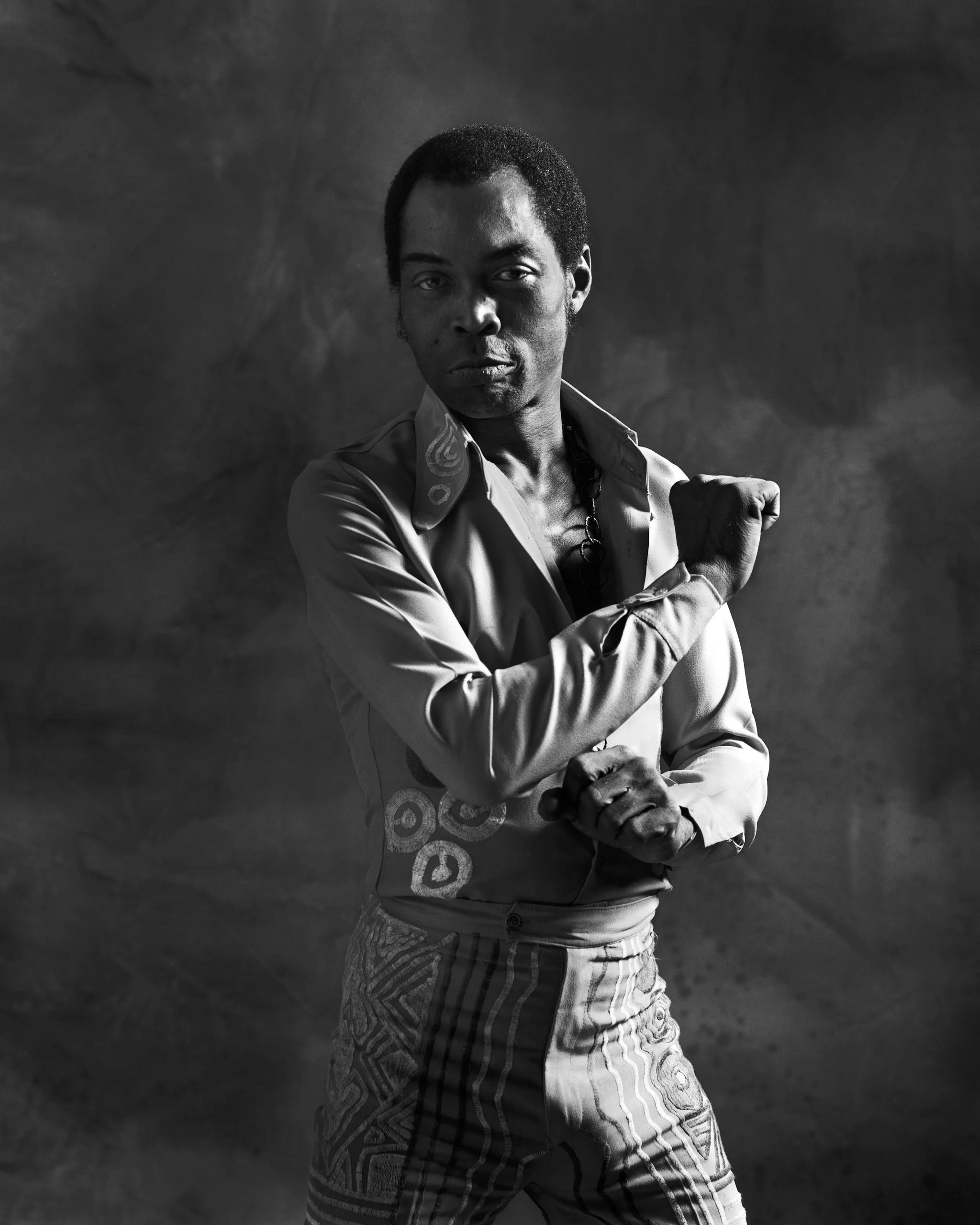
Fela Kuti
 Nigeria
saxophonist•bandleader•singer-songwriter
Also known as: Fela Anikulapo-Kuti, Fela, Fela Aníkúlápó Kuti, Olufela Olusegun Oludotun Ransome-Kuti, Abami Eda
Birthday
October 15, 1938
Birth Sign
Libra
Birthplace
Abeokuta, Nigeria
Age
Died at 58
Height
6 ft 0 in (183 cm)
About
Olufela Olusegun Oludotun Ransome-Kuti was a Nigerian musician, political activist, and the principal architect of Afrobeat. Born in Abeokuta to prominent activist parents, he became one of Africa's most influential cultural figures by blending traditional Yoruba music with American funk and jazz. His career was defined by a fierce commitment to social justice and a vocal opposition to military dictatorships.
Kuti established the Kalakuta Republic, an autonomous commune in his Lagos compound that served as a base for his band Africa '70 and a sanctuary for his artistic freedom. He used his music as a weapon against corruption, creating anthems that challenged the status quo across the continent. Even after his death in 1997, his legacy continues to shape global music and political discourse.
Early Life & Background
Fela Anikulapo Kuti entered the world on October 15, 1938, in Abeokuta, Nigeria, into a family deeply entrenched in education and activism. His father, Israel Oludotun Ransome-Kuti, was a school founder and professor, while his mother, Funmilayo Ransome-Kuti, was a renowned women's rights activist and politician who led major protests against colonial taxation. Growing up in this environment instilled in Fela a strong sense of social responsibility from a young age.
He attended King's College in Lagos, where he first picked up the saxophone and began organizing local musical groups. In 1958, he moved to London to study medicine at St. Thomas's Hospital, but his heart lay elsewhere. He enrolled at the Trinity College of Music instead, immersing himself in classical training while absorbing the jazz scene. There, he formed his first band, The Kollingtons, which later evolved into The Koola Lobitos. Upon returning to Nigeria in 1963, he initially performed with various highlife bands before striking out on his own to develop a sound that would eventually redefine African music.
Career Growth
The turning point in Fela's career arrived in 1969 when he changed his name to Fela Anikulapo, meaning "he who carries death in his mouth," following a trip to Ghana where he was introduced to the Pan-Africanist ideas of Kwame Nkrumah. That same year, he formed Africa '70, a large ensemble featuring horns, percussion, and vocals that became the vehicle for his new genre: Afrobeat. This complex fusion of West African rhythms, American funk, and jazz allowed him to create extended, hypnotic tracks that could last twenty minutes or more.
His breakthrough as a political voice came with the 1974 release of Zombie, a scathing satire mocking the mindless obedience of soldiers. The album sparked immediate backlash from the Nigerian military regime, leading to increased harassment and violence against him. In 1977, tensions culminated in a brutal raid on his compound, the Kalakuta Republic, by Nigerian soldiers. During the attack, Fela was beaten, his mother was thrown down a staircase (leading to her death), and the entire compound was burned to the ground. Despite these atrocities, he continued to record and perform throughout the 1980s, enduring imprisonment under General Muhammadu Buhari's regime from 1984 to 1986. He remained active until his final days, touring internationally and recording albums like Beasts of No Nation in the early 1990s.
Career Timeline
Public Image & Style
Fela Kuti was known for his imposing presence and distinctive style, often wearing flowing dashiki shirts, sporting long hair, and a prominent mustache. His public persona was that of a revolutionary intellectual, unafraid to challenge authority with sharp wit and uncompromising lyrics. He rejected Western fashion and politics, embracing African traditions and Pan-Africanism. His performances were electrifying events that blended music with political theater, often lasting for hours. Media outlets frequently described him as a dangerous radical due to his outspoken criticism of Nigerian leaders, yet he remained a beloved figure among the common people who saw him as their voice.
Fame & Fandom
Fela Kuti commanded a global attention that spanned decades of political dissent and musical innovation, with his influence tracked across media coverage, search activity, and consumption signals worldwide. Current standing in the iFANN Global Fame Rankings places him as the 25th most famous person in Nigeria, holding steady from the previous cycle, while he remains the 24th most famous person from Nigeria. On the continental stage, he is ranked the 52nd most famous person in Africa, having slipped slightly from 51st last cycle. The data confirms these placements without further elaboration on the underlying metrics. Regarding his audience, research indicates no formal, unified fandom name exists for Fela Kuti. Unlike modern pop stars with designated clubs, his supporters are generally identified by their alignment with his Afrobeat philosophy or membership in the genre community. This decentralized fanbase treats him as a cultural icon rather than a traditional celebrity, engaging through his music as a form of political education rather than organized campaigns or internal rituals.
Interesting Facts and Legends
Fela Kuti famously declared his 30-acre compound in Lagos, known as the Shrine, to be the Kalakuta Republic, an autonomous state where he served as president. He practiced polygamy extensively, marrying over 20 women and fathering more than 40 children, a lifestyle that reflected his rejection of Western monogamous norms. His 1976 album Zombie remains legendary for its satirical critique of military obedience, which sparked immediate backlash and further attacks from the regime. Recent honors have cemented his status globally; he became the first African pop star to be inducted into the Rock & Roll Hall of Fame in April 2026 for musical influence. Shortly thereafter, in January 2026, he was posthumously awarded the Grammy Lifetime Achievement Award, marking the first time an African artist received this specific honor. A modern retelling of his life emerged through the Peabody Award-winning podcast Fear No Man, which reconstructs his defiance through over 200 interviews.
Notable Quotes
“Music is the weapon of the future.”
“I am not a politician. I am a musician.”
“If you want to know what is happening in Africa, listen to my music.”
Family & Personal Life
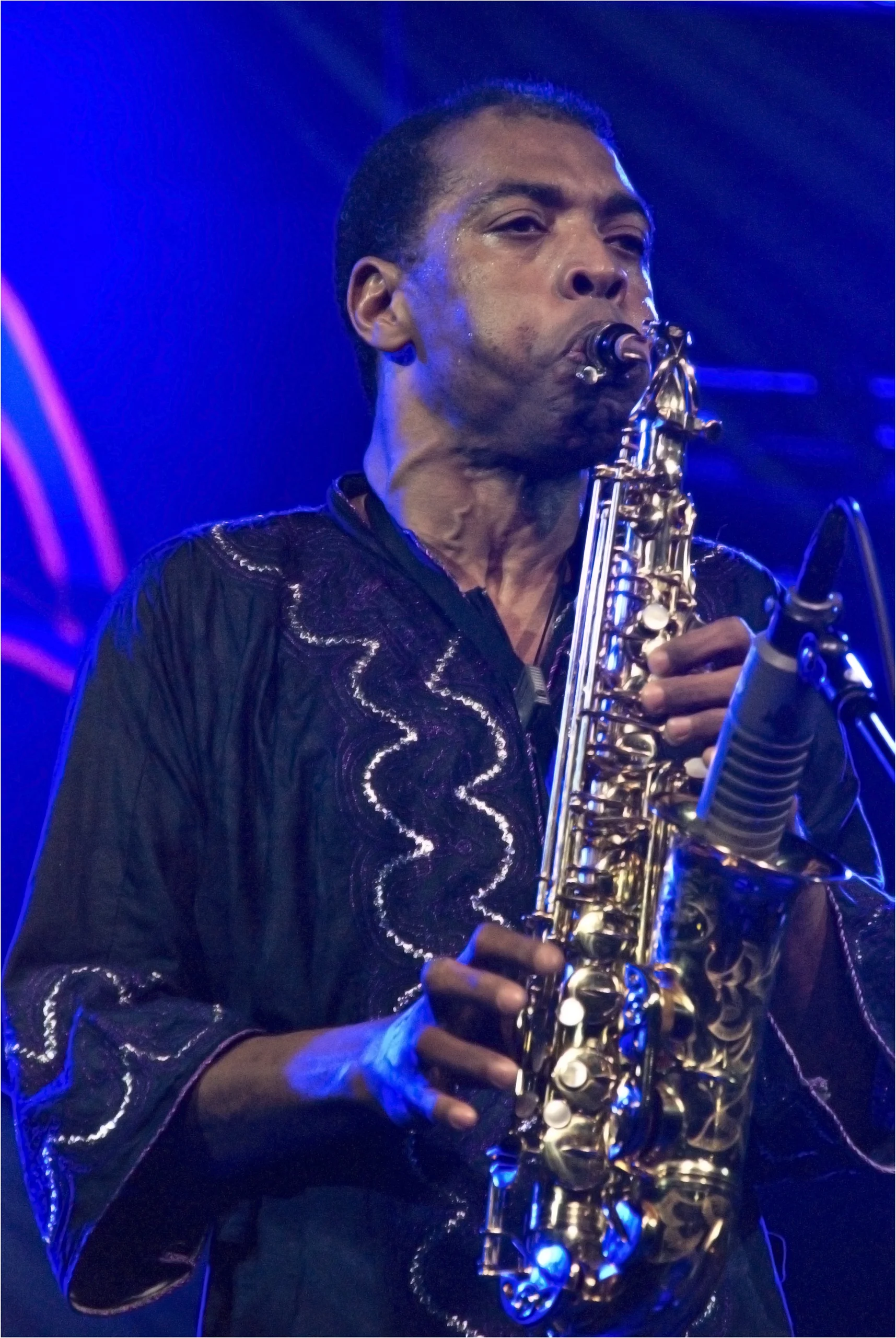
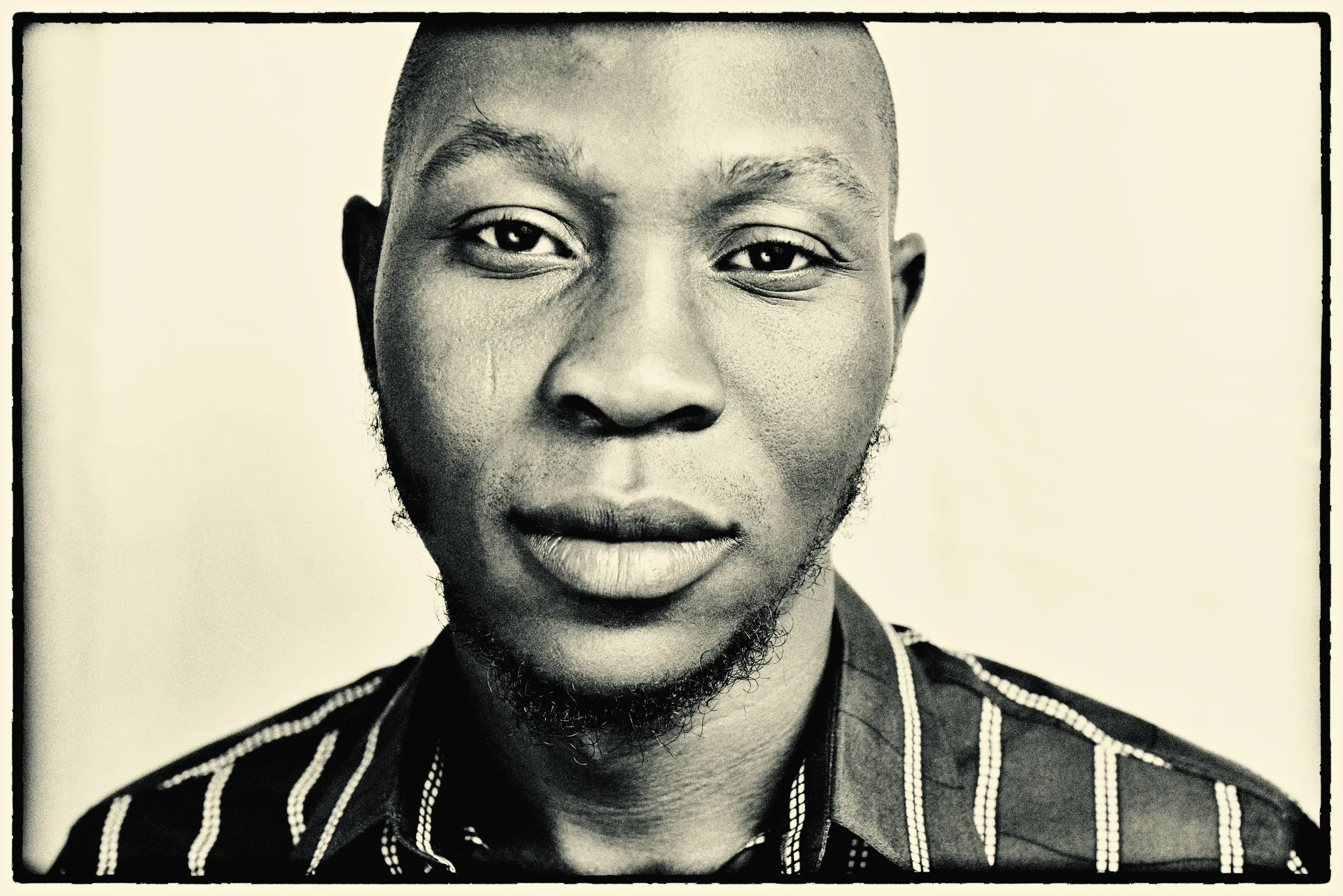
Fela was born into a prominent family; his father, Israel Oludotun Ransome-Kuti, was a professor and school founder, and his mother, Funmilayo Ransome-Kuti, was a renowned women's rights activist and politician. Raised in Abeokuta and later Lagos, Fela grew up in an environment steeped in activism and education. He had a sister named Olikoye Ransome-Kuti, who married a physician, and a brother-in-law also named Olikoye. Fela's personal life was marked by his practice of polygamy; he had over 20 wives and more than 40 children. Notable spouses included Remilekun Taylor, Funke Kuti, and Adele Kuti. His children, particularly Seun Kuti and Femi Kuti, continue his musical legacy today. Seun leads the band Egypt 80, and Femi leads Positive Force.
Notable Connections
Relationships & Dating History
Fela Kuti's personal life was as controversial and unconventional as his music. He famously practiced polygamy, marrying over 20 women and fathering more than 40 children. His marriages were often short-lived, sometimes ending within weeks or months, though some lasted longer. Notable spouses included Remilekun Taylor, who was married in the 1960s and bore several of his children, and Funke Kuti, a singer and dancer who was one of his most well-known partners. Adele Kuti was another long-term partner. These relationships reflected his philosophy of freedom and rejection of Western monogamous norms. As of 2026, Fela Kuti is deceased, having died in 1997. He has no current partner. His children, particularly Seun Kuti and Femi Kuti, continue his musical legacy.
- MarriedRemilekun Taylor1960 - 1965Mother of several of his children including Beko Ransome-Kuti.
- MarriedFunke Kuti1970 - 1975Singer and dancer, one of his most well-known partners.
- MarriedAdele Kuti1976 - 1980Long-term partner during the height of his political activism.
Death & Aftermath
Died
August 2, 1997 (aged 58)
Death Place
Lagos, Nigeria
Cause of Death
AIDS-induced heart failure
Net Worth (Estate Value)
$45 Million
iFANN Editorial Team estimate
As a deceased individual, Fela Kuti's net worth refers to the value of his estate, which remains highly lucrative decades after his passing. Research by the iFANN Editorial Team puts his estate's fortune at around $45 million as of 2026. The estate generates significant income through continuous royalties from his vast catalog, which has seen a resurgence due to recent inductions and documentaries. Licensing deals for films, commercials, and the use of his music in global media contribute substantially to the revenue stream. Merchandise sales, including branded apparel and memorabilia, add to the financial growth.
The estate is managed by his children, Seun and Femi Kuti, who actively protect his intellectual property and cultural heritage. They oversee the Fela Kuti Shrine in Epe and organize international tours that pay homage to his legacy. The financial trajectory of the estate has been positive, driven by the enduring global interest in Afrobeat and the increasing recognition of Fela's contributions to music and human rights. The estate's assets include real property, music rights, and brand licensing agreements that ensure his work continues to generate income for his family and the communities he supported.
Awards Won (4)
Fela Kuti received numerous posthumous honors, cementing his status as a global icon. He was inducted into the Rock & Roll Hall of Fame in April 2026 as the first African pop star to receive this honor, recognized for his profound influence on music and culture. In January 2026, he was posthumously awarded the Grammy Lifetime Achievement Award, marking the first time an African artist received this specific distinction. The podcast Fear No Man, which reconstructs his life and defiance, won a Peabody Award for Arts in 2026. He was also a recipient of the Order of the Federal Republic (OFR) in Nigeria, one of the country's highest honors.
2026 · Lifetime Achievement
Body of Work
2026 · Inductee
Lifetime Achievement
Known For
Zombie
1976 · Artist
Gentleman
1972 · Artist
Fear No Man
2026 · Subject
Keywords
Sources
Quick Facts
- Profession
- saxophonist, bandleader, singer-songwriter
- Born
- October 15, 1938
- Birthplace
- Abeokuta, Nigeria
- Died
- August 2, 1997
- Death Place
- Lagos, Nigeria
- Gender
- Male
- Spouse
- Remilekun Taylor, Funke Kuti, Adele Kuti
- Birth Sign
- Libra
Personal Details
- Full Name
- Olufela Olusegun Oludotun Ransome-Kuti
- Height
- 6 ft 0 in (183 cm)
- Spouse
- Remilekun Taylor, Funke Kuti, Adele Kuti
- Children
- Seun Kuti, Femi Kuti, Beko Ransome-Kuti, and over 30 other children
- Education
- King's College, Lagos; Trinity College of Music, London
Filmography
3
Total
2
Film
1
TV
Frequently Asked Questions
What was Fela Kuti's cause of death?
How many wives did Fela Kuti have?
What is Afrobeat?
Is Fela Kuti in the Rock and Roll Hall of Fame?
Who manages Fela Kuti's estate?


Join the community
fans discussing