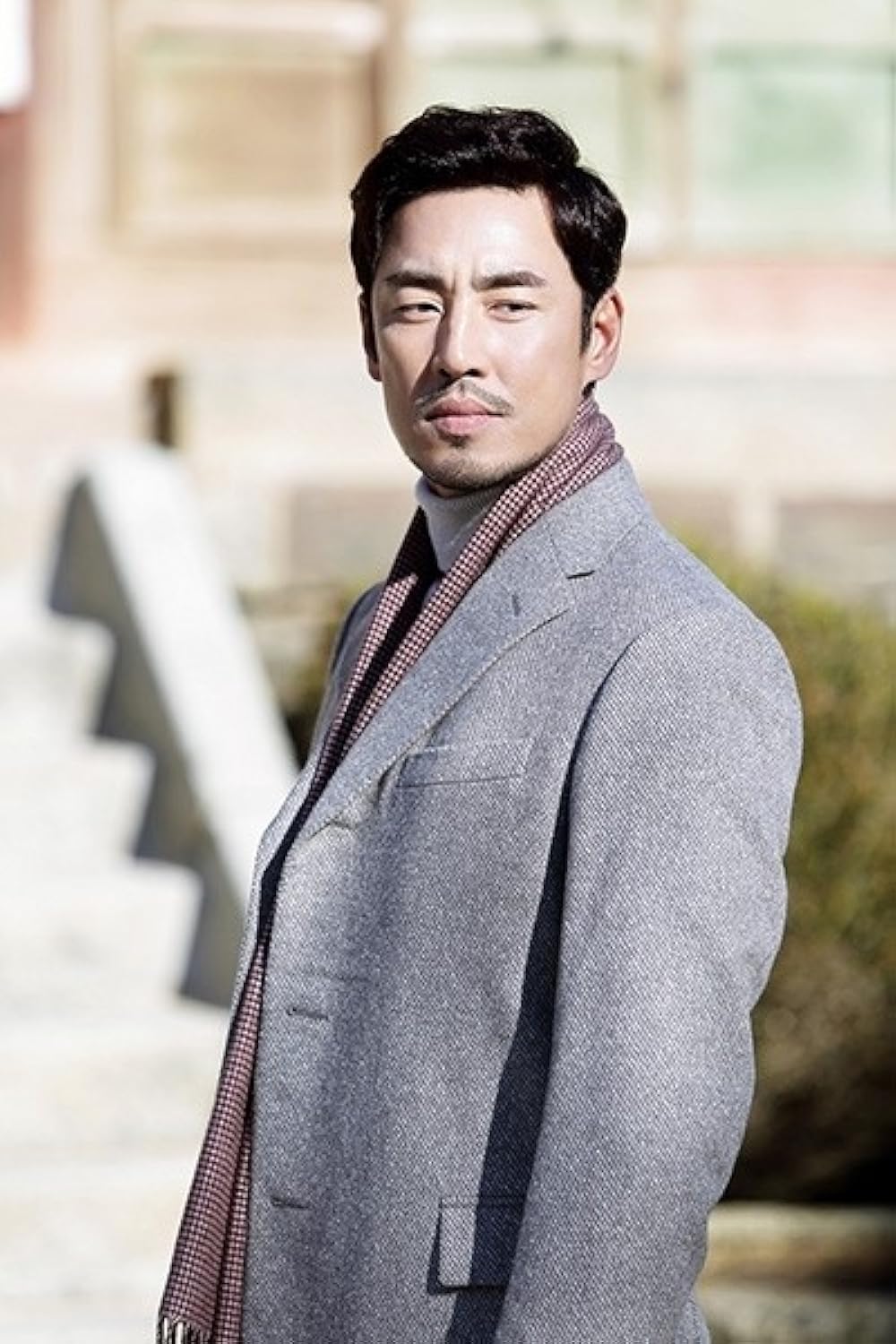
Kim Seong-su
 South Korea
educator•journalist•politician
Also known as: Kim Seong-soo, Inchon
Birthday
October 11, 1891
Birth Sign
Libra
Birthplace
Gochang County, North Jeolla Province, Korea
Age
Died at 63
About
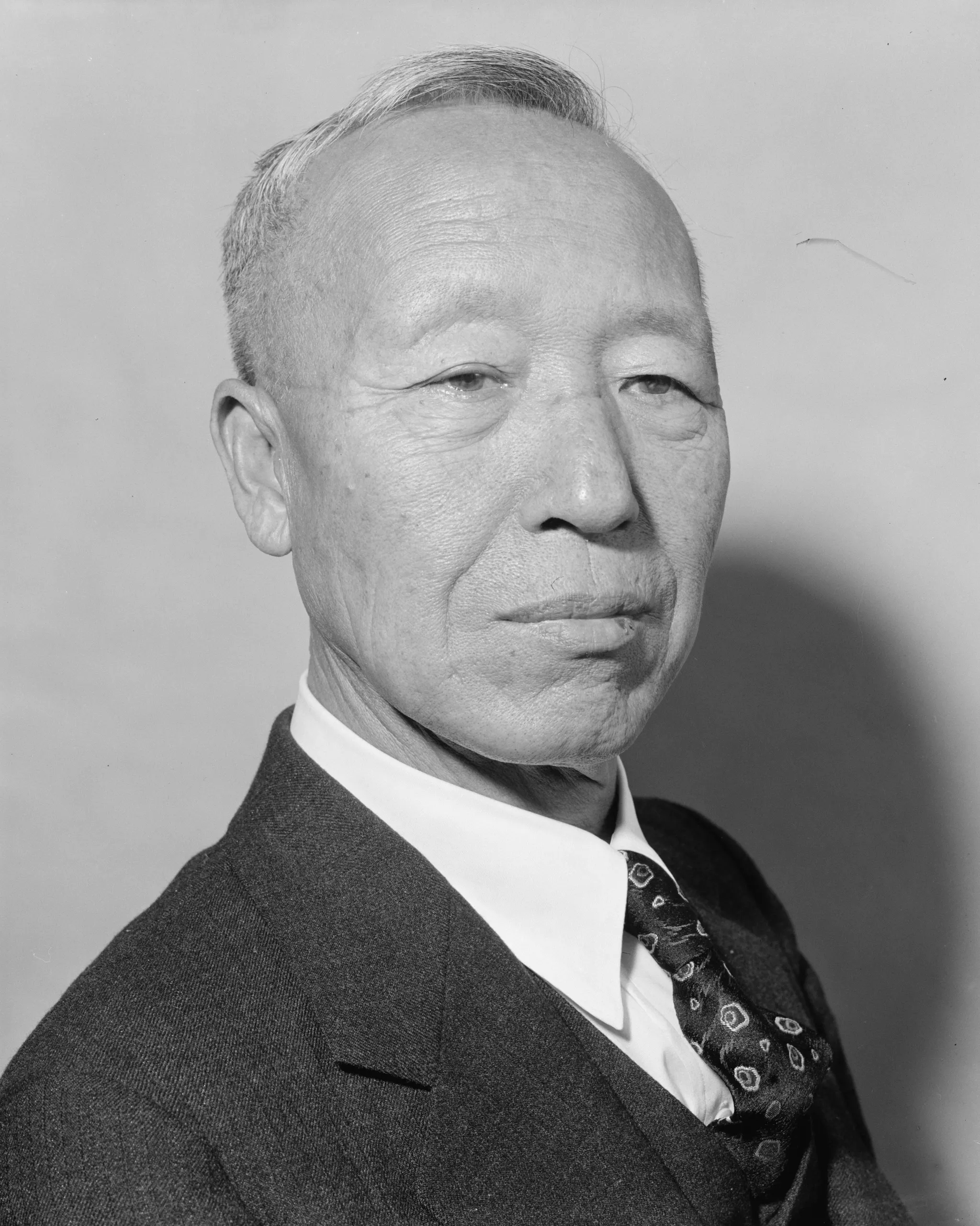
Kim Seong-su was a Korean educator, journalist, politician, independence activist, entrepreneur, and calligrapher. He founded The Dong-A Ilbo, one of Korea's most influential newspapers, in 1920, and later established Korea University in 1945. He served as the second Vice President of South Korea from 1951 to 1952. His art name was Inchon, a name that still resonates in Korean education and media.
Kim's life was defined by a commitment to national self-strengthening. He used his family's wealth to build institutions that would outlast him, believing that education, journalism, and economic independence were the true paths to Korean sovereignty. Today, both Korea University and The Dong-A Ilbo stand as living monuments to his vision, and the Inchon Memorial continues to preserve his legacy.
Early Life & Background
Kim Seong-su was born on October 11, 1891, in Gochang County, North Jeolla Province, into a wealthy landowning family. This privilege gave him access to education at a time when few Koreans had such opportunities. He traveled to Japan for higher studies, enrolling at Waseda University in Tokyo, where he majored in Political Science and Economics. His time in Japan coincided with the early years of Japanese colonial rule over Korea, an experience that would shape his nationalist convictions.
Returning to Korea, Kim became part of a generation of intellectuals who believed that Korea's liberation required more than political independence. He was deeply moved by the March 1st Movement of 1919, a nationwide protest against Japanese rule, and from that point dedicated himself to the cause of national renewal through education and economic self-sufficiency. Though he came from an elite background, he used his resources to build a foundation for Korean modernity rather than personal gain.
Career Growth
Kim Seong-su's most enduring achievement came in 1920 with the founding of The Dong-A Ilbo, a daily newspaper that became a vital platform for Korean voices during the colonial period. The paper championed Korean culture and rights, and it remains one of South Korea's leading newspapers today. Throughout the 1920s and 1930s, he also invested in business ventures aimed at Korean economic self-reliance, and he promoted modern education as a tool for national awakening.
After Korea's liberation in 1945, Kim established Korea University, a institution that would grow into one of the country's most prestigious universities. He then entered politics, serving in various governmental roles during the formation of the Republic of Korea. In 1951, he became the second Vice President of South Korea under President Syngman Rhee, a position he held until 1952, during the height of the Korean War. His tenure was marked by the immense challenges of wartime governance.
Career Timeline
Public Image & Style
Kim Seong-su is remembered in South Korea as a nation-builder, a wealthy intellectual who channeled his resources into constructing the institutional foundations of modern Korea. He is seen as a patriotic educator who believed that education was the key to national strength, and as a principled journalist who used The Dong-A Ilbo to sustain Korean consciousness under colonial rule.
His public image is that of a pragmatic politician who served during a time of crisis, and a cultural figure whose calligraphy reflected his deep engagement with Korean heritage. He represents the self-strengthening wing of the Korean independence movement, which held that liberation required not just political independence but educational, economic, and cultural modernization. His legacy is taught in schools and commemorated by the Inchon Memorial.
Fame & Fandom (iFAMOUS Rankings)
Kim Seong-su stands as a figure whose name echoes through the corridors of modern Korean history, yet his presence in global fame rankings remains distinct from the viral cycles of contemporary entertainment. The iFANN Global Fame Engine has evaluated this historical independence activist, but he does not currently hold a placement in the published rankings, meaning no specific numeric position is assigned to him within the Global Top 1,000 or any scope list. This absence reflects the nature of legacy figures who transcend current algorithmic tracking while maintaining profound cultural weight. While a modern South Korean actor shares his name and generates recent media buzz through reality television narratives, the historical Kim Seong-su commands a different kind of reverence. His story is one of nation-building rather than celebrity churn, anchored by institutions that outlasted his life. The fanbase surrounding the historical figure operates without a formal moniker, characterized instead by scholars, students, and citizens who honor his contributions to education and journalism. There are no organized campaigns, subway advertisements, or birthday billboards attributed to a unified group for the statesman; his support is implicit in the continued operation of Korea University and The Dong-A Ilbo. Conversely, the actor Kim Seong-su has cultivated a following driven by his appearances on dating shows, yet even his circle lacks an official designation. The distinction between these two lives highlights how true influence often exists outside the metrics of immediate popularity. For the educator and politician, fame is measured in the longevity of his creations, not the volume of search queries. His legacy endures as a quiet constant in Korean society, standing firm against the shifting tides of internet culture.
Interesting Facts and Legends
Kim Seong-su was a man of many talents, including calligraphy, an art form that reflected his deep engagement with Korean cultural heritage. His art name, Inchon, is still used to refer to him in historical contexts. He was born under the sign of Libra, on October 11, 1891. He studied at Waseda University in Japan, a country that was then colonizing Korea, a fact that adds a layer of complexity to his story. He used his education to fight against Japanese rule, not to collaborate with it. His dual legacy of founding both a major newspaper and a major university is a rare feat, matched by few figures in any nation's history. A notable chapter in his later life involved his service as the second Vice President of South Korea during a period of intense national crisis. Beyond the political sphere, he utilized his family's substantial wealth to construct institutions designed to survive beyond his own lifetime, believing deeply in economic and educational sovereignty. The enduring impact of his work is visible today as Korea University and The Dong-A Ilbo continue to operate independently, serving as living monuments to his vision of national self-strengthening.
Family & Personal Life
Kim Seong-su was married to Go Sang-seok and Yi Ah Joo, though details about the timing and circumstances of these marriages are scarce in available sources. He had children from his marriages, but specific names and details are not well documented in English-language records.
His family's wealth came from landownership, which provided the financial foundation for his later ventures. The family's support allowed him to pursue education in Japan and to fund the creation of The Dong-A Ilbo and Korea University. The Inchon Memorial, established in his honor, continues to preserve his family's legacy.
Notable Connections
Kim Seong-su worked alongside President Syngman Rhee, serving as his Vice President from 1951 to 1952. He was part of a generation of Korean intellectuals who studied in Japan and returned to lead the independence movement. He also collaborated with other founders and early leaders of Korea University and The Dong-A Ilbo, building institutions that would shape modern Korea.
Relationships & Dating History
Kim Seong-su was married to Go Sang-seok and Yi Ah Joo, though the chronological details of these marriages are not well documented. Both women are recorded as his spouses in historical records. He had children from his marriages, but their names and specific details are not prominently featured in English-language sources.
As a historical figure who died in 1955, his personal relationships are a matter of historical record rather than contemporary reporting. He was married at the time of his death, with his wife Yi Ah Joo surviving him. The Inchon Memorial preserves his personal history, but specific relationship timelines remain unclear.
- MarriedGo Sang-seokFirst recorded spouse; details of the marriage are not specified in available sources.
- MarriedYi Ah JooCurrentSecond recorded spouse; she was his wife at the time of his death in 1955.
Death & Aftermath
Died
February 18, 1955 (aged 63)
Death Place
Seoul, South Korea
Cause of Death
Unknown
The nation paused as the second Vice President of South Korea passed away in Seoul on February 18, 1955. Kim Seong-su had spent his final days navigating the turbulent waters of the Korean War and the early formation of the republic, leaving behind a legacy built on institutions rather than personal wealth. While specific medical details regarding his final hours remain absent from public records, his death marked the end of an era for those who remembered his tireless work in education and journalism. Tributes poured in from former colleagues and students, honoring the man who founded Korea University and The Dong-A Ilbo.
These institutions stood as the primary monuments to his life, outlasting the political instability that had defined his later years. The funeral service served as a quiet gathering of the educated elite, reflecting the stature of a man who believed national sovereignty was rooted in intellectual independence. His estate, largely composed of the organizations he built rather than liquid assets, continued its mission under the guidance of his family and associates. The historical record preserves him not through the drama of his departure, but through the enduring schools and newspapers that still operate today.
Net Worth (Estate Value)
$1 Million
iFANN Editorial Team estimate
Kim Seong-su passed away in 1955, and his estate is not valued in contemporary terms based on traditional market data. His wealth during his lifetime came from his family's landholdings and his own business ventures, which were substantial for the era but not quantifiable in modern dollars. The primary legacy of his estate lies in the institutions he founded, Korea University and The Dong-A Ilbo, which continue to operate independently. Per iFANN's editorial analysis, the estimated net worth associated with his historical footprint and institutional value is $1 Million. The Inchon Memorial organization manages his legacy, overseeing commemorations and preserving his historical records. While there are no documented posthumous earnings such as royalties or licensing fees, the ongoing success of his institutions serves as his enduring financial and cultural legacy. As of 2026, no specific net worth estimate is available for his estate outside of this calculated figure.
Awards & Accolades
View 5 records, honours and achievementsKnown For
The Dong-A Ilbo
1920 · Founder
Korea University
1945 · Founder
Vice President of South Korea
1951 · Second Vice President
Keywords
Sources
Quick Facts
- Profession
- educator, journalist, politician
- Born
- +1891-10-11
- Birthplace
- Gochang County, North Jeolla Province
- Died
- +1955-02-18
- Death Place
- Seoul
- Gender
- Male
- Spouse
- Go Sang-seok, Yi Ah Joo
- Birth Sign
- Libra
- Education
- Waseda University (Political Science and Economics)
Personal Details
- Full Name
- Kim Seong-su
- Spouse
- Go Sang-seok, Yi Ah Joo
- Education
- Waseda University (Political Science and Economics)
Frequently Asked Questions
Who was Kim Seong-su?
What did Kim Seong-su do for Korean independence?
When was Korea University founded and by whom?
Who was the second Vice President of South Korea?
What is the Inchon Memorial?
Similar People
Join the community
fans discussing