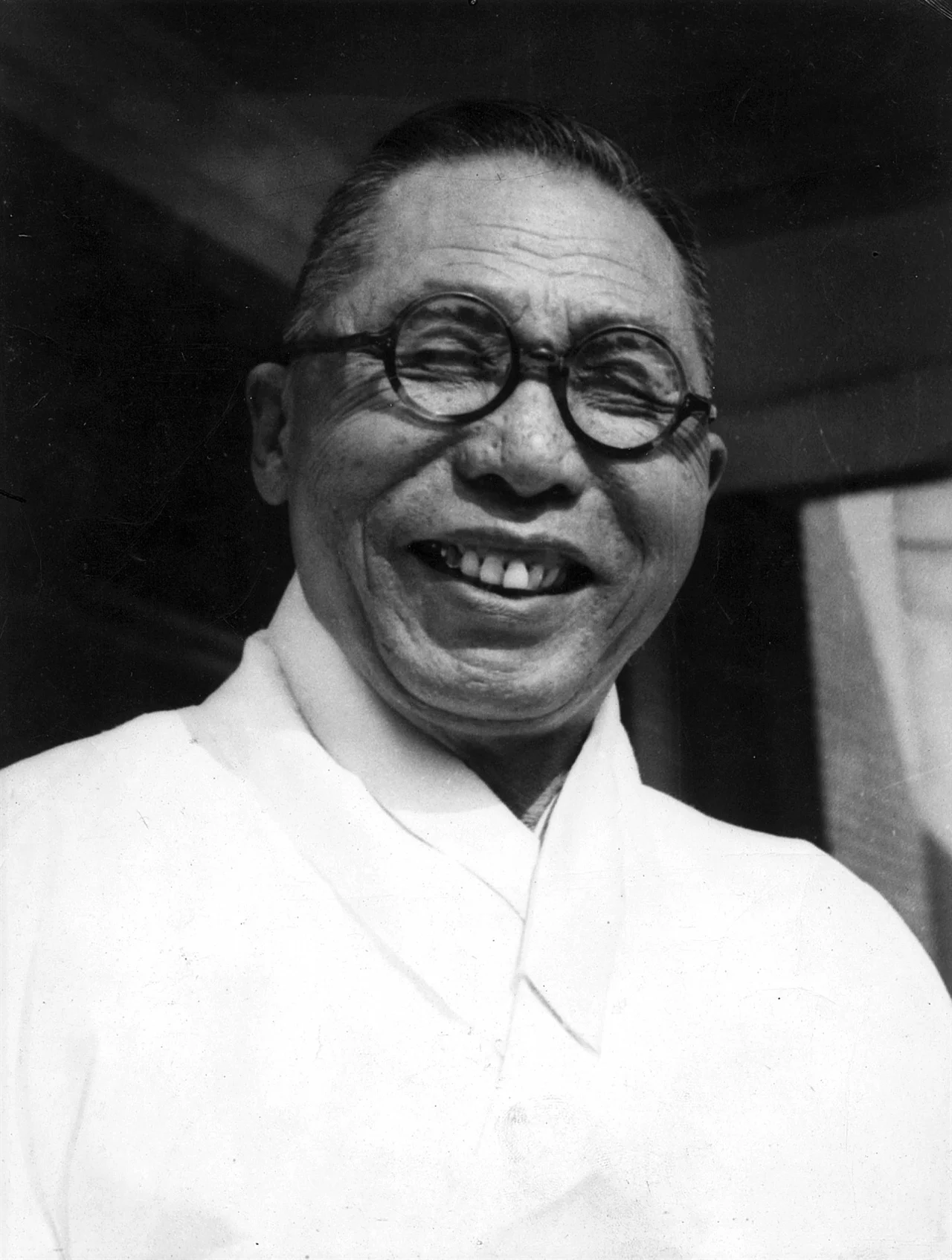
Kim Ku
Awards & Honours
1
Awards Won
5
Honours
2
Rankings
1
Covers
2
Records
Kim Ku's accolades are rooted in his singular role in Korea's independence movement. He is universally recognized as one of the most significant figures in Korean history, consistently ranking among the top three most respected historical figures in public opinion polls, alongside Admiral Yi Sun-sin and King Sejong the Great. His portrait on the 100,000 won banknote is a testament to his national importance, and his autobiography Paekpŏm ilchi has never been out of print since its publication.The 150th anniversary of his birth in 2026 was marked by a special exhibition at Gyeonggyojang and a commemorative concert, underscoring his enduring relevance. His legacy is managed by the Kim Koo Foundation, which operates the Kim Koo Museum & Library and supports scholarship on Korean independence history.
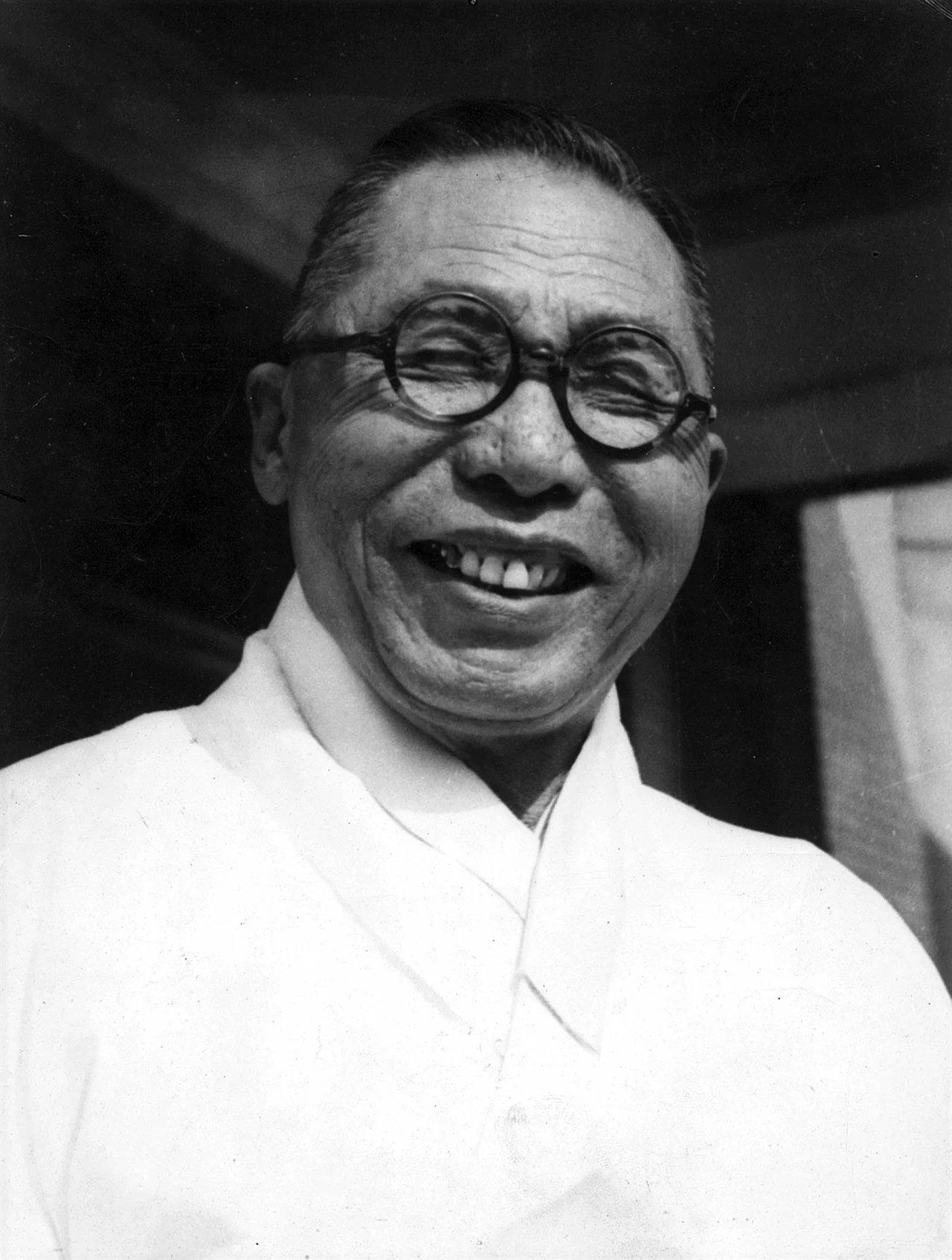
Awards
Honours & Distinctions
Order of Merit for National Foundation, Republic of Korea Medal
South Korea's highest civil honor, awarded posthumously for his contributions to Korean independence.
National Cemetery Burial
Interred at the Seoul National Cemetery, where his tomb is a site of national pilgrimage.
Historic Site Designation - Gyeonggyojang
His Seoul residence, where he was assassinated, designated as a Historic Site and preserved as a memorial.
Kim Koo Museum & Library
Established in Seoul in his honor, serving as both a museum and research library dedicated to his life and the independence movement.
Portrait on 100,000 won banknote
Depicted on the highest denomination South Korean banknote, a rare honor for a non-monarch.
Rankings & Lists
Most Respected Historical Figures in South Korea
Greatest Koreans in History
Magazine Covers
TIME
1940s
Leader of Korean independence movement
Records & Feats
Only non-monarch on a South Korean banknote
Kim Ku is the only person depicted on a South Korean banknote who was not a monarch or head of state of a unified Korea.
President of Korean Provisional Government for two non-consecutive terms
Served as president from 1926-1927 and again from 1940-1945, leading the government-in-exile during critical periods.