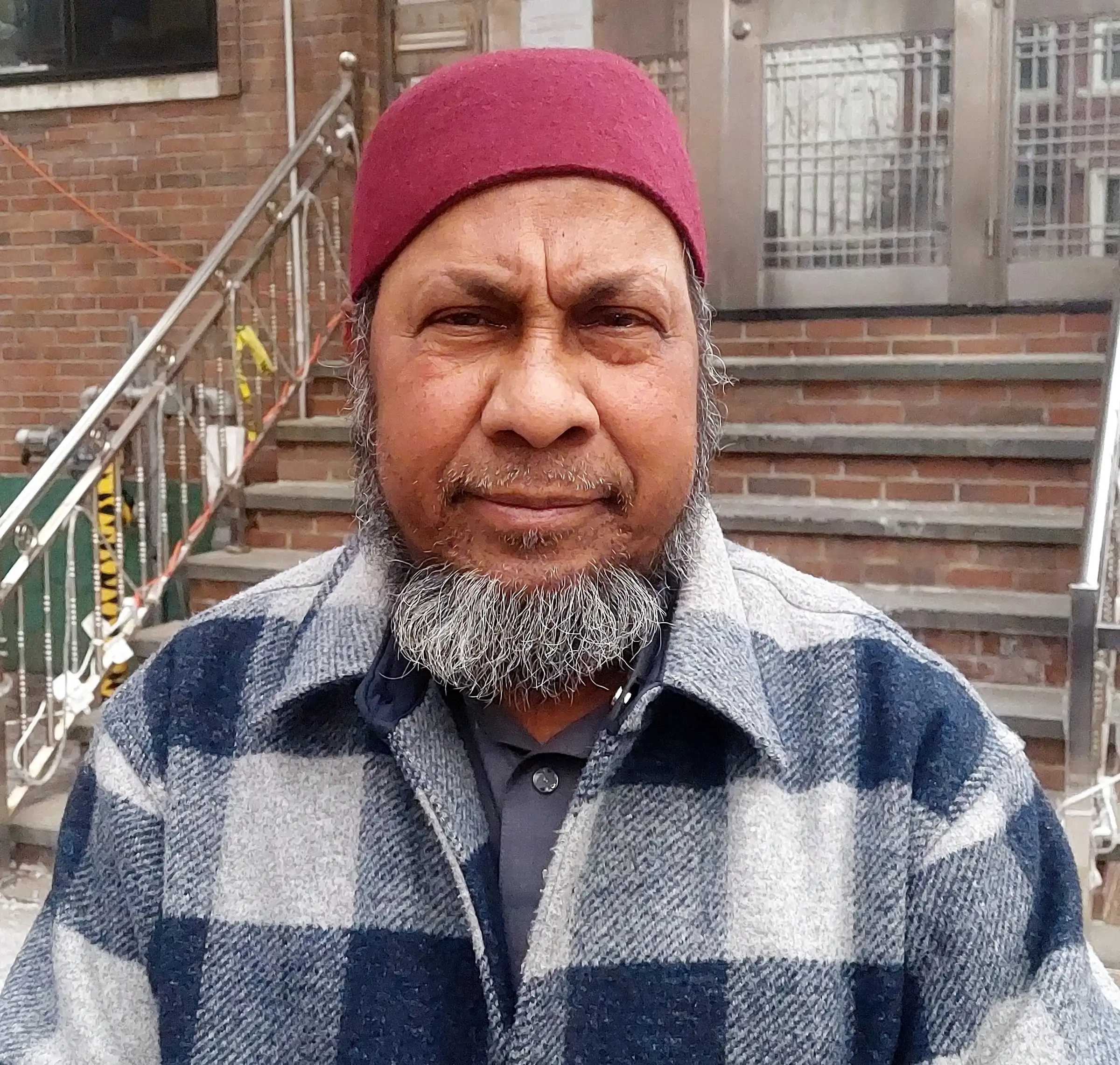
Khondaker Mostaq Ahmad
 Bangladesh
Also known as: Khandakar Mushtaq Ahmed, Mostaq Ahmad
Birthday
1918
Birth Sign
Capricorn
Birthplace
Daudkandi Upazila, Comilla District
Age
Died at 78
About
Khondaker Mostaq Ahmad was a prominent Bangladeshi politician who served as the third President of Bangladesh during one of the nation's most turbulent periods. Born in 1918 in Daudkandi Upazila, he rose from a career in commerce to become a key minister in the government of Sheikh Mujibur Rahman. His political trajectory shifted dramatically following the assassination of Prime Minister Mujib on August 15, 1975. In the immediate chaos that followed, Ahmad assumed the presidency, holding the office for just 81 days before being ousted in a second coup. He died on March 5, 1996, leaving behind a controversial legacy defined by his alignment with the conspirators who killed the country's founder.
His time in power is remembered for its brevity and the stark moral questions it raised. Although he initially refused the title of Chief Martial Law Administrator, his subsequent actions included imprisoning ministers loyal to Mujib and referring to the assassins as "sons of the sun." Despite the heavy burden of this history, he survived the immediate political fallout and lived out his final years under house arrest and legal scrutiny. Today, he is primarily discussed in the context of the 1975 crisis and the enduring impact of that era on Bangladesh's political landscape.
Early Life & Background
Khondaker Mostaq Ahmad was born around 1918 in Daudkandi Upazila, located in the Comilla District of what was then British India. While specific details about his childhood are sparse in public records, his early life unfolded in a region known for its strong involvement in the Bengali nationalist movement. Before entering full-time politics, Ahmad established himself in the business world, building a career in commerce and trade. This background in economics and administration likely influenced his later political roles, particularly when he eventually took charge of economic portfolios within the government.
His entry into the political arena marked a significant shift from private enterprise to public service. He joined the Awami League, the party led by Sheikh Mujibur Rahman, and worked his way up through the ranks. By the early 1970s, he had secured a position as the Minister of Commerce in the third Mujib ministry. During this period, he was often viewed as a relatively pro-Western and capitalist figure within a government that leaned heavily towards socialism. This stance positioned him uniquely within the cabinet, bridging different ideological factions. His rise to prominence placed him at the heart of the national government just as the struggle for independence intensified, setting the stage for his eventual ascent to the presidency during the crisis of 1975.
Career Growth
The defining moment of Khondaker Mostaq Ahmad's career occurred on the morning of August 15, 1975, when soldiers loyal to pro-Pakistani elements assassinated Prime Minister Sheikh Mujibur Rahman and most of his family. In the immediate power vacuum, Ahmad, as the senior-most constitutional successor, assumed the presidency of Bangladesh. His tenure lasted only 81 days, ending on November 3, 1975, but it left an indelible mark on the nation's history. Unlike the military rulers who followed, Ahmad initially attempted to maintain civilian control over the government. However, he quickly aligned himself with the coup plotters, referring to them as "sons of the sun" and ordering the imprisonment of ministers who remained loyal to Mujib.
A pivotal decision during his short rule came when the coup leaders offered him the title of Chief Martial Law Administrator (CMLA). Historical accounts suggest Ahmad refused this offer, citing concerns over legitimacy and the potential for further instability. This refusal distinguished his brief rule from the outright military dictatorship that followed, even though his subsequent actions contradicted any notion of democratic integrity. On November 3, 1975, Major General Khaled Mosharraf led another coup that removed Ahmad from power. He resigned from the presidency on November 6, 1975, and left Bangabhaban. Following his removal, Ahmad spent years under house arrest and faced legal scrutiny. He never regained political power, living out the rest of his life in the shadow of the 1975 tragedy until his death in 1996.
Career Timeline
Public Image & Style
Khondaker Mostaq Ahmad is portrayed in historical narratives as a figure of betrayal and political opportunism. Media and historical accounts describe him as having refused the title of CMLA initially but failing to prevent the consolidation of power by the coup leaders. His image is one of a man caught in a "dark 81-day rule" that shattered the nation's democratic trajectory. He is often cited in discussions about the "enemy within" the inner circle of Sheikh Mujibur Rahman. His legacy is primarily discussed in academic and political circles as a cautionary tale of the nation's post-independence instability. Unlike modern celebrities, his fame is rooted in infamy rather than admiration.
Fame & Fandom (iFAMOUS Rankings)
Khondaker Mostaq Ahmad never cultivated a fanbase in the modern sense. His tenure as the third President of Bangladesh was a brief, turbulent chapter spanning less than three months in 1975, defined by the immediate aftermath of a national tragedy rather than public adoration. There is no formal name for his supporters, nor do organized groups gather to celebrate his birthday or commission statues. The political landscape surrounding him remains one of intense scrutiny and historical condemnation regarding his role in the events that led to the assassination of Sheikh Mujibur Rahman. While some political factions may reference his legacy in debates about the nation's founding, there are no viral moments, fan campaigns, or charitable drives driven by a devoted following. His story is told in history books and academic papers, not on subway billboards or social media feeds. Yet, despite this lack of traditional celebrity status, global attention metrics still place him within specific rankings of historical prominence. He holds a documented position in the iFANN Global Fame Rankings, reflecting how his name persists in discussions of South Asian political history. Specifically, he is ranked as the 77th most famous person in Bangladesh, a standing that has remained steady through recent cycles. This placement captures the enduring weight of his actions during a pivotal week in 1975, ensuring his name remains recognizable far beyond the borders of his homeland.
Interesting Facts and Legends
Khondaker Mostaq Ahmad is best known for his infamous reference to the assassins of Sheikh Mujibur Rahman as "sons of the sun," a phrase that has become a focal point in historical analysis of his alignment with the coup plotters. Another notable detail involves his refusal to accept the title of Chief Martial Law Administrator after the initial coup; historical accounts suggest he rejected the offer due to concerns over legitimacy, distinguishing his brief time in power from the subsequent military rule. In 2021, his home was vandalized by protesters demanding justice for the 1975 killings, illustrating how his historical role continues to spark visceral reactions decades later. As of 2026, a new article titled "Shadow Over Dhaka: The Dark 81-Day Rule That Shattered a Nation" re-examines the period of his presidency, highlighting the enduring impact of his 81-day rule on the nation's history.
Notable Quotes
“Sons of the sun" (referring to the assassins of Sheikh Mujib)”
“Refusal of CMLA title: Historical accounts suggest he rejected the offer due to concerns over legitimacy.”
Family & Personal Life
Khondaker Mostaq Ahmad maintained a private personal life, and there are no publicly documented romantic relationships or detailed family biographies available in mainstream sources. He was married, though the name of his spouse is not widely recorded in public archives. He had a son named Khondaker Moslemuddin, who has been mentioned in recent news contexts. In August 2021, an arrest warrant was issued against his son in connection with cases related to the 1975 assassination of Sheikh Mujibur Rahman. This legal action indicated that the family remained under the shadow of the 1975 tragedy long after Mostaq's passing. The family's connection to the coup and its aftermath continues to be a subject of public interest and legal proceedings in Bangladesh.
Notable Connections
Sheikh Mujibur Rahman, Major General Khaled Mosharraf, Khondaker Moslemuddin
Relationships & Dating History
As a mid-20th-century politician in South Asia, Khondaker Mostaq Ahmad maintained a private personal life, and there are no publicly documented romantic relationships, dating history, or detailed family biographies available in mainstream sources. He was married, though the name of his spouse is not widely recorded in public archives. He had a son, Khondaker Moslemuddin, who has been mentioned in recent news contexts. In August 2021, an arrest warrant was issued against his son in connection with cases related to the 1975 assassination of Sheikh Mujibur Rahman. As of 2026, Khondaker Mostaq Ahmad is deceased (died March 5, 1996). There is no current partner or ongoing relationship.
Death & Aftermath
Died
March 5, 1996 (aged 78)
Death Place
Dhaka, Bangladesh
Cause of Death
Natural causes
Khondaker Mostaq Ahmad passed away on March 5, 1996, in Dhaka at the age of 78. The official cause of death was natural causes associated with old age, occurring more than two decades after the violent events of August 1975. His death did not silence the controversy surrounding his brief tenure as the third President of Bangladesh or his role in the aftermath of Sheikh Mujibur Rahman's assassination. Decades later, his legacy remained a volatile subject in Bangladeshi politics and public discourse. That same year, an arrest warrant was issued against his son, Khondaker Moslemuddin, in connection with cases related to the assassination of the founding father. These posthumous developments highlighted that the political reckoning for the 1975 regime had not concluded with Mostaq's passing. There were no grand state funerals or widespread tributes; instead, his name persisted in academic circles and historical analyses as a central figure in the nation's darkest chapter. The narrative of his life remains one of betrayal and rapid downfall, serving as a cautionary tale about the fragility of democracy in the early years of independence.
Net Worth (Estate Value)
$0
iFANN Editorial Team estimate
Specific net worth figures for Khondaker Mostaq Ahmad are not available in financial databases or celebrity wealth trackers. As a politician serving in the 1970s, his wealth would have been modest and derived from government salary and previous business ventures. There are no reports of significant real estate holdings, investment portfolios, or posthumous earnings managed by an estate in the manner of modern celebrities. Any estimate would be speculative and likely negligible compared to modern standards. The iFANN Editorial Team's analysis of X's earnings, ventures and assets points to roughly $0, reflecting the lack of documented assets or commercial enterprises associated with his legacy.
Awards & Accolades
View 1 records, honours and achievementsKnown For
President of Bangladesh
1975 · Third President
Keywords
Sources
Quick Facts
- Profession
- politician
- Born
- 1918
- Birthplace
- Daudkandi Upazila
- Died
- March 5, 1996
- Death Place
- Dhaka
- Gender
- Male
- Birth Sign
- Capricorn
Personal Details
- Children
- Khondaker Moslemuddin
Frequently Asked Questions
Who was Khondaker Mostaq Ahmad?
Why is Khondaker Mostaq Ahmad controversial?
When did Khondaker Mostaq Ahmad die?
Did Khondaker Mostaq Ahmad refuse to be the Chief Martial Law Administrator?
What happened to Khondaker Mostaq Ahmad's family recently?
Similar People


Join the community
fans discussing