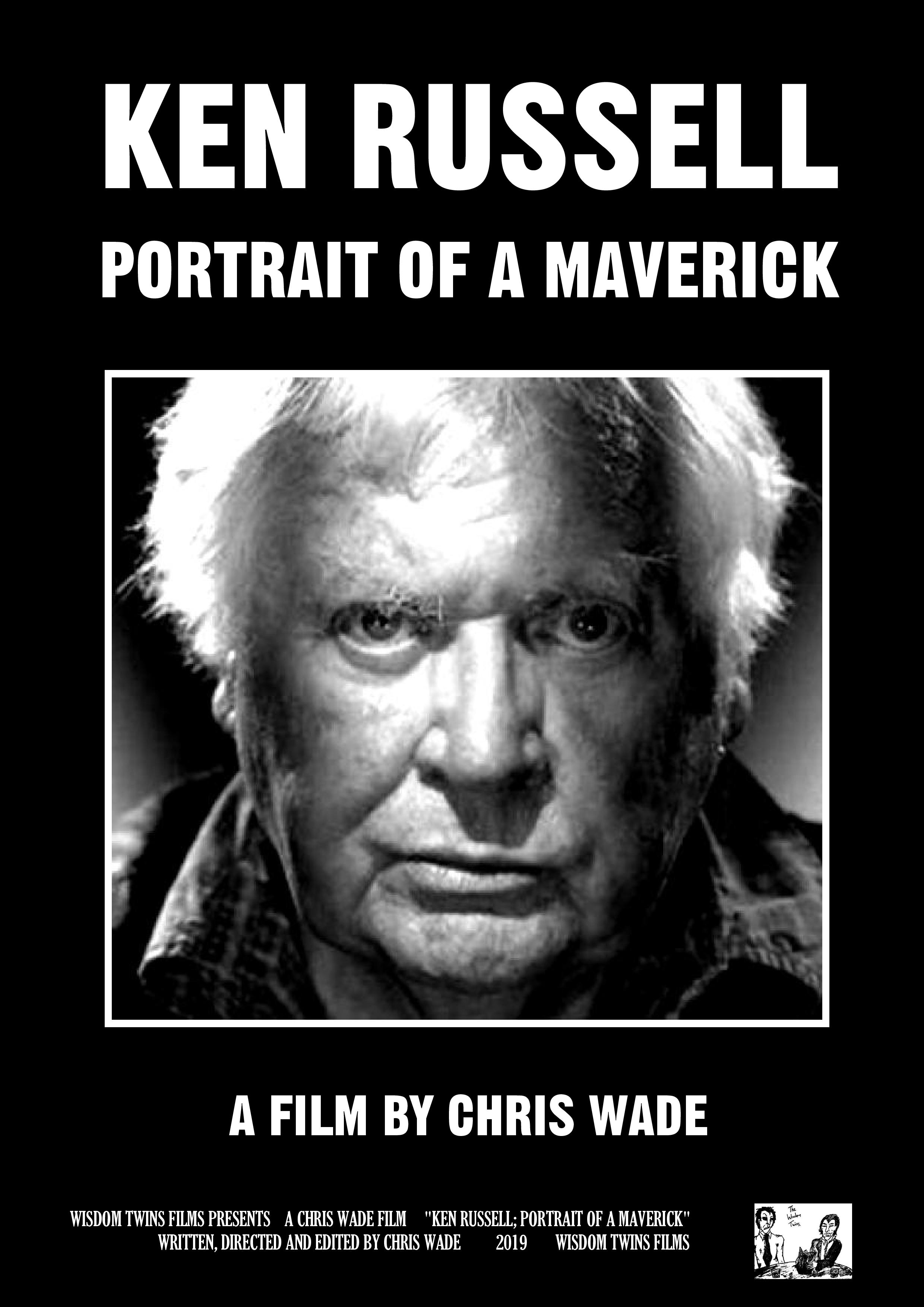
Ken Russell
 United Kingdom
film director•actor•screenwriter
Also known as: Henry Kenneth Alfred Russell
Birthday
July 3, 1927
Birth Sign
Cancer
Birthplace
Southampton, Hampshire, England
Age
Died at 84
Height
5 ft 10 in (178 cm)
About
Ken Russell was a British film director, screenwriter, producer, and actor whose flamboyant and often controversial style redefined British cinema. Born Henry Kenneth Alfred Russell on July 3, 1927, in Southampton, he became one of the most daring filmmakers of his generation, known for pushing boundaries around sexuality, religion, and music through a prism of stylized excess.
His most celebrated works include the Academy Award-winning romantic drama Women in Love (1969), the historical horror The Devils (1971), the musical fantasy Tommy (1975) featuring The Who, and the sci-fi horror Altered States (1980). He also directed a series of films about classical composers, including Elgar, Delius, Tchaikovsky, Mahler, and Liszt, which remain benchmarks for biographical filmmaking. In 2001, he received the BAFTA Fellowship for his lifetime contribution to British cinema.
Russell's influence on British cinema was profound. Film critic Mark Kermode noted in 2006 that Russell proved British cinema didn't have to stick to kitchen-sink realism but could be as flamboyant as Fellini. Russell passed away on November 27, 2011, at the age of 84, leaving behind a body of work that continues to provoke and inspire. His legacy endures through ongoing restorations and re-releases, including the 4K Director's Cut of The Devils in 2026, which brought his original vision to new audiences.
Early Life & Background
Russell was born into a working-class family in Southampton; his father worked in a factory and his mother was a seamstress. His childhood was steeped in the arts, particularly dance and photography. Before committing to filmmaking, he served in the British Army from 1945 to 1946, worked as a still photographer, and trained as a dancer with the Sadler's Wells Ballet.
He studied art and design at Southampton College of Art, where he honed the visual sensibility that would define his cinematic aesthetic. His early interest in classical music and composers began in his youth, laying the groundwork for his future biographical films.
In 1955, Russell joined the BBC as a director, where he gained critical acclaim for his "Composer Portraits" series, including Elgar (1962), The Debussy Game (1965), and Sibelius (1966). These works were revolutionary, using surreal imagery and non-linear storytelling to depict the inner lives of composers rather than just historical facts. Elgar won an Emmy Award for Outstanding Achievement in Film Production, establishing Russell's reputation as a pioneer of television drama.
Career Growth
Russell transitioned to feature films with Women in Love (1969), based on D.H. Lawrence's novel, which became his international breakthrough. It won the Silver Bear at the Berlin International Film Festival and the Academy Award for Best Actress for Glenda Jackson, cementing his reputation as a major filmmaker. The film also earned him a BAFTA Award for Best Film Editing.
The 1970s saw his most notorious and celebrated works. The Devils (1971), a harrowing depiction of mass hysteria in a 17th-century French convent, was banned in the UK upon release due to its graphic religious and sexual content. Despite the ban, it remains a cult classic. He also directed Tommy (1975), the first rock musical film, based on The Who's album, featuring a star-studded cast including Roger Daltrey and Elton John. Altered States (1980), starring William Hurt, brought him back to the mainstream with a sci-fi horror narrative about sensory deprivation and evolution.
Russell continued to work steadily but with less commercial impact in the 1980s and 1990s, directing films like Gothic (1986), a fictionalized account of the summer Lord Byron spent with Mary Shelley. In his final years, he returned to low-budget, independent productions, often self-financing to maintain creative control. Notable late works include The Lair of the White Worm (1988) and various TV movies. He remained active until shortly before his death, continuing to champion experimental cinema.
Career Timeline
Public Image & Style
Russell is remembered as a "visionary provocateur." Media portrayals emphasize his refusal to conform to British realism, instead embracing the operatic and the shocking. Fans, often referred to as "Russellites," celebrate his unique blend of music, history, and eroticism. His public image is one of a fearless artist who prioritized artistic integrity over commercial safety.
His films often sparked controversy and debate, with critics and audiences divided over his explicit depictions of sexuality and religion. Yet his visual style and bold storytelling have earned him a lasting place in cinema history, influencing generations of filmmakers. He was featured on the cover of Time magazine in 1971 following the release of The Devils, and his work has been ranked in lists like Empire's "100 Greatest British Films."
Fame & Fandom (iFAMOUS Rankings)
Ken Russell remains a defining, if polarizing, figure in the history of British cinema, recognized for a career that prioritized artistic provocation over commercial safety. His legacy is anchored by films like The Devils and Women in Love, which continue to spark debate regarding their depictions of sexuality and religion. Despite his enduring influence on film critics and scholars who view him as a visionary provocateur, Ken Russell does not currently hold a placement in the published Global Top 1,000 rankings or any specific scope list managed by iFANN. This absence of a numerical rank reflects an evaluation where his fame, while significant within academic and cinephile circles, has not translated into the broad, contemporary global metrics required for a top-tier ranking position. The lack of a formal fandom name further distinguishes his reception; unlike modern pop icons with organized supporter bases, Russell's audience consists primarily of film historians, critics, and enthusiasts who appreciate his stylized excess rather than engaging in active fan campaigns or rituals. There are no documented fan clubs, social media movements, or fan-funded projects dedicated to his memory. Instead, the narrative surrounding him is one of historical importance and controversial artistry, preserved through the continued study of his work and the recent restoration efforts of his most contentious films. While he was once described as the "wild man of British cinema," his current standing is that of a respected but unranked historical figure whose impact is measured in cultural shifts rather than viral popularity.
Interesting Facts and Legends
Russell's background as a trained dancer profoundly influenced his directorial style, resulting in fluid, balletic tracking shots that became a signature of his work. In his later years, he frequently self-funded his productions to bypass studio interference, leading to a period of highly experimental, low-budget filmmaking. He maintained a close friendship with Pete Townshend and Roger Daltrey, with his direction of Tommy widely considered definitive by fans of The Who. For The Devils, Russell insisted on using real horses and actual blood, creating friction with censors and production teams. Standing approximately 5 feet 10 inches tall, he retained an athletic build from his dance and military service. A central pillar of his legend is the extraordinary controversy generated by The Devils, which faced bans in multiple countries due to its depiction of religious hysteria and sexual themes. The 2026 release of a 4K NC-17 version of this film, overseen by his widow Hetty Baynes, has cemented its status as a foundational text of cinematic lore. Fans often recount stories of the film's initial reception as intellectual upheaval rather than typical crowd reactions, framing Russell as a pioneer who explored taboo subjects through a prism of stylized excess. His death on November 27, 2011, marked the passing of a polarizing artist, leaving behind a body of work that continues to challenge and divide audiences decades later.
Notable Quotes
“I want to make films that are like dreams, not like reality.”
“If you don't shock people, you're not doing your job.”
“The only thing I'm afraid of is boredom.”
Family & Personal Life
Ken Russell was born into a working-class family in Southampton; his father worked in a factory and his mother was a seamstress. He had no siblings mentioned in public records, but his household was filled with music and dance from an early age. His first marriage was to Shirley Ann Russell (née Hogg) in 1955; they had two children, David and Sarah, before divorcing in 1963. Shirley Ann was a dancer and actress who appeared in some of his early BBC productions.
In 1971, he married Hetty Baynes, an American actress and model. They remained married until Russell's death in 2011. They had no children together. Hetty Baynes has been vocal about preserving her husband's legacy and overseeing the restoration of his films, including the 2026 release of The Devils. She manages his estate and continues to advocate for the preservation and re-release of his work.
Notable Connections
Ken Russell collaborated with several notable actors and musicians. Glenda Jackson starred in Women in Love and won an Oscar for her role under his direction. Roger Daltrey and Pete Townshend of The Who worked closely with him on Tommy. William Hurt starred in Altered States. Oliver Reed was a frequent collaborator, appearing in The Devils, The Music Lovers, and The Lair of the White Worm. His wife, Hetty Baynes, managed his estate after his death.
Relationships & Dating History
Ken Russell's personal life was as colorful as his films. He married twice, with his first marriage to Shirley Ann Russell (née Hogg) in 1955. They had two children, David and Sarah, and divorced in 1963. Shirley Ann was a dancer and actress who appeared in some of his early BBC productions.
In 1971, he married Hetty Baynes, an American actress and model. They remained married until Russell's death in 2011. They had no children together. At the time of his death, Russell was married to Hetty Baynes, who continues to manage his estate and preserve his legacy.
- MarriedShirley Ann Russell1955 - 1963Married in 1955, had two children, divorced in 1963.
- MarriedHetty Baynes1971 - 2011CurrentMarried in 1971, remained together until Russell's death in 2011.
Death & Aftermath
Died
November 27, 2011 (aged 84)
Death Place
Unknown
Cause of Death
Unknown
The British filmmaker Ken Russell died on November 27, 2011, at the age of 84. Born on July 3, 1927, he maintained a reputation as an iconoclastic artist known for controversy throughout his career. Public records do not specify the location of his death, the medical cause, or any official report regarding the circumstances surrounding the event.
While immediate memorials or funeral details remain unrecorded in historical accounts, the legacy of Russell continued to generate significant media interest over a decade after his death. In October 2026, Warner Bros. released a 4K restored director's cut of his 1971 film The Devils in theaters. This release marked the first time the movie appeared in its full, uncensored NC-17 form in over fifty years. Guillermo del Toro provided commentary for the trailer of this restoration, highlighting the original vision of the work.
The North American premiere of this 4K restoration took place at the Toronto International Film Festival in August 2026. This event served as a prominent recognition of Russell's uncompromising style and enduring influence within the film community.
Net Worth (Estate Value)
$10 Million
iFANN Editorial Team estimate
Per iFANN's editorial analysis, the estate of Ken Russell is valued at $10 Million as of 2026. This figure reflects ongoing revenue streams from royalties, licensing fees, and the 2026 4K restoration and re-release of The Devils . Income is generated primarily through theatrical releases, home video sales, and streaming rights to his catalog, including Women in Love, Tommy, and The Devils . The 2026 restoration project represents a significant recent financial event, likely generating millions in box office and licensing fees under the supervision of his widow Hetty Baynes. Additional revenue sources include merchandise sales of DVDs, Blu-rays, and collectibles, alongside proceeds from the sale of properties located in London and along the South Coast of England. Hetty Baynes manages the estate, overseeing licensing deals and restoration projects to ensure Russell's work reaches new audiences.
Awards Won (4)
Ken Russell won numerous awards throughout his career, including an Emmy for Elgar, a BAFTA for Women in Love, and the Silver Bear at the Berlin International Film Festival. He also received the BAFTA Fellowship in 2001, a lifetime achievement award recognizing his contribution to British cinema.
1970 · Best Film Editing
Women in Love
2001 · Lifetime Achievement
Known For
Women in Love
1969 · Director
The Devils
1971 · Director
Tommy
1975 · Director
Altered States
1980 · Director
Gothic
1986 · Director
Keywords
Sources
Quick Facts
- Profession
- film director, actor, screenwriter
- Born
- July 3, 1927
- Birthplace
- Southampton, Hampshire, England
- Died
- November 27, 2011
- Death Place
- London, England
- Gender
- Male
- Spouse
- Hetty Baynes, Shirley Ann Russell
- Birth Sign
- Cancer
- Height
- 5 ft 10 in (178 cm)
Personal Details
- Full Name
- Henry Kenneth Alfred Russell
- Height
- 5 ft 10 in (178 cm)
- Spouse
- Hetty Baynes, Shirley Ann Russell
- Children
- 2 (David Russell, Sarah Russell)
- Education
- Southampton College of Art
Frequently Asked Questions
What is Ken Russell best known for?
How did Ken Russell die?
Was Ken Russell ever married?
Why was The Devils banned?
Is there a new version of The Devils coming out in 2026?
Similar People
Join the community
fans discussing