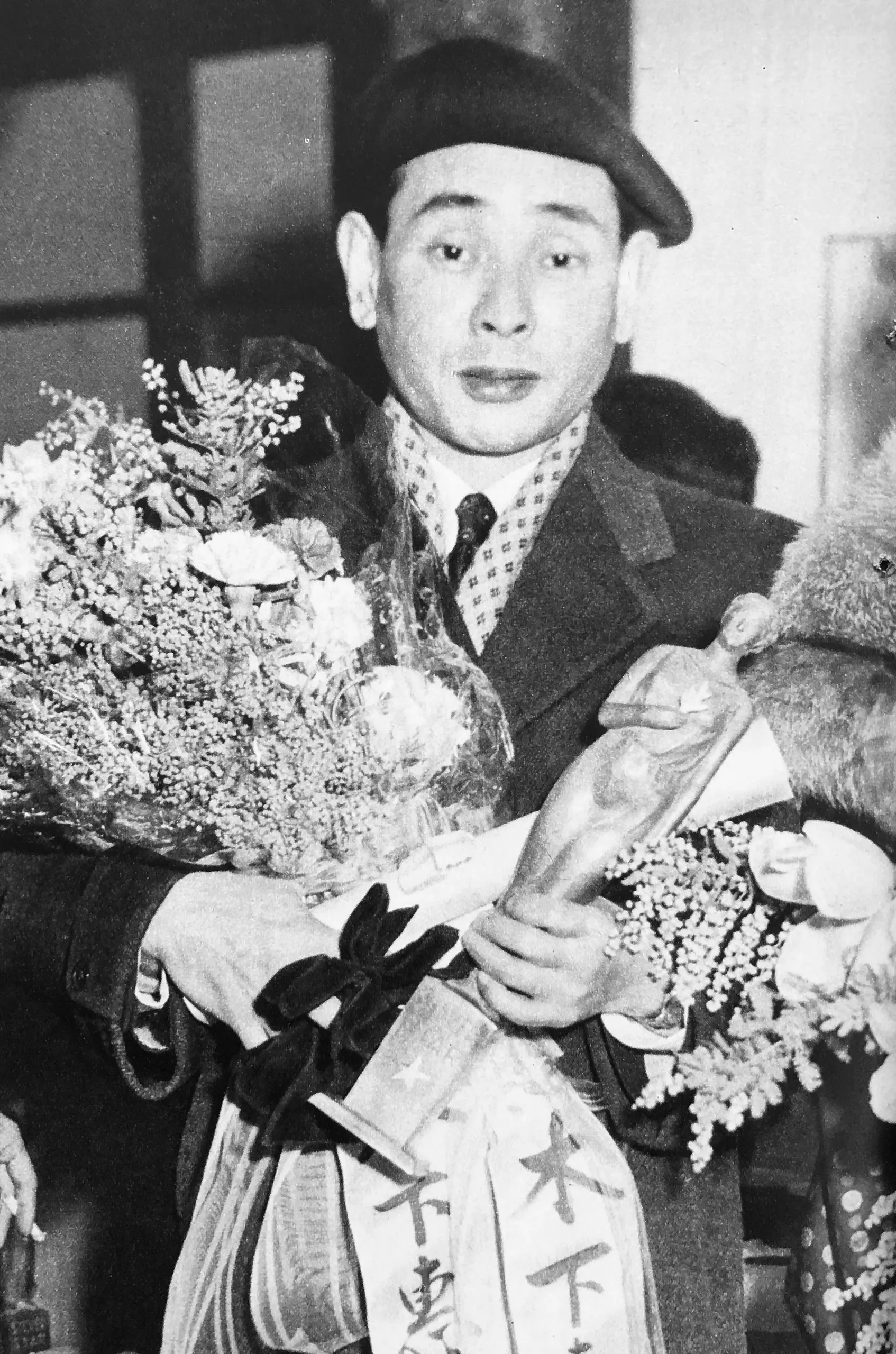
Keisuke Kinoshita
Awards & Honours
18
Awards Won
4
Honours
3
Rankings
3
Covers
3
Records
Keisuke Kinoshita's achievements place him among the most honored Japanese directors of his generation. He is one of only two Japanese directors to win the Golden Globe for Best Foreign Film twice (the other being Akira Kurosawa). Twenty-Four Eyes was ranked the number one Japanese film of all time by Kinema Junpo in 1999, and it placed 43rd in the 2012 Sight & Sound critics' poll. In 1989, he received the Order of the Rising Sun, Gold Rays with Rosette, one of Japan's highest civilian honors. His hometown of Hamamatsu named him an honorary citizen in 1990. The longevity of his films, regularly restored, screened at international festivals, and released on home video, testifies to their enduring emotional power.
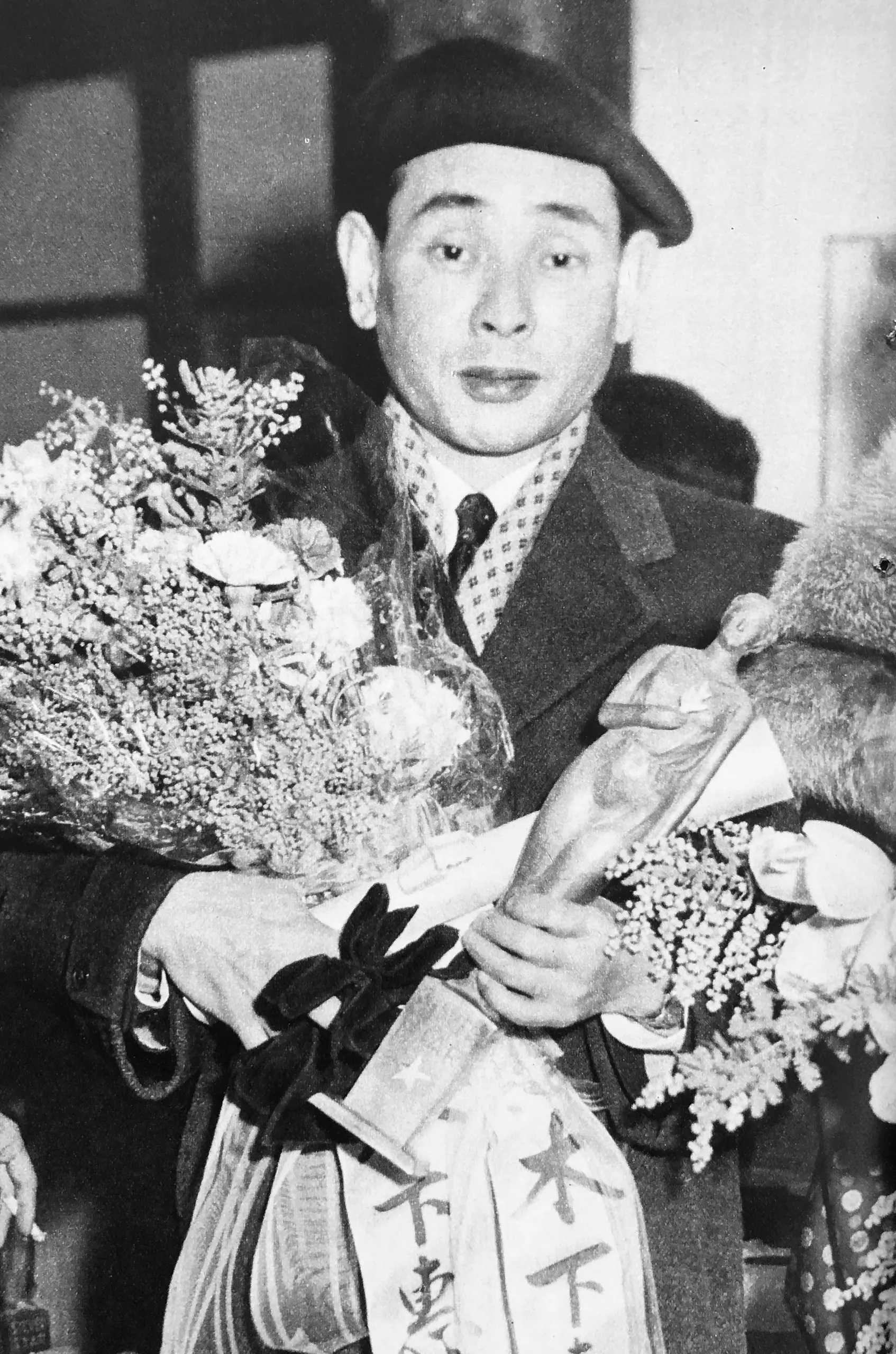
Awards
Honours & Distinctions
Order of the Rising Sun, Gold Rays with Rosette
Awarded for contributions to Japanese cinema.
Honorary Citizen of Hamamatsu
Recognized for cultural achievements and bringing honor to his birthplace.
Mainichi Film Award Lifetime Achievement
Special award recognizing his entire career.
Japan Academy Prize Special Award
Posthumous lifetime achievement award.
Rankings & Lists
Sight & Sound Greatest Films of All Time
Kinema Junpo's Top 100 Japanese Films
Rolling Stone Japan's 100 Greatest Japanese Films
Magazine Covers
Kinema Junpo
March 1954
Twenty-Four Eyes issue
Kinema Junpo
July 1958
The Ballad of Narayama issue
Kinema Junpo
January 1999
Tribute issue after his death
Records & Feats
First Japanese director to make a feature-length color film
Directed Carmen Comes Home (1951) using the Fujicolor process, pioneering color cinema in Japan.
Only Japanese director to win two Golden Globes for Best Foreign Film
Won in 1955 for Twenty-Four Eyes and in 1959 for The Ballad of Narayama.
Kinema Junpo's #1 Japanese Film of All Time
Twenty-Four Eyes was ranked the greatest Japanese film in a 1999 poll by Kinema Junpo magazine.