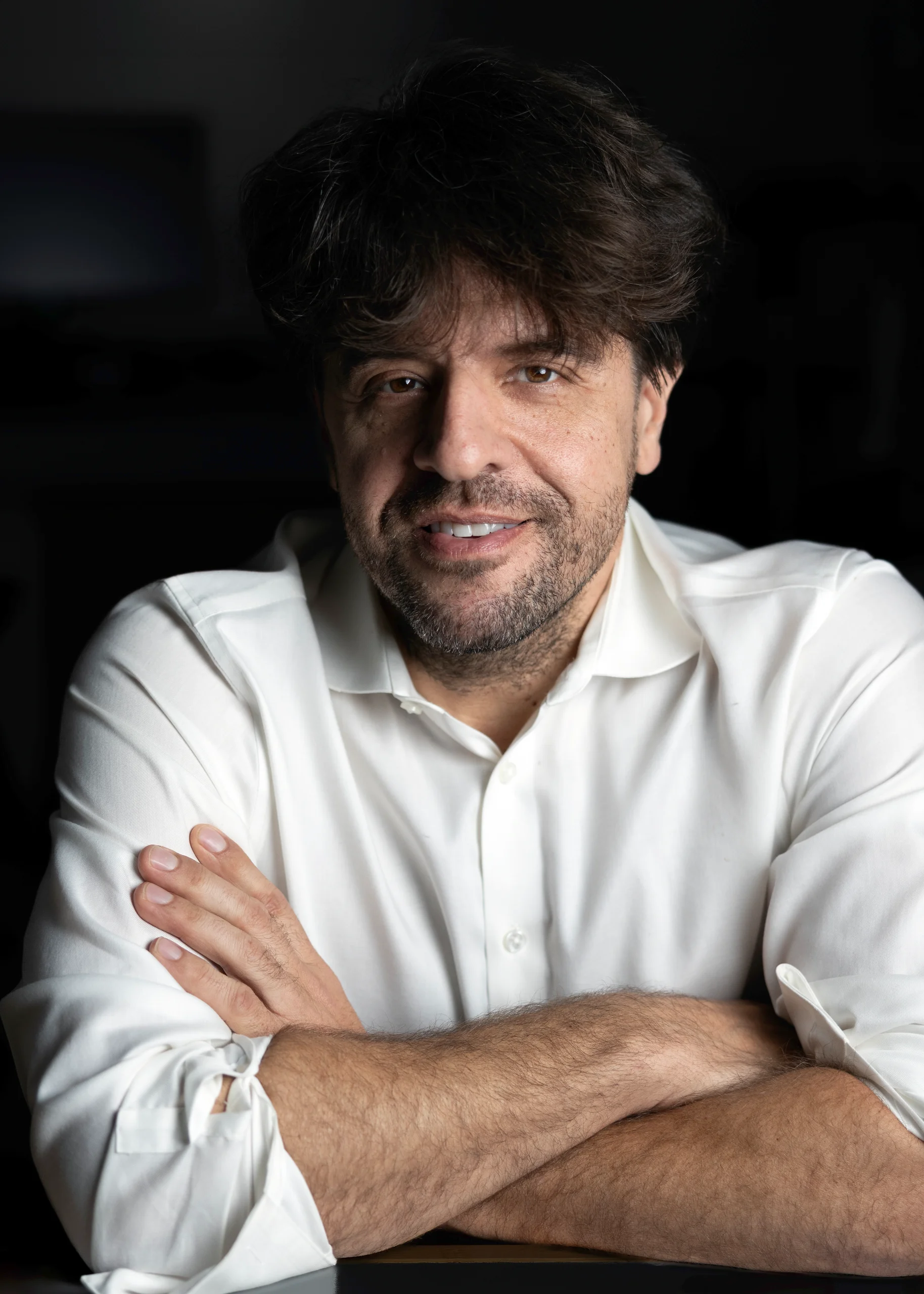
Karl Deisseroth
Awards & Honours
5
Awards Won
5
Honours
2
Rankings
2
Covers
2
Records
Karl Deisseroth's achievements represent a pinnacle in modern neuroscience. He is the only individual to hold memberships in all three US National Academies (Engineering, Sciences, and Medicine) while still under 55. His invention of optogenetics has revolutionized the field, allowing precise control of neural activity and leading to new treatments for mental illness. The 2026 Nobel Prize cements his status as one of the most influential scientists of the 21st century.
Awards
Honours & Distinctions
Member, U.S. National Academy of Engineering
Elected for contributions to bioengineering and optogenetics.
Member, U.S. National Academy of Sciences
Elected for contributions to neuroscience and bioengineering.
Member, U.S. National Academy of Medicine
Elected for contributions to medicine and neuroscience.
Honorary Doctorate
Recognized for contributions to biomedical engineering.
Honorary Doctorate
Recognized for contributions to neuroscience.
Rankings & Lists
Top 10 Most Influential Scientists
Top 100 Global Innovators
Magazine Covers
Scientific American
October 2026
The Light That Heals
Time
November 2026
Person of the Year Finalist
Records & Feats
First Use of Optogenetics in Mammalian Brain
Published the first paper demonstrating the use of channelrhodopsin-2 to control neurons in living mammals.
Highest Citation Count for Optogenetics Paper
His 2005 Nature paper remains one of the most cited articles in neuroscience history.