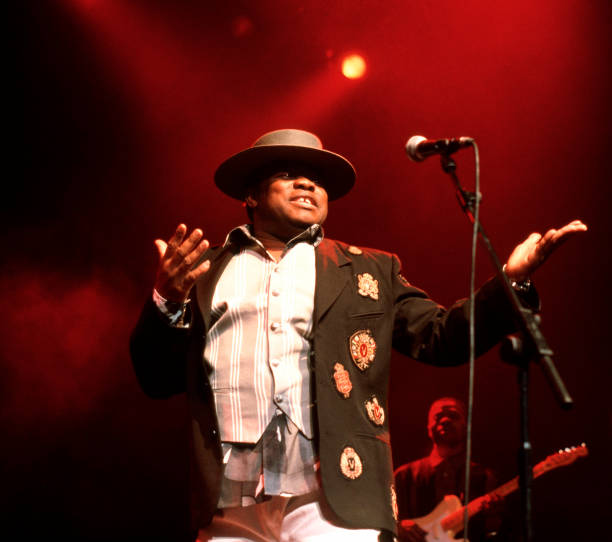
Kanda Bongo Man
 DR Congo
Also known as: Bongo Kanda, King of Kwassa Kwassa
Birthday
January 1, 1955
Birth Sign
Capricorn
Birthplace
Inongo, Democratic Republic of the Congo
Age
71 years old
About
Kanda Bongo Man is a Congolese soukous musician and singer, widely celebrated as the "King of Kwassa Kwassa." Born Bongo Kanda in 1955, he reversed his name for the stage, a common practice among Congolese artists. Over a career spanning five decades, he has become one of Africa's most influential musical figures, known for his high tenor voice and innovative guitar-driven sound.
His music blends Lingala and French lyrics with infectious dance rhythms, and his live performances have taken him across Europe, the United States, and Africa. As of 2026, he continues to tour and record, maintaining a devoted international following. His legacy is defined by a fundamental restructuring of soukous that gave birth to the kwassa kwassa dance, a style that swept through Africa and beyond.
Early Life & Background
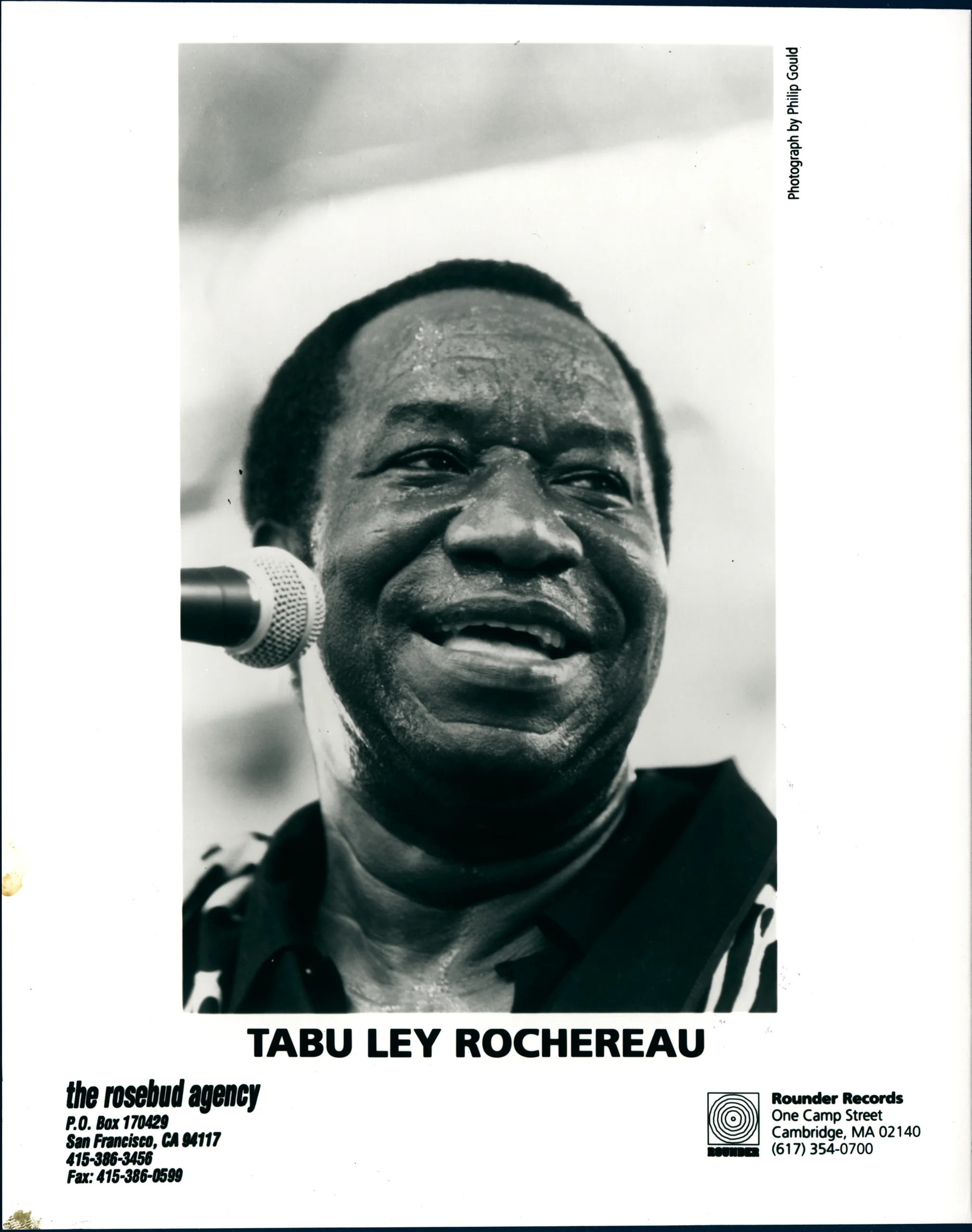
Kanda Bongo Man was born on January 1, 1955, in Inongo, a town in the western Democratic Republic of the Congo, along the Congo River. Details of his childhood and schooling are scarce, but his musical path began in 1973 when he joined the Kinshasa-based orchestra Belle Mambo as lead singer. Under the mentorship of Tabu Ley Rochereau, a towering figure in Congolese rumba, he honed his vocal style and stage presence.
His time with Belle Mambo was formative, grounding him in the traditions of Congolese dance music. Yet the turning point came in 1979, when he relocated to Paris. There, he absorbed the high-energy zouk rhythms of the band Kassav, which would profoundly influence his solo work. This fusion of Congolese rumba and Caribbean zouk set the stage for his revolutionary approach to soukous.
Career Growth
Kanda Bongo Man's solo career took off with the release of Iyole in 1981 and Djessy in 1982, both commercial successes that established him as a major artist. His most significant innovation came when he restructured the traditional soukous format, inserting guitar solos after every vocal verse rather than reserving them for the end. This change energized the music and directly inspired the kwassa kwassa dance, characterized by hip movements and synchronized hand gestures.
Throughout the 1980s, his band featured the legendary guitarist Diblo Dibala, whose rapid-fire playing on albums like Kwasa Kwasa and Amour Fou became a hallmark of his sound. In the 1990s, guitarist Rigo Star took over as a key collaborator. Many musicians who passed through his band went on to successful solo careers, amplifying his influence. He performed at the LIVE 8: Africa Calling concert in Cornwall in July 2005 and continues to headline festivals, including the Africa Oyé Festival in Liverpool as recently as June 2022.
Career Timeline
Public Image & Style
Kanda Bongo Man is regarded as an innovative pioneer who reshaped soukous music. His public persona is that of a master showman, with high tenor vocals and infectious rhythms that get audiences dancing. The New York Times praised his music as "a lilting, rippling, dance groove that seems to smile from every register." He is consistently billed as the "King of Kwassa Kwassa," a title that reflects his role in creating the dance craze. His concerts are celebrations of Congolese culture, drawing fans who appreciate both his musical legacy and his enduring energy on stage.
Fame & Fandom (iFAMOUS Rankings)
Kanda Bongo Man currently holds the position of the 71st most famous person in Afrobeats, a standing he has maintained from the previous cycle. This placement within the iFANN Global Fame Rankings underscores his enduring relevance as a foundational figure who reshaped soukous for international audiences. While his music travels through media coverage and consumption signals worldwide, his specific rank reflects a consistent presence that few artists in his genre sustain over five decades. Beyond these metrics, his audience is a dedicated mix of the global Congolese diaspora and enthusiasts of African music rather than a structured group with a formal name. There are no documented fan campaigns, charity drives, or organized rituals associated with him; instead, his legacy lives through concert attendance and the steady consumption of his catalog on platforms like YouTube. His status as a living legend was recently reinforced when he received a lifetime achievement award in the UK in December 2025, an honor that celebrated his career longevity since joining a Kinshasa band in 1973. Stories about his influence often circulate among fans, such as the well-known connection to Vampire Weekend sampling his work, yet these remain cultural footnotes rather than viral folklore events. The lack of a named fandom does not diminish his impact, as his music continues to revolutionize soundscapes across South Africa and Europe, keeping the party going late into the night at venues ranging from the World Music Institute to the Malawi Awards UK.
Interesting Facts and Legends
His stage name is a direct reversal of his birth name, Bongo Kanda. He sings in both Lingala and French, often switching between the two languages within the same song. The kwassa kwassa dance, which he inspired, became a global phenomenon in the 1980s. His guitarist Diblo Dibala earned the nickname "Machine Gun" for his rapid playing style. He has a modest but enduring streaming presence, with over 34,000 monthly listeners on Last.fm. A notable story frequently referenced involves the American indie band Vampire Weekend sampling his work, a point of connection between Congolese soukous and Western indie pop that fans still retell. In December 2025, he was feted in England and honored with a lifetime achievement award in the UK, reinforcing his status as a living legend. Reviews from 2014, 2018, and 2021 consistently describe his performances as maintaining high energy and infectious danceability, often keeping the party going late into the night.
Family & Personal Life
Public details about Kanda Bongo Man's family are limited. He was born in Inongo, but information about his parents or siblings has not been widely reported. He maintains a private personal life, and no records of a spouse or children are available in credible sources. His focus has remained on his music career, which has taken him across the globe.
Notable Connections
Kanda Bongo Man's career has been shaped by key collaborations. Tabu Ley Rochereau was an early influence during his time with Belle Mambo. Guitarist Diblo Dibala, known as "Machine Gun," played a crucial role in his 1980s sound, while Rigo Star contributed in the 1990s. The zouk band Kassav also influenced his Paris-era style.
Relationships & Dating History
Kanda Bongo Man has kept his personal life remarkably private. No credible sources document any romantic relationships, marriages, or children. He has not publicly discussed his dating history, and media coverage focuses exclusively on his music. As of 2026, his relationship status remains unknown, and it is likely he prefers to keep that aspect of his life away from the public eye.
Salary, Net Worth In 2026
$5 Million
iFANN Editorial Team estimate
Estimating Kanda Bongo Man's net worth is challenging due to limited public financial data. As a veteran touring artist with a career spanning over four decades, his income stems from live performances, album sales, streaming royalties, and music publishing. Per iFANN's editorial analysis, his estimated net worth stands at $5 Million as of 2026, reflecting his sustained career and global reach. While no official figures are available, his enduring presence in the international music scene suggests a comfortable financial standing derived from his extensive discography and continued touring schedule.
Awards & Accolades
View 2 records, honours and achievementsKnown For
Iyole
1981 · Album
Djessy
1982 · Album
Kwasa Kwasa
1985 · Album
Amour Fou
1987 · Album
Keywords
Sources
Quick Facts
- Profession
- musician, songwriter, singer
- Born
- January 1, 1955
- Birthplace
- Inongo, Democratic Republic of the Congo
- Gender
- Male
- Birth Sign
- Capricorn
- Genre
- Soukous
Personal Details
- Full Name
- Bongo Kanda
Frequently Asked Questions
What is Kanda Bongo Man's real name?
How old is Kanda Bongo Man?
What kind of music does Kanda Bongo Man play?
Where is Kanda Bongo Man from?
What is Kanda Bongo Man known for?
Similar People
Join the community
fans discussing