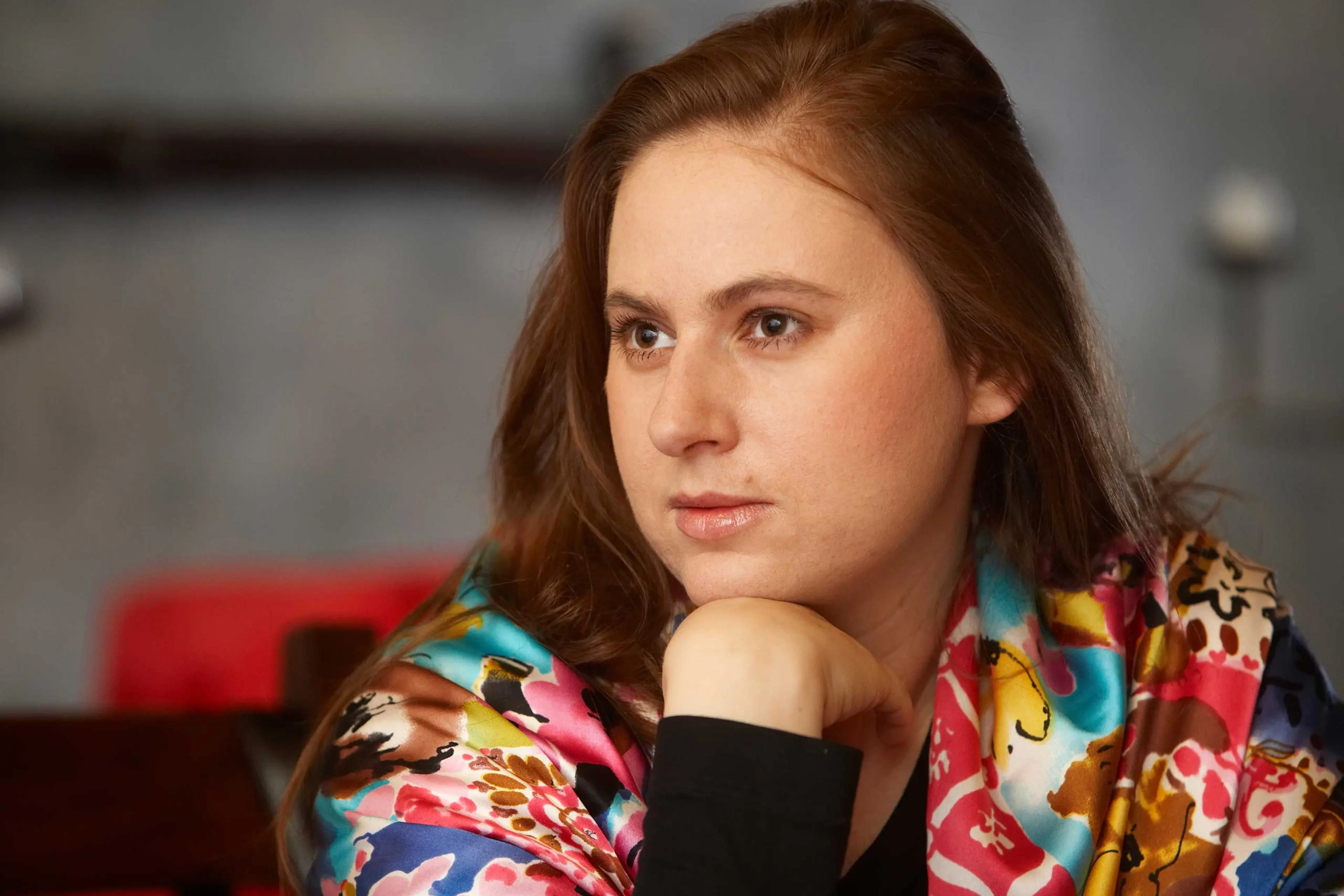
Judit Polgár
 Hungary
chess grandmaster•author•coach•public speaker
Also known as: Polgár Judit, Judit Polgar, Queen of Chess
Birthday
July 23, 1976
Birth Sign
Leo
Birthplace
Budapest, Hungary
Age
50 years old
Height
5 ft 5 in (165 cm)
About
Judit Polgár, born on 23 July 1976 in Budapest, is a Hungarian chess grandmaster and the strongest female player in history. She is the only woman to have ever broken into the world's top 10, reaching a peak rating of 2735, and she held the No. 1 spot among women for 26 consecutive years, from January 1989 until her retirement in 2014. That record still stands. Her résumé includes wins at Hastings 1993, Madrid 1994, León 1996, the U.S. Open 1998, Hoogeveen 1999, Sigeman & Co 2000, Japfa 2000, and the Najdorf Memorial 2000.
In 2002, she made history by becoming the only woman to defeat a reigning world No. 1, Garry Kasparov, in a classical game. Over her career she beat eleven current or former world champions, including Magnus Carlsen, Anatoly Karpov, and Viswanathan Anand. In 2014 she stepped back from competitive play, and in 2015 she became captain and head coach of the Hungarian men's national team. That same year she received the Grand Cross of the Order of Saint Stephen, Hungary's highest civilian honor.
Polgár was inducted into the World Chess Hall of Fame in 2021, and in 2024 FIDE named her the best female player of the past century with its 100 Award. In July 2026, Prime Minister Péter Magyar proposed her as a presidential candidate, but she declined, calling it the greatest honor of her life while admitting she lacked the strength to unite a divided nation. She continues to promote chess through coaching, writing, and the Netflix documentary Queen of Chess.
Early Life & Background
Judit Polgár was born into a grand experiment. Her father, László, a psychologist and educator, homeschooled her and her sisters Susan and Sofia with a radical thesis: geniuses are made, not born. The girls studied chess, languages, and mathematics from a very young age, with no formal schooling. By age four, Judit was playing chess; by six, she was beating adult club players. Her early education was entirely self-directed under her father's tutelage, though she occasionally attended classes for socialization.
Her first major breakthrough came at age 12, when she became the youngest player ever rated in the world's top 100. At 15 years and 4 months, in 1991, she achieved the Grandmaster title, breaking Bobby Fischer's record for the youngest grandmaster. That record stood until Magnus Carlsen surpassed it decades later. Her rise was swift and deliberate, fueled by an intense focus on chess theory and strategy from her father's curriculum.
The Polgár sisters were the first trio of siblings to all achieve the Grandmaster title, a feat that drew worldwide attention to their father's educational methods. Judit's early years were defined by this family unit and the singular goal of testing the limits of human potential through chess.
Career Growth
Judit Polgár's career is defined by her refusal to compete exclusively in women's tournaments. She chose to challenge the best male players in the world, which led to a string of historic victories. In 1993, she won the Hastings International Chess Congress, beating several male grandmasters. She followed with wins at the Madrid Open in 1994 and the León Open in 1996. In 1998, she became the first woman to win the U.S. Open Chess Championship.
In 2000, she had a banner year, winning the Sigeman & Co tournament, the Japfa tournament, and the Najdorf Memorial. In 2002, she achieved her most famous victory, defeating reigning world No. 1 Garry Kasparov in a classical game. Over her career, she defeated eleven current or former world champions, including Anatoly Karpov, Viswanathan Anand, and Magnus Carlsen. In 2004, she became the only woman to qualify for the final stage of the World Chess Championship cycle.
After retiring from competitive play in 2014, Polgár moved into coaching and advocacy. In 2015, she was appointed captain and head coach of the Hungarian men's national team. In 2021, she was inducted into the World Chess Hall of Fame, and in 2024, FIDE awarded her the 100 Award as the best female player of the past century. In 2026, a Netflix documentary titled Queen of Chess chronicled her life and the Polgár sisters' story.
Career Timeline
Public Image & Style
Judit Polgár is known for her fierce competitive spirit and her refusal to be defined by gender. She has been called the "Queen of Chess" for her unprecedented achievements in a male-dominated sport. Her public persona is one of intellectual rigor and quiet confidence. She is admired for her dedication to education and her advocacy for chess as a tool for cognitive development. Her social media presence, including her Instagram and YouTube channels, offers fans a glimpse into her training methods and her life beyond the board. She is seen as a trailblazer who inspired a generation of female chess players to aim for the highest levels of the game.
Fame & Fandom (iFAMOUS Rankings)
Judit Polgár stands as a singular force in global culture, transcending the board to become a symbol of intellectual defiance. Her influence is measured not just by trophies but by her enduring position in the world's consciousness. She ranks as the 6th most famous person from Hungary, a standing that has held steady through recent cycles. Within the broader sphere of Olympic Sports, she claims the spot of the 13th most famous person in Olympic Sports. These placements reflect a career where gender barriers were shattered and records were set that still stand decades later. The iFANN Global Fame Rankings track this attention across media coverage, search, and consumption signals worldwide, confirming her status as a modern icon.
Her fanbase lacks a formal name or organized club structure. Instead, support comes from the diffuse global chess community and those inspired by her educational initiatives. Followers on Instagram engage with #chessconnectsus and #queenofchess, while X users follow her direct advocacy for women in sports. A unique chapter in her legend emerged in July 2026 when Hungarian Prime Minister Péter Magyar nominated her for President. Though she declined the offer to remain focused on chess and education, the event sparked viral discussions about her integrity and national pride. This moment cemented her folklore: the woman who conquered the chess world was offered the state and chose to return to her true calling. Her Netflix documentary, Queen of Chess, further amplifies her reach, introducing her story to a mass audience eager to understand the mind behind the myth.
Interesting Facts and Legends
Judit Polgár speaks fluent Esperanto and advocates for its use in international communication. She and her sisters Susan and Sofia were the first trio of siblings to all achieve the Grandmaster title. She has no children, dedicating her life to chess and education. She is fluent in Hungarian, English, German, and Russian. Her father's homeschooling method, known as the "Polgár Experiment," remains a case study in gifted education circles. Beyond these facts, her legacy is built on verified historical moments that define her mythology. On September 11, 1996, at the Linares International Tournament in Spain, she defeated Garry Kasparov, becoming the first woman ever to beat the world number one in a classical game. This victory shattered the glass ceiling in chess and remains the defining moment of her career. In 2005, she reached a peak rating of 2735 and a world ranking of No. 8, making her the only female grandmaster to ever rank within the world's top ten players. Fans still retell the story of her 1989 debut at age 12, when she became the youngest player to break into the top 100 of the world rankings. These achievements are not merely statistics; they are the pillars of her reputation as the undisputed Queen of Chess.
Notable Quotes
“I don't want to be the best woman chess player. I want to be the best chess player.”
“Geniuses are made, not born.”
“It is the greatest honor of my life, but I do not feel enough strength within me to take on the responsibility of uniting a divided nation.”
Family & Personal Life
Judit Polgár was born into a family deeply immersed in chess. Her father, László Polgár, a psychologist, designed the educational experiment that shaped her life. Her mother, Klára, supported the unconventional homeschooling approach. She has two older sisters, Susan and Sofia, both chess grandmasters. The three sisters were the first trio of siblings to all achieve the Grandmaster title. Judit has always been private about her personal life; she has never married and has no children. She remains close to her sisters and often speaks about the importance of family in her development.
Notable Connections
Relationships & Dating History
Judit Polgár has kept her personal life extremely private. There are no credible reports of any romantic relationships, engagements, or marriages. She has never publicly confirmed a partner, and she has no children. Throughout her career, she prioritized chess and her family unit, particularly her sisters. As of 2026, she is reportedly single and unmarried, with no known current partner. Her focus remains on chess advocacy, coaching, and her role as a global ambassador for the game.
Salary, Net Worth In 2026
$5 Million
iFANN Editorial Team estimate
iFANN currently estimates Judit Polgár's net worth at $5 Million as of 2026. Her wealth stems from prize money accumulated over a 30-year career, coaching fees, book royalties, speaking engagements, and media appearances. While chess prize pools are smaller than in most professional sports, Polgár's consistent success at top-tier events added up significantly over the years. After retiring, she took on roles as head coach of the Hungarian men's national team and became a sought-after speaker on leadership, education, and gender equality. Her Netflix documentary Queen of Chess and other media projects have also contributed to her income. She reportedly owns real estate in Budapest, adding to her financial standing. This figure represents the total value of her assets and earnings derived from her multifaceted career in chess and public life.
Awards Won (4)
Judit Polgár has won numerous chess tournaments and received high honors. She is a Grandmaster, won the U.S. Open Chess Championship, and has defeated multiple world champions. She received the Grand Cross of the Order of Saint Stephen in 2015, was inducted into the World Chess Hall of Fame in 2021, and received the FIDE 100 Award in 2024.
2024 · Best Female Player of the Past Century
Career achievements
2021 · Hall of Fame
Career achievements
Known For
Chess Grandmaster
1991 · Youngest grandmaster at the time
Defeating Garry Kasparov
2002 · Only woman to defeat a reigning world No. 1
World Chess Hall of Fame Induction
2021 · Inductee
Keywords
Sources
Quick Facts
- Profession
- chess grandmaster, author, coach, public speaker
- Born
- July 23, 1976
- Birthplace
- Budapest, Hungary
- Gender
- Female
- Birth Sign
- Leo
- Peak Rating
- 2735 (2005)
- World Champion Defeats
- 11 (including Kasparov, Karpov, Anand, Carlsen)
- Years as World No. 1 (Women)
- 26 (1989-2015)
Personal Details
- Full Name
- Judit Polgár
- Height
- 5 ft 5 in (165 cm)
- Education
- Homeschooled by her father, László Polgár; no formal schooling
Frequently Asked Questions
How old is Judit Polgár?
What is Judit Polgár's net worth in 2026?
Did Judit Polgár become the President of Hungary?
What is Judit Polgár's peak chess rating?
Is Judit Polgár married?
Social Media


Join the community
fans discussing