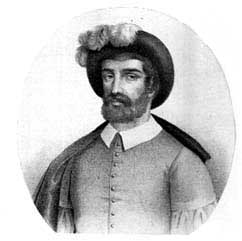
Juan Sebastián Elcano
 Spain
SpainBirthday
+1476-11-30
Birth Sign
Sagittarius
Birthplace
Getaria
Age
Died at 49
About
Born in the Basque town of Getaria around 1476, Juan Sebastián Elcano was a seasoned navigator and seafarer whose name is forever etched in history. He is most famously recognized for captaining the final leg of the first expedition to successfully circumnavigate the globe. After Ferdinand Magellan's death in the Philippines, it was Elcano who took command of the remaining vessel, the Victoria, and guided it back to Spain, completing the monumental voyage in 1522. This incredible feat earned him significant recognition from Charles I of Spain, who granted him a coat of arms featuring a globe and the proud Latin inscription, 'Primus circumdedisti me' – 'You were the first to circumnavigate me'.
Fame & Fandom
Juan Sebastián Elcano stands as a monumental figure in maritime history, his name forever linked to the first successful circumnavigation of the globe. While he commands immense respect among historians and maritime enthusiasts, iFANN's Global Fame Engine has evaluated this person, but they do not currently hold a placement in the published rankings (Global Top 1,000 or a Top-100 scope list). This absence from the modern celebrity charts reflects his status as a historical icon rather than a contemporary personality with active fan campaigns or social media metrics. The closest equivalent to a dedicated following exists through admirers of the Spanish Navy Training Ship *Juan Sebastián de Elcano*, which serves as a living monument to his memory. This vessel acts as an educational hub, drawing students, history buffs, and the general public during its port calls around the world. From Getaria to New York, the ship's arrival sparks civic pride and emotional responses, though these are cultural observances rather than organized fandom rituals. There is no formal fandom name for Elcano himself, nor are there digital campaigns or viral challenges associated with his legacy. His influence persists through the enduring narrative of the first voyage completed in 1522 and the tragic end of his second expedition in 1526. The Basque region actively promotes his story through tourism initiatives, ensuring that the tale of the humble sailor who conquered the oceans remains a central part of regional identity. While he lacks the bustling crowds of a modern star, his presence is felt in every classroom where the Age of Discovery is taught and in every port where the tall ship docks to honor his spirit.
Interesting Facts and Legends
Born in the Basque town of Getaria around 1476, Juan Sebastián Elcano was a seasoned navigator whose name is etched in history for captaining the final leg of the first expedition to successfully circumnavigate the globe. After Ferdinand Magellan's death in the Philippines, it was Elcano who took command of the remaining vessel, the *Victoria*, and guided it back to Spain, completing the monumental voyage in 1522. This incredible feat earned him significant recognition from Charles I of Spain, who granted him a coat of arms featuring a globe and the proud Latin inscription, 'Primus circumdedisti me' – 'You were the first to circumnavigate m'. A widely retold story of his life involves his tragic end; after his triumph, Elcano led a second expedition to the Spice Islands to secure Spanish claims against Portugal. During this voyage, he encountered resistance and conflict, ultimately dying in the Pacific Ocean in August 1526. Unlike modern celebrity deaths, there are no rumors of foul play, as the historical record states he died of illness or wounds sustained during the expedition. In the Basque Country, specifically Getaria, Elcano is revered as a source of immense regional pride, reflected in the naming of streets, statues, and local tourism routes that celebrate his origin at the dawn of the Age of Discovery.
Death & Aftermath
Died
+1526-08-04 (aged 49)
Death Place
Pacific Ocean, near Guam or the Moluccas
Cause of Death
Scurvy, possibly dysentery or exhaustion
The final days of Juan Sebastián Elcano unfolded aboard the Trinidad during the grim Loaísa expedition, as the fleet drifted through the treacherous waters of the Pacific near Guam or the Moluccas. By early August 1526, the seasoned navigator had succumbed to the relentless toll of scurvy, a disease that claimed countless sailors on long voyages due to vitamin C deficiency, though some accounts suggest dysentery or sheer exhaustion played a role in his passing. He died on August 4, 1526, while commanding the fleet after the loss of other leaders. With the crew focused entirely on survival amidst starvation and conflict, any private memorial rites were lost to history, and his body was likely buried at sea as was the custom for mariners who perished far from land.
Public reaction remained limited at the time given the isolation of the voyage, but his legacy eventually blossomed into national hero status within Spain. Tributes emerged over centuries, including statues in his hometown of Getaria and the naming of the Spanish Navy training vessel Juan Sebastián Elcano commissioned in 1927. The 400th anniversary of his death in 1526 marked a significant moment of commemoration, cementing his place among history's greatest explorers.
Awards & Accolades
Keywords
Quick Facts
- Profession
- explorer, seafarer
- Born
- +1476-11-30
- Birthplace
- Getaria
- Died
- +1526-08-04
- Death Place
- Pacific Ocean
- Gender
- Male
- Birth Sign
- Sagittarius
Join the community
fans discussing