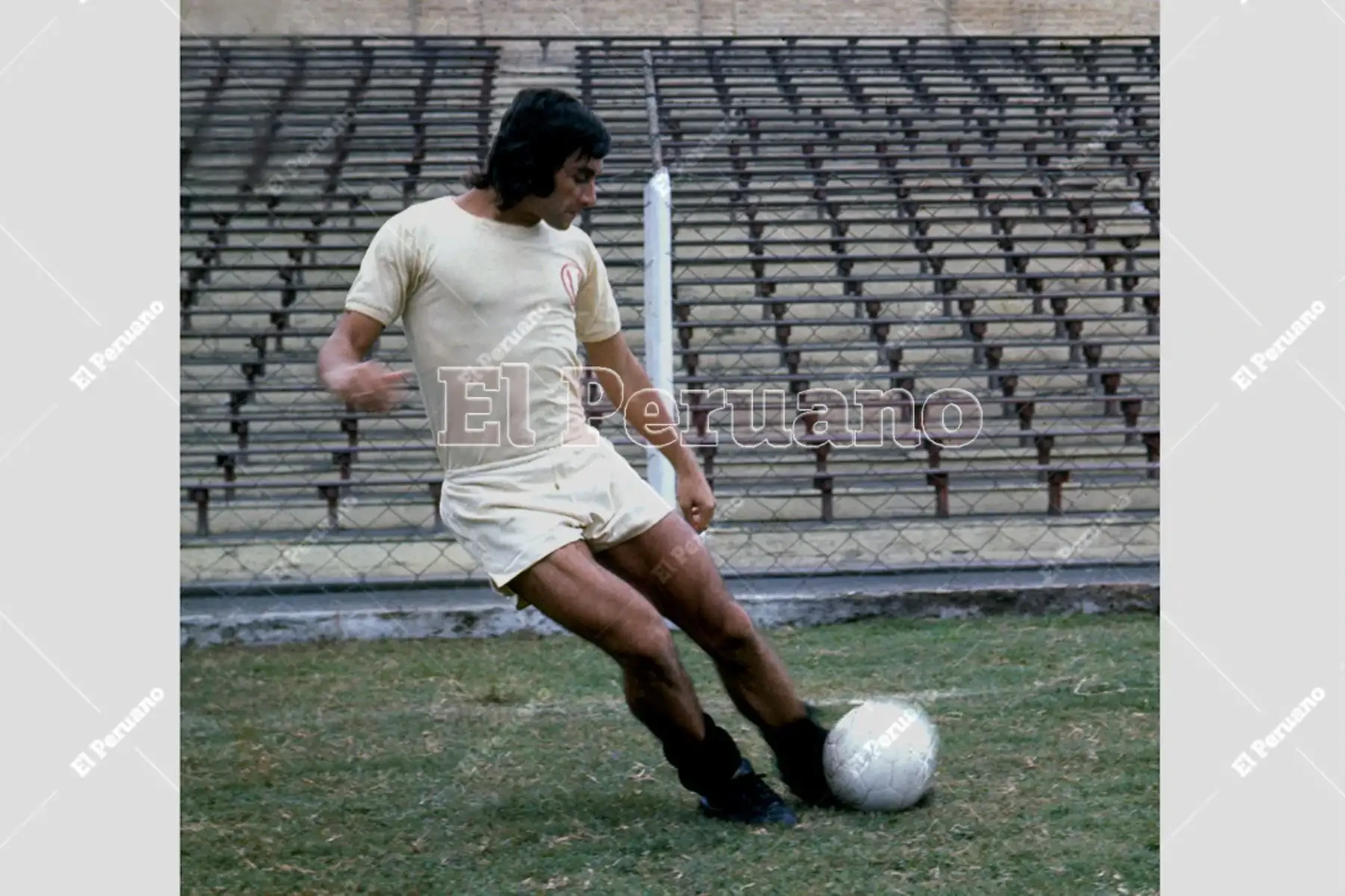
Juan Carlos Oblitas
 Peru
Peruassociation football player•association football coach
Also known as: El Ciego
Birthday
February 16, 1951
Birth Sign
Aquarius
Birthplace
Mollendo, Arequipa, Peru
Age
75 years old
Height
5 ft 7 in (170 cm)
About
Juan Carlos Oblitas Saba is a retired Peruvian footballer and manager, widely regarded as one of the finest left wingers South America produced in the 1970s. Known throughout the football world as "El Ciego" ("The Blind One"), he earned his nickname not from any visual impairment but from a playing style so focused that he seemed oblivious to defenders. Standing 5 ft 7 in, he combined blistering pace, intricate dribbling, and pinpoint crossing to terrorize defenses for over a decade.
Oblitas was a cornerstone of Peru's golden generation, winning the Copa América in 1975 and starring in the 1978 World Cup, where his goal against Scotland helped Peru reach the quarterfinals. He earned 64 caps and scored 11 goals for the national team. After retiring in 1985, he moved into coaching, managing clubs in Peru, Ecuador, and Mexico, and twice taking charge of the national team. His most celebrated coaching achievement came in 1997, when Peru thrashed Argentina 4-1 in Buenos Aires during World Cup qualifying, a result still hailed as a historic high point for Peruvian football.
Today, Oblitas remains a revered figure in his homeland, a living link to a bygone era of flair and creativity. He is often consulted for advisory roles and youth development, and his legacy continues to inspire younger generations of Peruvian players and fans alike.
Early Life & Background
Born on February 16, 1951, in Mollendo, a small port city in the Arequipa region of southern Peru, Juan Carlos Oblitas grew up in a working-class family with little connection to professional football. His early years were spent playing street football with friends, where his natural agility and quick feet first caught the eye of local coaches. At age 17, he joined Universitario de Deportes in Lima, one of Peru's biggest clubs, after impressing in regional youth tournaments.
Oblitas balanced his football development with standard schooling in Arequipa, but the pitch was his true classroom. He rose through Universitario's youth ranks with remarkable speed, making his first-team debut in 1968. His early performances as a left winger were marked by an audacity that would define his career, he would take on multiple defenders, deliver dangerous crosses, and score spectacular goals. By the early 1970s, he was already being touted as one of the most exciting young players in the Peruvian league.
His international breakthrough came on March 4, 1973, when he made his debut for the Peru national team against Bolivia. Within two years, he had established himself as a regular starter, and his performances in domestic and continental competitions earned him a reputation that extended beyond Peru's borders. The 1975 Copa América, which Peru won, served as his coming-out party on the continental stage, setting the foundation for a career that would make him a national icon.
Career Growth
Oblitas's club career was marked by sustained success. With Universitario de Deportes, he won multiple Peruvian league titles and reached the 1972 Copa Libertadores final, a historic achievement for the club. In 1975, he had a brief stint with Spanish side Elche CF, gaining valuable European experience before returning to Peru. He then joined Sporting Cristal, where he added more league championships to his collection, cementing his status as one of the most decorated players of his generation.
On the international stage, Oblitas was a key figure in Peru's memorable 1978 World Cup campaign in Argentina. His goal against Scotland in the group stage was a vital contribution, helping Peru advance to the quarterfinals, their best World Cup showing at the time. He also participated in the 1982 World Cup in Spain, though Peru's performance was less successful. In total, he amassed 64 caps and 11 goals for the national team.
After retiring as a player in 1985, Oblitas transitioned into management. He had successful spells with Universitario and Sporting Cristal, and also coached in Ecuador and Mexico. His most significant achievement as a coach came in 1997 when he led Peru to a stunning 4-1 victory over Argentina in Buenos Aires during World Cup qualifying, a result that remains a benchmark for Peruvian football. He later took charge of the national team on two separate occasions, and in his later years has served as an advisor and mentor, sharing his vast knowledge with younger generations.
Career Timeline
Public Image & Style
In Peru, Oblitas is revered as a symbol of technical brilliance and national pride. His image is that of the "technical wizard" who brought joy to the nation during a golden era of Peruvian football. Fans celebrate his legacy through memorabilia and annual tributes, and he is a central figure in the "Golden Generation" narrative. He does not maintain a significant personal social media presence; instead, his achievements are shared by fan pages and official federation accounts. His public persona is one of humility and dedication, and he is often seen as a mentor to younger players.
Fame & Fandom
Juan Carlos Oblitas currently holds no placement in the iFANN Global Top 1,000 rankings or any published scope list as of August 2026. The iFANN Global Fame Engine has evaluated this profile and determined that while his historical significance remains profound, he does not currently generate sufficient contemporary consumption signals to secure a ranked position among the world's most famous figures. This absence of a numeric rank reflects a shift from active global celebrity to enduring regional reverence rather than a decline in personal stature. His legacy is anchored firmly in the pantheon of Peruvian football history, where he is recognized as a foundational figure of the nation's golden generation. Unlike modern icons who sustain fame through constant digital engagement, Oblitas maintains a presence defined by passive adoration and institutional memory. There is no documented formal name for his fanbase; supporters operate without an organized collective identity such as "The Oblitas Army," relying instead on local tributes and federation accounts to celebrate his career. The public discourse surrounding him centers on the folklore of his nickname, "El Ciego," which serves as the primary cultural identifier rather than a branded movement. Fans retell stories of his uncanny spatial awareness and his pivotal role in the 1978 World Cup campaign, yet these narratives exist as shared heritage rather than active campaigns. The near-transfer to Brighton & Hove Albion following the tournament remains a staple of his legend, highlighting international interest that never materialized into a permanent move. While search trends and media coverage fluctuate, the core of his fame rests on his status as a technical wizard who brought joy to a nation during a specific era, preserving his image as a national hero without the need for structured fan rituals or viral moments.
Interesting Facts and Legends
Oblitas was born in Mollendo, a small port city, and his ascent from this modest town to national stardom remains a source of immense pride for the region. He earned the nickname "El Ciego" not due to visual impairment but because of a playing style so intensely focused that he appeared oblivious to defenders, a trait some attribute to his habit of keeping his head down while dribbling. Following the 1978 World Cup, English club Brighton & Hove Albion came perilously close to signing him alongside teammate Percy Rojas, though the transfer ultimately collapsed. A story fans still retell involves his performance against Iran in June 1978, where he played as a key figure in Peru's journey to the quarterfinals. Another legendary narrative concerns his leadership during a crucial World Cup qualifier against Argentina, cementing his reputation as the architect of the golden generation. Beyond the pitch, he is known to be an avid reader of football history, often discussing the evolution of the game in interviews. Despite his international acclaim, he never secured major global endorsement deals, preferring to focus on coaching stints with clubs like Universitario and Sporting Cristal. His financial standing is modest but comfortable, reflecting a life dedicated to the sport rather than commercial ventures.
Notable Quotes
“Lo importante es la pasión y el esfuerzo.”
“Football is not just about the ball; it's about the heart and the vision to see what others cannot.”
Family & Personal Life
Juan Carlos Oblitas has kept his family life remarkably private. Public records do not confirm any details about his parents, siblings, or children. He is known to have grown up in a working-class household in Mollendo, but specific names and occupations remain undisclosed. As of 2026, he resides in Lima, where he lives a quiet life away from the spotlight. Despite his fame, he has never allowed his personal affairs to become public knowledge, preferring to let his football legacy speak for itself.
Notable Connections
Oblitas played alongside Percy Rojas and Teófilo Cubillas in the great Peru teams of the 1970s. His 1997 coaching triumph over Argentina is often contrasted with Ricardo Gareca's later revival of Peru, with Gareca himself acknowledging Oblitas's influence. He also crossed paths with Freddy Ternero, another respected Peruvian manager, in coaching circles.
Relationships & Dating History
Juan Carlos Oblitas has kept his romantic life entirely out of the public eye. No credible sources confirm any marriages, long-term relationships, or children. Unlike many celebrities whose dating histories are extensively documented, Oblitas has never spoken publicly about his personal relationships, and the media has largely respected his privacy. As of 2026, his relationship status remains unknown, and he is generally regarded as a private individual who focuses on his football legacy rather than celebrity gossip.
Salary, Net Worth In 2026
$4 Million
iFANN Editorial Team estimate
As of 2026, iFANN currently estimates Juan Carlos Oblitas's net worth at $4 million. This figure reflects a career spanning over three decades in football, both as a player and a coach. His income has primarily come from coaching salaries at clubs like Universitario, Sporting Cristal, and various teams in Ecuador and Mexico, as well as his two stints with the national team. He has also earned from local endorsements and appearances. Unlike many modern footballers, Oblitas never secured major global endorsement deals, but he has made prudent investments in real estate, reportedly owning properties in Lima and his hometown of Mollendo. These assets have likely appreciated over time, contributing to his current wealth. While some speculative blogs have inflated his net worth to match global stars, those figures lack factual basis. His financial standing is modest but comfortable, fitting for a man who has dedicated his life to the sport rather than commercial ventures.
Awards Won (1)
Oblitas's trophy cabinet as a player includes the Copa América in 1975 and multiple Peruvian league titles with Universitario de Deportes and Sporting Cristal. As a coach, his crowning achievement was leading Peru to a historic 4-1 victory over Argentina in 1997, a result that remains a benchmark in the nation's football history.
1975 · International Tournament
Peru national team
Known For
Copa América 1975
1975 · Player
1978 FIFA World Cup
1978 · Player
Peru national team coach
1997 · Coach
Keywords
Sources
Quick Facts
- Profession
- association football player, association football coach
- Born
- +1951-02-16
- Birthplace
- Arequipa
- Gender
- Male
- Birth Sign
- Aquarius
Personal Details
- Full Name
- Juan Carlos Oblitas Saba
- Height
- 5 ft 7 in (170 cm)
Frequently Asked Questions
Who is Juan Carlos Oblitas?
How old is Juan Carlos Oblitas?
What is Juan Carlos Oblitas famous for?
Is Juan Carlos Oblitas married?
Where was Juan Carlos Oblitas born?
Similar People
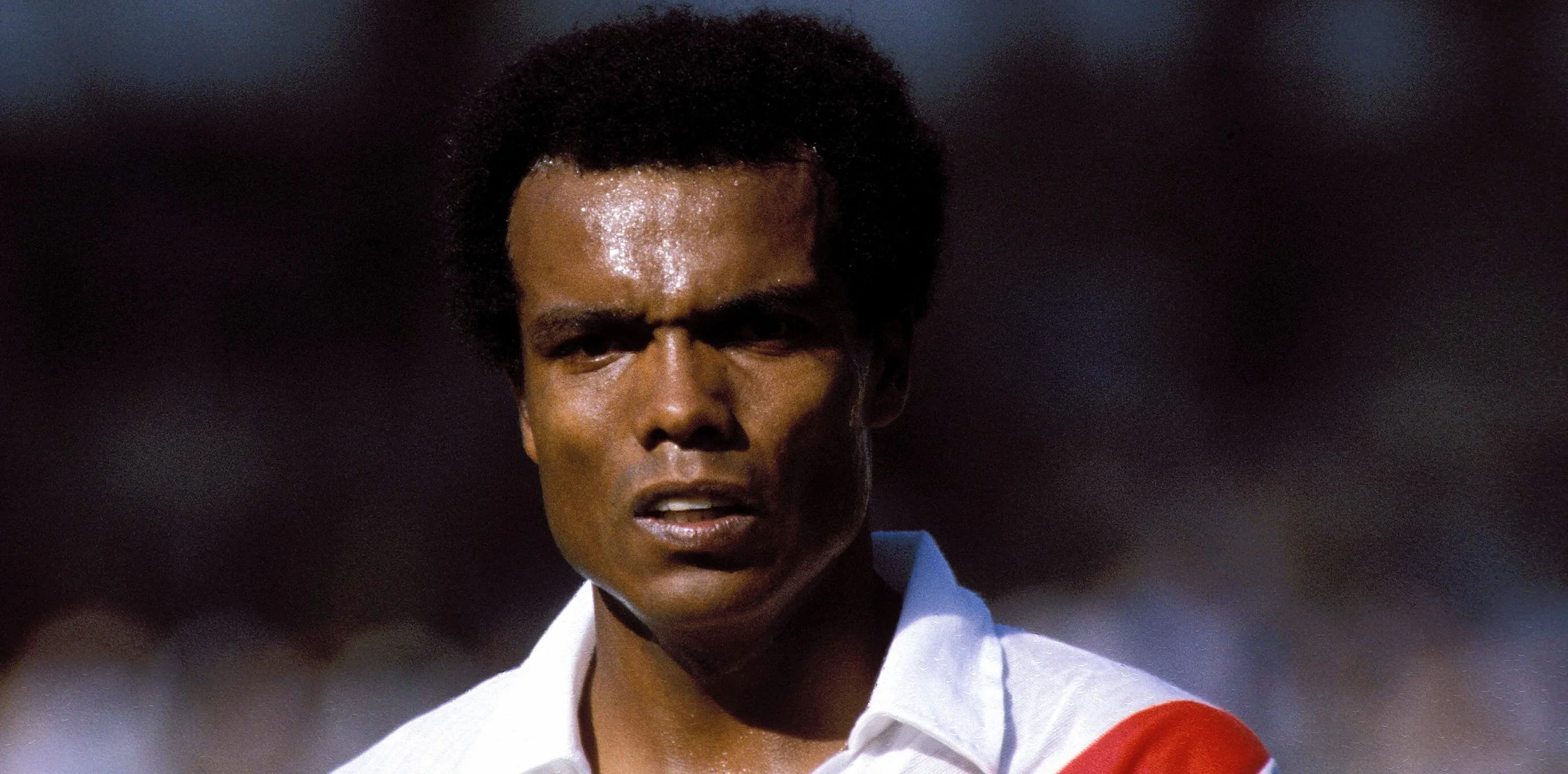
Join the community
fans discussing