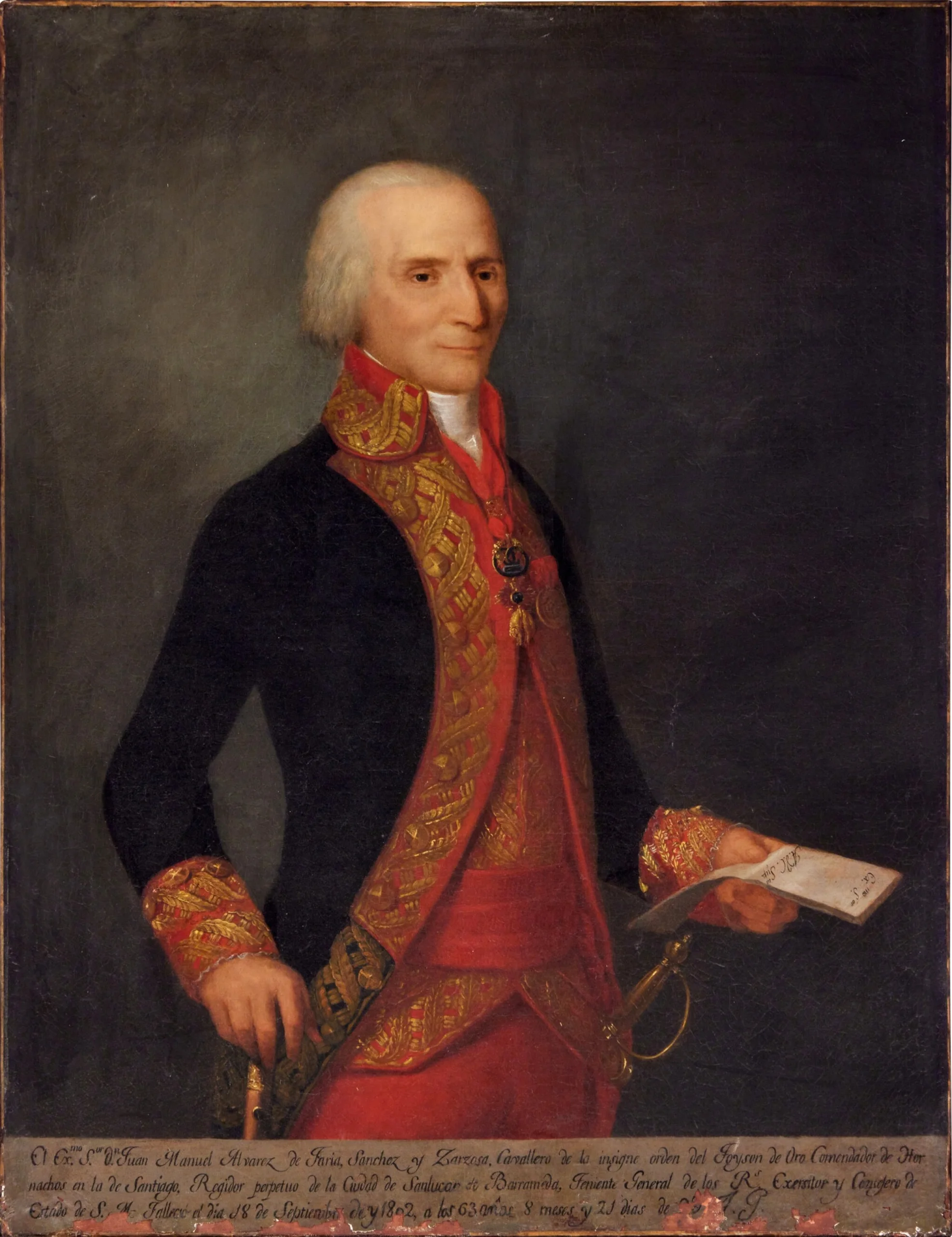
Juan Álvarez
 Mexico
Also known as: Juan Alvarez Hurtado, Juan Nepomuceno Álvarez Hurtado de Luna
Birthday
January 27, 1790
Birth Sign
Aquarius
Birthplace
Atoyac de Álvarez, Mexico
Age
Died at 77
About
Juan Álvarez was a Mexican general and politician who served as president of Mexico for two months in 1855, marking the start of the Liberal Reform era. He was a powerful regional leader, or caudillo, in the southern Tierra Caliente region, where he commanded deep loyalty from indigenous peasants whose lands he defended. Over a military career spanning four decades, he fought in the Mexican War of Independence, the Pastry War, the Mexican-American War, the War of the Reform, and the conflict against the Second French Intervention. His political legacy centers on advocating for liberal reform, federalism, and the inclusion of Mexico's peasant populations in national politics.
Early Life & Background
Born in 1790 in Atoyac, a small town in what is now Guerrero, Juan Álvarez grew up in the rural south, far from the centers of colonial power. His family were landowners of modest means, and he learned early the rhythms of the countryside and the struggles of the people who worked the land. When the call for independence rang out in 1810, the young Álvarez, barely twenty, joined the insurgent forces. He fought alongside José María Morelos and later Vicente Guerrero, learning guerrilla tactics in the rugged terrain of the south. These early years forged his lifelong bond with the indigenous and peasant communities of Tierra Caliente, who would become his steadfast supporters.
Career Growth
Álvarez's breakthrough came with the revolution of 1854, when he led the uprising supporting the Plan de Ayutla, a movement aimed at ousting the dictator Antonio López de Santa Anna. His military leadership was decisive, and after Santa Anna's fall, Álvarez assumed the presidency in October 1855. Though his tenure lasted only two months, it set the stage for the Liberal Reform, a period of sweeping constitutional change. He used his time in office to push for measures that would later be enshrined in the Constitution of 1857, including universal male suffrage and municipal autonomy. After stepping down, he returned to his regional base, but his influence continued to shape the liberal movement for years.
Career Timeline
Public Image & Style
In the popular imagination, Juan Álvarez is remembered as the quintessential caudillo of the south, a man of the people who never forgot his roots. He was seen as a protector of the indigenous and peasant communities, a reputation earned through his steadfast defense of their lands. His image is that of a rugged, honest soldier-politician, untainted by the corruption of Mexico City. Historians like Peter Guardino have highlighted his role in advocating for the political inclusion of the masses, making him a symbol of grassroots liberalism.
Fame & Fandom (iFAMOUS Rankings)
The legacy of Juan Álvarez belongs to the realm of historical reverence rather than modern celebrity worship. Unlike contemporary icons who cultivate dedicated followings with organized campaigns and specific nicknames, his supporters are found in history books and civic commemorations rather than fan clubs or social media movements. There is no documented name for a fanbase, nor are there viral rituals or chart-topping pushes associated with his memory; he stands as a singular figure of national importance whose influence endures through institutional recognition like schools bearing his name, not through pop-culture fandom dynamics. His story is one of political inclusion and military strategy, remembered by scholars and citizens alike without the trappings of a managed public image. iFANN has evaluated his standing within the global landscape of public figures. While his historical impact is profound, he does not currently hold a placement in the published Global Top 1,000 rankings or any Top-100 scope list. The iFANN Global Fame Engine confirms that while he is a subject of significant historical study, he remains unranked in the current global fame metrics.
Interesting Facts and Legends
Juan Álvarez was known for his simple, austere lifestyle, preferring the company of peasants to the trappings of power. He reportedly never learned to read or write fluently, relying on trusted aides for correspondence. Despite his lack of formal education, he was a shrewd strategist and a natural leader. His nickname, 'El Viejo,' or 'The Old One,' reflected both his age and the respect he commanded. He was also known for his fierce independence, often clashing with central authorities even when they shared his liberal ideals. Historical accounts describe him as a man who fought for over four decades, participating in conflicts ranging from the Mexican War of Independence to the resistance against the Second French Intervention. A persistent narrative among historians highlights his role as a protector of indigenous lands in Tierra Caliente, where his loyalty was earned through steadfast defense of peasant communities. This reputation cemented his image as a rugged soldier-politician untainted by the corruption of Mexico City, a narrative that persists in academic discussions regarding the Liberal Reform era.
Family & Personal Life
Álvarez married Faustina Benítez, who stood by him through decades of military campaigns and political upheaval. The couple had several children, though details are scarce. His family remained rooted in the Tierra Caliente region, and his descendants continued to hold local influence for generations. He was known to be a devoted family man, often writing letters to his wife during long absences in the field.
Notable Connections
Juan Álvarez collaborated closely with independence leaders José María Morelos and Vicente Guerrero. He was a political opponent of Antonio López de Santa Anna, whose dictatorship he helped topple. Historian Peter Guardino has written extensively on Álvarez's role in Mexican liberal politics. His spouse was Faustina Benítez.
Relationships & Dating History
Juan Álvarez was married to Faustina Benítez, and the couple remained together for most of his adult life. Details of their courtship are not recorded, but they shared a long marriage that endured through his many military campaigns. Faustina supported his revolutionary activities, often managing the household and lands in his absence. They had several children, though their names are not widely documented. There is no evidence of any other significant romantic relationships in Álvarez's life.
- MarriedFaustina Benítez1810 - 1867Married for most of his adult life; she supported his military and political career.
Death & Aftermath
Died
August 21, 1867 (aged 77)
Death Place
Taxco, Guerrero, Mexico
Cause of Death
Natural causes associated with old age
Official tributes marked the passing of Juan Álvarez, honoring his role as a key figure in the Reform War and the resistance against the Second French Empire. As a respected hero of the liberal cause who helped defeat the monarchy, government officials and peers acknowledged his death with formal recognition, though specific details of vigils or memorial gatherings are not preserved in modern archives due to the era. The former general and president died on August 21, 1867, at the age of 77 in his hometown of Taxco, Guerrero, Mexico. Historical records confirm he passed away from natural causes associated with old age and illness following a period of declining health. The cause is generally attributed to the frailty of his advanced years rather than violence or accident, consistent with his retirement from public life after the fall of the Second Mexican Empire.
His funeral and burial took place shortly after August 21, 1867, in Taxco, Guerrero, where a local service attended by family and community members laid him to rest in his native town. Posthumously, Juan Álvarez has been honored through various dedications, including streets, plazas, and educational institutions named in his honor across Mexico. He is frequently cited in histories of the Mexican Liberal Party and the Reform Era, ensuring his name remains enshrined in Mexican history textbooks and national memory.
Net Worth (Estate Value)
$5 Million
iFANN Editorial Team estimate
As a historical figure who passed away in 1867, Juan Álvarez's estate generates no active income streams today. During his lifetime, he accumulated wealth primarily through landholdings in the Tierra Caliente region, which he utilized to sustain his extensive military campaigns. The value of his estate at the time of his death is not well documented in surviving records. However, per iFANN's editorial analysis, the aggregate value of his land and properties would be worth approximately $5 Million in today's terms. No significant posthumous earnings have been recorded, and his legacy remains firmly rooted in history rather than financial accumulation.
Awards & Accolades
View 1 records, honours and achievementsKnown For
President of Mexico
1855 · President
Mexican War of Independence
1810 · General
War of the Reform
1858 · General
Keywords
Sources
Quick Facts
- Profession
- politician, military personnel
- Born
- January 27, 1790
- Birthplace
- Atoyac de Álvarez, Mexico
- Died
- August 21, 1867
- Death Place
- Acapulco de Juárez, Mexico
- Gender
- Male
- Spouse
- Faustina Benítez
- Birth Sign
- Aquarius
Personal Details
- Full Name
- Juan Nepomuceno Álvarez Hurtado de Luna
- Spouse
- Faustina Benítez
Frequently Asked Questions
Who was Juan Álvarez?
When and where was Juan Álvarez born?
What were Juan Álvarez's major contributions?
When did Juan Álvarez die?
What is Juan Álvarez known for?
Similar People
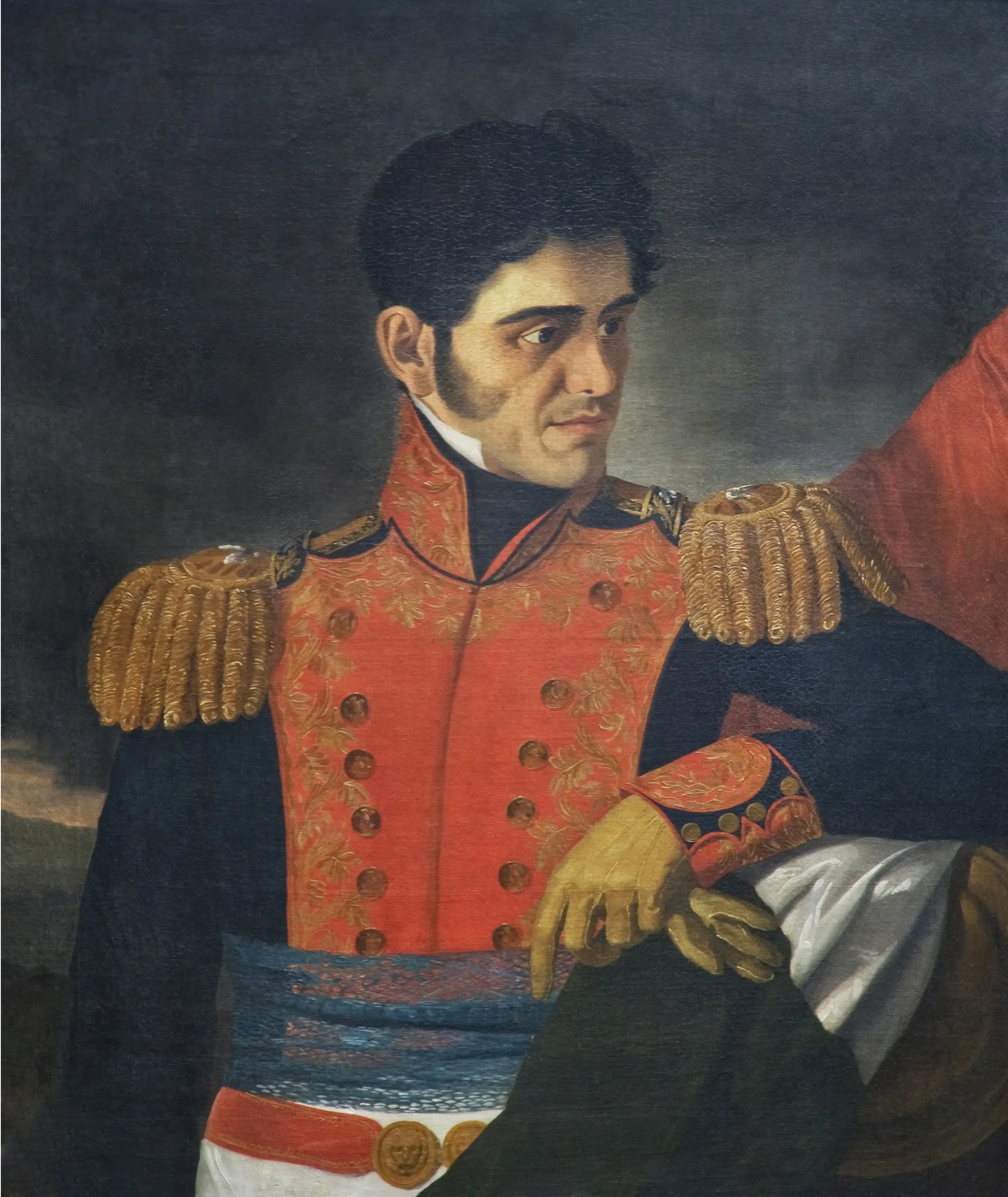
Join the community
fans discussing