

José Sócrates
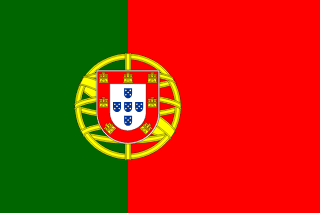 Portugal
Also known as: José Sócrates Carvalho Pinto de Sousa, Jose Socrates
Birthday
September 6, 1957
Birth Sign
Virgo
Birthplace
Alijó, Portugal
Age
69 years old
About
José Sócrates Carvalho Pinto de Sousa is a Portuguese politician who served as the Prime Minister of Portugal from 2005 to 2011. A sociologist by training, he rose through the ranks of the Socialist Party to lead the country during a period of significant economic restructuring and European integration. His tenure was marked by ambitious infrastructure projects and a deep involvement in EU affairs before his career ended abruptly amid the global financial crisis.
Today, Sócrates remains a prominent figure in Portuguese public discourse, though his legacy is heavily defined by the legal battles that have consumed his post-political life. He currently navigates a high-profile corruption trial stemming from "Operation Marquis," a complex investigation into alleged graft and money laundering involving millions of euros. Despite these challenges, he maintains a presence in intellectual circles and continues to influence political debates through writing and commentary.
Early Life & Background
Born in the small town of Alijó, José Sócrates spent his formative years in the industrial city of Covilhã. The son of a teacher, he grew up in an environment that valued education and civic engagement. After completing his secondary schooling, he enrolled at the University of Lisbon, where he pursued a degree in Sociology. Graduating in 1981, he briefly worked as a researcher and lecturer before fully committing to a career in politics.
His entry into the political arena was swift and deliberate. Joining the Socialist Party in 1981, he quickly immersed himself in student politics and local governance. By 1987, he had secured a seat in the Assembly of the Republic, marking the start of his national career. His early years were characterized by a focus on social issues and a steady climb through the party hierarchy. In 1995, under Prime Minister António Guterres, Sócrates took on his first major executive role as Secretary of State for the Environment. This appointment set the stage for his future prominence, leading to a promotion as Minister of Youth and Sports in 1997, where he played a key role in securing Portugal's bid to host UEFA Euro 2004.
Career Growth
Sócrates' ascent to the premiership began in earnest when he took over the leadership of the Socialist Party in 2004. Leading the party to an absolute majority in the 2005 general election, he became Prime Minister with a mandate for reform. His government launched an aggressive modernization program, overseeing the construction of high-speed rail lines, expanding the Lisbon Metro, and renovating hospitals and schools across the nation. He also championed renewable energy, significantly boosting solar power capacity in Portugal.
On the international stage, Sócrates completed negotiations for the Lisbon Treaty and hosted the European Council in 2007, serving as President-in-Office of the Council of the European Union. He cultivated strong relationships with leaders like Spain's José Luis Rodríguez Zapatero and Venezuela's Hugo Chávez. However, his second term faced severe headwinds due to the global financial crisis. After losing his parliamentary majority in 2009, his government struggled with soaring deficits. In March 2011, parliament rejected his fourth austerity package, forcing him to resign. His caretaker government subsequently requested a €78 billion bailout from the IMF and the EU, ending his time in office.
Career Timeline
Public Image & Style
Sócrates presents himself as an intellectual and formal figure, often seen in suits and glasses, reflecting his academic background. Media portrayals have shifted dramatically over the years; he was once viewed as a visionary modernizer capable of steering Portugal through modernization. Today, the narrative is more complex, balancing his earlier achievements with the controversies surrounding his legal troubles. His demeanor remains serious and reserved, even as he faces intense scrutiny in the courtroom.
Fame & Fandom
Global attention for José Sócrates remains anchored in the specific historical weight of his tenure and subsequent legal proceedings rather than broad celebrity metrics. The iFANN Global Fame Rankings place him as the 27th most famous person in Portugal, holding steady from the previous cycle. These placements reflect a public profile defined by political governance and judicial scrutiny rather than entertainment industry traction. Despite this measurable standing within national demographics, the figure does not command a formal fanbase or organized fandom. Unlike entertainers who cultivate dedicated communities with specific names and rituals, the interaction surrounding Sócrates has remained strictly political, characterized by electoral support and later, legal observation, leaving his audience without a unified identity or official designation.
Interesting Facts and Legends
The name "Sócrates" is not his family surname but a political nickname he adopted early in his career, inspired by the ancient Greek philosopher to symbolize his commitment to questioning and debate. Another notable aspect of his background is his deep interest in literature and philosophy, which often influenced his rhetorical style and policy-making approach. His resignation speech in 2011 is considered a legendary moment in Portuguese history, marking the beginning of the country's sovereign debt crisis. The arrest of a former prime minister in 2014 was equally shocking, as it was the first time a Portuguese head of government had been detained while in custody.
Notable Quotes
“We must make the necessary adjustments, even if they are painful, to ensure the future of our country.”
“Portugal will not be a burden on Europe; we will pay our debts.”
Family & Personal Life
José Sócrates has maintained a notably private profile regarding his personal life. Public records do not confirm any marriages or children, and he is known to have remained single throughout much of his later political career. He lives quietly away from the spotlight, focusing on his legal defense and intellectual pursuits rather than family life in the public eye. There are no widely reported stories about parents or siblings beyond basic biographical data, reflecting his choice to keep his domestic sphere out of the media.
Notable Connections
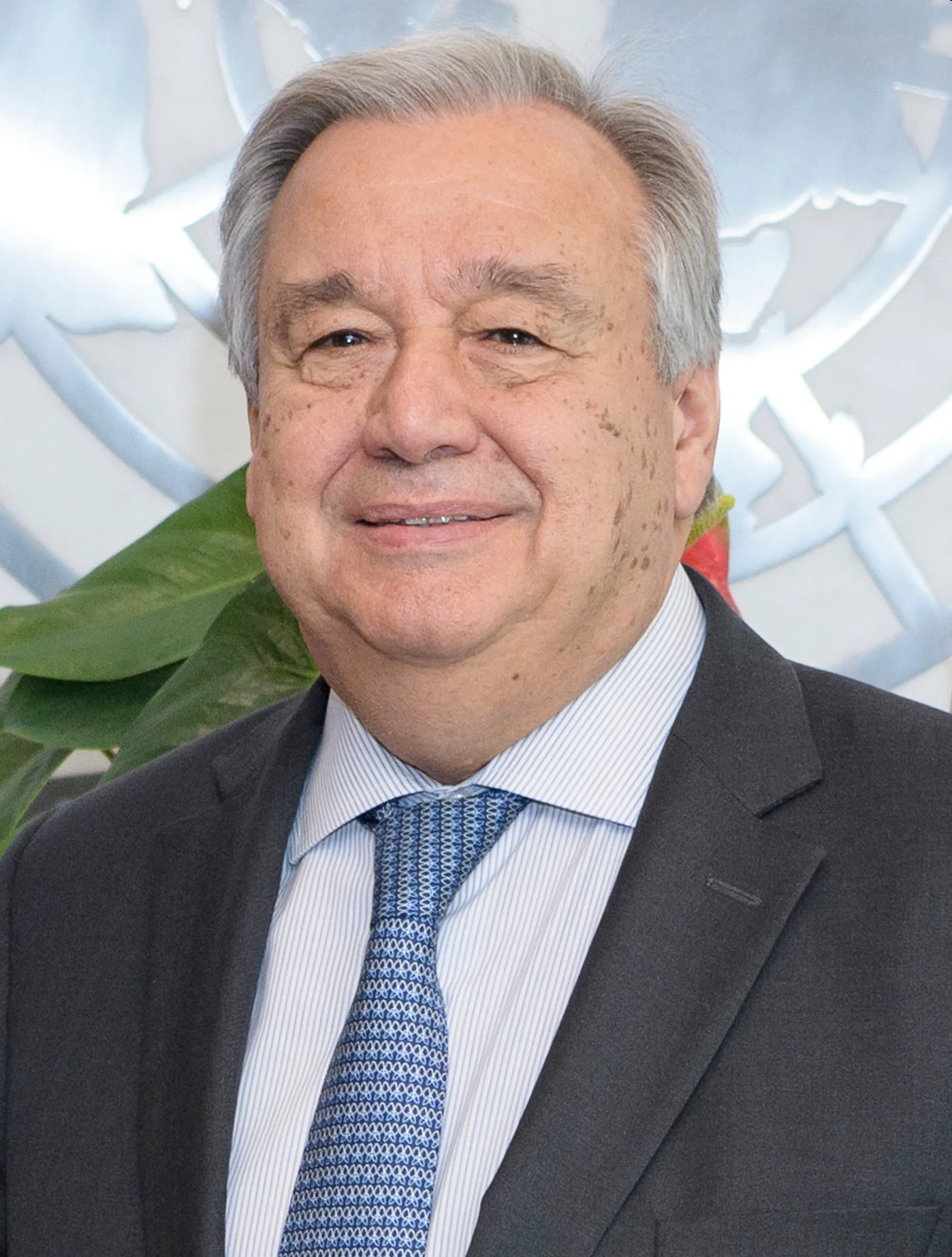
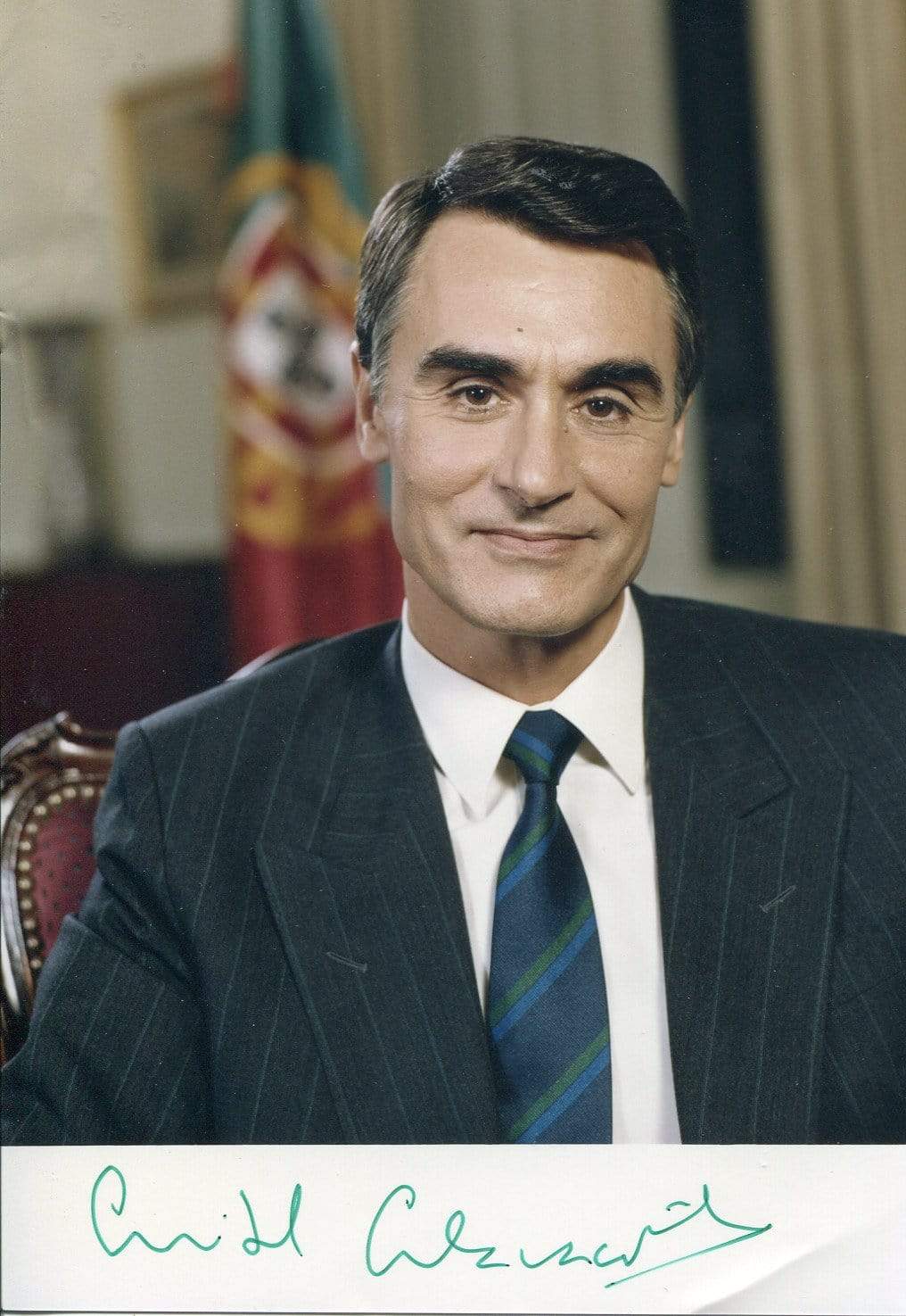
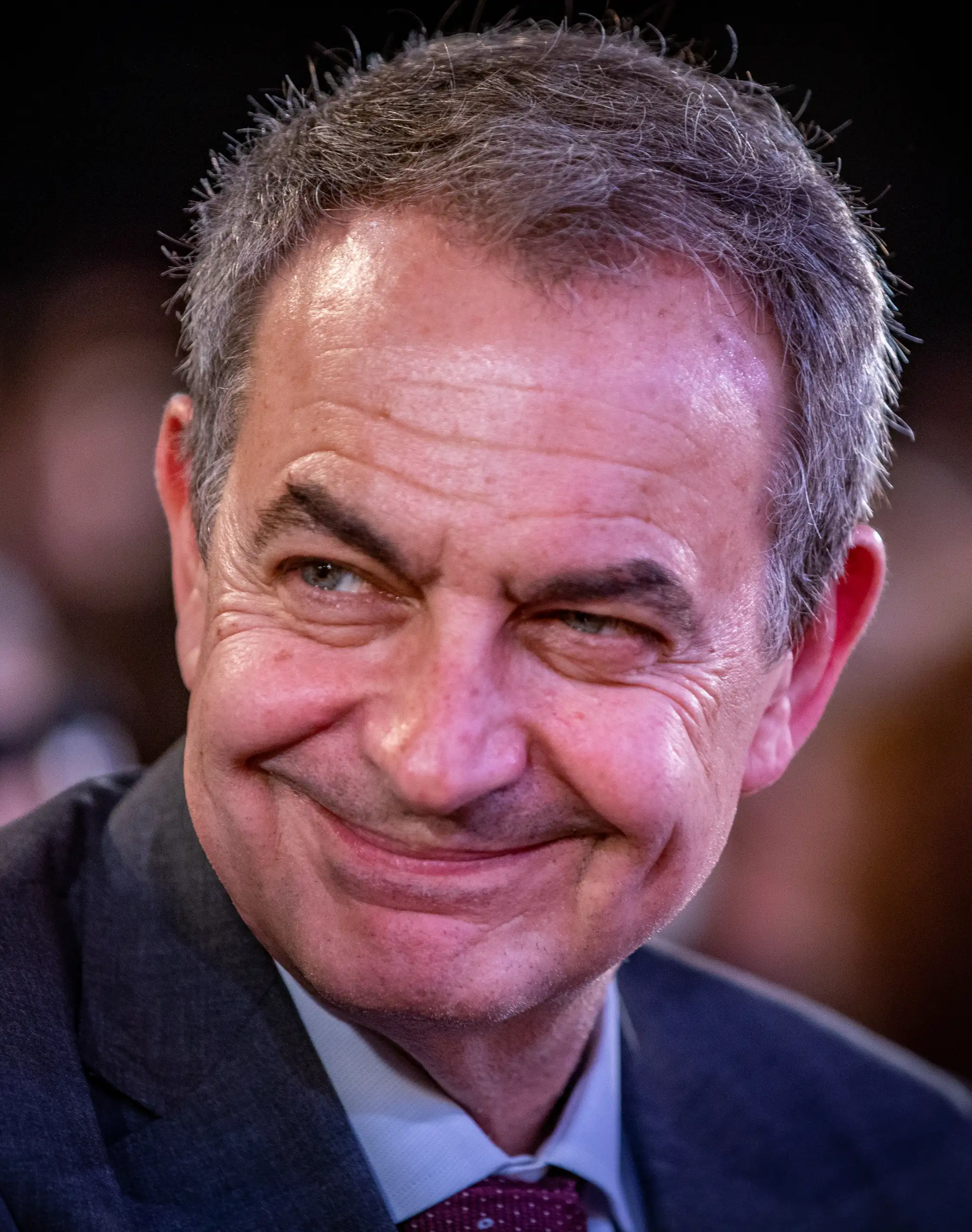
António Guterres, Aníbal Cavaco Silva, José Luis Rodríguez Zapatero, Hugo Chávez
Relationships & Dating History
José Sócrates has maintained a notably private profile regarding his romantic history. Unlike many public figures, there are no widely documented or confirmed details regarding specific long-term partners, marriages, or divorces in public records or media archives prior to his legal troubles. He is known to have been single for much of his later political career, and no children have been publicly attributed to him. As of 2026, he remains unmarried and single, with no reported current partner. The absence of a "dating history" in public discourse is consistent with his self-imposed privacy and the nature of his post-political life being dominated by legal proceedings rather than celebrity culture. Consequently, there are no fan campaigns or organized fandoms associated with his personal relationships, as the public narrative is strictly political and judicial.
Salary, Net Worth In 2026
$1.2 Million
iFANN Editorial Team estimate
As of 2026, José Sócrates' net worth is estimated at approximately $1.2 million by the iFANN Editorial Team. Unlike celebrities with diverse revenue streams, his wealth accumulation stems primarily from his long career in public service, including parliamentary salaries and book royalties. There are no reported endorsement deals, production companies, or significant real estate holdings that would contribute to a substantial fortune. The primary financial impact on his current assets comes from the legal costs associated with the Operation Marquis trial and potential fines. If convicted, his assets could be subject to seizure, which may further complicate his financial standing. The lack of commercial ventures keeps his net worth modest compared to other public figures.
Awards Won (2)
Sócrates received several national distinctions during his political career, including the Grand Cross of the Order of Prince Henry and the Grand Cross of the Order of Liberty, both awarded by the Portuguese state for his service. He was also recognized internationally for his role in the European Council. However, he does not hold entertainment industry awards as his career was entirely within the political sphere.
2006 · National Honor
Service to the Nation
2007 · National Honor
Contribution to Democracy
Known For
Prime Minister of Portugal
2005 · Politician
Operation Marquis Trial
2025 · Defendant
Keywords
Sources
Quick Facts
- Profession
- politician
- Born
- September 6, 1957
- Birthplace
- Alijó, Portugal
- Gender
- Male
- Birth Sign
- Virgo
Personal Details
- Full Name
- José Sócrates Carvalho Pinto de Sousa
- Children
- Education
- University of Lisbon (Sociology, 1981)
Frequently Asked Questions
What is José Sócrates currently facing?
Did José Sócrates ever get married?
Why did José Sócrates resign as Prime Minister?
Is José Sócrates still active in politics?
How much money was involved in the Operation Marquis case?
Similar People
Join the community
fans discussing