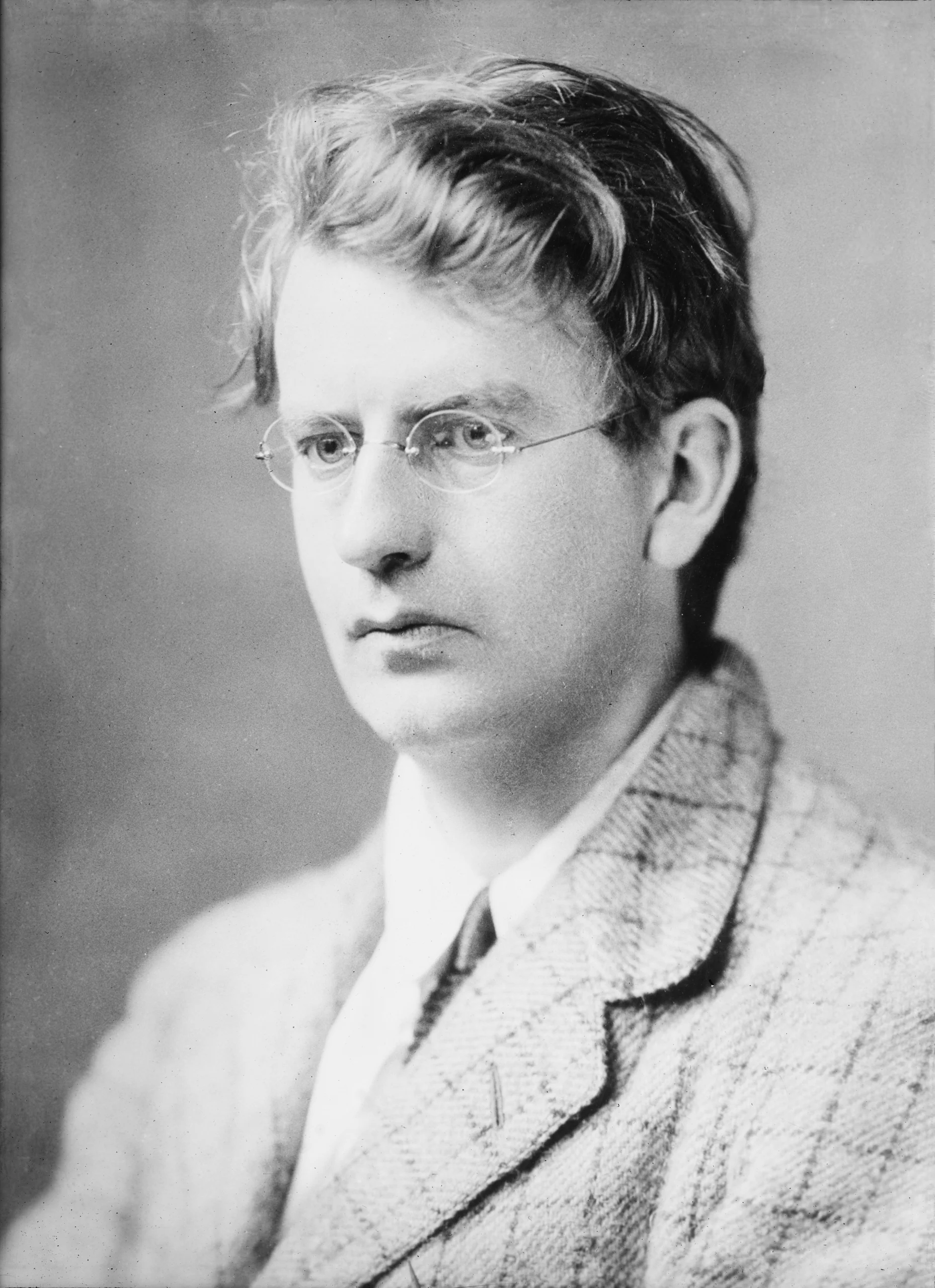
John Logie Baird
Awards & Honours
0
Awards Won
5
Honours
1
Rankings
4
Records
The record is thin on trophies and thick on consequence. Baird built the first working mechanical television and demonstrated it in public on 26 January 1926, then followed with the first transatlantic television transmission and the first colour television pictures within two years. The National Library of Scotland placed him among the 10 greatest Scottish scientists in 2006, an unusually short list to make. His old college, now the University of Strathclyde, still claims him as a distinguished alumnus, and IEEE put a bronze plaque on the Frith Street wall in 2017. The 2026 centenary added museum reconstructions and a run of retrospectives. What he did not get was money, a lasting company or a system that survived him.
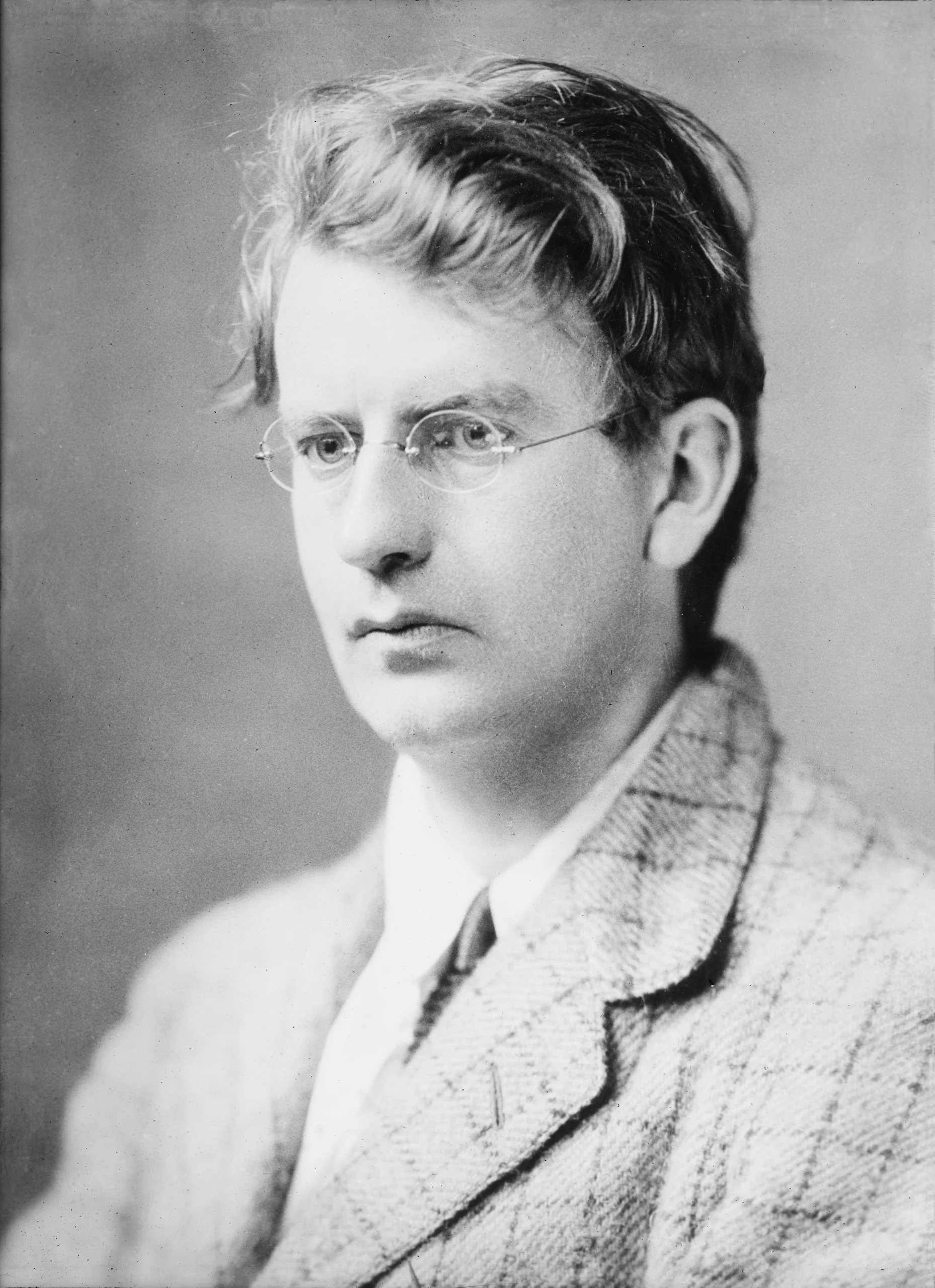
Honours & Distinctions
Scottish Science Hall of Fame induction
Named among the 10 greatest Scottish scientists in the hall's inaugural list.
Scottish Engineering Hall of Fame induction
Inducted for his development of mechanical television and colour television.
IEEE bronze plaque at 22 Frith Street
A street plaque marking the Soho attic where he gave the first public television demonstration.
Royal Mint 50p commemorative coin
Issued to mark 75 years since his death.
Distinguished alumnus honour
Listed among the institution's alumni in history, having studied at its predecessor, the Glasgow and West of Scotland Technical College.
Rankings & Lists
10 greatest Scottish scientists
Records & Feats
First public demonstration of a working television system
Showed a true television system to Royal Institution members and a Times reporter at 22 Frith Street, London, on 26 January 1926.
First human face televised
Office boy William Taynton became the first person whose face was transmitted, following tests with the dummy Stooky Bill.
First transatlantic television transmission
His company sent the first television signal across the Atlantic.
First publicly demonstrated colour television
Demonstrated colour television pictures, and later developed a partly electronic colour picture tube.