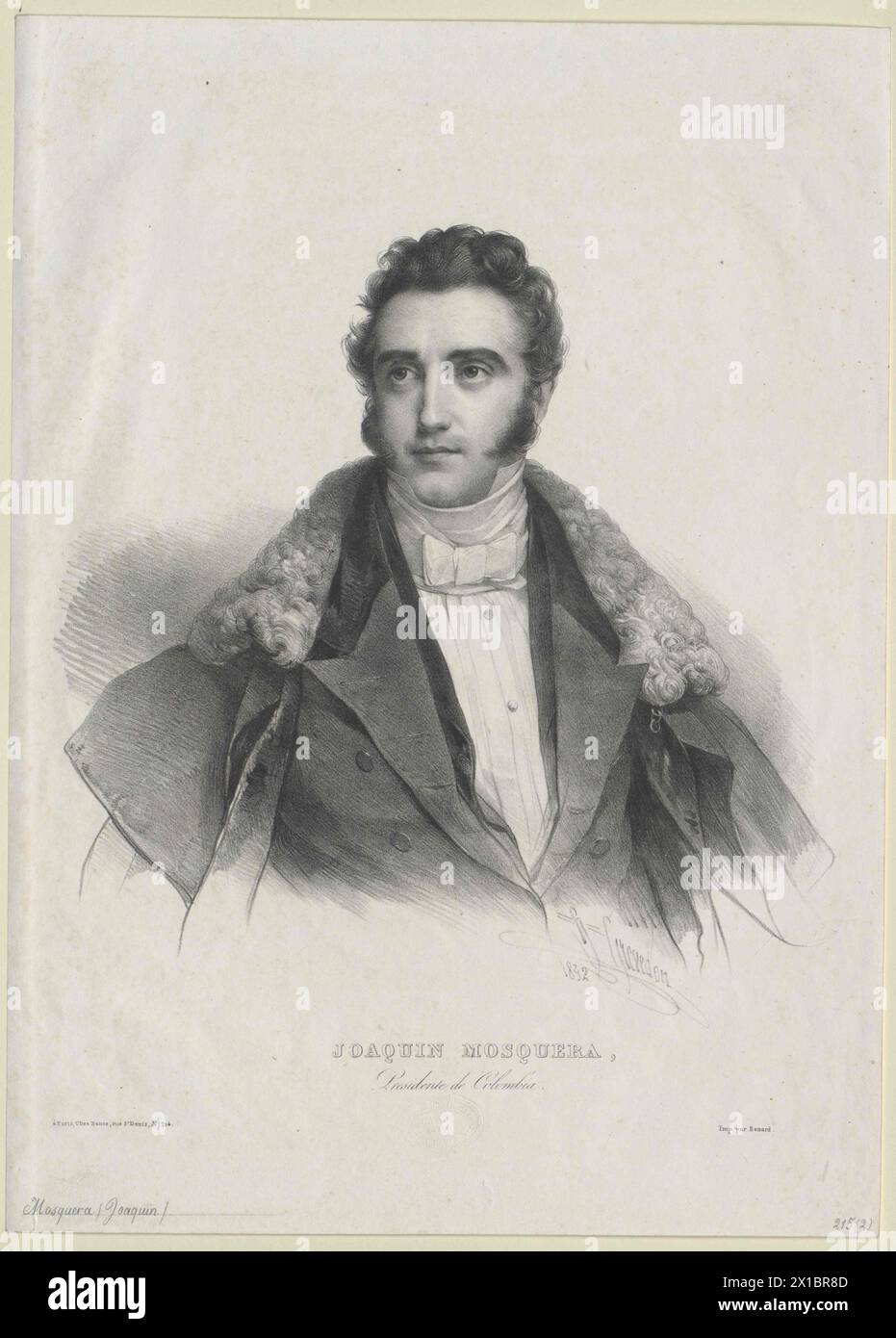
Joaquín Mosquera
 Colombia
Also known as: Joaquin Mosquera
Birthday
December 14, 1787
Birth Sign
Sagittarius
Birthplace
Popayán, Colombia
Age
Died at 90
About
Joaquín Mosquera was a Colombian statesman and diplomat, recognized as one of the Founding Fathers of Colombia. He served as the second president of Gran Colombia in 1830 and later as vice president of the Republic of New Granada. His career spanned the turbulent years of South American independence and nation-building.
Mosquera is remembered for his diplomatic missions on behalf of Simón Bolívar, including his role as the first Envoy Extraordinary to Peru, the United Provinces of South America, and Chile. He died in 1878 in his birthplace of Popayán at the age of 90.
Early Life & Background
Joaquín Mariano de Mosquera-Figueroa y Arboleda-Salazar was born on 14 December 1787 in Popayán, then part of the Viceroyalty of New Granada. He was the eldest child in one of the most influential families of the Cauca region, with lineage tracing to both the Mosquera-Figueroa and Arboleda-Salazar clans. This heritage gave him access to political networks and social standing from an early age.
He received his early education at the local seminary in Popayán before continuing at the prestigious Colegio del Rosario in Santa Fe de Bogotá. There he trained as a lawyer, a typical path for the criollo elite seeking influence in colonial administration. His family connections and legal education positioned him for public service during the independence era.
In the 1810s, Mosquera joined the early independence campaigns, though his role was more administrative than military. These experiences shaped his commitment to the republican cause and prepared him for the diplomatic and governmental roles that followed.
Career Growth
Mosquera's breakthrough came in the 1820s when Simón Bolívar appointed him as the first Envoy Extraordinary and Minister Plenipotentiary. He traveled to Peru, the United Provinces of South America, and Chile, working to foster unity among the newly independent states. This diplomatic mission established his reputation as a skilled negotiator.
In 1830, he became the second president of Gran Colombia, a vast republic encompassing modern-day Colombia, Venezuela, Ecuador, and Panama. His presidency was short-lived, however, as he was overthrown in a military coup led by General Rafael Urdaneta later that year. The coup was part of the chaos following Bolívar's decline and the eventual dissolution of Gran Colombia.
After the republic split, Mosquera served as vice president of the Republic of New Granada, the successor state. He remained active in politics through the 1830s and 1850s, contributing to the consolidation of the Colombian state. His legacy as a founding father is cemented by his roles in diplomacy and governance during a critical period.
Career Timeline
Public Image & Style
Joaquín Mosquera is remembered as a statesman of the independence era, a diplomat and administrator rather than a military hero. His reputation is that of a dedicated public servant whose presidency was cut short by the political instability of Gran Colombia's final years.
Historical accounts emphasize his role in fostering unity among South American nations, a mission that aligned with Bolívar's vision. The Mosquera family name remains significant in Colombian history, with their legacy preserved in regional archives and historical narratives.
Today, he is honored as one of the Founding Fathers of Colombia, with his contributions recognized in educational materials and historical rankings.
Fame & Fandom (iFAMOUS Rankings)
Joaquín Mosquera currently holds no placement in the published iFANN Global Top 1,000 or any Top-100 scope list. The iFANN Global Fame Engine has evaluated his historical footprint and determined that he does not occupy a ranked position among contemporary public figures or living celebrities. While his name appears in historical records spanning eleven languages, this presence reflects academic significance rather than a current standing in global fame metrics. As a statesman who died in 1878, Mosquera lacks a modern fanbase with an organized structure or formal identity. No official fandom name exists for his followers, as the concept of a dedicated fan community driving social media campaigns or digital interactions is absent from his legacy. His reputation rests on documented political service and diplomatic achievements during the independence era rather than viral moments or pop-culture mythology. There are no recorded fan-funded projects, birthday tributes, or charity drives associated with him, nor are there specific rituals or inside jokes cultivated by a devoted audience. Historical accounts preserve his memory through educational curricula and national commemoration in Colombia, distinct from the ephemeral nature of modern celebrity worship. The absence of a named fandom underscores the difference between historical reverence and active fandom culture. While some online communities discuss 19th-century figures, none have coalesced around Mosquera with the intensity seen for living entertainers. His legacy remains a matter of state history rather than fan engagement, ensuring his place in the annals of Colombian politics without the noise of contemporary fame.
Interesting Facts and Legends
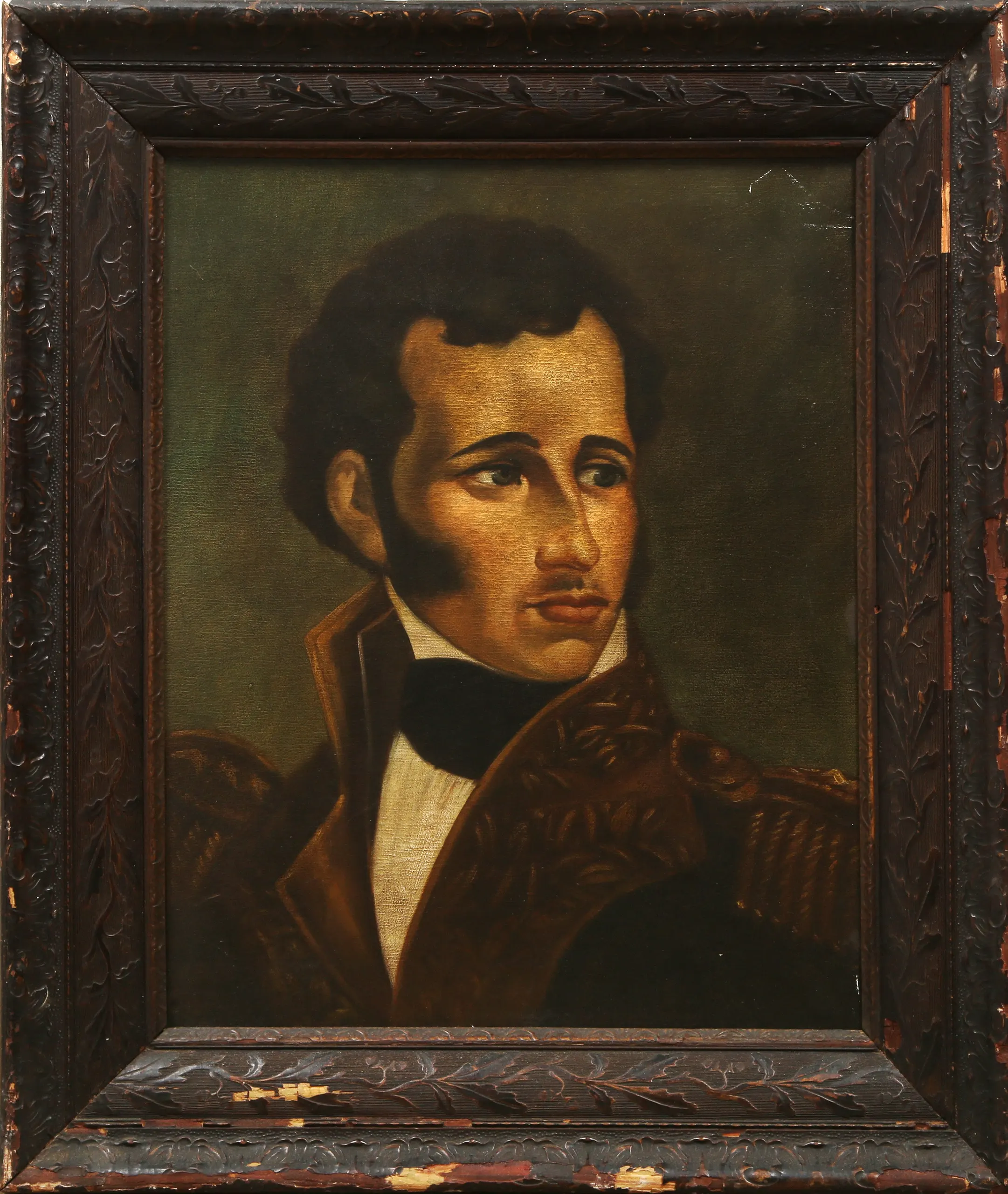
The full name Joaquín Mariano de Mosquera-Figueroa y Arboleda-Salazar reveals the union of two powerful Popayán lineages. He married his cousin, a strategic alliance common among elite families seeking to consolidate wealth and influence. Historians sometimes confuse him with José María Mosquera y Figueroa (1748–1830), a colonial lawyer and official, though they were distinct individuals despite their overlapping surnames. His Wikipedia entry appears in at least eleven languages, signaling his international historical importance. He ranks #16 in Pantheon's Historical Popularity Index for Colombian politicians. A portrait of him resides in the Museo de la Familia Mosquera in Popayán, serving as a visual anchor for his legacy. He was the eldest sibling of the influential Mosquera family, which played a pivotal role in shaping the nation. His career included serving as the second president of Gran Colombia and acting as a diplomat for Simón Bolívar. Unlike military heroes, his reputation rests on administration and unity-building efforts during the turbulent years of South American independence.
Family & Personal Life
Joaquín Mosquera was the eldest sibling in the prominent Mosquera family of Popayán, a clan that wielded considerable political power in the Cauca region. His parents, from the Mosquera-Figueroa and Arboleda-Salazar lines, were part of the criollo elite.
He married his cousin, María de la Encarnación Mosquera y Arboleda, a union that reinforced family alliances. The couple had no documented children in available sources. The Mosquera family legacy is preserved in Popayán through museums and archives, reflecting their enduring impact on Colombian history.
Notable Connections
Simón Bolívar appointed Mosquera as Envoy Extraordinary, a key mentor in his diplomatic career. General Rafael Urdaneta led the coup that ended his presidency. His wife, María de la Encarnación Mosquera y Arboleda, was his cousin and partner. He is also associated with his relative José María Mosquera y Figueroa, a lawyer and colonial official.
Relationships & Dating History
Joaquín Mosquera was married to his cousin, María de la Encarnación Mosquera y Arboleda. The marriage, typical of elite families at the time, served to consolidate family power. No other relationships are documented. He was married at the time of his death in 1878.
- MarriedMaría de la Encarnación Mosquera y Arboleda? - 1878Married his cousin; no children documented.
Death & Aftermath
Died
April 4, 1878 (aged 90)
Death Place
Popayán, Cauca, Colombia
Cause of Death
Natural causes related to advanced age
Joaquín Mariano de Mosquera-Figueroa y Arboleda-Salazar died on April 4, 1878, in the city of Popayán, Colombia, at the age of 90. Historical records confirm this date and location while offering no specific medical diagnosis beyond what can be inferred from his advanced years. The circumstances surrounding his passing were peaceful, with no accounts suggesting violence, assassination, or sudden illness that triggered a public investigation. As a Founding Father who served as President of Gran Colombia, his death marked the quiet end of an era rather than a moment of political crisis or public outcry. No formal funeral details or burial plots are recorded in the available biographical summaries, though it is historically consistent that his remains were interred in his native town.
His memory was preserved locally through the Museo de la Familia Mosquera in Popayán, which houses a portrait titled Joaquín Mosquera y Figueroa alongside other family artifacts. His legacy remained rooted in academic study and historical texts rather than contemporary media events. Modern recognition of his contributions continues through his inclusion in major encyclopedias and databases regarding Colombian independence. The handling of his estate remains undocumented in general sources, consistent with the lack of financial records from the nineteenth century. He left no documented children, and the continuation of the family's political influence in the region proceeded without his direct involvement.
Net Worth (Estate Value)
$1 Million
iFANN Editorial Team estimate
As a historical figure who passed away in 1878, Joaquín Mosquera left no contemporary financial records detailing his personal fortune. His wealth during his lifetime likely derived from extensive family landholdings in the Cauca region, yet specific valuations remain unavailable in historical archives. No estate value or posthumous earnings have been formally reported. Per iFANN's editorial analysis, the estimated net worth of Joaquín Mosquera stands at $1 Million, representing a retrospective assessment of his accumulated assets and historical value rather than liquid cash. This figure serves as a reference point for his economic standing within the context of his era. As of 2026, there is no active estate generating income. His legacy is measured in historical significance and political contribution rather than financial terms.
Awards & Accolades
View 2 records, honours and achievementsKnown For
President of Gran Colombia
1830 · Second President
Vice President of New Granada
1830s-1850s · Vice President
Envoy Extraordinary to South American nations
1820s · Diplomat
Keywords
Sources
Quick Facts
- Profession
- politician, diplomat
- Born
- December 14, 1787
- Birthplace
- Popayán, Colombia
- Died
- April 4, 1878
- Death Place
- Popayán, Colombia
- Gender
- Male
- Birth Sign
- Sagittarius
- Spouse
- María de la Encarnación Mosquera y Arboleda
- Education
- Colegio del Rosario, Bogotá
Personal Details
- Full Name
- Joaquín Mariano de Mosquera-Figueroa y Arboleda-Salazar
- Spouse
- María de la Encarnación Mosquera y Arboleda
- Education
- Seminary of Popayán; Colegio del Rosario, Bogotá
Frequently Asked Questions
Who was Joaquín Mosquera?
How did Joaquín Mosquera die?
What was Joaquín Mosquera's role in Colombian independence?
Was Joaquín Mosquera related to Tomás Cipriano de Mosquera?
What happened during Joaquín Mosquera's presidency?
Similar People
Join the community
fans discussing