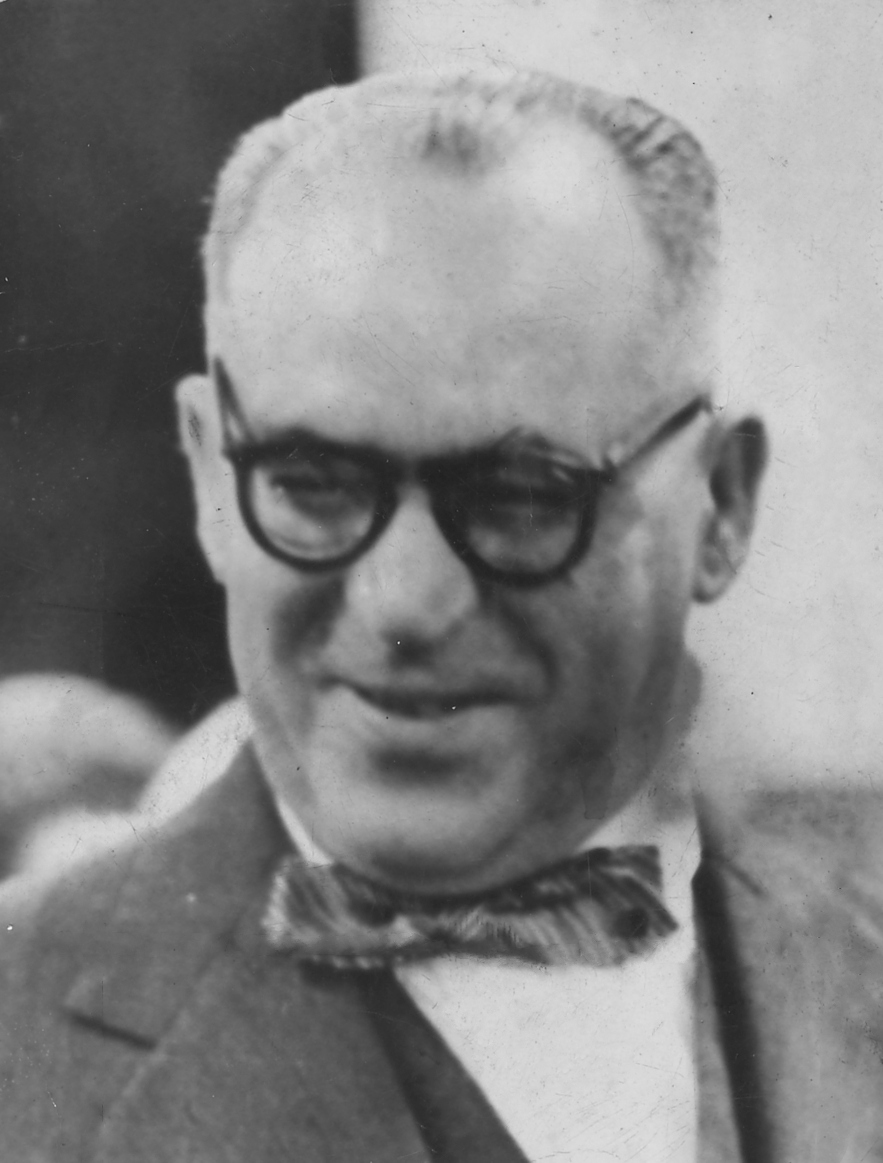
João Guimarães Rosa
 Brazil
physician writer•diplomat•Esperantist
Birthday
+1908-06-27
Birth Sign
Sagittarius
Birthplace
Cordisburgo
Age
Died at 59
About
João Guimarães Rosa was a Brazilian novelist, short story writer, poet, and diplomat, born on June 27, 1908, in Cordisburgo, a small town in the state of Minas Gerais. He is best known for his single novel, Grande Sertão: Veredas, published in 1956 and translated into English as The Devil to Pay in the Backlands. The book is a landmark of Brazilian literature, blending archaic and colloquial Portuguese with invented words, all drawn from the speech of the sertão, the vast, arid backlands of Brazil. Critic Antonio Candido called it a "metaphysical novel" for its deep philosophical explorations, and it is often compared to James Joyce's Ulysses. In 2002, the Bokklubben World Library named it among the 100 best books ever written.
Fame & Fandom
The admirers of João Guimarães Rosa form a quiet, scholarly congregation rather than a roaring mob. There are no fan clubs with membership drives or social media hashtags that trend globally. Instead, the legacy is sustained by university seminars, state-sponsored literary festivals, and the occasional theatrical adaptation in Belo Horizonte. This audience engages through academic rigor and cultural preservation, treating his work as a living archive rather than pop culture merchandise. The lack of a formal collective name for these readers reflects the institutional nature of their devotion; they are students, critics, and locals who gather at libraries to honor a man who died decades ago. In August 2026, the iFANN Global Fame Engine evaluated this profile and determined that while the author remains a titan of Brazilian letters, he does not currently hold a placement within the published Global Top 1,000 rankings or any Top-100 scope list. Consequently, there is no numerical rank to cite, only the acknowledgment of his enduring influence without a current chart position.
Interesting Facts and Legends
João Guimarães Rosa wrote only one full-length novel during his lifetime, yet that single masterpiece, Grande Sertão: Veredas, stands as a landmark of global literature. Critics often compare its complexity to James Joyce's Ulysses, noting how Rosa blended archaic Portuguese with invented words drawn from the sertão backlands. Beyond his writing, Rosa lived a dual life as a physician and diplomat, serving in cities like Hamburg and New York before his death from a heart attack in Rio de Janeiro in 1967. A compelling family legend involves his sister-in-law, Aracy Carvalho de Guimarães Rosa, who was recognized by Yad Vashem as Righteous Among the Nations for saving Jews in Brazil during World War II. This story of moral courage is frequently woven into the narrative of his life, highlighting the ethical fabric of his household. Even years after his passing, new biographical details continue to surface, such as revelations about his personal history released in August 2026, keeping his lore fresh for modern scholars.
Death & Aftermath
Died
+1967-11-19 (aged 59)
Death Place
Rio de Janeiro, Brazil
Cause of Death
Reported as natural causes or complications from heart disease
The nation paused as the news arrived that João Guimarães Rosa had passed away, marking the end of a life that had reshaped Brazilian letters. His death triggered immediate national mourning, recognized by peers and institutions alike for his status as one of the greatest fiction authors of the twentieth century. The writer, who had served as Brazil's Minister Plenipotentiary to West Germany, resigned his post due to ill health and returned to Rio de Janeiro in the autumn of 1967. He died shortly after his arrival on November 19, 1967, at the age of fifty-nine. Tributes flowed from literary circles celebrating his masterpiece Grande Sertão: Veredas, a work critics hailed as a metaphysical novel blending archaic and colloquial speech.
His wife, Aracy Carvalho de Guimarães Rosa, later received enduring honors for their time in Hamburg, where she was named Righteous Among the Nations for saving Jews during the Nazi era. Posthumous interest in his legacy has only deepened, with film adaptations of his work discussed decades later and ongoing institutional reverence for the Cerrado landscapes that inspired his prose. The estate and literary rights remain managed by Brazilian cultural institutions and heirs.
Awards & Accolades
Keywords
Quick Facts
- Profession
- physician writer, diplomat, Esperantist
- Born
- +1908-06-27
- Birthplace
- Cordisburgo
- Died
- +1967-11-19
- Death Place
- Rio de Janeiro
- Gender
- Male
- Spouse
- Aracy de Carvalho
- Birth Sign
- Sagittarius
Personal Details
- Spouse
- Aracy de Carvalho
Join the community
fans discussing