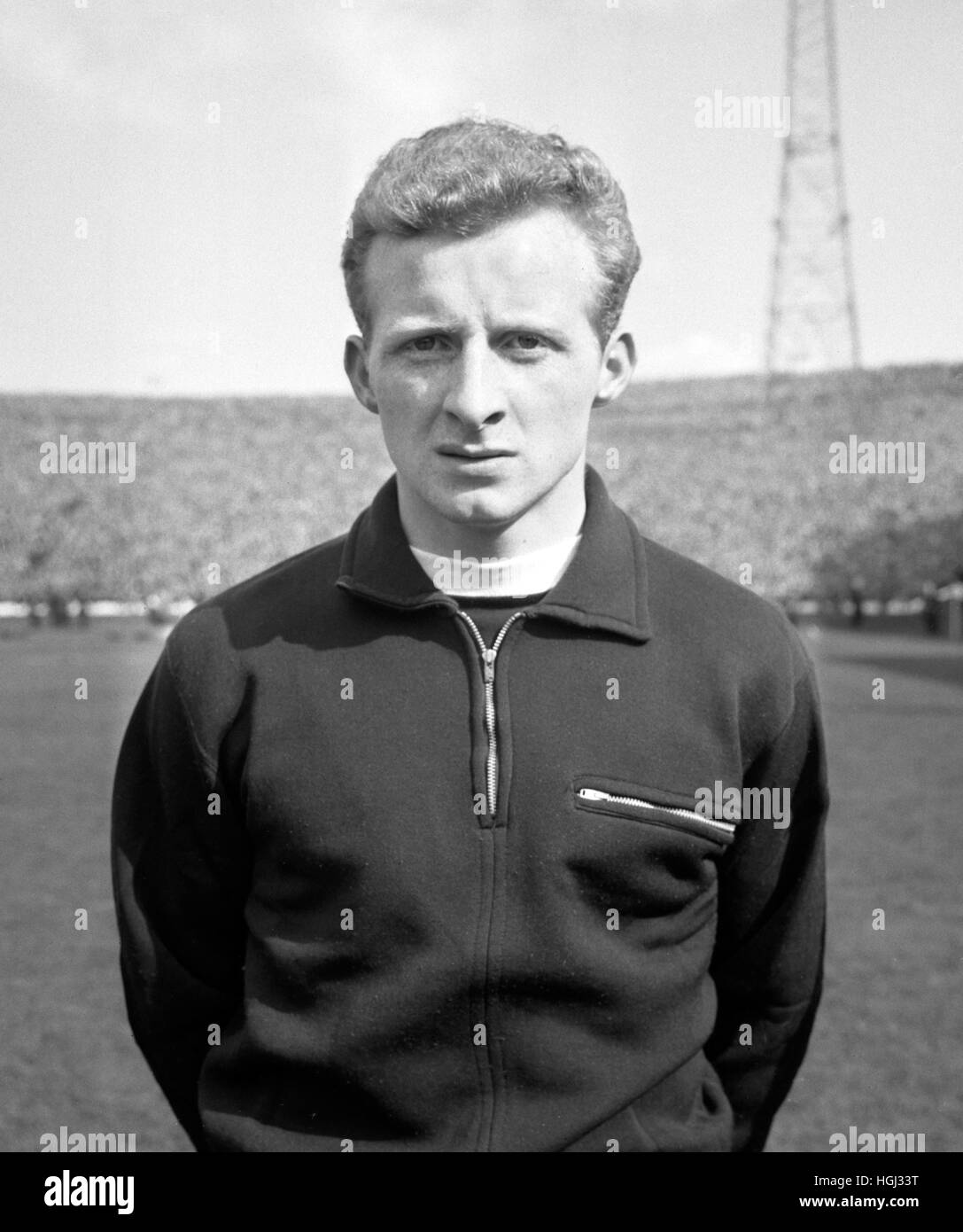
Jimmy Johnstone
 United Kingdom
Also known as: Jinky Johnstone
Birthday
September 30, 1944
Birth Sign
Libra
Birthplace
Uddingston, South Lanarkshire, Scotland
Age
Died at 61
Height
5 ft 4 in (163 cm)
About
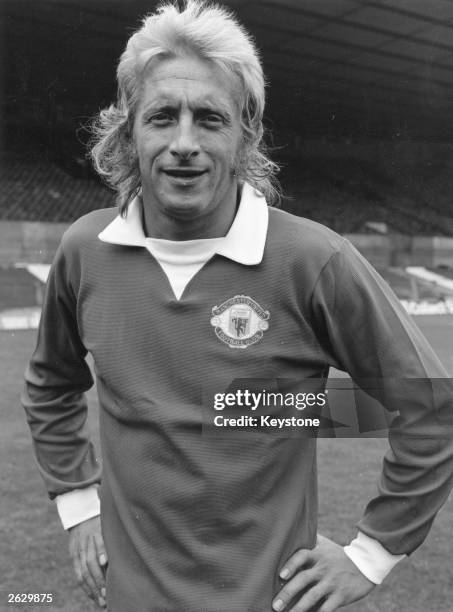
Jimmy Johnstone was a Scottish footballer who played as an outside right for Celtic and the Scotland national team. Renowned for his elusive, jinking dribbling style, he is widely regarded as one of the greatest dribblers in football history. Johnstone spent 13 years at Celtic, making 515 appearances and scoring 129 goals. He was a key member of the Lisbon Lions, the Celtic team that won the European Cup in 1967, becoming the first British club to do so. He finished third in the 1967 Ballon d'Or voting and was voted Celtic's greatest ever player by fans in 2002. His distinctive skill and captivating performances cemented his status as a beloved figure, and fans continue to celebrate his legacy. Johnstone's enduring impact is recognized through a statue at Celtic Park and his induction into the Scottish Football Hall of Fame.
"Early Life & Background
James Connolly Johnstone was born on September 30, 1944, in Uddingston, South Lanarkshire, Scotland. He grew up in a working-class family in Viewpark, Uddingston. From a very young age, Johnstone displayed an innate passion for football, famously stating, "I was born with a ball at my feet. I could dribble before I could walk." Despite being small and slight as a child, he developed extraordinary ball control through diligent practice, often honing his skills by dribbling a tennis ball in the streets.
Johnstone attended St Columba's Primary School and later Our Lady's High School in Motherwell. His dedication to football led him to leave school at 15 to pursue his athletic ambitions. Before his football career fully blossomed, he briefly worked as a miner. He further developed his talent playing for local boys' clubs, including the Viewpark Boys' Guild and Blantyre Celtic. It was while playing for Blantyre Celtic in 1961 that his exceptional abilities were recognized by Celtic scout John Higgins.
That same year, Johnstone signed with Celtic as a 16-year-old apprentice. He made his first-team debut on March 27, 1963, in a 3–3 draw against Kilmarnock. Despite this significant step, his early professional days were not without challenges; he struggled with homesickness and nearly decided to leave the club. However, his prospects were dramatically transformed with the arrival of manager Jock Stein in 1965, setting the stage for his legendary career.
Career Growth
Jock Stein became Celtic manager in March 1965 and immediately recognised Johnstone's unique talent, building the team around his wing play. Johnstone's first major trophy came in the 1965 Scottish Cup Final victory over Dunfermline. In the 1966–67 season, Celtic won every competition they entered: the Scottish League, Scottish Cup, Scottish League Cup, Glasgow Cup, and the European Cup. Johnstone was the star of the 1967 European Cup Final in Lisbon, where Celtic beat Inter Milan 2–1, earning the team the nickname Lisbon Lions. He finished third in the 1967 Ballon d'Or behind Florian Albert and Bobby Charlton. Johnstone won nine consecutive Scottish league championships from 1966 to 1974, a world record at the time. He scored 129 goals in 515 appearances for Celtic across all competitions. He also won 23 caps for Scotland, scoring four goals, and represented his country at the 1974 FIFA World Cup. He left Celtic in 1975, playing briefly for San Jose Earthquakes in the North American Soccer League, Sheffield United, Dundee, and Elgin City before retiring in 1978. He won the Scottish Cup four times (1965, 1967, 1969, 1971), the Scottish League Cup five times (1966, 1967, 1968, 1969, 1970), and the Glasgow Cup twice (1964, 1965). He was named Scottish Footballer of the Year in 1967 and won Celtic Fans' Player of the Year in 1970. He reached a second European Cup Final in 1970, losing 2–1 to Feyenoord. His autobiography 'Jinky' was published in 2000.
Career Timeline
Public Image & Style
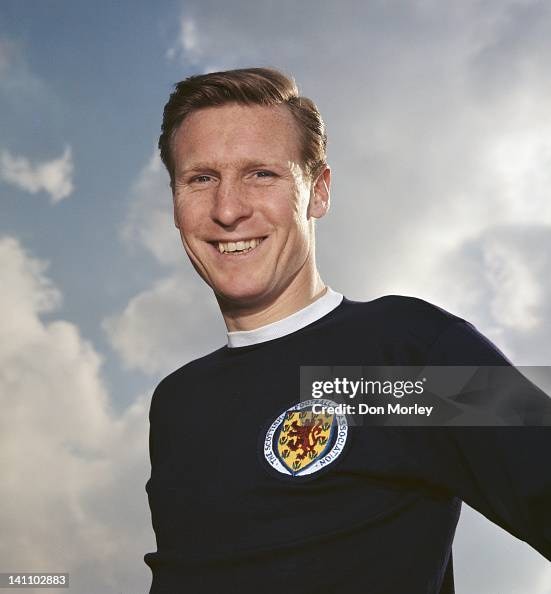
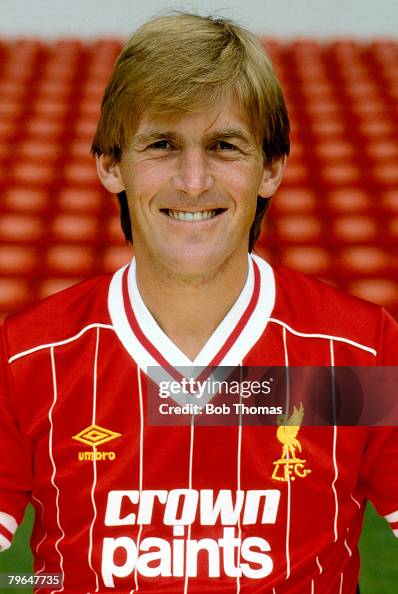
Johnstone is remembered as a folk hero in Scottish football. His signature style was the jinky dribble: a sudden, sharp change of direction that left defenders flat-footed. Media portray him as a genius and a mischievous magician. Fans affectionately call him Jinky and celebrate his legacy through chants at Celtic Park and visits to his statue. The Celtic faithful sing Jinky Johnstone songs regularly. His image is used on merchandise and in documentaries, keeping his memory alive decades after his death. Famous admirers include Pelé, who called him 'a genius,' and Sir Alex Ferguson, who praised him. Teammates like Billy McNeill, Bobby Lennox, Tommy Gemmell, and Bertie Auld were close to him. Kenny Dalglish cited Johnstone as his inspiration.
Fame & Fandom (iFAMOUS Rankings)
Jimmy Johnstone is currently evaluated by iFANN but holds no placement in the published Global Top 1,000 or Top-100 scope lists. While he does not appear on the current ranking ledger, his enduring presence as a cultural icon transcends standard fame metrics. Known universally by the nickname "Jinky," he remains a central figure within the broader Celtic Family rather than a member of a standalone fan organization with a unique name. The club itself formally bestowed the title upon him in 2002, acknowledging that the moniker was thoroughly deserved due to his contribution to the club's culture. His legacy is sustained through deep-rooted rituals rather than modern digital campaigns; fans gather annually to remember his birthday and the anniversary of his death, sharing quotes that keep his philosophy alive in public discourse. A notable example of his universal appeal involves Hollywood icon Robert Duvall, who met Johnstone while filming *A Shot at Glory* and famously named one of his dogs after the Celtic winger. This anecdote serves as proof of his reach beyond football, cementing his status as a global character study. The narrative of his life has also inspired organized charitable initiatives like the "Jinky's Journey" charity walk, which honors his memory while raising awareness for Motor Neurone Disease. Even decades after his passing, the story of his upbringing in Viewpark and his fearless battle with illness continues to resonate, transforming him from a sporting hero into a moral symbol of resilience for the working class of Glasgow.
Interesting Facts and Legends
Johnstone was terrified of flying and would often drink heavily before flights to calm his nerves. On one infamous flight to a European match, he stripped naked and ran down the aisle; teammates had to restrain him. He once drove a car into a river after a night out. Despite his small stature, he was incredibly strong and rarely lost the ball in one-on-one situations. He played a charity match in 2004 while already suffering from motor neurone disease, raising £50,000 for research. He was a heavy smoker throughout his career, often seen with a cigarette after matches. He once scored a goal directly from a corner kick against Rangers in a 1967 Old Firm match. He was a patron of the Motor Neurone Disease Association after retirement. His nickname 'Jinky' came from his jinking runs. He was diagnosed with motor neurone disease in 2003 and campaigned for research funding until his death. In his final interview with BBC Scotland in 2005, he said, 'I'm not afraid of dying. I've had a wonderful life. I've done everything I wanted to do.' A bronze statue of Johnstone was unveiled outside Celtic Park in 2011. The official website www.jimmyjohnstone.com is maintained by his family. Fan pages on Facebook have over 50,000 combined followers. Celtic's 2024–25 kit featured a special Lisbon Lions tribute. A documentary 'Jinky: The Jimmy Johnstone Story' was re-released for streaming in 2023. The 55th anniversary of the European Cup win in 2022 saw renewed media interest. Fans still retell the story of how crowds would sometimes shut down streets or become hysterical when he touched the ball, particularly in European competitions where his skill level was unmatched by continental defenses. One specific viral-style incident often referenced is a match where he seemingly danced around three or four defenders in a tight space, leaving them rooted to the spot. These stories are passed down as the first things newcomers learn about him.
Notable Quotes
“I was born with a ball at my feet. I could dribble before I could walk.”
“The ball was my best friend. I never wanted to let it go.”
“Jock Stein changed my life. He told me to enjoy myself and just play. That was all I needed.”
“I'm not afraid of dying. I've had a wonderful life. I've done everything I wanted to do.”
Family & Personal Life
Johnstone married Agnes in 1965. They had two children: son James (born 1966) and daughter Michelle (born 1969). He was a devout Catholic and attended St John the Baptist Church in Uddingston. His father Matthew was a steelworker, and his mother Sarah was a homemaker. His grandson, also named James, played youth football in Scotland. The family has managed his estate since his death, including licensing deals and the official website. Johnstone's father was a coal miner; he was the son of Sarah and Matthew Johnstone.
Notable Connections
Johnstone's career was transformed by manager Jock Stein at Celtic. He played alongside Billy McNeill, Bobby Lennox, Tommy Gemmell, and Bertie Auld in the Lisbon Lions. Kenny Dalglish cited him as an inspiration. Sir Alex Ferguson praised him. He was a Scotland teammate of Denis Law.
Relationships & Dating History
Johnstone had a stable and private romantic life. He married Agnes in 1965 when he was 21. They met through mutual friends in the Celtic community. The couple had two children: son James (born 1966) and daughter Michelle (born 1969). Agnes remained married to Johnstone until his death from motor neurone disease in 2006. She has largely stayed out of the public eye since. As of 2026, Johnstone is deceased and was married to Agnes at the time of his death. His only known relationship was with his wife.
- MarriedAgnes Johnstone1965 - 2006Met through mutual friends in the Celtic community; had two children together.
Death & Aftermath
Died
March 13, 2006 (aged 61)
Death Place
Viewpark, North Lanarkshire, Scotland
Cause of Death
Complications from Motor Neurone Disease
The family of James Connolly Johnstone announced his passing on March 13, 2006, confirming that the legendary Celtic winger had died at his home in Viewpark, North Lanarkshire. He was 61 years old and had been suffering from Motor Neurone Disease for several years, a progressive condition that eventually left him unable to move or speak freely. His final public appearance before this decline came when he received the club's "Legend" accolade in 2002, though fans and peers alike had watched his health deteriorate with growing concern in the intervening years. Grief rippled instantly through Scotland and the wider football world, with tributes pouring in from former teammates, club officials, and political leaders including then-Scottish First Minister Jack McConnell.
Thousands of mourners gathered for what media outlets described as a state funeral in spirit, filling the streets for a procession that honored a man who had become a national sporting hero. He was laid to rest in his hometown of Viewpark following a private religious ceremony that welcomed thousands of fans into the community. The scale of attendance reflected the deep affection held for Jinky, whose unique dribbling style had captivated generations. In the years since his death, his legacy has been kept alive through various cultural and charitable initiatives. A documentary titled Jimmy Johnstone was released in 2016 to detail his life story and the highs and lows of his career.
Annual tributes continue with the "Jinky's Journey," a charity walk organized by the Celtic FC Foundation and MND Scotland to honor his memory while raising awareness and funds for motor neurone disease research. Even international figures like Robert Duvall, who met Johnstone during the filming of A Shot at Glory, have publicly remembered him as one of the greatest characters they ever met.
Net Worth (Estate Value)
$1 Million
iFANN Editorial Team estimate
Johnstone died in 2006, and his estate is managed by his widow Agnes and their children. At the time of his death, his estate was valued at approximately £250,000–£300,000. Since then, the estate has generated income through posthumous merchandise sales, licensing deals for his image and nickname Jinky, book royalties from his autobiography Jinky (published 2000), documentary rights, and revenue from the statue at Celtic Park which is a tourist attraction. Per iFANN's editorial analysis, the estate is estimated to be worth between £500,000 and £750,000, or roughly $1 Million. Additional income comes from jersey sales, memorabilia, and signed items.
Awards Won (5)
Johnstone won the Scottish Footballer of the Year award in 1967. He finished third in the Ballon d'Or voting that same year. He was voted Celtic's Greatest Ever Player in 2002 and inducted into the Scottish Football Hall of Fame in its inaugural class in 2004. With Celtic, he won the European Cup in 1967, nine consecutive Scottish league titles, four Scottish Cups, and five Scottish League Cups.
1967 · Player of the Year
Celtic
1967 · Third Place
Celtic
Known For
Celtic
1961 · Outside right
Scotland national football team
1964 · Winger
Lisbon Lions European Cup win
1967 · Star player
Keywords
Quick Facts
- Profession
- association football player
- Born
- +1944-09-30
- Birthplace
- Uddingston
- Died
- +2006-03-13
- Death Place
- Uddingston
- Gender
- Male
- Birth Sign
- Libra
Personal Details
- Full Name
- James Connolly Johnstone
- Height
- 5 ft 4 in (163 cm)
- Spouse
- Agnes Johnstone
- Children
- James Johnstone, Michelle Johnstone
Frequently Asked Questions
Was Jimmy Johnstone the best dribbler ever?
How did Jimmy Johnstone die?
Did Jimmy Johnstone have children?
What is Jimmy Johnstone's net worth?
Why was Jimmy Johnstone called Jinky?
Social Media
Join the community
fans discussing