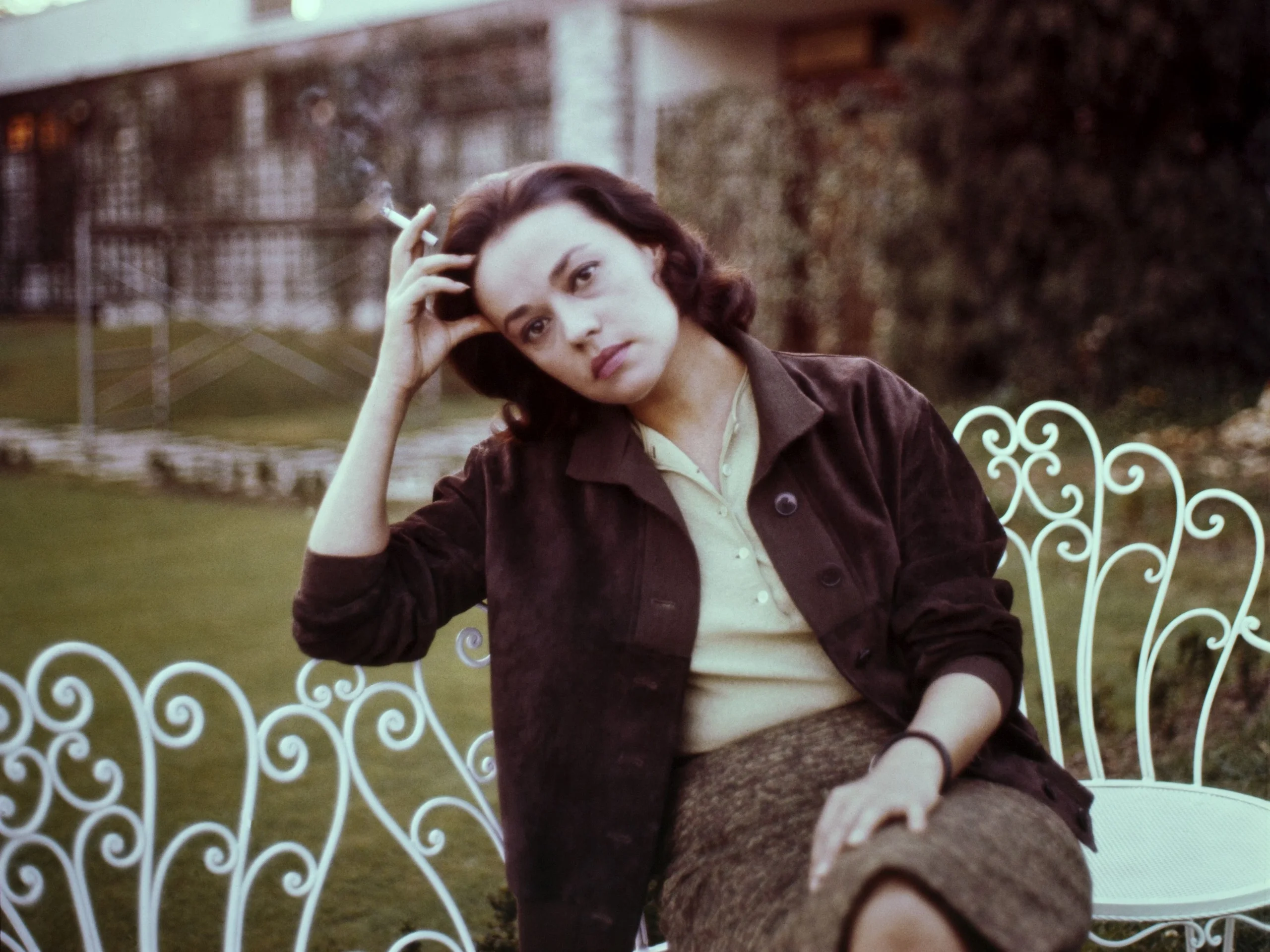
Jeanne Moreau
 France
actress•singer•screenwriter•director
Also known as: Jeanne Dorothée Moreau, La Grande Jeanne
Birthday
January 23, 1928
Birth Sign
Sagittarius
Birthplace
10th arrondissement of Paris, France
Age
Died at 89
Height
5 ft 6 in (1.68 m)
About
Jeanne Dorothée Moreau was a French actress, singer, screenwriter, and director who became the defining face of the French New Wave and one of the most celebrated performers in cinema history. Born on January 23, 1928, in the 10th arrondissement of Paris, she died on July 31, 2017, at her home in the 8th arrondissement of Paris at the age of 89. Her career spanned seven decades, encompassing over 100 films, stage performances, and directing credits, earning her global acclaim for her ability to portray complex, often morally ambiguous women with a unique blend of sensuality, intelligence, and vulnerability.
Moreau began her career on the stage, joining the prestigious Comédie-Française in 1947 before transitioning to film in 1949. She became the muse of the French New Wave, starring in iconic roles such as Catherine in François Truffaut's Jules et Jim and the title role in Tony Richardson's Mademoiselle. Throughout the 1960s and beyond, she collaborated with visionaries like Michelangelo Antonioni and Orson Welles. In 1976, she directed her first feature film, Lumière, proving her versatility behind the camera. She continued acting well into her eighties, winning the César Award for Best Actress for The Old Lady Who Walked in the Sea in 1992. Orson Welles famously called her "the greatest actress in the world," a title that reflected her enduring legacy as one of cinema's most fearless performers.
Early Life & Background
Jeanne Dorothée Moreau entered the world on January 23, 1928, in the working-class 10th arrondissement of Paris. Her father, Louis Moreau, worked as a theater technician, and her mother, Jeanne-Marie, was a seamstress. This theatrical environment deeply influenced her early interests from a young age. After finishing her secondary education, she pursued formal training at the Cours Simon drama school, graduating in 1947. Before her rise to film fame, Moreau established herself as a formidable stage actress. That same year she graduated, she joined the Comédie-Française, France's national theater company. She quickly rose through the ranks to become one of the leading actresses of her generation. During these formative years, she performed in classical repertoires, including major roles in plays by Molière. These stage experiences honed her vocal style, giving her the distinctive gravelly tone that would later define her screen presence. Her transition to film began in 1949 with small, uncredited roles, but it was her commanding stage work that prepared her for the intensity required by the directors who would soon change her life.
Career Growth
Moreau's breakthrough arrived in 1958 when she starred in Louis Malle's Elevator to the Gallows. Playing Florence Carala, a woman left alone after her lover is trapped outside, she wandered the streets of Paris while Miles Davis provided an improvised jazz score. The film is widely cited as a masterpiece of noir and the French New Wave, launching her from a respected stage actor to an international star. Following this success, she became the muse of the French New Wave. In 1960, she won the Cannes Film Festival Award for Best Actress for Seven Days... Seven Nights. Her performance in Michelangelo Antonioni's La Notte (1961) showcased her ability to convey existential ennui, followed by her iconic role as Catherine in François Truffaut's Jules et Jim (1962). Other significant roles included Modérato Cantabile (1960), Bay of Angels (1963), The Trial (1962), F for Fake (1973), and The Bride (1985).
In the 1970s, she expanded her creative horizons by moving behind the camera, directing her first feature, Lumière, in 1976. She continued to act well into her eighties, taking on roles in films like The Old Lady Who Walked in the Sea (1992) and The Last Mistress (2007). Her final major film role proved her enduring relevance and versatility, cementing her status as a legend of the medium. She received the BAFTA Fellowship in 1996 and an Honorary César in 2008 for her lifetime achievement.
Career Timeline
Public Image & Style
Moreau was portrayed by the media as the quintessential femme fatale, a sensual, intelligent, and independent woman who defied conventional norms. Her signature style included elegant, often minimalist clothing that emphasized her natural beauty and gravitas. Her content and persona were characterized by a serious, artistic tone, reflecting her dedication to the craft of acting rather than celebrity culture. Her distinctive gravelly voice and piercing eyes made her instantly recognizable on screen. She was frequently featured on the covers of Vogue and Paris Match during the 1960s and 1970s, highlighting her unique style and acting prowess.
Fame & Fandom
Unlike modern pop phenomena, the audience for Jeanne Moreau formed no unified club with a specific moniker or organized rituals; her admirers remain an informal collective of cinephiles, scholars, and historians who revere her filmography rather than her personhood. Her legacy is sustained not by fan campaigns but by institutional appreciation from film societies and preservation groups that curate retrospectives of her work, reflecting a relationship mediated almost entirely through her complex on-screen personas. The crowds that once fainted at her premieres have long since dispersed, yet the cultural echo of her performances in films like Elevator to the Gallows and Jules et Jim persists as a reflection of her unique stature among filmmakers. Current data places her as the 60th most famous person in France, a position she holds within the iFANN Global Fame Rankings which track attention across media coverage, search trends, and consumption signals worldwide. Fan-run accounts on social media maintain thousands of followers sharing clips and quotes, while her Wikipedia page receives tens of thousands of views annually, indicating sustained interest.
Interesting Facts and Legends
During the release of Jules et Jim in 1962, audiences reacted with such intensity that women were documented fainting in theaters and large crowds gathered outside cinemas in Paris and London. Orson Welles famously described her as the greatest actress in the world, a sentiment that solidified her reputation as the quintessential femme fatale of the era. Her collaboration with Louis Malle on Elevator to the Gallows launched her career from obscurity to global fame, featuring a scene where she wanders Paris alone after a murder accompanied by Miles Davis's jazz score. This sequence is frequently cited as one of the greatest opening moments in film history. Later in her career, she directed her own film, Lumière, in 1976, proving her versatility beyond acting. A notable anecdote from her time working with Orson Welles on The Trial and F for Fake highlights their shared appreciation for the raw nature of cinema, including a moment where they bonded over the visceral reality of production. Her death on July 31, 2017, was mourned globally as the passing of a cultural icon whose influence transcended generations. John Waters also bonded with Moreau over a shared appreciation for the visceral reality of cinema, discussing the "puke" factor in film production.
Notable Quotes
“I am not an actress; I am a woman who acts.”
“I prefer to be misunderstood than to be understood too easily.”
“She is the greatest actress in the world.”
Family & Personal Life
Jeanne Moreau was born into a working-class family in Paris. Her father, Louis Moreau, was a theater technician, and her mother, Jeanne-Marie, was a seamstress. This theatrical environment deeply influenced her early interests. She married fellow actor and director Jean-Louis Richard in 1950. They had three children together: Catherine, Christophe, and Anne. The couple separated in the late 1960s and eventually divorced. Jean-Louis Richard died in 1993, leaving Moreau widowed. Her daughter Catherine Moreau has been involved in preserving her mother's legacy through retrospectives and archival projects.
Notable Connections
Louis Malle, François Truffaut, Michelangelo Antonioni, Orson Welles, William Friedkin, Jean-Louis Richard.
Relationships & Dating History
Jeanne Moreau's personal life was as dramatic and public as her career, marked by high-profile marriages and relationships with some of the most famous figures in cinema. She married Jean-Louis Richard, a fellow actor and director, in 1950. They had three children together: Catherine, Christophe, and Anne. The couple separated in the late 1960s and eventually divorced. Their marriage was considered a power couple union in the French artistic community before Moreau's rise to international stardom strained their relationship due to her demanding schedule and growing fame. Jean-Louis Richard died in 1993, leaving Moreau widowed.
In the mid-1960s, Moreau had a highly publicized romance with American director William Friedkin. They were engaged for a period, but the relationship ended without marriage. Friedkin reportedly found Moreau's intensity and independence difficult to manage, and they parted ways amicably. No children were born from this union. While never legally married, Orson Welles was a close friend and frequent collaborator of Moreau. They worked together on The Trial and F for Fake. Their relationship was characterized by a deep intellectual and artistic bond, with Welles famously calling her "the greatest actress in the world." Throughout her life, Moreau was linked to various artists and intellectuals, including the writer Raymond Queneau and the musician Serge Gainsbourg, though these relationships were often short-lived or purely social.
- MarriedJean-Louis Richard1950 - 1968Had three children together; he died in 1993.
- EngagedWilliam Friedkin1965 - 1966Highly publicized romance that ended without marriage.
- DatedOrson Welles1962 - 1985Close friend, collaborator, and romantic partner; never legally married.
Death & Aftermath
Died
July 31, 2017 (aged 89)
Death Place
Paris, France
Cause of Death
Reported as natural causes consistent with age
The film industry and French government immediately honored Jeanne Moreau as a defining figure of the French New Wave following the announcement of her passing. Tributes poured in from fellow actors and directors who had worked with her in seminal films like Elevator to the Gallows and Jules et Jim, marking a global moment of mourning. She died peacefully in her sleep at her home in Paris on July 31, 2017, at the age of 89, concluding a career that spanned over seven decades since her theatrical debut in 1947. The circumstances were described as a natural passing consistent with her age, coroner rulings, or inquest findings made public and no legal inquiry connected to the event.
Her funeral service was held privately, adhering to the wishes of her family, and details regarding the exact date, location, and attendees were not disclosed to the public. Posthumously, her legacy has been maintained through retrospectives such as the series Jeanne Moreau, Actrice organized by the Film Forum, which showcased classics including The Lovers and Bay of Angels. In 2026, a coffee-table book titled The Promising Young Women of the Nouvelle Vague paid tribute to her alongside contemporaries like Jean Seberg and Brigitte Bardot. Her existing body of work remains available on platforms like The Criterion Channel, while the handling of her assets and intellectual property was managed privately by her family.
Net Worth (Estate Value)
$18 Million
iFANN Editorial Team estimate
As Jeanne Moreau passed away in 2017, her net worth as of 2026 refers to the value of her estate. Research by the iFANN Editorial Team puts her fortune at around $18 million. Estimates vary. Her wealth was derived from salaries for over 100 films, book sales, music recordings, and ongoing royalties from her extensive filmography. Posthumous revenue continues to flow from licensing deals, DVD/Blu-ray sales, streaming rights, and merchandise related to her iconic roles. Her estate is managed by her children, particularly her daughter Catherine Moreau, who has been involved in preserving her mother's legacy through retrospectives and archival projects.
Awards Won (29)
Jeanne Moreau received numerous accolades throughout her lifetime, recognizing her contributions to cinema and the arts. She won the Cannes Film Festival Award for Best Actress in 1960, the BAFTA Award for Best Foreign Actress in 1965, and the César Award for Best Actress in 1992. She also received lifetime achievement honors, including a BAFTA Fellowship in 1996, a Cannes Golden Palm in 2003, and another César in 2008. Despite being nominated for an Academy Award for Best Actress for Jules et Jim, she did not win.
1965 · Best Foreign Actress
Viva Maria!
1996 · Lifetime Achievement
Known For
Elevator to the Gallows
1958 · Florence Carala
Jules et Jim
1962 · Catherine
La Notte
1961 · Lidia Pontano
The Trial
1962 · The Judge's Wife
F for Fake
1973 · Herself
Keywords
Sources
Quick Facts
- Profession
- film actor, film director, singer
- Born
- January 23, 1928
- Birthplace
- 10th arrondissement of Paris
- Died
- July 31, 2017
- Death Place
- 8th arrondissement of Paris
- Gender
- Female
- Spouse
- Jean-Louis Richard
- Birth Sign
- Sagittarius
Personal Details
- Full Name
- Jeanne Dorothée Moreau
- Height
- 5 ft 6 in (1.68 m)
- Spouse
- Jean-Louis Richard
- Children
- Catherine, Christophe, Anne
- Education
- Cours Simon drama school
Filmography
103
Total
98
Film
5
TV
Frequently Asked Questions
How did Jeanne Moreau die?
Who was Jeanne Moreau married to?
What was Jeanne Moreau's biggest role?
Did Jeanne Moreau win an Oscar?
Was Jeanne Moreau a singer?
Similar People
Join the community
fans discussing