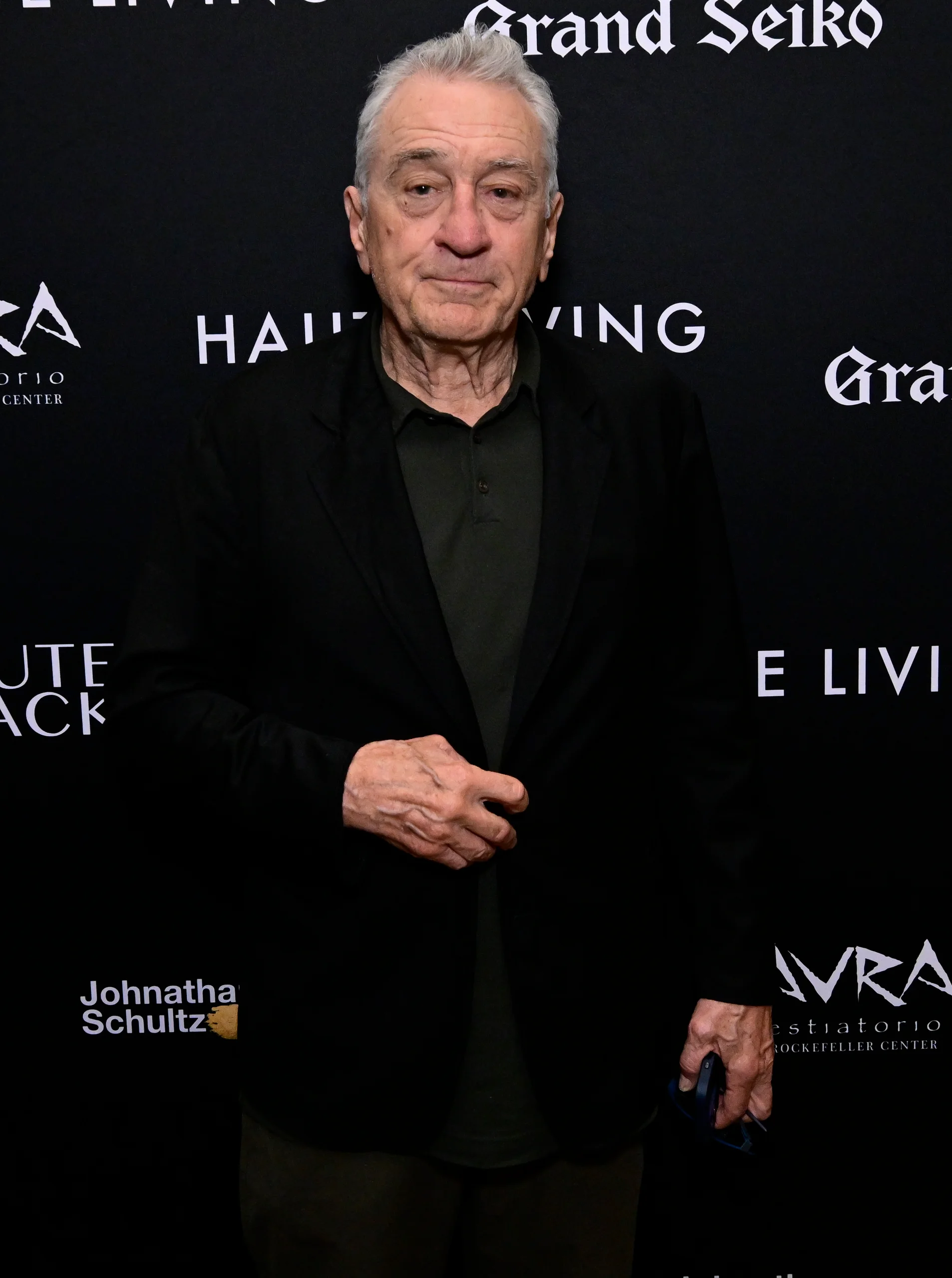
Jan Jongbloed
 Netherlands
association football player•association football coach
Birthday
November 25, 1940
Birth Sign
Sagittarius
Birthplace
Amsterdam, Netherlands
Age
Died at 82
About
Jan Jongbloed (25 November 1940 – 30 August 2023) was a Dutch professional footballer who played as a goalkeeper and is best remembered for his pivotal role in the Netherlands national team during the "Total Football" era. Born in Amsterdam, he passed away at the age of 82 following a long illness. While often overshadowed by his contemporaries like Johan Cruyff or Rinus Michels, Jongbloed holds a unique place in football history as the only goalkeeper to start and play in two consecutive FIFA World Cup finals. He finished as a runner-up with the Netherlands in both the 1974 tournament in West Germany and the 1978 tournament in Argentina. His career spanned over a decade at the highest level of club and international competition, cementing his legacy as an integral part of the "Golden Generation" mythology surrounding Dutch football.
Early Life & Background
Jan Jongbloed grew up in Amsterdam, a city where football culture runs deep in the veins of its residents. Before achieving professional status, he worked as a civil servant while playing amateur football, a common practice in the Netherlands before full professionalism became widespread across the country. This dual life allowed him to balance his job with his football ambitions during his formative years. His breakthrough arrived in 1962 when he joined the professional club Go Ahead Eagles. At this stage, he established himself as a reliable goalkeeper known for his agility and distribution skills. These early years laid the foundation for a career that would eventually see him representing his country on the world stage. His time with Go Ahead Eagles served as a crucial stepping stone, providing the platform for him to refine his techniques and gain recognition among scouts and coaches. During this period, Jongbloed honed the specific skills that would later define his playing style. He moved from being a local talent to a recognized professional within the Dutch league system, marking the end of his civilian career and the beginning of his full-time dedication to football.
Career Growth
Jongbloed's career trajectory took him through several prominent clubs in the Netherlands. After his initial success with Go Ahead Eagles, he moved to FC Twente in 1965. In 1968, he joined Feyenoord Rotterdam, where he achieved some of his greatest triumphs. With Feyenoord, he won the Eredivisie title in 1969 and the European Cup in 1970. The European Cup victory was particularly historic as it made Feyenoord the first Dutch club to win the prestigious tournament. He later played for NEC Nijmegen between 1976 and 1978, concluding his playing days with De Graafschap in 1980.
On the international stage, Jongbloed earned 24 caps for the Netherlands between 1968 and 1978. His most significant achievement occurred during the 1974 World Cup. In a historic tactical shift, he started the final match against West Germany after the original number one, Jan van Beveren, was injured in training. Although the Netherlands lost 2–1, his performance under immense pressure cemented his place in the national consciousness. He returned to the starting lineup for the 1978 World Cup in Argentina, again reaching the final but losing 3–1 to Argentina. Later in his career, he played for NEC Nijmegen and concluded his playing days with De Graafschap in 1980.
After retiring from active play, Jongbloed transitioned into coaching. He served as a goalkeeping coach for various clubs and the national youth teams. His contributions helped shape the development of future Dutch goalkeepers, ensuring that his expertise continued to influence the sport long after his retirement from playing. He was also one of the earliest practitioners of the "sweeper-keeper" role, anticipating the modern requirement for goalkeepers to participate in build-up play.
Career Timeline
Public Image & Style
Jongbloed is portrayed as a humble, professional, and integral member of the "Clockwork Orange" generation. Media obituaries describe him as a key figure in the "golden generation" that never won the World Cup but changed the game forever. His legacy is tied to the tragedy of near-misses; he is the face of the "almost" victories that defined the Netherlands' dominance in the 1970s. He is frequently cited in lists of the greatest Dutch goalkeepers and is an integral part of the "Golden Generation" mythology surrounding Dutch football. As a physical embodiment of the "Total Football" system, he required acting as a sweeper-keeper, sweeping behind the defense to distribute the ball quickly—a revolutionary concept at the time.
Fame & Fandom (iFAMOUS Rankings)
iFANN has not yet collected fame data for this person. While there is no official fandom name specifically for Jan Jongbloed, he is revered within the broader community of Dutch football fans and "Total Football" enthusiasts. His reputation rests on his unique historical achievement and his contribution to the evolution of the goalkeeper position. Fans of Dutch football history often reference his story as a testament to the resilience and adaptability required to succeed in the Total Football system. The narrative around him focuses on his consistency and the historic nature of his two World Cup final appearances. He is often associated with teammates like Johan Cruyff, Rinus Michels, Arie Haan, and Willem van Hanegem, who were central to the era's success.
Interesting Facts and Legends
This feat is often cited in football trivia and is central to his legacy. He remains the only goalkeeper in history to start in back-to-back World Cup finals. Before becoming a full-time professional, he worked as a civil servant, balancing his job with his football ambitions. He was also one of the earliest practitioners of the "sweeper-keeper" role, anticipating the modern requirement for goalkeepers to participate in build-up play. A legendary moment in Dutch football lore involves the 1974 final where he was called upon due to an injury to the starting keeper. While not the tactician behind the scenes, Jongbloed was the physical embodiment of the "Total Football" system required to act as a sweeper-keeper. Born on 25 November 1940, his birth sign is Sagittarius. Specific height measurements are not explicitly stated, though standard profiles for goalkeepers of his era typically range between 1.80m and 1.85m.
Family & Personal Life
Information regarding Jan Jongbloed's romantic relationships and dating history is scarce in public records. Unlike many modern celebrities, Jongbloed maintained a relatively private personal life, focusing primarily on his football career and family. It is confirmed that he had a son, who was mentioned in a United Press International report in September 1984 regarding the son's involvement in sports. The name of his spouse and the specific dates of their marriage are not widely documented in major biographical sources. There are no reports of high-profile flings or ongoing relationships in his twilight years. He lived a low-profile life in his later years, passing away in 2023.
Notable Connections
Relationships & Dating History
Information regarding Jan Jongbloed's romantic relationships and dating history is scarce in public records. Unlike many modern celebrities, Jongbloed maintained a relatively private personal life, focusing primarily on his football career and family. It is confirmed that he had a son, who was mentioned in a United Press International report in September 1984 regarding the son's involvement in sports. The name of his spouse and the specific dates of their marriage are not widely documented in major biographical sources. There are no reports of high-profile flings or ongoing relationships in his twilight years. He lived a low-profile life in his later years, passing away in 2023. As of his death on 30 August 2023, there is no public record indicating he was divorced, widowed, or currently single prior to his passing; however, the lack of recent media coverage suggests he lived a low-profile life in his later years.
Death & Aftermath
Died
August 30, 2023 (aged 82)
Death Place
Unknown
Cause of Death
Long illness
Tributes poured in from major international agencies and football institutions, recognizing Jan Jongbloed as a central figure of the Dutch "Total Football" era. The Telegraph published a detailed obituary highlighting his status within the Netherlands' runner-up finishes in 1974 and 1978, while Fox Sports and France 24 honored his legacy. These acknowledgments arrived shortly after his passing, which occurred on August 30, 2023, at the age of 82. While some initial reports cited August 31, authoritative outlets from The Hague confirmed the earlier date, though the specific location of his death remains unrecorded. He passed away following a long illness, a descriptor consistently reported across multiple sources without further medical elaboration. Details regarding the funeral service, including its date, location, or whether it was public or private, were not included in available records. Posthumous releases such as new films, books, or awards created immediately in his name have not been reported, nor were any foundations established in his honor. Information regarding the management of his estate remains unavailable.
Net Worth (Estate Value)
$1 Million
iFANN Editorial Team estimate
As a deceased individual, Jan Jongbloed's net worth is reflected in the value of his estate. Specific financial figures regarding his estate's current value or posthumous earnings are not publicly disclosed in the search results. Athletes of his era, particularly those who played in the Netherlands before the massive commercialization of soccer in the 1990s and 2000s, typically accumulated wealth through salaries and modest endorsements rather than global brand deals. Given his era and the lack of posthumous commercial releases or licensing deals mentioned in the news, his estate value is likely modest compared to modern superstars, consisting primarily of any remaining assets from his lifetime earnings and real estate holdings. Details on who manages his estate are not available. No credible source provides a specific dollar figure for his estate as of 2026.
Awards Won (2)
While Jongbloed did not win individual awards like "Player of the Year," his contributions were recognized through team successes. He won the European Cup in 1970 with Feyenoord and the Eredivisie title in 1969. He finished as a runner-up in the World Cup in both 1974 and 1978 with the Netherlands.
1970 · Club Competition
Feyenoord
1969 · League
Feyenoord
Known For
Netherlands National Team
1974 · Goalkeeper
Feyenoord
1970 · Goalkeeper
Keywords
Sources
Quick Facts
- Profession
- association football player, association football coach
- Born
- November 25, 1940
- Birthplace
- Amsterdam
- Died
- August 30, 2023
- Gender
- Male
- Birth Sign
- Sagittarius
Personal Details
- Full Name
- Jan Jongbloed
- Children
- One son
Frequently Asked Questions
When did Jan Jongbloed die?
Which World Cups did Jan Jongbloed play in?
What club did Jan Jongbloed win the European Cup with?
How many international caps did Jan Jongbloed have?
Is Jan Jongbloed related to any famous footballers?
Similar People
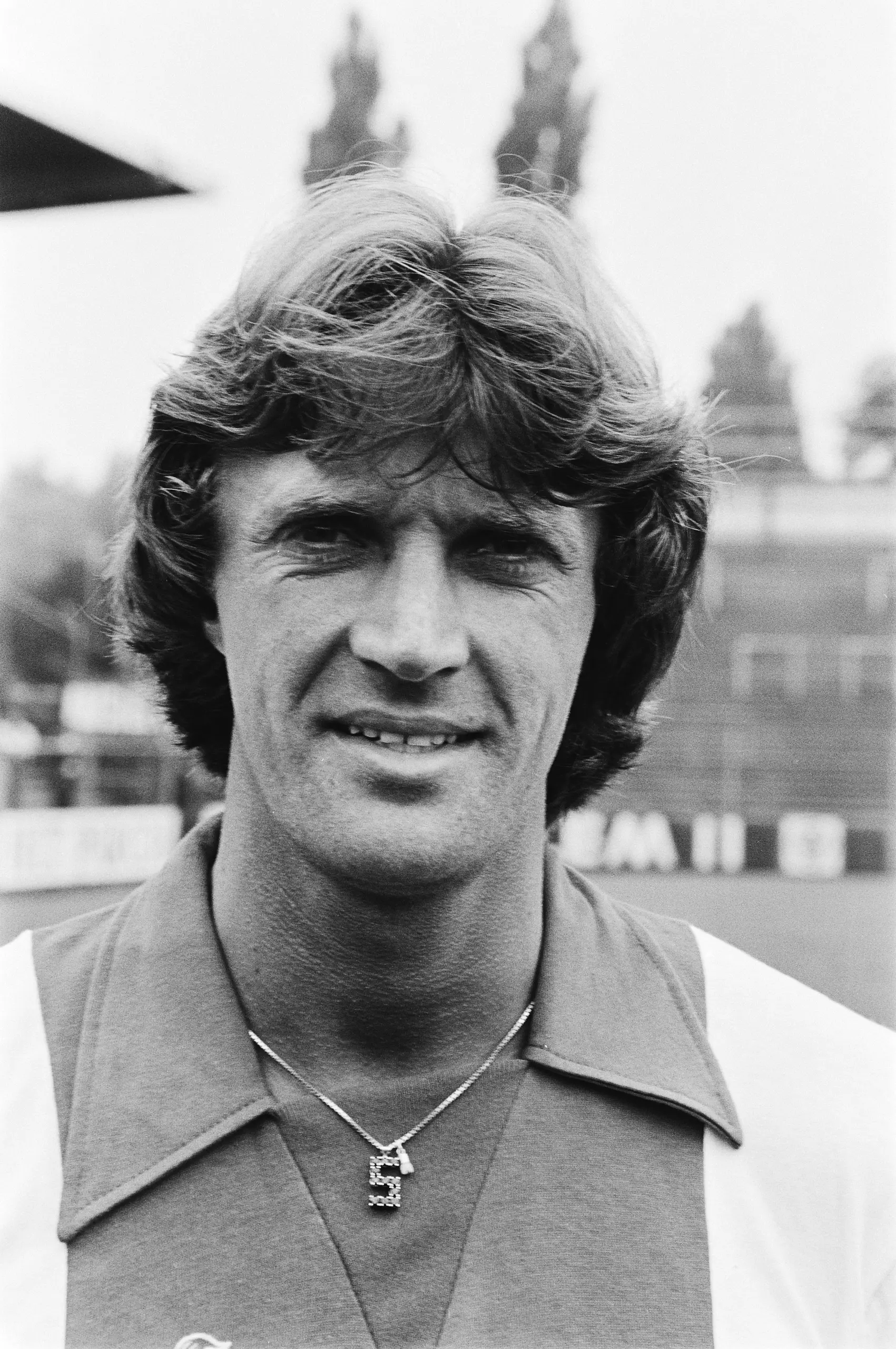
Join the community
fans discussing