
Jamil Mahuad
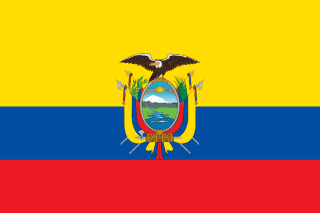 Ecuador
Also known as: Jorge Jamil Mahuad Witt, Jamil Mahuad Witt
Birthday
July 29, 1949
Birth Sign
Leo
Birthplace
Loja, Ecuador
Age
77 years old
About
Jamil Mahuad is an Ecuadorian lawyer, academic, and former politician who served as the 41st president of Ecuador from 1998 to 2000. He is best known for negotiating a historic peace treaty with Peru that ended a decades-long border dispute, an achievement that earned him a Nobel Peace Prize nomination. His presidency, however, was overshadowed by a severe economic crisis, and his decision to adopt the US dollar as Ecuador's currency sparked widespread unrest that led to his ouster in a coup.
Today, Mahuad lives in the United States, where he works as a Senior Fellow at the Program on Negotiation at Harvard Law School and teaches leadership and negotiation to executives. He remains a sought-after speaker on Latin American politics, economic reform, and conflict resolution, drawing on his own experiences in office.
Early Life & Background
Jamil Mahuad Witt was born on July 29, 1949, in Loja, a city in southern Ecuador. He grew up in a middle-class family; his father was a doctor and his mother a homemaker. From a young age, he showed an aptitude for academics, excelling in his studies at a local Catholic school. He moved to Quito to attend the Pontificia Universidad Católica del Ecuador, where he earned a law degree.
Mahuad's legal career began in private practice, but he soon turned to academia, teaching law at his alma mater. In 1979, he earned a Master of Laws from Harvard Law School, where he later returned as a visiting scholar. His political ambitions emerged in the 1980s. He ran for president in 1988 but lost in the primary. Undeterred, he ran for mayor of Quito in 1992 and won, serving two terms until 1998. As mayor, he focused on urban infrastructure, public transportation, and social programs, building a reputation as a competent administrator.
The turning point came in 1998. Ecuador was in the grip of an economic crisis, and Mahuad, running on a platform of stability and reform, won the presidential election in a runoff. His victory was seen as a mandate for change, but the challenges ahead were formidable.
Career Growth
Mahuad took office on August 10, 1998, inheriting an economy in freefall. Inflation was soaring, the banking system was collapsing, and the national currency, the sucre, was losing value rapidly. His first major achievement came in October 1998, when he signed a peace treaty with Peru, ending a border conflict that had simmered for over 50 years. The agreement, brokered with the help of international mediators, earned him global recognition and a nomination for the Nobel Peace Prize.
Economically, Mahuad's options were limited. In January 1999, he declared a state of emergency and froze bank accounts to stem capital flight, a move that angered many. As the crisis deepened, he announced a plan to dollarize the economy, replacing the sucre with the US dollar. The policy, implemented in March 2000, was intended to curb inflation and restore confidence, but it was deeply unpopular, especially among the poor and indigenous communities who saw their savings wiped out.
Protests escalated, and on January 21, 2000, a coalition of military officers and indigenous leaders seized the National Assembly, declaring Mahuad removed from office. He fled the presidential palace and went into exile in the United States. In 2014, an Ecuadorian court sentenced him in absentia to 12 years in prison for embezzlement and corruption related to the bank bailout during his term. Since then, he has reinvented himself as an academic, teaching negotiation at Harvard and speaking internationally about leadership and crisis management.
Career Timeline
Public Image & Style
In the eyes of many Ecuadorians, Mahuad remains a polarizing figure. Critics blame his dollarization policy for deepening the economic crisis and his handling of the bank failures for widespread corruption. Supporters, however, point to his role in securing peace with Peru and argue that dollarization eventually stabilized the economy. Internationally, he is respected as a scholar and a voice on democratic governance and crisis management. His public persona is that of a measured, intellectual leader, often seen in academic settings rather than on the political stage.
Fame & Fandom (iFAMOUS Rankings)
Jamil Mahuad stands apart from the celebrity sphere, defined not by a devoted fanbase or viral moments but by his weighty role in Ecuadorian history and global diplomacy. While some figures command crowds that shut down streets or organize streaming campaigns for their projects, Mahuad's public interactions remain rooted in academic lectures and policy discussions. His relationship with the public is historically complex, oscillating between reverence for his peace treaty with Peru and sharp criticism regarding the economic crisis that ended his presidency. There is no formal fandom name attached to his legacy, nor are there documented rituals, fan-funded charity drives, or organized support groups typical of cultural icons. Instead, his audience consists of students, legal scholars, and those studying Latin American political instability. The stories that endure about him are verified historical events rather than folklore: the signing of the 1998 peace accord, the controversial adoption of the US dollar, and the dramatic coup of January 2000. These narratives shape his reputation as a polarizing yet intellectually respected figure who navigated high-stakes crises. He operates in the realm of serious scholarship at Harvard Law School, where he teaches leadership to executives, attracting an audience interested in governance rather than entertainment. Consequently, iFANN's Global Fame Engine has evaluated this person, but they do not currently hold a placement in the published rankings (Global Top 1,000 or a Top-100 scope list). Jamil Mahuad is currently the EVALUATED_UNRANKED most famous person in the world.
Interesting Facts and Legends
Beyond his political career, Jamil Mahuad is an accomplished chess player who credits the game with sharpening his strategic thinking. He is a devoted fan of Pablo Neruda's poetry, often quoting verses during his lectures on negotiation. During his tenure as mayor of Quito, he launched an ambitious initiative to plant over 100,000 trees throughout the city. He holds dual citizenship in both Ecuador and the United States, and his favorite film is Lawrence of Arabia, which he says reminds him of the complexities of leadership. A defining legend surrounding his time in office involves the dramatic events of January 2000, where indigenous protesters and military leaders turned against him, leading to his brief imprisonment and subsequent flight to Panama. This moment remains a central chapter in discussions about Latin American political volatility. Another enduring story highlights his diplomatic triumph in 1998, where he signed a historic peace treaty with Peru, earning a Nobel Peace Prize nomination for ending decades of border conflict. In 2014, another significant chapter unfolded when an Ecuadorian court sentenced him to 12 years in prison in absentia for his handling of the economic crisis, sparking international debate on leader accountability.
Notable Quotes
“Peace is not the absence of conflict, but the ability to handle conflict by peaceful means.”
“Dollarization was a painful but necessary decision to save Ecuador from hyperinflation.”
“Leadership is about making tough choices, even when they are unpopular.”
Family & Personal Life
Jamil Mahuad is married to Ximena Bohórquez, a former first lady of Ecuador. The couple has three children: two daughters and a son. His family has largely stayed out of the public eye, especially after his exile. They reside in the Boston area, where Mahuad works at Harvard. He has spoken about the importance of family support during his political career and the difficult decision to leave Ecuador for their safety.
Notable Connections
Jamil Mahuad is associated with the Harvard Law School Program on Negotiation, where he serves as a Senior Fellow. He has collaborated with international organizations such as the Inter-American Dialogue and has spoken at the World Economic Forum. His political career is linked to figures like Gustavo Noboa, his vice president who succeeded him, and Alberto Fujimori, the Peruvian president with whom he negotiated the peace treaty.
Relationships & Dating History
Jamil Mahuad has been married to Ximena Bohórquez for over 40 years. The couple met in Quito in the early 1970s and married in 1974. Bohórquez, a former teacher, served as First Lady of Ecuador during his presidency. She has been a constant source of support, especially during his exile. As of 2026, Mahuad and Bohórquez are still married and reside in the United States. There have been no public reports of any other significant relationships during his career.
- MarriedXimena Bohórquez1974 - presentCurrentMet in Quito in the early 1970s and have been married for over 40 years.
Salary, Net Worth In 2026
$1 Million
iFANN Editorial Team estimate
Per iFANN's editorial analysis, Jamil Mahuad's net worth is estimated at $1 Million as of 2026. This figure is modest compared to many former heads of state, reflecting his transition from politics to academia. His primary income sources include his salary as a Senior Fellow at Harvard Law School, fees for speaking engagements, and proceeds from his writings. Since leaving office, he has not been involved in lucrative business ventures. His financial situation is also affected by legal fees related to his ongoing legal battles with the Ecuadorian government. Despite the challenges, he maintains a comfortable lifestyle in the Boston area.
Awards & Accolades
Known For
Peace Treaty with Peru
1998 · Negotiator
Dollarization of Ecuador
2000 · President
Keywords
Sources
Quick Facts
- Profession
- politician, lawyer, academic
- Born
- July 29, 1949
- Birthplace
- Loja, Ecuador
- Gender
- Male
- Birth Sign
- Leo
- Education
- Pontificia Universidad Católica del Ecuador; Harvard Law School (JD)
- Presidency
- 1998-2000
- Nobel Peace Prize Nomination
- 1999
Personal Details
- Full Name
- Jorge Jamil Mahuad Witt
- Education
- Pontificia Universidad Católica del Ecuador; Harvard Law School (JD)
Frequently Asked Questions
Who is Jamil Mahuad?
What was Jamil Mahuad's presidency known for?
Why was Jamil Mahuad ousted from presidency?
What happened to Jamil Mahuad after his presidency?
What was the significance of dollarization in Ecuador under Mahuad?
Similar People
Join the community
fans discussing