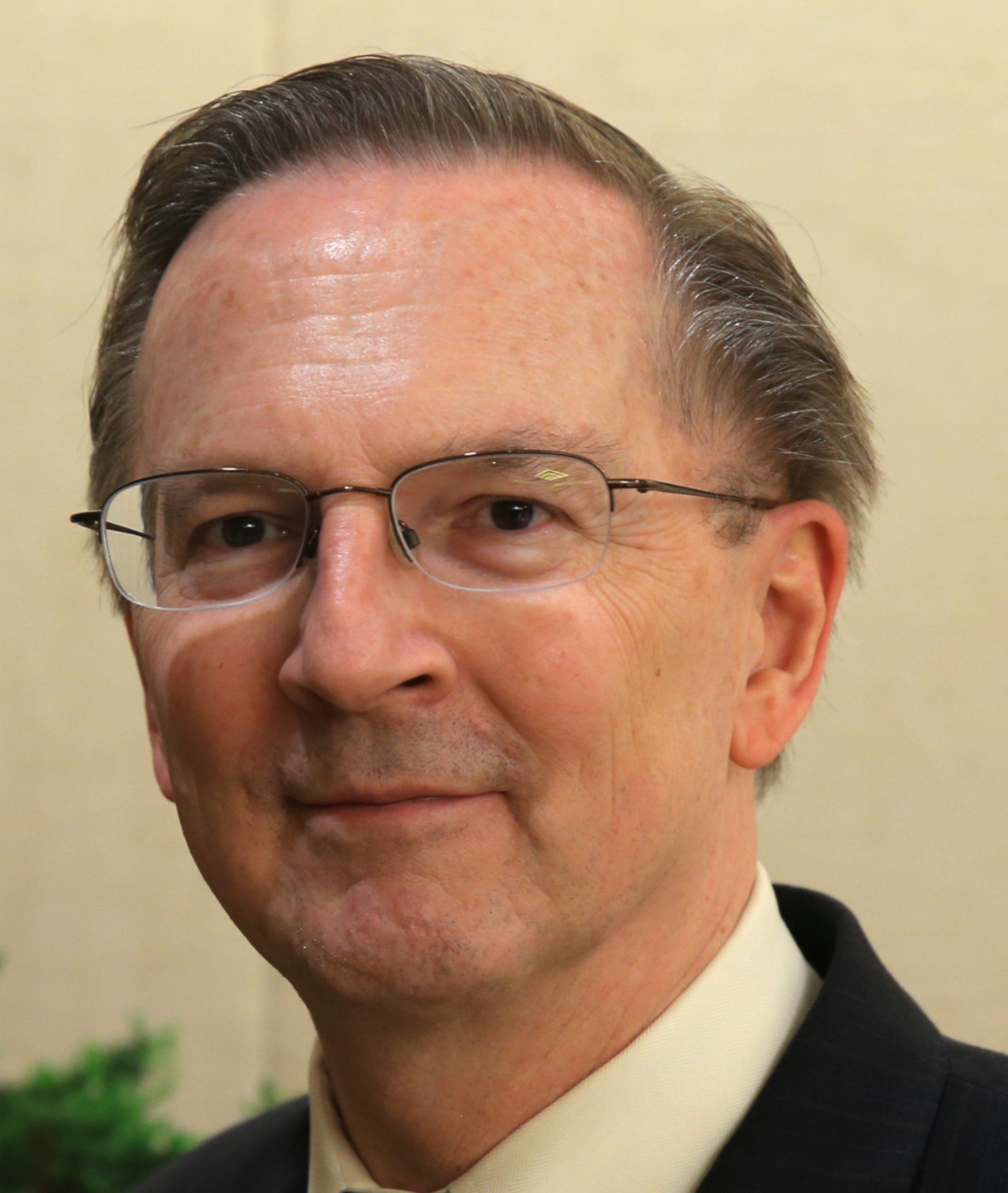
Jack W. Szostak
 Canada
biologist•molecular biologist•geneticist
Also known as: Jack William Szostak
Birthday
November 9, 1952
Birth Sign
Scorpio
Birthplace
London, United Kingdom
Age
73 years old
About
Jack William Szostak is a Canadian American biologist of Polish British descent. He holds a Nobel Prize for his work on telomeres, and he currently serves as a University Professor of Chemistry at the University of Chicago. For over three decades he was a professor of genetics at Harvard Medical School and an investigator at Massachusetts General Hospital, where he also held the Alexander Rich Distinguished Investigator position. His research has shaped modern molecular biology, from early studies of DNA recombination to the development of yeast artificial chromosomes that aided the Human Genome Project. In 2009, he shared the Nobel Prize in Physiology or Medicine with Elizabeth Blackburn and Carol Greider for the discovery of how chromosomes are protected by telomeres and the enzyme telomerase. Today his laboratory explores the origins of life, working to create synthetic protocells that can replicate and evolve. Szostak has published more than 400 papers, and his work continues to ask the most fundamental questions about biology.
Early Life & Background
Szostak was born in London to a Polish father and a British mother of French-Canadian descent. His family moved to Canada when he was young, and he grew up in Montreal. At Riverdale High School he developed an early fascination with chemistry, a subject that would define his career. He enrolled at McGill University, graduating in 1972 with a bachelor's degree in cell biology, first-class honours. For his doctorate he moved to Cornell University, where he studied under Ray Wu. His thesis work focused on DNA recombination and the construction of artificial plasmids, he built one of the first artificial plasmids and demonstrated in vitro recombination, work that would underpin later gene-manipulation tools. After finishing his Ph.D. in 1977, he did postdoctoral work at Cornell before joining Harvard Medical School as an assistant professor in 1979. Those early years in the lab set the stage for his later breakthroughs in yeast genetics and telomere biology.
Career Growth
Szostak's breakthrough came in the 1980s when he collaborated with Elizabeth Blackburn and Carol Greider on telomeres. His experiments showed that telomeric DNA from yeast could be maintained in Tetrahymena, proving the sequences were conserved across species and leading to the discovery of telomerase. This work earned the trio the 2009 Nobel Prize in Physiology or Medicine. Before that, he had already made foundational contributions to yeast genetics, developing the double-strand-break repair model for meiotic recombination and creating yeast artificial chromosomes that became essential for the Human Genome Project. At Harvard, he rose to full professor and later became an investigator with the Howard Hughes Medical Institute. In 2022, he moved to the University of Chicago as a University Professor of Chemistry. His current research focuses on prebiotic chemistry and the construction of protocells, synthetic cells that could self-replicate and evolve, simulating early Earth conditions. He returned to Cornell in October 2025 to deliver the Ef Racker Lecture on the origins of life.
Career Timeline
Public Image & Style
Within the scientific community, Szostak is regarded as a rigorous and imaginative researcher who asks bold questions about the nature of life. He is known for his accessible, engaging lectures, which have drawn large audiences at institutions like Northwestern University and Cornell. He is not a celebrity scientist in the popular sense, but his Nobel Prize has brought him recognition, and he is frequently invited to speak at major conferences. Colleagues describe him as a generous mentor, and his lab has trained many successful scientists. His shift from genomics to origins-of-life research has been seen as a natural extension of his curiosity about fundamental biological processes.
Fame & Fandom
Jack W. Szostak commands a presence defined by rigorous scientific inquiry rather than the chaotic adulation reserved for pop icons. His audience consists of students, researchers, and science enthusiasts who follow his work on telomeres and protocells with deep intellectual engagement, but there is no organized fanbase with a formal name, no dedicated fan clubs, and no viral campaigns or rituals surrounding his public appearances. The community that champions his legacy gathers in lecture halls at institutions like Cornell and Harvard to absorb his accessible explanations of complex biology, not in digital spaces where fans might organize streaming pushes or birthday tributes. While he is frequently invited to speak at major conferences following his Nobel Prize win, his interactions remain grounded in academic discourse, with crowds reacting to the substance of his findings rather than displaying the physical fervor seen in celebrity culture. There are no recorded instances of streets shutting down or fans fainting at his sight; his influence is exerted through the scientific community and the broader public's fascination with the origins of life. iFANN has evaluated his global standing and found that Jack W. Szostak does not currently hold a placement in the published rankings, including the Global Top 1,000 or any Top-100 scope list. He does not hold a placement in any Top-100 scope list, confirming his status as a revered figure within specialized circles rather than a ubiquitous household name on a global scale.
Interesting Facts and Legends
Jack William Szostak holds dual Canadian and American citizenship and serves as a University Professor of Chemistry at the University of Chicago after spending over thirty years at Harvard Medical School. His early Ph.D. work under Ray Wu resulted in one of the first artificial plasmids, marking a pivotal moment in the history of genetic engineering. Perhaps his most legendary contribution remains the 1982 proof that telomeric DNA prevents chromosomes from breaking down, a discovery that eventually earned him the 2009 Nobel Prize in Physiology or Medicine alongside Elizabeth Blackburn and Carol Greider. This achievement stands as the central pillar of his scientific mythology, fundamentally altering our understanding of cellular aging. In a display of profound scientific integrity, Szostak retracted a paper in Nature Chemistry in 2017 when his lab could not reproduce the results, calling the situation "definitely embarrassing" while maintaining transparency with the Retraction Watch. His current research into protocells aims to create evolving cells without enzymes, mimicking the conditions of the early Earth. He is also an avid supporter of open scientific communication, having delivered public lectures at venues such as the Russell Museum.
Notable Quotes
“I was surprised and excited. It's a great honor to be recognized for work that was so collaborative.”
“The transition from genomics to origins of life was a natural extension of my curiosity about fundamental biological questions.”
“The retraction was definitely embarrassing, but scientific integrity requires correcting the record.”
Family & Personal Life
Szostak is married to Donna Szostak, and the couple has two children. Details about his parents and siblings are scarce, though his father was Polish and his mother was of French-Canadian descent. The family moved from London to Montreal when he was young, and he grew up in that city. His wife Donna has been a constant presence throughout his career, and they have maintained a private family life despite his public scientific profile.
Notable Connections
Szostak's most significant collaboration was with Elizabeth Blackburn and Carol Greider, with whom he shared the 2009 Nobel Prize. He was also mentored by Ray Wu at Cornell, and he later held the Alexander Rich Distinguished Investigator position at Mass General, named in honor of the renowned biochemist.
Relationships & Dating History
Szostak has been married to Donna Szostak for many years. The couple has two children together. Details about their courtship are not public, but they have maintained a stable and private marriage throughout his career. As of 2026, Szostak is still married to Donna.
- MarriedDonna SzostakCurrentLong-time wife; they have two children together.
Salary, Net Worth In 2026
$5 Million
iFANN Editorial Team estimate
Szostak's financial profile reflects the typical trajectory of a distinguished academic scientist rather than a commercial mogul. His primary income streams include his salary as a University Professor at the University of Chicago, his stipend as a Howard Hughes Medical Institute investigator, and various research grants secured from agencies like the National Institutes of Health and the Simons Foundation. In 2009, he shared the Nobel Prize's ten million Swedish kronor award, which converted to roughly $1.4 million at the time and was split three ways among the laureates. Per iFANN's editorial analysis, his net worth is estimated to be around $5 Million as of 2026, based on his accumulated academic earnings and investment portfolio.
Awards Won (9)
Szostak's most prestigious honor is the 2009 Nobel Prize in Physiology or Medicine, shared with Elizabeth Blackburn and Carol Greider. He has also received the Lasker Award, the Heineken Prize, the Gairdner International Award, and the Genetics Society of America Medal, among others.
2009 · Physiology or Medicine
Discovery of how chromosomes are protected by telomeres and the enzyme telomerase
2006 · Basic Medical Research
Telomere research
Known For
Discovery of telomerase and telomere protection
2009 · Co-discoverer
Double-strand-break repair model
1980 · Developer
Yeast artificial chromosomes
1983 · Co-developer
Origins of life research
2000 · Researcher
Keywords
Sources
Quick Facts
- Profession
- biologist, molecular biologist, geneticist
- Born
- November 9, 1952
- Birthplace
- London, United Kingdom
- Gender
- Male
- Birth Sign
- Scorpio
- Nationality
- Canadian American
- Awards
- Nobel Prize in Physiology or Medicine (2009)
Personal Details
- Full Name
- Jack William Szostak
- Spouse
- Donna Szostak
- Children
- 2
- Education
- B.Sc. in Cell Biology, McGill University (1972); Ph.D. in Biochemistry, Cornell University (1977)
Frequently Asked Questions
Is Jack Szostak married?
What did Jack Szostak win the Nobel Prize for?
Where does Jack Szostak work?
How old is Jack Szostak?
What is Jack Szostak's current research?
Similar People
Join the community
fans discussing