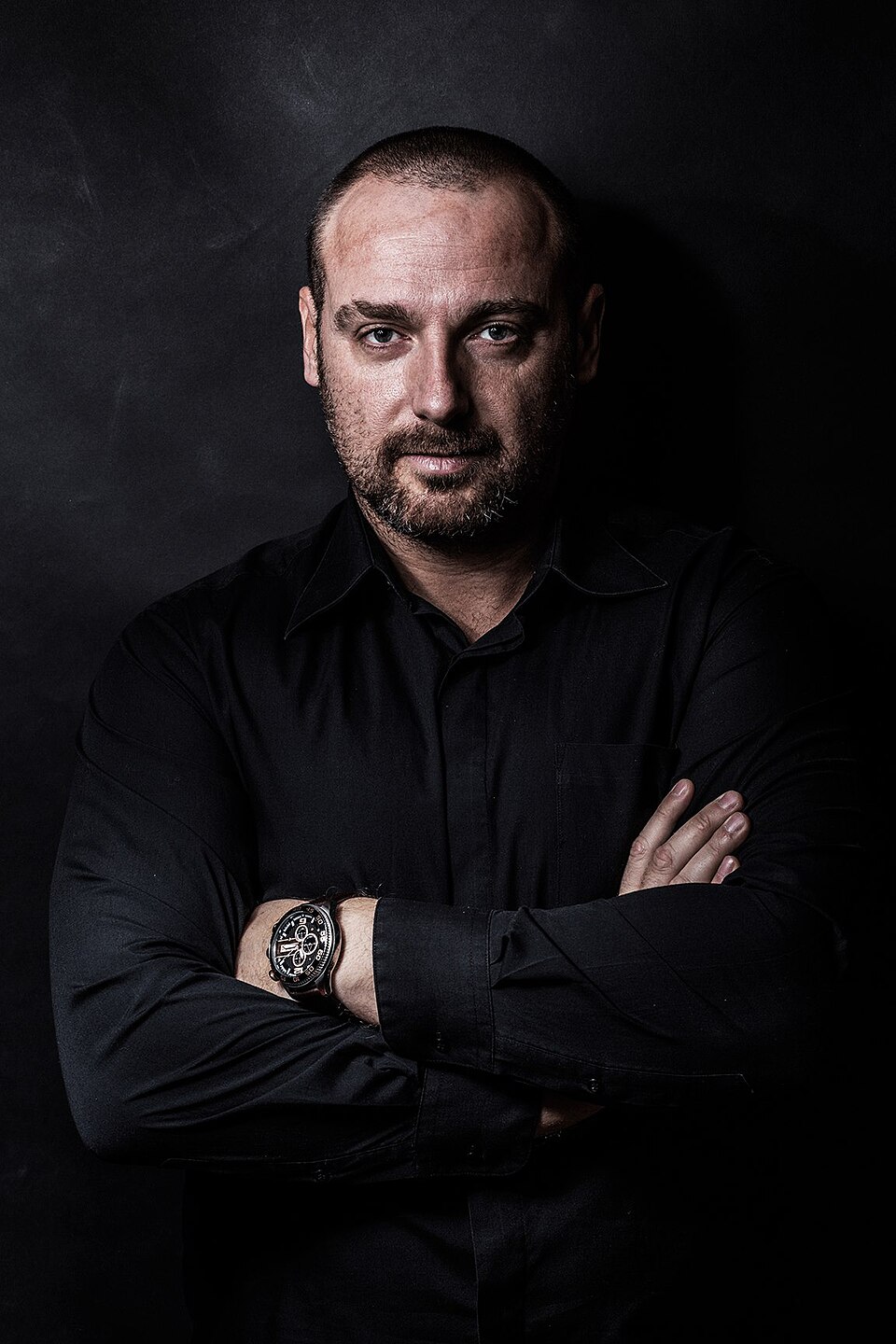
István Szabó
 Hungary
Film director•screenwriter•opera director
Birthday
February 18, 1938
Birth Sign
Aquarius
Birthplace
Budapest, Hungary
Age
88 years old
About
István Szabó is a Hungarian film director, screenwriter, and opera director, widely regarded as one of the most significant figures in European cinema. Born in Budapest in 1938, he has spent over six decades crafting films that probe the psychological and moral complexities of 20th-century Central European history. His work is characterized by a lyrical, intimate style that sets him apart from his contemporaries in the Hungarian new wave.
Szabó's most celebrated achievement is Mephisto (1981), which won the Academy Award for Best Foreign Language Film, cementing his international reputation. He is also known for Colonel Redl, Hanussen, and Sunshine, films that explore themes of ambition, betrayal, and identity under oppressive regimes. As of 2026, at 88 years old, Szabó remains active, currently directing Embers, a period drama starring Ralph Fiennes and Viggo Mortensen.
Fans and critics alike admire Szabó for his unflinching examination of moral compromise and his ability to render historical turmoil through deeply personal stories. His films continue to be studied and celebrated for their psychological depth and historical insight.
Early Life & Background
István Szabó grew up in Budapest during a turbulent period shaped by World War II and the subsequent Communist takeover. The experience of living through dictatorship left a lasting imprint on his worldview and later influenced his filmmaking. He studied at the Academy of Drama and Film in Budapest, where he made his first short film in 1959 as a student project.
In the early 1960s, Szabó worked as an assistant director, learning the craft from established filmmakers. He directed his first feature film in 1964, which marked the beginning of his career as an auteur. During the 1960s and 1970s, he became a leading figure in the Hungarian new wave, a movement known for its innovative storytelling and political subtext. His early films, such as Age of Daydreaming (1964) and Father (1966), explored the personal and psychological effects of historical events, establishing his reputation as a chronicler of Central European identity.
Career Growth
Szabó's international breakthrough came with Mephisto (1981), a historical drama based on Klaus Mann's novel. The film, which tells the story of an actor who makes a Faustian pact with the Nazi party, won the Academy Award for Best Foreign Language Film in 1982. It remains his most celebrated work and a landmark in European cinema.
Following this success, Szabó directed Colonel Redl (1985) and Hanussen (1988), which together with Mephisto form a loose trilogy examining the rise of fascism in Central Europe. In 1999, he directed Sunshine, starring Ralph Fiennes, which traces three generations of a Hungarian Jewish family. His 2004 film Being Julia, set in London's theater world, earned critical acclaim. Szabó has also directed operas, bringing his cinematic sensibility to the stage.
In December 2025, Mephisto was rereleased, and Szabó gave extensive interviews reflecting on its continued relevance. As of April 2026, he is filming Embers in Budapest, a period drama featuring an ensemble cast including Ralph Fiennes, Viggo Mortensen, Charlotte Rampling, and Katherine Langford. The production marks a significant late-career project for the 88-year-old director.
Career Timeline
Public Image & Style
Szabó is regarded as a chronicler of 20th-century European history, with a particular focus on the moral compromises and identity struggles faced by individuals under oppressive regimes. His films are known for their psychological depth and historical insight, and he is considered the most lyrical and intimate of the Hungarian new wave directors.
Critics and audiences appreciate his ability to blend personal stories with larger political contexts, creating works that resonate across cultures. His public persona is that of a thoughtful, intellectual filmmaker who is deeply committed to his craft. Szabó's work has been celebrated through retrospectives at institutions such as BAMPFA and the Close-Up Film Centre.
Fame & Fandom (iFAMOUS Rankings)
István Szabó commands a devoted following defined not by the frenzied energy of pop culture, but by the quiet reverence of cinephiles and scholars who trace the moral complexities of Central Europe through his lens. His audience consists primarily of film historians, critics, and festival attendees who appreciate the lyrical intimacy he brings to historical trauma, rather than a mass market seeking celebrity gossip or fan rituals. There is no formal name for this community; they are simply those who recognize the unique voice that won an Academy Award for Mephisto and continues to shape cinematic discourse decades later. While fans gather for retrospectives like the one at the Close-Up Film Centre, their engagement remains rooted in intellectual appreciation rather than organized campaigns or viral moments. This steady, respectful admiration has kept Szabó relevant well into his late eighties, particularly with the recent production of Embers drawing attention from industry professionals worldwide. The global reach of his work, which tracks influence across media coverage, critical analysis, and consumption signals internationally, ensures his legacy endures without needing the noise of modern fandom machinery. His standing reflects a lifetime of artistic integrity that resonates across borders and generations. István Szabó is currently the 16th most famous person from Hungary, a position he holds steady within the iFANN Global Fame Rankings. This placement underscores his enduring status as a defining figure of Hungarian cinema on the world stage.
Interesting Facts and Legends
Szabó's first short film, created in 1959, was titled Koncert. In 2006, a Hungarian magazine disclosed that he had served as an informant for the Communist regime's secret police, a revelation that sparked significant controversy despite his films maintaining their artistic reputation. He is renowned for his meticulous research habits, often dedicating years to historical accuracy before filming begins. A deep passion for opera drives his career, leading to productions at major European houses, while classical music and literature remain his primary inspirations during leisure time. One of his favorite films is The Third Man, cited as a key influence, alongside a love for Hungarian folk music. Beyond these established facts, the story of Mephisto remains a cornerstone of his legend. As the first Hungarian film to win the Academy Award for Best Foreign Language Film, its triumph is widely retold in film history circles as a pivotal moment for national cinema. More recently, the announcement of his latest project, Embers, starring Ralph Fiennes and Viggo Mortensen, has become a notable event in the industry, marking the return of the 87-year-old director to active filming in Budapest.
Notable Quotes
“Collusion does not require a dictatorship.”
“I try to understand the past, because the past is never past.”
“Film is a way to ask questions, not to give answers.”
Family & Personal Life
István Szabó is married to Vera Gyürey. The couple has kept their personal life largely private, and little is known about their family beyond this. Szabó has rarely spoken publicly about his family, preferring to let his work speak for itself.
Growing up in Budapest during the war, Szabó's family experienced the hardships of the era, which shaped his perspective on history and power. He has mentioned in interviews that his parents encouraged his artistic interests from a young age.
Notable Connections
Relationships & Dating History
István Szabó has been married to Vera Gyürey, but he has kept his personal life largely private. Limited public information is available about his romantic history, as he has rarely discussed it in interviews. No public relationships, divorces, or high-profile romances have been documented in available sources.
As of 2026, Szabó is married to Vera Gyürey, and the couple has maintained a low-profile relationship throughout his career.
- MarriedVera GyüreyCurrentSzabó's spouse, with whom he has maintained a private life.
Salary, Net Worth In 2026
$10 Million
iFANN Editorial Team estimate
As a European art-house film director, Szabó's earnings stem primarily from film production budgets, international co-productions, and activities surrounding the festival circuit. Although he has not achieved the commercial blockbuster revenue typical of mainstream directors, his international acclaim and consistent output have secured a stable income over six decades. Per iFANN's editorial analysis, his net worth in 2026 is estimated at $10 Million. This figure accumulates from his directing fees, opera engagements, and residual royalties generated by his award-winning works. The financial situation reflects the modest yet respectable earnings characteristic of a celebrated artist whose impact extends far beyond box office numbers.
Awards Won (1)
Szabó won the Academy Award for Best Foreign Language Film in 1982 for Mephisto. This remains his most prestigious accolade and a highlight of his career.
1982 · Best Foreign Language Film
Mephisto
Known For
Mephisto
1981 · Director
Colonel Redl
1985 · Director
Hanussen
1988 · Director
Sunshine
1999 · Director
Being Julia
2004 · Director
Keywords
Sources
Quick Facts
- Profession
- Film director, screenwriter, opera director
- Born
- February 18, 1938
- Birthplace
- Budapest, Hungary
- Gender
- Male
- Spouse
- Vera Gyürey
- Birth Sign
- Aquarius
Personal Details
- Spouse
- Vera Gyürey
- Education
- Academy of Drama and Film, Budapest
Frequently Asked Questions
Is István Szabó still alive and working?
What is István Szabó's most famous film?
Did István Szabó win an Oscar?
Who is István Szabó's wife?
What is István Szabó working on in 2026?
Similar People
Join the community
fans discussing