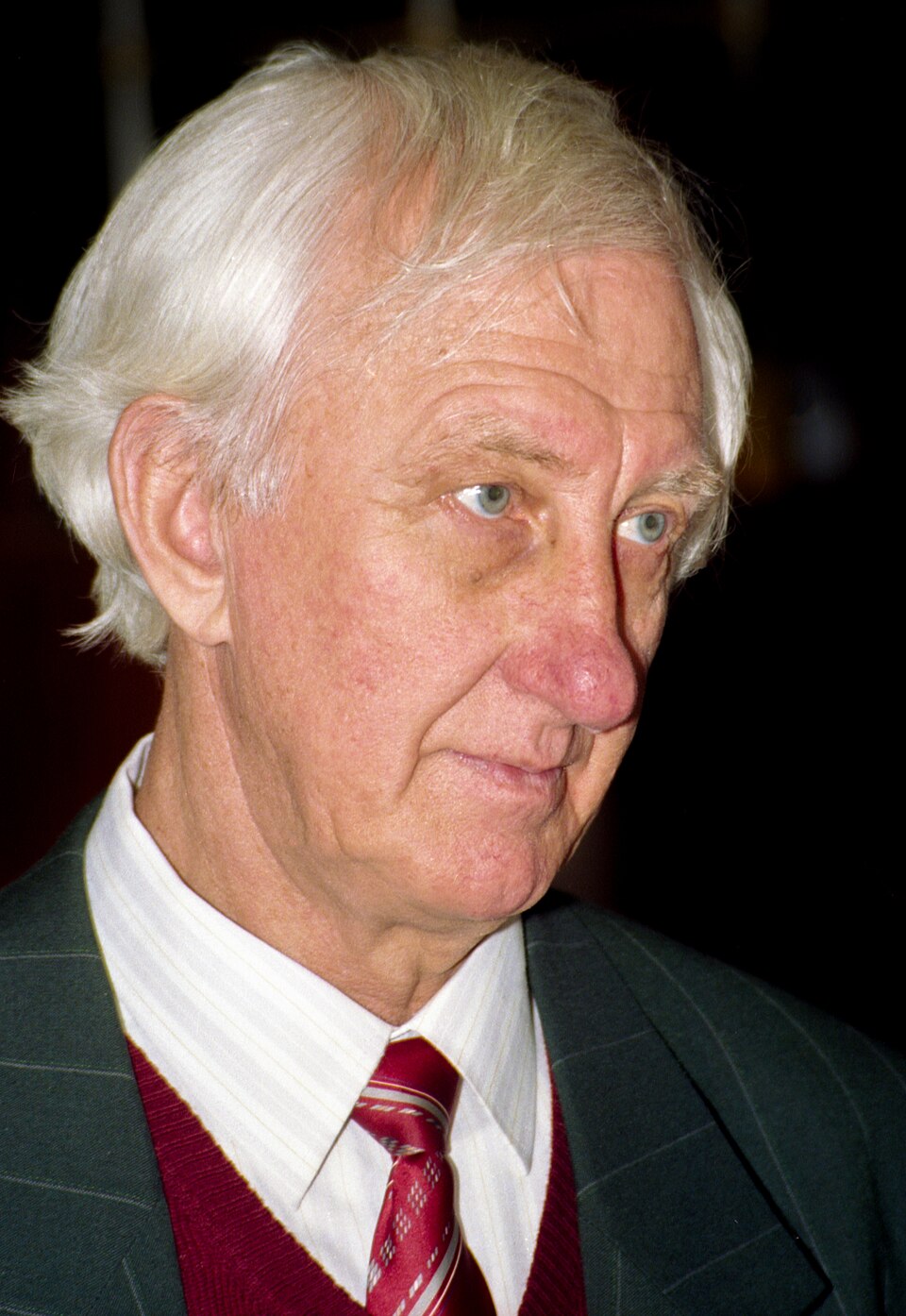
Igor Netto
 Russia
association football player•ice hockey player•association football coach
Also known as: Igor Aleksandrovich Netto
Birthday
January 9, 1930
Birth Sign
Capricorn
Birthplace
Moscow, Soviet Union
Age
Died at 69
About
Igor Aleksandrovich Netto was a Soviet football player, ice hockey player, and coach, widely regarded as one of the greatest footballers in Soviet history. A versatile and intelligent player, he began his career as a left-sided defender before transitioning into a dynamic central midfielder, where his attacking instincts, skillful dribbling, and technical prowess shone. Netto spent the majority of his club career with Spartak Moscow, captaining the team for many years, and earned 54 caps for the Soviet Union, representing his country at three FIFA World Cups.
Netto's international achievements include an Olympic gold medal at the 1956 Melbourne Games and victory in the inaugural UEFA European Championship in 1960, where he was named to the Team of the Tournament. He also had a brief professional career in ice hockey, demonstrating his broad athletic abilities. After retiring from football in 1966, Netto transitioned into coaching, managing youth squads for the Soviet Union and the Iranian national team. He passed away on March 30, 1999, in Moscow, leaving behind a legacy as a humble genius and a symbol of Soviet football excellence.
Early Life & Background
Igor Netto was born on January 9, 1930, in Moscow, Soviet Union. Growing up in the Soviet capital, his early life was shaped by the era's political and social climate. Details of his childhood and schooling remain scarce, but his passion for football emerged at a young age. He began playing in local youth clubs in Moscow, where his natural talent quickly became apparent.
Netto's professional breakthrough came when he joined Spartak Moscow, one of the country's most prestigious clubs. His initial role was as a left-sided defender, but his attacking instincts and technical skill soon caught the attention of coaches. Recognizing his potential, they shifted him to central midfield, a position that allowed him to orchestrate play and influence the game from the heart of the pitch. This transition marked the beginning of his rise to prominence, setting the stage for a storied career with Spartak and the Soviet national team.
Career Growth
Igor Netto's career reached its zenith in the 1950s and 1960s. At Spartak Moscow, he became a cornerstone of the team, captaining them for many years and leading them to multiple domestic titles. His leadership and versatility made him a symbol of the club's success, and he became a beloved figure among fans.
On the international stage, Netto represented the Soviet Union at three FIFA World Cups: 1958 in Sweden, 1962 in Chile, and 1966 in England. His most memorable achievement came in 1960, when the Soviet Union won the inaugural UEFA European Championship. Netto's performances in the tournament earned him a place in the Team of the Tournament, alongside legends like Lev Yashin. He also played a key role in the Soviet squad that won the gold medal at the 1956 Melbourne Olympics.
After retiring from playing in 1966, Netto transitioned into coaching. He managed several teams, including the Soviet Union's youth squads and the Iranian national team, sharing his knowledge and experience with the next generation of players. His contributions to football were recognized with numerous honours, and he remains a revered figure in Russian football history.
Career Timeline
Public Image & Style
Igor Netto is remembered as a humble genius, a player of exceptional skill and sportsmanship. His public image is that of a revered Soviet footballer, celebrated for his versatility, vision, and fair play. Media portrayals often highlight his ability to influence the game from any position, and he is considered one of the greatest Soviet players of all time. Fans remember him not only for his achievements but for his gentlemanly conduct on the pitch.
Fame & Fandom
Igor Netto stands as a towering figure in sports history, currently ranked as the 37th most famous person in Ice Hockey according to the iFANN Global Fame Rankings. This placement, which has held steady from the previous cycle, underscores his enduring legacy as a true all-round athlete who mastered multiple disciplines. His influence extends far beyond the rink, cementing his status as one of the greatest Soviet footballers ever, with his name echoing through decades of athletic achievement.
While modern social media campaigns or organized fan clubs with specific names like "Netto Nation" do not exist for him, his audience remains deeply devoted in a different way. There is no formal fandom name documented for Igor Netto; instead, his supporters are defined by historical reverence rather than active digital engagement. As a Soviet-era icon who passed away in 1999, his relationship with fans was characterized by immense respect and national pride. Spartak Moscow fans, in particular, continue to honor his memory as a gentlemanly conduct model and a universal player whose vision changed the game. The story of his sportsmanship during the 1954 World Cup quarter-final against Hungary remains the primary narrative told to newcomers, serving as folklore that defines his character more vividly than any statistic could.
Interesting Facts and Legends
Igor Netto was a rare multi-sport talent who played professional ice hockey alongside his football career, proving his versatility was unmatched. He earned the nickname 'The Humble Genius' because his modest demeanor never wavered despite his exceptional skill on the pitch. Known for his unwavering sportsmanship, he famously refused to take advantage of an opponent's injury, setting a standard for fair play that still resonates today. After retiring, he served as a coach for the Iranian national team in the 1970s, extending his impact globally. His legacy lives on in the hearts of Spartak Moscow fans, who still honor his memory annually.
A legendary tale from his career involves his display of extraordinary sportsmanship during the 1954 FIFA World Cup quarter-final between the Soviet Union and Hungary. Often called the "Match of the Century," this match is where Netto's reputation for integrity was forged in the eyes of the world. Another iconic moment occurred when he captained the Soviet Union to victory in the inaugural UEFA European Championship in 1960, earning a spot on the Team of the Tournament. These stories are not just historical records but cherished folklore within Russian football history, illustrating why he is celebrated as a legend of the golden age.
Family & Personal Life
Details about Igor Netto's family are scarce in public records. He was born in Moscow, but information about his parents or siblings has not been widely documented. Netto kept his personal life private, and little is known about his household or any children. He passed away in Moscow on March 30, 1999, leaving behind a legacy that transcends his family life.
Notable Connections
Igor Netto is often associated with Lev Yashin, the legendary Soviet goalkeeper, as both were key figures in the national team's successes during the 1950s and 1960s. Yashin and Netto played together in the 1960 European Championship, forming a formidable partnership. Netto's name is also linked to Spartak Moscow, where he spent his entire club career and became a club icon.
Relationships & Dating History
Death & Aftermath
Died
March 30, 1999 (aged 69)
Death Place
Unknown
Cause of Death
Unknown
Igor Netto spent his final years in Moscow, quietly stepping away from the public eye that had followed him for decades as Spartak's captain and a Soviet legend. The football world lost one of its most intelligent figures on March 30, 1999, when he passed away at the age of sixty-nine. While the specific medical details or circumstances surrounding his final days remain unrecorded in public archives, the date marks the end of a life dedicated to the beautiful game. Tributes poured in from the Russian football community, honoring a man who had captained his nation through three World Cups and an Olympic gold medal victory.
His legacy endured immediately after his passing, with the local stadium in Moscow eventually bearing his name as Stadion Igor Netto. This dedication served as a permanent monument to his contributions, ensuring that future generations would remember his tactical brilliance and leadership. Although no formal funeral proceedings were widely documented in available records, the reverence shown by fans and officials alike spoke volumes about his standing. Today, Netto remains a revered figure whose influence on Soviet football history is unmatched.
Net Worth (Estate Value)
$1 Million
iFANN Editorial Team estimate
As a Soviet-era footballer, Igor Netto's earnings were modest compared to modern standards. During his playing career, he received a salary from Spartak Moscow, but exact figures are not publicly available. After retiring, he worked as a coach, which provided a steady income. Per iFANN's editorial analysis, his net worth at the time of his death in 1999 is estimated to be around $1 Million. This figure reflects his career earnings, coaching salaries, and any posthumous recognition or royalties from his legacy. The estate has likely earned little since his passing, as his fame is primarily historical.
Awards Won (2)
Igor Netto's career was decorated with significant honours. He was part of the Soviet Union team that won the gold medal at the 1956 Melbourne Olympics. He also won the inaugural UEFA European Championship in 1960, and was named to the Team of the Tournament for his outstanding performances. These achievements highlight his status as one of the greatest Soviet footballers of his era.
1956 · Football
Soviet Union national team
1960 · Football
Soviet Union national team
Known For
Soviet Union national team
1950-1966 · Midfielder / Defender
Spartak Moscow
1950-1966 · Captain
1960 European Championship
1960 · Winning team member
1956 Melbourne Olympics
1956 · Gold medalist
Keywords
Sources
Quick Facts
- Profession
- association football player, ice hockey player, association football coach
- Born
- January 9, 1930
- Birthplace
- Moscow
- Died
- March 30, 1999
- Death Place
- Moscow
- Gender
- Male
- Birth Sign
- Capricorn
Personal Details
- Full Name
- Igor Aleksandrovich Netto
Frequently Asked Questions
Who was Igor Netto?
What position did Igor Netto play?
What were Igor Netto's major achievements?
Did Igor Netto play ice hockey professionally?
When did Igor Netto die?
Similar People
Join the community
fans discussing