 Brazil
About
As a collective entity, Hori defined a specific era of Brazilian youth culture where emo aesthetics met mainstream pop rock. They were not just a musical act but a cultural phenomenon in São Paulo and Rio de Janeiro during the mid-to-late 2000s. The band operated under the label Som Livre, leveraging the company's strong connection to telenovelas and youth programming to amplify their reach.
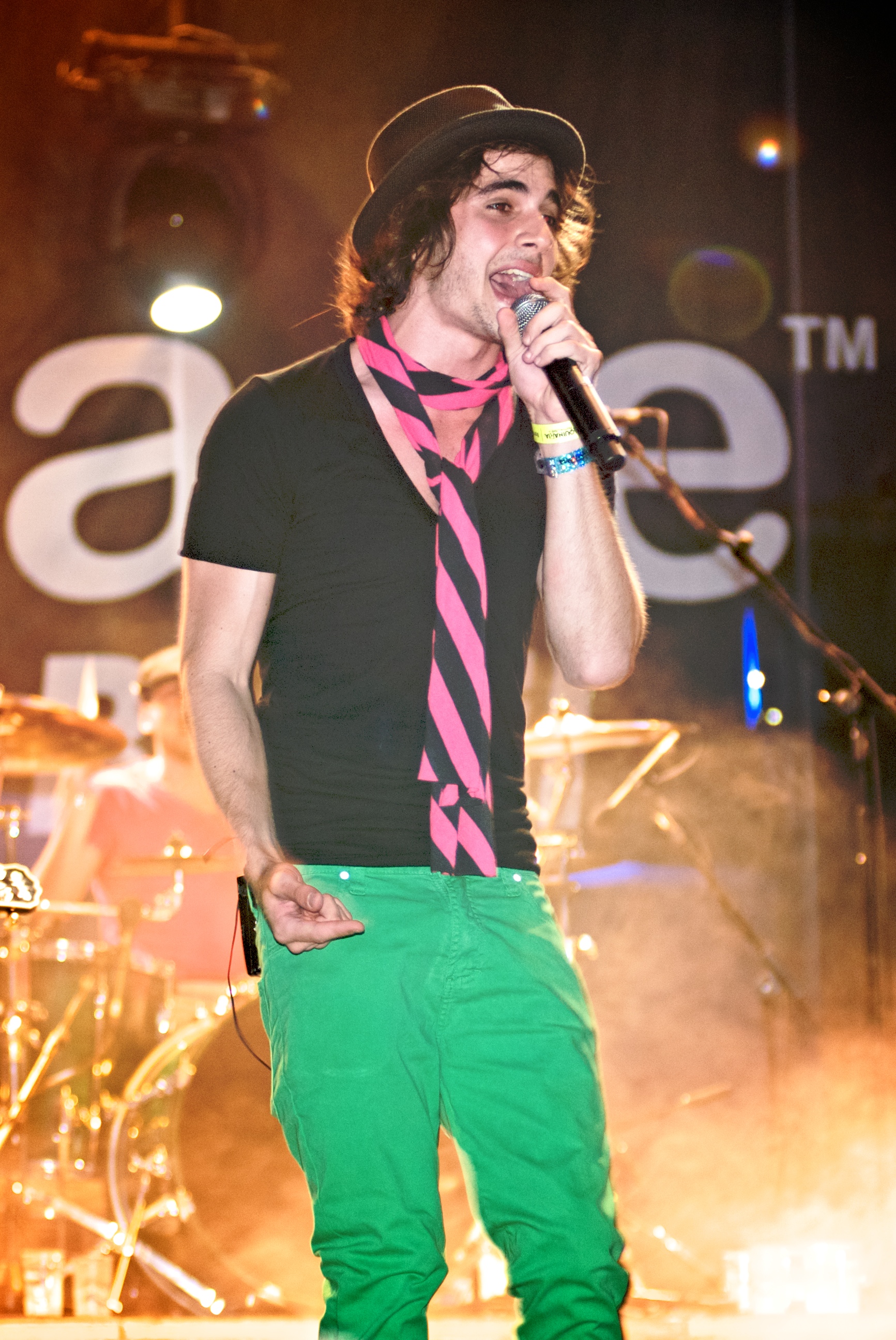
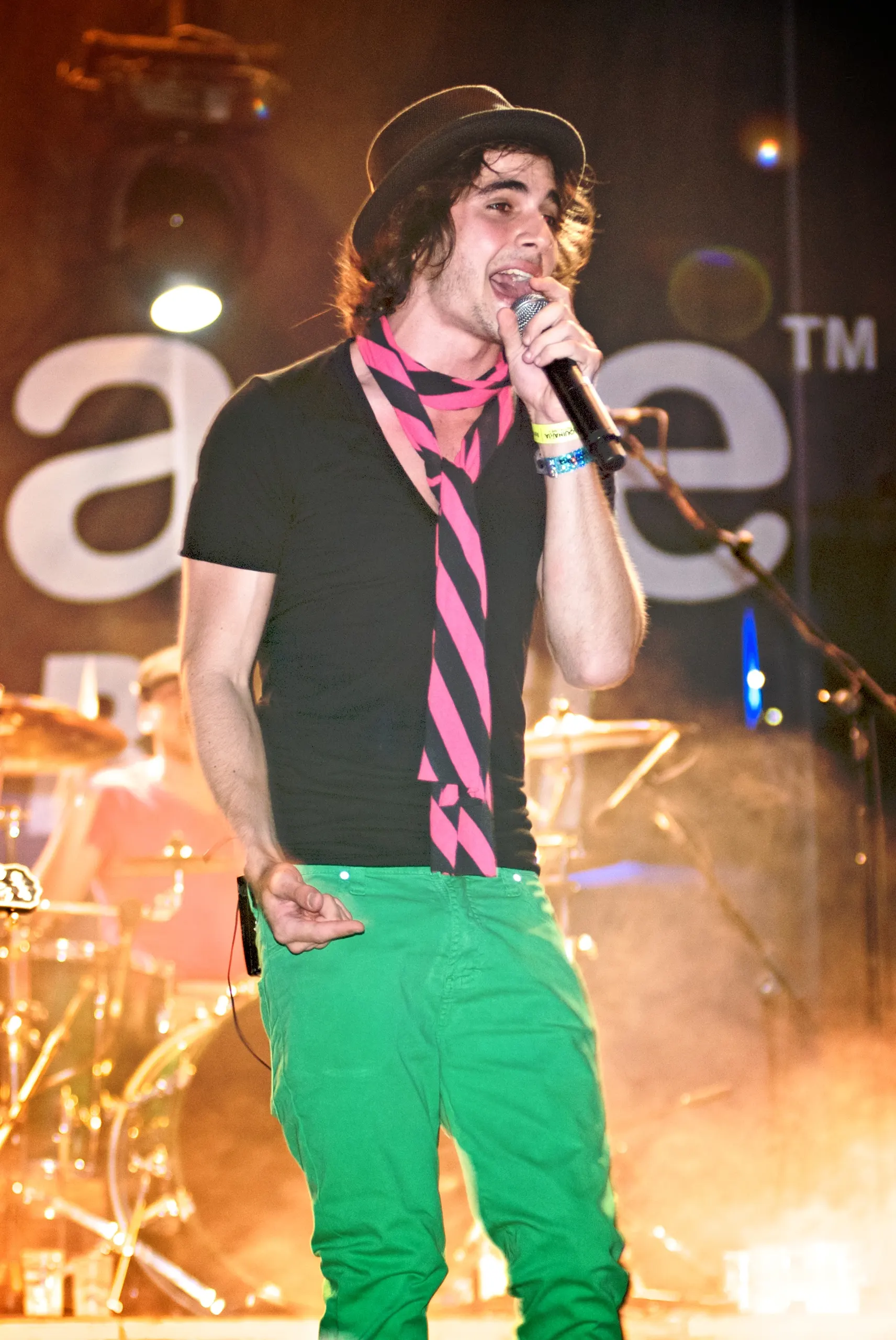
Their identity shifted noticeably over six years. Early performances featured the raw energy typical of the genre, with Fiuk often sporting the dark hair and skinny jeans that became synonymous with the movement. By their final album, the group had streamlined their image into a more mature pop-rock presentation, signaling the transition of their core fanbase from children to young adults before the split.
Formation Story
The story of Hori began in the suburbs of São Paulo when André Luiz de Oliveira, known professionally as Fiuk, decided to turn his passion for songwriting into a professional venture at just fifteen years old. He gathered a group of high school friends to form the band, drawing inspiration from Western emo acts and local rock bands. The initial lineup included Cleitão on lead guitar, Lekão on bass, and Xande Bispo on drums. They spent their first year playing small venues and local festivals, honing their sound through live performances rather than studio polish.
Record producer Bruno Mazzeo noticed their potential and brought them to the attention of Som Livre. The label signed them quickly, recognizing the marketability of a teenage frontman with a distinct voice. Their debut self-titled album arrived in 2006, propelled by the single "O Que Eu Quero É Você." The track became an instant hit on Brazilian radio, cementing their status as the new face of teen rock. As they toured the country, the band faced growing pains common to young groups, including lineup changes and the pressures of sudden fame.
By 2008, internal shifts occurred as members grew older and pursued different interests. Cleitão and Lekão departed, replaced by Max Klein and Fê Campos, who brought a slightly more technical approach to the instrumentals. Renan Augusto joined later to bolster the rhythm section and provide backing vocals. These changes coincided with a shift in their musical direction toward a smoother, more radio-ready sound that dominated their second and third albums.
Members
Former Members
Cleitão (Cleiton Galvão)
Lead Guitar · 2004–2008
Lekão (Alex Pinto)
Bass · 2004–2008
Xande Bispo (Alexandre Bispo)
Drums · 2004–2011
Max Klein (Maximiliano Klein)
Lead Guitar · 2008–2011
Renan Augusto (Renan Augusto)
Rhythm Guitar, Backing Vocals · 2009–2011
Fê Campos (Felipe Campos)
Bass · 2008–2011
Musical Style
Hori started with a sound heavily influenced by early 2000s American emo and pop punk. Their debut album featured distorted guitars, fast-paced drumming, and lyrics centered on heartbreak, rebellion, and adolescent confusion. The production was relatively lo-fi compared to their later work, emphasizing the raw emotion of the performance.
Over time, the band incorporated more electronic elements and polished production techniques. The middle period saw a blend of acoustic ballads with upbeat anthems, showcasing Fiuk's versatility as a vocalist. By their final years, the group had adopted a sleeker adult contemporary pop-rock style, moving away from the darker themes of their early days to focus on broader romantic narratives.
Discography
| Title | Year |
|---|---|
| Hori | 2006 |
| Vida Nova | 2008 |
| Hori ao Vivo | 2010 |
| Último Ato | 2011 |
Tours
Turnê Vida Nova
2008 · 20 shows
Turnê Último Ato
2011 · 15 shows
Cultural Impact
The most lasting impact of Hori is undoubtedly the launchpad it provided for Fiuk's solo career. After the band dissolved, Fiuk went on to become one of Latin America's biggest pop stars, earning multiple Latin Grammy nominations and wins. His success retroactively validated the quality of the material he wrote while in Hori.
Beyond individual success, the band played a crucial role in normalizing the emo subculture in Brazil. They brought a fashion aesthetic characterized by studded belts, tight jeans, and dyed black hair into the mainstream consciousness. This look became a standard uniform for Brazilian teenagers in the late 2000s, influencing a generation of local bands that followed.
Fandom Culture
Fans called themselves Horistas, a name that reflected a deep sense of loyalty to the band. The official fan color was blue, which fans wore en masse during concerts and music award shows. A notable tradition involved organizing flash mobs in public squares during the band's tour stops, creating a visual sea of blue that drew media attention.
The community remained active even after the group disbanded, keeping the memory alive through online forums and social media groups dedicated to sharing rare footage and unreleased tracks. Nostalgia plays a huge role in how Horistas remember the band, often viewing their short career as a perfect snapshot of mid-2000s youth culture.
Awards Won (4)
Hori secured two major domestic awards during their peak years. They took home the prize for Best New Artist at the 2007 Prêmio Multishow de Música Brasileira, a significant recognition for a young band breaking into the national scene. Two years later, they won Best Band at the Prêmio Jovem Brasileiro, solidifying their status as the leading youth act of their time.
Best New Artist
for: Hori (Debut)
Best Band
for: Vida Nova
Milestones
Released debut self-titled album and achieved Platinum certification.
Won Best New Artist at Prêmio Multishow de Música Brasileira.
Won Best Band at Prêmio Jovem Brasileiro.
Released final studio album and officially disbanded.
Trivia
Fiuk was only 15 years old when he formed the band and released their debut album., The band name 'Hori' was chosen simply because it sounded cool and short, with no specific meaning attached by the members., Their debut album sold over 100,000 copies within the first year, achieving Platinum certification in Brazil., The band dissolved amicably in 2011 so Fiuk could pursue a solo career focused on pop and R&B., Occasional rumors of a reunion tour have surfaced over the years, but no official announcements have been made.
Keywords
Sources
Quick Facts
- Formed
- 2005
- Origin
- São Paulo
- Genres
- pop rock, emo
- Disbanded
- 2011
Group Info
- Fandom
- Horistas
- Formed
- 2005
- Debut
- 2006-03-15
- Debut Song
- O Que Eu Quero É Você
- Origin
- São Paulo, Brazil
- Company
- Som Livre
- Label
- Som Livre
- Fan Color
- Blue
- Status
- Disbanded (2011-12-31)
Also Known As
Join the community
fans discussing