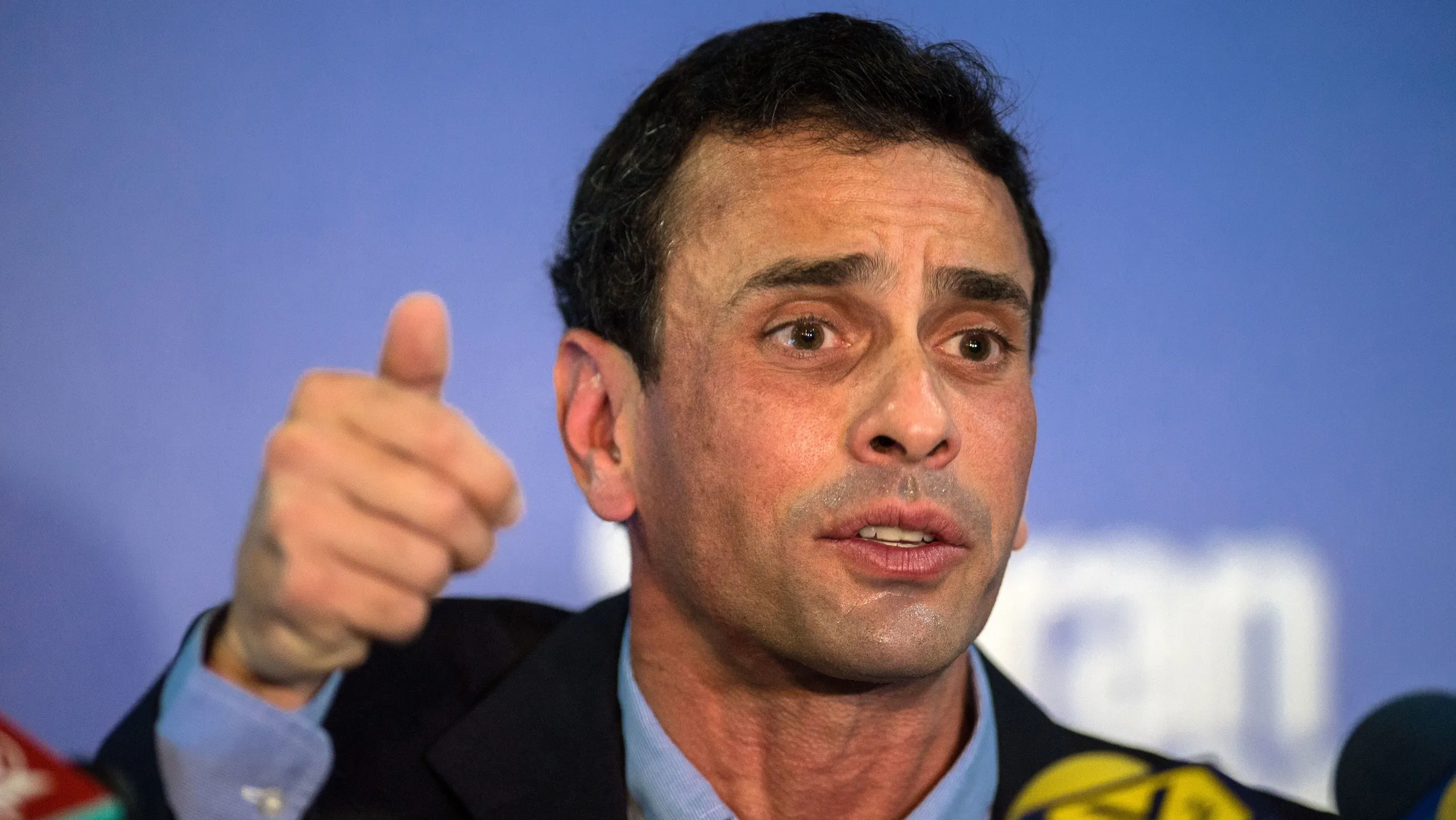
Henrique Capriles
 Venezuela
Birthday
July 11, 1972
Birth Sign
Cancer
Birthplace
Caracas, Venezuela
Age
54 years old
About
Henrique Capriles Radonski is a Venezuelan politician and lawyer who has been a central figure in the country's opposition for over two decades. Born in Caracas on July 11, 1972, he has served as a legislator, mayor, governor, and twice as the opposition's presidential candidate. As of 2026, he is a member of the National Assembly and remains one of the most recognizable faces in Venezuela's democratic movement.
Capriles first entered the national spotlight in 1998 when, at just 26, he became the youngest member of the Venezuelan parliament. He later co-founded the political party Primero Justicia and went on to govern Miranda state from 2008 to 2017. His narrow loss to Nicolás Maduro in the 2013 presidential election, which the opposition denounced as fraudulent, solidified his role as a leading challenger to the ruling party.
Despite facing a 15-year ban from public office imposed in 2017, Capriles has remained politically active. In early 2026, he called for a dialogue with fellow opposition leader María Corina Machado, pushing for institutional reconstruction and the release of political prisoners. His persistence and resilience have made him a symbol of resistance for many Venezuelans who yearn for democratic change.
Early Life & Background
Henrique Capriles Radonski grew up in Caracas, the son of a Jewish father and a Catholic mother, a background that exposed him early to diverse perspectives. He attended the Universidad Católica Andrés Bello, where he earned a law degree, and later specialized in tax law at the Central University of Venezuela. His political awakening came during his university years, where he became involved in student politics and developed a passion for public service.
At 26, Capriles ran for a seat in the Chamber of Deputies and won, becoming the youngest member of Venezuela's parliament in 1998. He quickly rose through the ranks, serving as vice president of the Congress and then as president of the Chamber of Deputies before the body was dissolved in 1999. This early experience gave him a front-row seat to the political turmoil that accompanied Hugo Chávez's rise to power.
In 2000, Capriles co-founded the political party Primero Justicia, aiming to offer a centrist alternative to the Chavista movement. That same year, he was elected mayor of the Baruta municipality, a wealthy suburb of Caracas. His tenure as mayor earned him a reputation for efficient governance and fiscal responsibility, setting the stage for his later gubernatorial bid.
Career Growth
Capriles' political career reached new heights in 2008 when he was elected governor of Miranda state, one of Venezuela's most populous regions. During his tenure, he focused on improving public services and infrastructure, often clashing with the central government over resources. His popularity grew, and in 2012, he became the unified opposition's presidential candidate, running against Hugo Chávez. Although he lost by 11 points, the campaign energized the opposition and made him a national figure.
After Chávez's death in 2013, Capriles ran again, this time against Nicolás Maduro. The election was exceptionally close, with Capriles trailing by just 1.5 percent. The opposition alleged widespread irregularities and demanded a recount, but the results stood. Capriles' refusal to accept the outcome without a full audit underscored his commitment to electoral integrity.
In 2017, the government banned Capriles from holding public office for 15 years, a move widely seen as politically motivated. Undeterred, he continued to advocate for democratic change. In April 2025, he was expelled from Primero Justicia, the party he had co-founded, following internal disputes. As of February 2026, he serves as a member of the National Assembly and has called for a united opposition front, engaging in dialogue with María Corina Machado to work toward institutional reconstruction.
Career Timeline
Public Image & Style
Capriles is perceived as a moderate, pragmatic opposition leader, often contrasted with more radical figures in the anti-Chavista movement. He is known for his polished, energetic public speaking and his ability to connect with working-class voters. His critics on the left dismiss him as a representative of the elite, while his supporters see him as a principled defender of democracy. On social media, he maintains a strong presence, with over 2.2 million followers on Instagram and a similar following on X, where he frequently posts about political prisoners and the need for justice. His personal style, typically dressed in casual attire during campaigns, has helped him appear approachable.
Fame & Fandom (iFAMOUS Rankings)
Henrique Capriles currently holds no placement in the iFANN Global Top 1,000 or any scope-specific rankings as of August 2026. While he remains a central figure in Venezuelan opposition politics, his standing is measured by electoral influence and legislative presence rather than global celebrity metrics. The iFANN evaluation confirms that he does not appear on the published lists for worldwide fame, distinguishing his career from entertainment figures who dominate those charts. His digital footprint includes over 2.2 million followers across major platforms, yet this engagement serves political mobilization rather than fandom rituals. There is no formal name for his supporters; they are organized strictly as a political constituency within the broader anti-Chavista movement. Unlike pop stars whose fans drive chart positions or fund birthday campaigns, Capriles' base interacts through rallies, debates, and policy demands such as vote audits. The closest parallel to a fan campaign was the massive protest in April 2017 against his ban from public office, an event driven by political grievance rather than adoration. His recent resurgence in 2026 has seen him re-engage with voters in cities like Maracaibo, issuing ultimatums regarding institutional reconstruction. These interactions are rooted in voter-candidate dynamics, where his influence stems from decades of service as a legislator, governor, and presidential candidate. The narrative surrounding him focuses on his narrow losses in 2012 and 2013 and his subsequent disqualification, which transformed him into a symbol of resistance. No viral moments or performance-based legends define his legacy; instead, his story is one of political endurance and strategic maneuvering within a fractured democratic landscape.
Interesting Facts and Legends
Henrique Capriles stands as one of the few Venezuelan politicians to have faced both Hugo Chávez and Nicolás Maduro in presidential elections. Known for his energetic campaign style, he often ran marathons during his campaigns to connect with voters. In his youth, he was a competitive swimmer. He is of Jewish descent on his father's side, which has made him a target of anti-Semitic attacks from government supporters. Capriles is an avid reader of history and has cited Winston Churchill as a personal inspiration. He is also a practicing Catholic, having converted from his father's Judaism. A defining moment in his political mythology occurred in 2017 when he was banned from holding public office for 15 years following a conviction related to civil unrest. This event transformed him into a martyr figure for the opposition, sparking international condemnation and massive domestic protests. More recently, reports from 2026 highlight his return to the forefront of Venezuelan politics after years of disenfranchisement, positioning himself as a top contender again. His statement in February 2026 declaring that Venezuelans will not settle for just a reshuffling of power serves as a modern rallying cry for his base.
Notable Quotes
“Venezuelans will not settle for just a reshuffling of power.”
“Encaminar al país en una salida democrática con garantías reales para todos. NECESITAMOS JUSTICIA. Un paso ineludible de inmediato es la libertad plena de todos los presos políticos.”
Family & Personal Life
Details about Capriles' family are largely private. He was born to a Jewish father and a Catholic mother, and he has spoken about how his mixed heritage shaped his worldview. He is not married and has no publicly known children. He maintains a close relationship with his mother, who has appeared at some of his campaign events. His family has been supportive of his political career, though they have faced harassment from government loyalists.
Notable Connections
Capriles has been a central figure in Venezuela's opposition, often compared to María Corina Machado for their shared goal of democratic change. He has also been a key adversary of Nicolás Maduro, whom he faced in the 2013 election. His political rivalries and alliances have shaped the opposition's strategies over the years.
Relationships & Dating History
Henrique Capriles has kept his personal life remarkably private. There are no publicly documented relationships, and he has never been married. As of 2026, he is reportedly single and has no known children. His focus on his political career appears to have left little room for a public family life. He has not been linked to any high-profile romantic partners in the media.
Salary, Net Worth In 2026
$5 Million
iFANN Editorial Team estimate
As of 2026, iFANN currently estimates Henrique Capriles' net worth at $5 Million. This figure reflects his long career in public service and his legal practice. Unlike many politicians, Capriles has not been linked to major business ventures or corporate deals. His wealth primarily comes from his government salaries, which have been modest by international standards, and from his work as a lawyer before entering politics full-time. He has not been involved in any known scandals related to corruption, and his financial disclosures have been relatively transparent. Given the economic challenges in Venezuela, his net worth has likely remained stable or even decreased in recent years, but his political influence continues to be significant.
Awards & Accolades
View 1 records, honours and achievementsKnown For
Governor of Miranda
2008-2017 · Governor
Presidential Candidate
2012 · Candidate
Presidential Candidate
2013 · Candidate
Keywords
Sources
Quick Facts
- Profession
- politician, lawyer
- Born
- July 11, 1972
- Birthplace
- Caracas, Venezuela
- Gender
- Male
- Birth Sign
- Cancer
- Education
- Law degree from Universidad Católica Andrés Bello; specialization in tax law at Central University of Venezuela
Personal Details
- Full Name
- Henrique Capriles Radonski
- Education
- Law degree from Universidad Católica Andrés Bello; specialization in tax law at Central University of Venezuela
Frequently Asked Questions
What is Henrique Capriles' current political role?
Has Henrique Capriles ever run for president of Venezuela?
What is Henrique Capriles' net worth in 2026?
Why is Henrique Capriles famous?
Is Henrique Capriles still active in politics in 2026?
Similar People
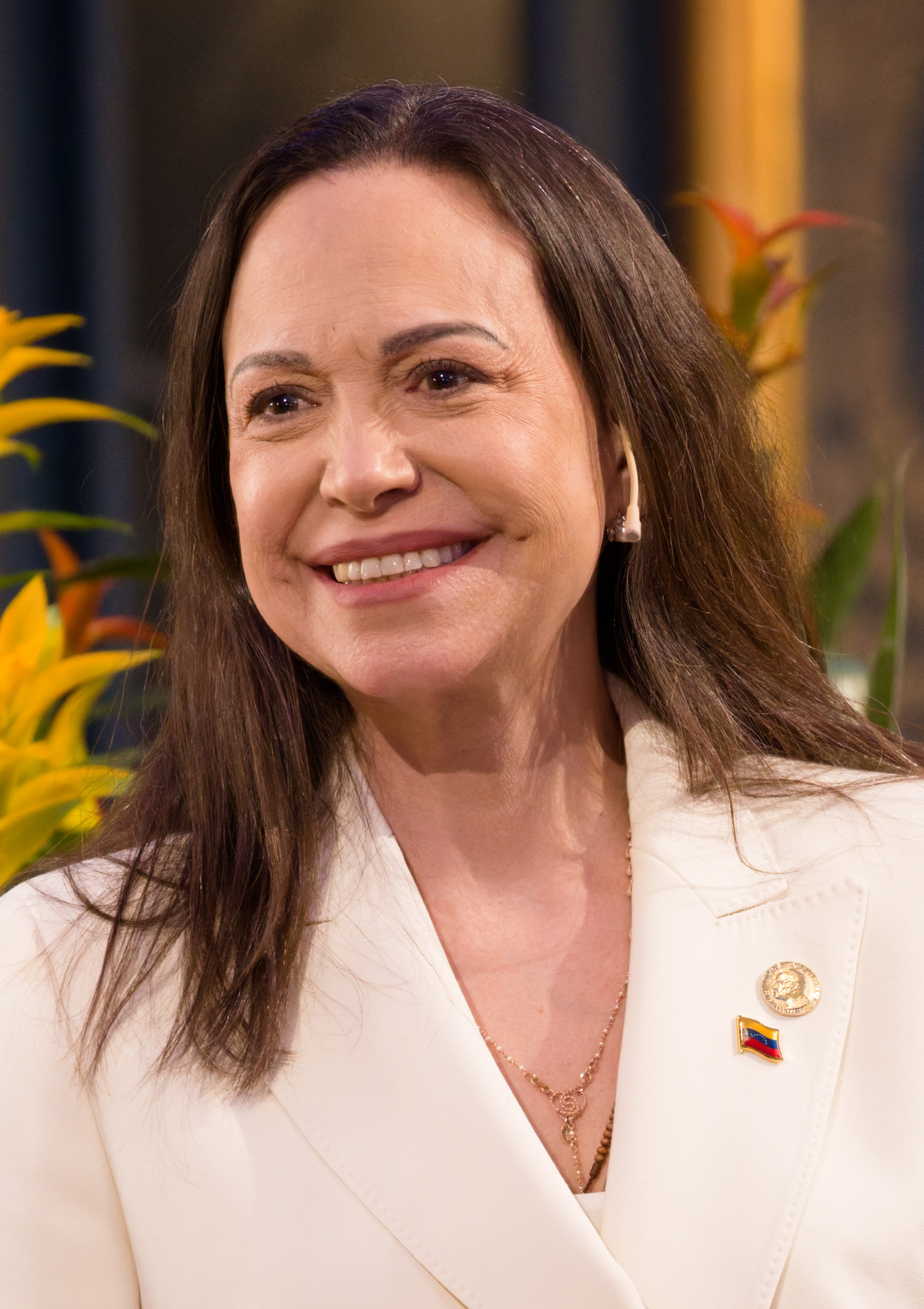
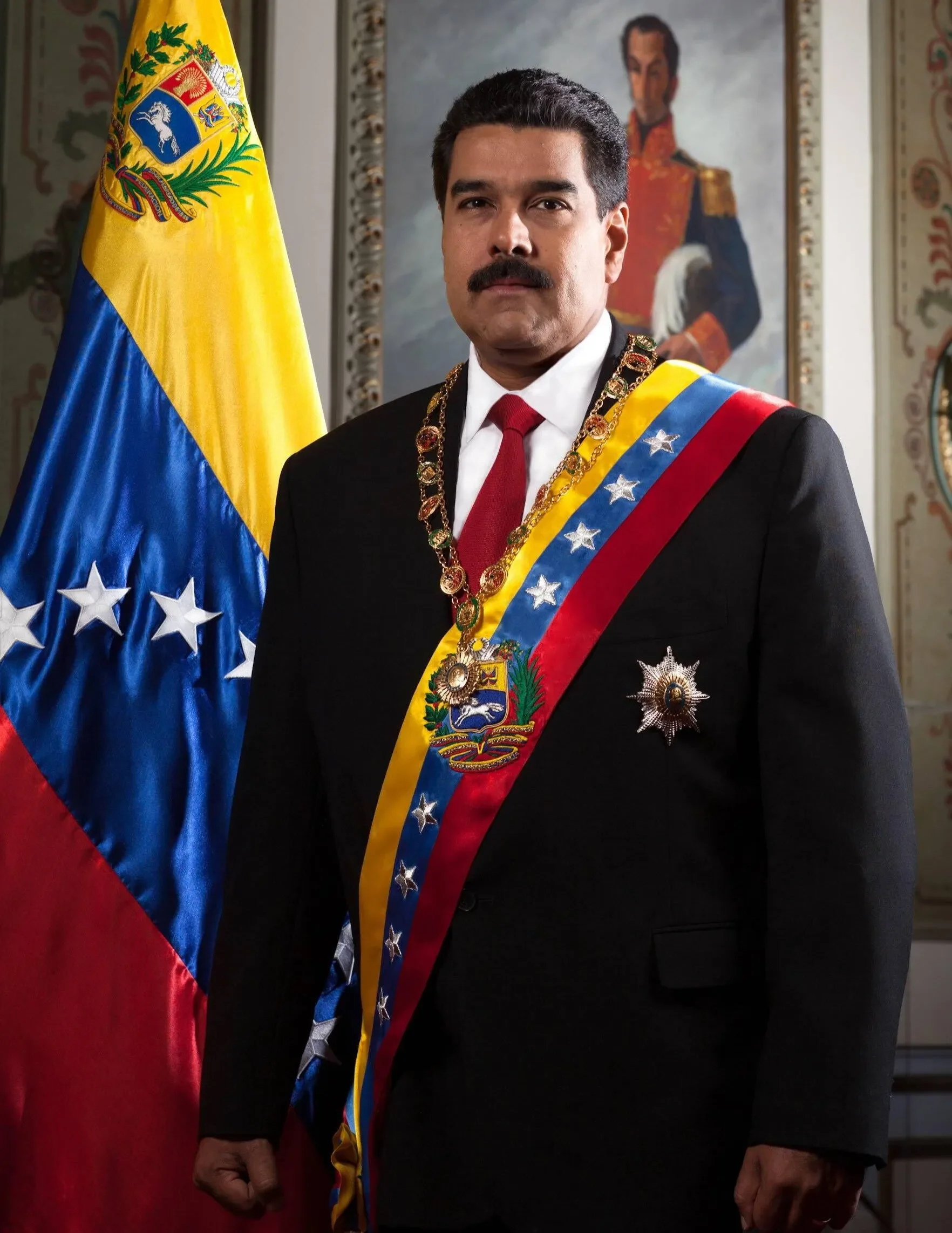
Join the community
fans discussing