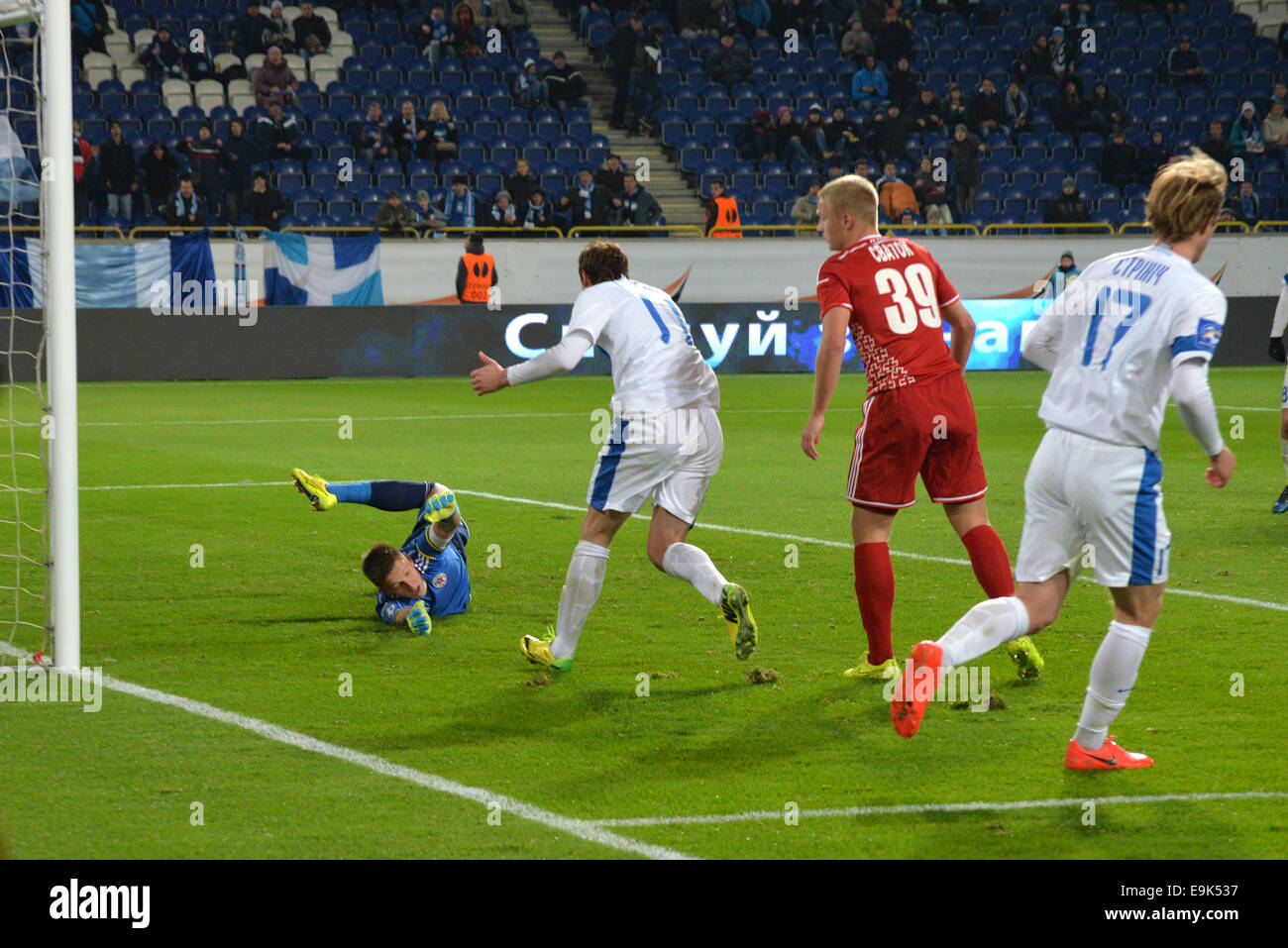
Hennadiy Lytovchenko
 Ukraine
Also known as: Gennadiy Litovchenko, Hennadiy Volodymyrovych Lytovchenko
Birthday
September 11, 1963
Birth Sign
Virgo
Birthplace
Dniprodzerzhynsk, Ukrainian SSR (now Kamyanske, Ukraine)
Age
63 years old
About
Hennadiy Lytovchenko is a Ukrainian football coach and former player, widely remembered as one of the finest central midfielders of his generation. Born on September 11, 1963, in Dniprodzerzhynsk (now Kamyanske), he commanded the pitch with rare vision and technical polish, earning a reputation that reached far beyond the Soviet Union. His international peak came at UEFA Euro 1988, where he helped the Soviet Union reach the final, a performance that still defines his legacy.
Today, Lytovchenko is 62 and lives a quiet life away from the spotlight. His coaching career has kept him connected to the game, passing on the tactical intelligence that made him a standout. For fans of Soviet-era football, he remains a symbol of an elegant, passing-based style that aged remarkably well.
Early Life & Background
Hennadiy Lytovchenko grew up in Dniprodzerzhynsk, a steel town on the Dnieper River that later became Kamyanske under Ukraine's decommunization laws. The city's industrial grit shaped a generation of athletes, and Lytovchenko was no exception. He entered the Soviet youth football system early, a pipeline known for its rigorous technical drills and tactical discipline.
His first professional steps came with Dnipro Dnipropetrovsk in the early 1980s. There, he honed the passing range and composure that would become his trademarks. By the mid-1980s, his performances had caught the attention of Dynamo Kyiv, the dominant force in Soviet football. The transfer marked the true beginning of his rise, setting the stage for the international success that followed.
Career Growth
Lytovchenko's move to Dynamo Kyiv in the mid-1980s turned him into a household name among Soviet football fans. He won multiple Soviet Top League titles and Soviet Cups, establishing himself as the creative engine of a team that played some of the most attractive football in Europe. His ability to dictate tempo from central midfield drew comparisons to the great playmakers of the era.
The pinnacle came in 1988. At UEFA Euro 1988, Lytovchenko was a key figure in the Soviet squad that stormed to the final. His performance in the 2-0 semi-final victory over Italy, where he was involved in the build-up to both goals, remains a highlight. The Soviet Union ultimately lost to the Netherlands in the final, but Lytovchenko's reputation as one of Europe's top midfielders was cemented.
After leaving Dynamo, he played for FC Admira Wacker Mödling in Austria and finished his career at Chornomorets Odesa in the late 1990s. He then transitioned into coaching, managing several clubs and sharing the tactical wisdom he had accumulated over two decades on the pitch.
Career Timeline
Public Image & Style
Lytovchenko is remembered as a technically gifted midfielder who embodied the sophisticated passing and movement style of 1980s Soviet football. Media portrayals emphasize his vision and composure, often describing him as the archetype of the intelligent playmaker. Unlike modern football celebrities, he has no documented fandom name or social media presence, and his public appearances are limited to football-related events. For connoisseurs of the game, he represents a bygone era of elegance and tactical nuance.
Fame & Fandom (iFAMOUS Rankings)
Hennadiy Lytovchenko is currently evaluated by the iFANN Global Fame Engine but does not hold a placement in the published rankings. While his legacy as a central pillar of the Soviet Union's 1988 Euro final run secures him a permanent spot in football history, he remains outside the current global Top 1,000 scope. The absence of a formal ranking reflects a career that peaked decades ago, distinct from modern figures whose fame is driven by continuous media cycles and social engagement. His audience consists largely of connoisseurs who appreciate the technical elegance of 1980s playmaking rather than a mass-market following with organized campaigns or viral rituals. There is no documented fandom name for his supporters, nor are there records of fan-funded projects, subway ads, or specific fan clubs dedicated solely to his memory. Unlike contemporary idols, Lytovchenko has never engaged in high-volume social media interactions or hosted birthday billboards. His connection to fans remains rooted in standard sportsmanship and occasional reunions with former teammates, such as the planned Dynamo Kyiv match in 2013. This quiet relationship defines his public image: a respected figure whose influence is measured in tactical mastery and historical achievement rather than pop-culture ubiquity.
Interesting Facts and Legends
Lytovchenko's name appears in at least 17 languages on Wikipedia, reflecting his reach across the former Soviet bloc and beyond. His hometown was renamed from Dniprodzerzhynsk to Kamyanske in 2016, a change he witnessed from afar. He is one of the few players to have competed in a major international final and then lived to see the Soviet Union dissolve, a unique historical perspective. In a recent 30-day period, his Russian-language Wikipedia page drew 1,628 views, nearly double the English count, showing where his fan base remains strongest. Beyond these facts, his legendary status is anchored by his instrumental role in the Soviet Union's run to the UEFA Euro 1988 final, where he orchestrated play alongside fellow Dynamo Kyiv stars like Oleh Blokhin before losing to the Netherlands. A story often retold involves his three-time victory as Soviet Footballer of the Year and nine wins as Ukrainian Footballer of the Year, a level of sustained dominance rarely seen in the region. His success extended to Greece, where he secured league titles with Olympiacos in 1991 and 1992, cementing his reputation as an Eastern European star who conquered Western Europe's top leagues.
Family & Personal Life
Public records offer little about Lytovchenko's family. His patronymic, Volodymyrovych, indicates his father was named Volodymyr, but further details on parents or siblings are scarce. He has kept his personal life remarkably private, with no confirmed information about a spouse or children. His son, Denys Lytovchenko, has been linked to football as a player, though this remains unverified. As of 2026, he continues to guard his family life from media scrutiny.
Notable Connections
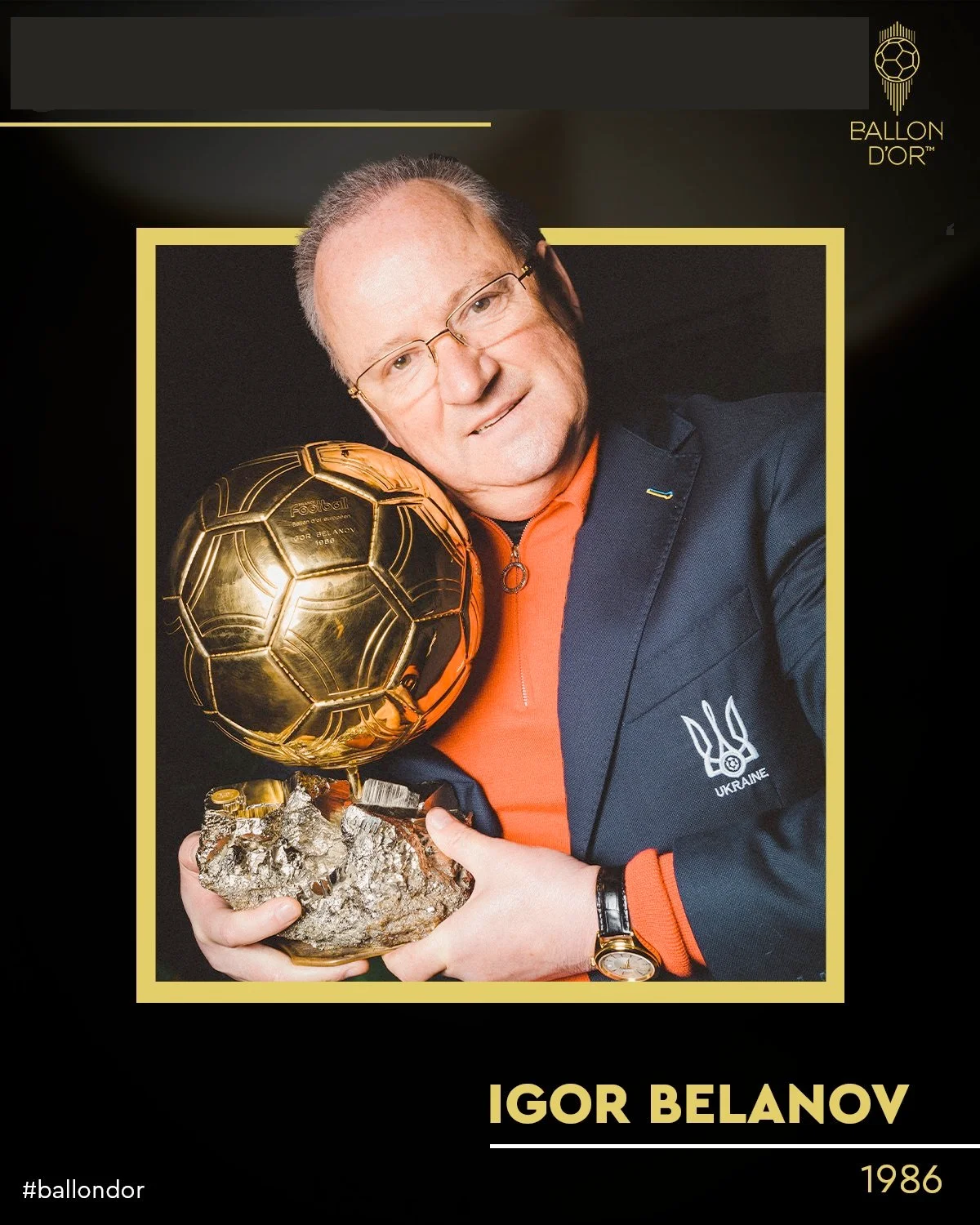
Lytovchenko's career is closely tied to Valeriy Lobanovskyi, the legendary coach who shaped Dynamo Kyiv and the Soviet national team during his peak years. He also played alongside notable Soviet stars like Oleg Blokhin, Igor Belanov, and Oleksandr Zavarov, forming a generation that nearly conquered Europe in 1988. His bond with Dynamo Kyiv remains strong, with the club celebrating his milestones publicly.
Relationships & Dating History
Lytovchenko has maintained a remarkably private personal life, with no public records of romantic relationships, marriages, or dating history. Unlike many football stars, he has avoided media attention on this front, and no credible sources have documented any partnerships. As of 2026, his relationship status remains unknown, reflecting his consistent preference for privacy.
Salary, Net Worth In 2026
$1 Million
iFANN Editorial Team estimate
Estimating Hennadiy Lytovchenko's net worth is challenging due to the scarcity of public financial data. His playing career spanned the Soviet era, when wages were state-controlled and modest by modern standards, and continued into the post-Soviet period with clubs in Ukraine and Austria. Coaching salaries added to his income, but no celebrity net worth databases or financial outlets have published figures for him. Per iFANN's editorial analysis, a conservative figure of around $1 million is plausible, reflecting career earnings from salaries, bonuses, and potential pension benefits. This aligns with the modest financial profile of most Soviet-era footballers, whose fame rarely translated into substantial wealth. As of 2026, Lytovchenko's net worth is estimated at $1 Million, though this is speculative.
Awards Won (1)
Lytovchenko's trophy cabinet includes multiple Soviet Top League titles and Soviet Cups with Dynamo Kyiv, though specific years are not documented. His most notable international honor is the runners-up medal from UEFA Euro 1988, a testament to his contribution to the Soviet national team's deep run in the tournament.
1988 · International
Soviet Union national team
Known For
UEFA Euro 1988
1988 · Midfielder for Soviet Union
Dynamo Kyiv
1985-1991 · Midfielder
Dnipro Dnipropetrovsk
1981-1984 · Midfielder
Keywords
Sources
Quick Facts
- Profession
- Footballer, Coach
- Born
- September 11, 1963
- Birthplace
- Dniprodzerzhynsk, Ukrainian SSR (now Kamyanske, Ukraine)
- Gender
- Male
- Birth Sign
- Virgo
- Position
- Central midfielder
Personal Details
- Full Name
- Hennadiy Volodymyrovych Lytovchenko
Frequently Asked Questions
How old is Hennadiy Lytovchenko?
What position did Hennadiy Lytovchenko play?
Did Hennadiy Lytovchenko play in the Euro 1988 final?
Where was Hennadiy Lytovchenko born?
What clubs did Hennadiy Lytovchenko play for?
Similar People
Join the community
fans discussing