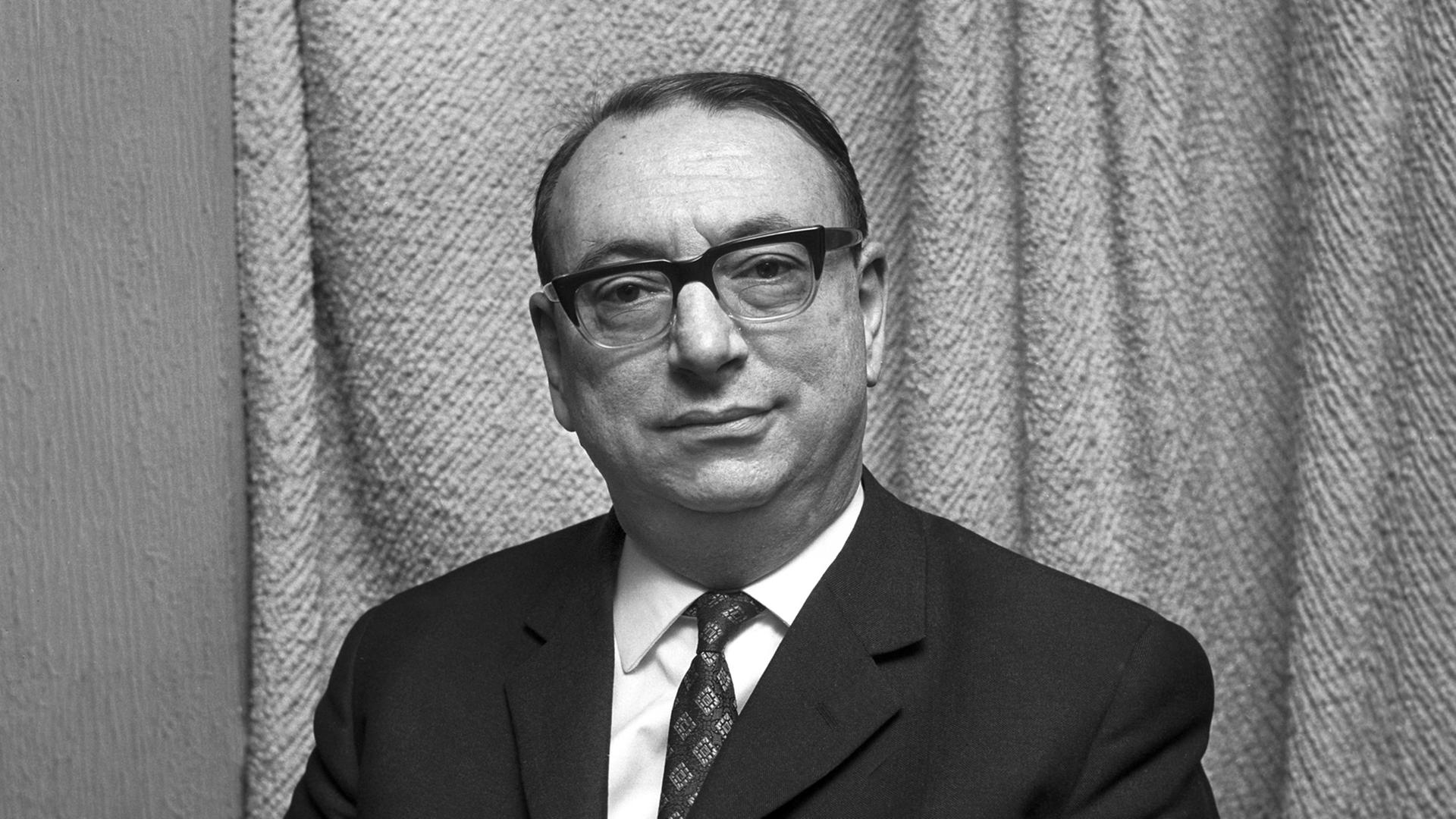
Heinrich Albertz
Also known as: Pastor Mayor
Birthday
January 22, 1915
Birth Sign
Aquarius
Birthplace
Breslau, Germany (now Wrocław, Poland)
Age
Died at 78
About
Heinrich Albertz was a German Protestant theologian, pastor, and Social Democratic politician. He is best remembered as the Governing Mayor of West Berlin from 1966 to 1967, a brief but turbulent tenure during the Cold War. His leadership came at a time when the city was still reeling from the construction of the Berlin Wall and facing the rise of the student movement.
Albertz's legacy extends beyond politics. He was a committed anti-Nazi who risked his life in the Confessing Church, and later a prominent voice in the West German peace movement. His career embodied the struggle to reconcile Christian ethics with political pragmatism, a tension he navigated with conviction and humility.
Early Life & Background
Heinrich Albertz was born on January 22, 1915, in Breslau, a city then in the German Empire and now part of Poland. He grew up in a devout Protestant household, which shaped his early commitment to the church. After completing his Abitur in 1933, he began studying theology at the University of Breslau, later moving to Halle and Berlin.
During his university years, the Nazi regime was consolidating power, and Albertz became actively involved in the Confessing Church, a movement that resisted the state's control over Protestant churches. His opposition led to multiple arrests, and he experienced firsthand the dangers of speaking out against the regime. These formative experiences solidified his belief that faith demanded social and political action, a principle that guided his later career.
Career Growth
Albertz's political career began in 1955 when he entered Berlin's SPD politics. He quickly became a close ally of Willy Brandt, then Governing Mayor. When Brandt moved to the federal government in 1966, Albertz succeeded him, inheriting a city at the heart of Cold War tensions.
His tenure was short but eventful. He faced the fallout from the Berlin Wall's construction and the 1967 student protests, which culminated in the tragic shooting of Benno Ohnesorg. The political pressure took a toll, and he resigned in 1967. After leaving office, Albertz reinvented himself as a leading figure in the peace movement, advocating for disarmament and reconciliation. He remained active in public life until his death in 1993.
Career Timeline
Public Image & Style
Albertz was perceived as a man of integrity who brought a moral clarity to politics. His pastoral background set him apart in the SPD, and he was often called 'the pastor mayor.' He spoke with a calm, measured tone, even in crises, which earned him respect across party lines. The media portrayed him as a thoughtful, sometimes reluctant politician who preferred consensus over confrontation. His later peace activism reinforced his image as a principled humanitarian, and he is remembered as a rare figure who genuinely lived his convictions.
Fame & Fandom (iFAMOUS Rankings)
Heinrich Albertz did not cultivate a fandom in the manner of pop culture icons; no organized fanbase, moniker, or ritualized following exists for the theologian and former mayor. His legacy rests on historical service rather than celebrity adoration, with no records of fan campaigns, birthday tributes, or collective movements bearing his name. While some admirers of post-war German politics may follow his life, they do so as students of history rather than adherents of a dedicated cult. In the realm of modern fame metrics, however, his standing is precisely quantified by the iFANN Global Fame Rankings. He is currently the 76th most famous person in Pastors, a position reflecting his enduring recognition within religious leadership circles despite having fallen from the 73rd spot in the previous cycle. This placement underscores his specific resonance among those who study ecclesiastical figures and their political intersections. The rankings, which track global attention across media coverage, search, and consumption signals worldwide, place him firmly within the upper echelons of his professional niche. His influence remains concentrated in Germany and among scholars of Cold War history, yet the digital footprint of his tenure as Governing Mayor ensures he retains a measurable presence in contemporary databases. Unlike entertainers whose fame fluctuates with new releases, Albertz maintains a stable, low-velocity profile driven by archival interest and educational curricula. The data confirms that while he lacks a mass following, his stature within the specific domain of pastoral leadership remains significant and statistically verifiable.
Interesting Facts and Legends
Albertz possessed a deep baritone voice and frequently preached at Berlin's Kaiser Wilhelm Memorial Church, where he attracted large congregations. He was an avid chess player who found solace in the game during periods of intense political stress. In his later years residing in Bremen, he enjoyed long walks along the Weser River and maintained a small garden where he took pride in his tomato harvest, often sharing the produce with neighbors. Historical accounts note his role as an anti-Nazi clergyman who opposed the regime while serving as a pastor, a stance that risked his life. He served as a close political companion to Willy Brandt and succeeded him as the Governing Mayor of West Berlin. Additionally, he held the position of Senator for the Interior from December 1961 to March 1963. His career consistently reflected the tension between the ethics of the Sermon on the Mount and a pragmatic ethics of responsibility, particularly noted during his time in government starting around 1955. He died on May 18, 1993, at a home for the elderly in Bremen at the age of 78.
Family & Personal Life
Albertz was married and had three children. His wife, whose name is not widely publicized, supported his career through the Nazi era and his political rise. The family lived in West Berlin during his mayoralty, and after his political career, they settled in Bremen. His faith was a central part of family life, and he often led prayers at home. The Albertz family remained close-knit, and his children have preserved his legacy through participation in commemorative events.
Notable Connections
Heinrich Albertz was closely associated with Willy Brandt, whom he succeeded as Governing Mayor. He also worked with Peter Lorenz, the CDU politician kidnapped in 1975, during his time as Interior Senator. His legacy is honored by institutions like the Stiftung 20. Juli 1944, which connects him to the anti-Nazi resistance.
Relationships & Dating History
Heinrich Albertz was married, though details about his wife are scarce. They shared a life marked by his political career and pastoral work. The couple had three children. His wife was a constant support, particularly during the Nazi era when his activism put the family at risk. They remained married until his death in 1993. After his passing, his wife and children have maintained his memory through participation in commemorative events.
- Married? - 1993Married, had three children; wife's name not widely publicized.
Death & Aftermath
Died
May 18, 1993 (aged 78)
Death Place
Bremen, Germany
Cause of Death
Natural causes associated with advanced age
Heinrich Albertz spent his final days in a home for the elderly in Bremen, Germany, where he passed away on May 18, 1993. The records do not specify a detailed medical diagnosis or autopsy findings, but the setting implies natural causes associated with advanced age rather than violence or accident. Public reaction included tributes from peers and institutions recognizing his dual role as an anti-Nazi clergyman and a political leader, with The New York Times obituary highlighting his history of opposing the Nazis and his tenure as Mayor of West Berlin. In Berlin, his legacy is commemorated through physical landmarks, including a memorial plaque installed in his honor and Heinrich-Albertz-Platz bearing his name to mark his service as Regierender Bürgermeister. Specific details regarding the funeral arrangements, burial site, or immediate family statements were not documented in available sources. His estate handling remains publicly unrecorded, though his primary enduring recognition rests on his place in the history of the SPD and the city of Berlin.
Net Worth (Estate Value)
$1 Million
iFANN Editorial Team estimate
As a pastor and public servant, Heinrich Albertz did not accumulate significant personal wealth. His income derived from his pastoral salary and political stipends. After his death in 1993, his estate consisted mainly of personal effects and modest savings. His legacy is commemorative rather than financial, with no major posthumous earnings. Per iFANN's editorial analysis, the value of his estate is estimated at $1 Million, reflecting his modest lifestyle.
Awards & Accolades
View 1 records, honours and achievementsKnown For
Governing Mayor of West Berlin
1966-1967 · Mayor
Confessing Church activism
1933-1945 · Member
Peace movement leadership
1970s · Activist
Keywords
Sources
Quick Facts
- Profession
- Theologian, Politician, Pastor
- Born
- January 22, 1915
- Birthplace
- Breslau, Germany (now Wrocław, Poland)
- Died
- May 18, 1993
- Death Place
- Bremen, Germany
- Gender
- Male
- Birth Sign
- Aquarius
Personal Details
- Full Name
- Heinrich Ernst Friedrich Albertz
- Children
- 3
- Education
- University of Breslau, University of Halle, University of Berlin (theology)
Frequently Asked Questions
Who was Heinrich Albertz?
When did Heinrich Albertz die and how old was he?
What did Heinrich Albertz do during the Nazi era?
Who succeeded Willy Brandt as Governing Mayor of Berlin?
Was Heinrich Albertz married and did he have children?
Similar People
Join the community
fans discussing