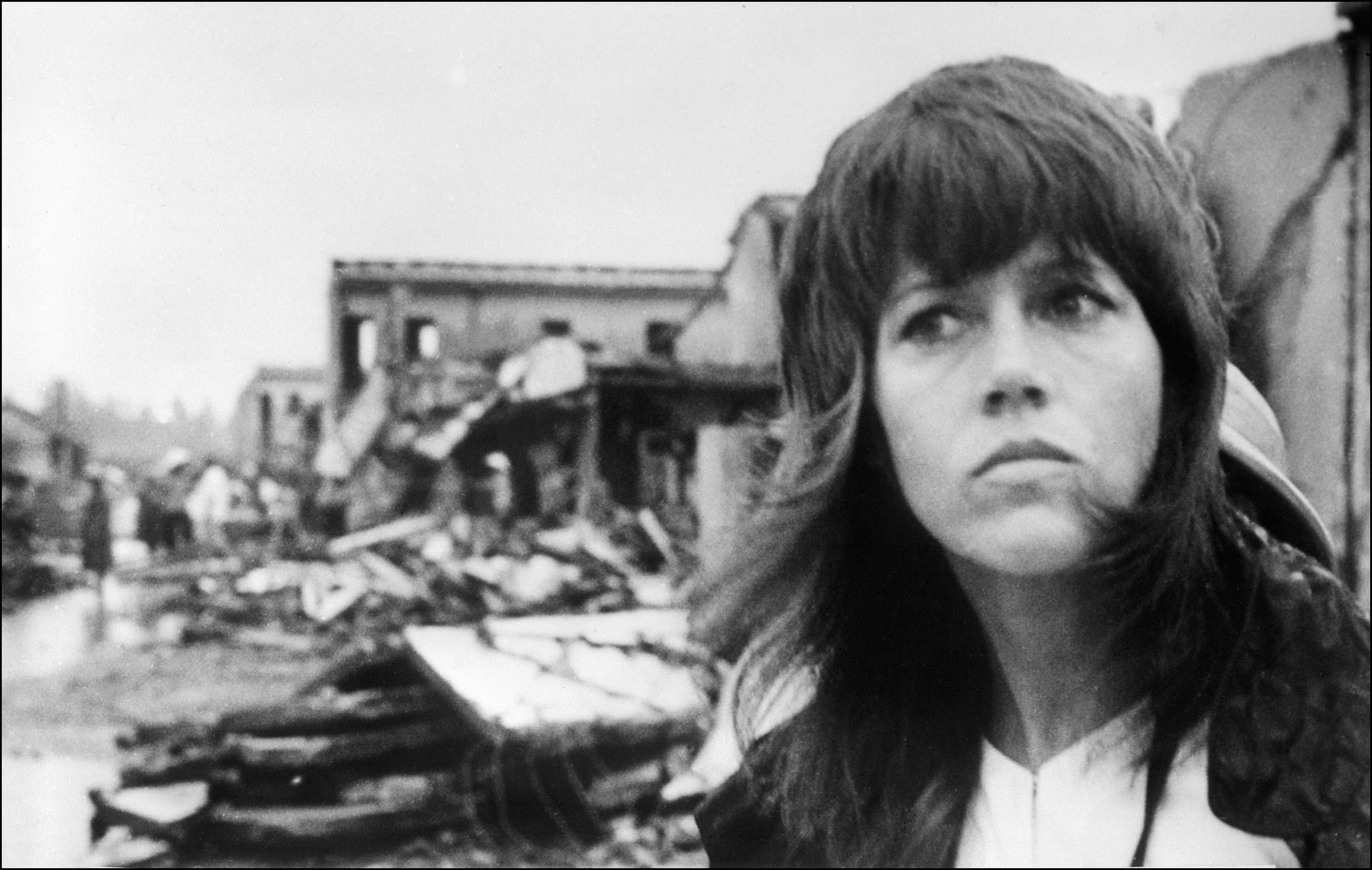
Hanoi Hannah
 Vietnam
radio personality•propagandist•announcer
Also known as: Thu Huong, Trinh Thi Ngo
Birthday
May 11, 1931
Birth Sign
Taurus
Birthplace
Hanoi, French Indochina
Age
Died at 85
About
Trinh Thi Ngo was a Vietnamese radio broadcaster who became known internationally as Hanoi Hannah. She served as the primary English-language female propagandist for North Vietnam during the Vietnam War. Her broadcasts targeted American soldiers, mixing popular music with psychological warfare tactics designed to demoralize troops.
Born in Hanoi in 1931, she adopted the alias Thu Hương before becoming a household name among U.S. forces. Her silky-voiced transmissions often included reading out the names of killed or captured American soldiers. She continued her work until the Fall of Saigon in 1975 and passed away in 2016.
Early Life & Background
Trinh Thi Ngo was born into a family in Hanoi in May 1931. Details about her childhood remain sparse as she operated under the radar until the escalation of the conflict. She possessed a natural aptitude for languages and performance, which distinguished her from many contemporaries trained in military academies. Unlike others who followed standard military paths, she was recruited specifically for her fluency in English and her ability to mimic American cultural nuances.
She studied journalism and broadcasting within the North Vietnamese state media system. Before her rise to infamy, she worked as a radio announcer for the Voice of Vietnam (VOV). During this period, she honed a smooth, melodic delivery that would later become her signature weapon. Her pivotal moment arrived when the North Vietnamese government recognized the need for sophisticated psychological warfare targeting American GIs. This led to her selection as the lead female voice for English-language propaganda, marking the transition from a local announcer to a figure of international notoriety.
Career Growth
Her career began in earnest in the early 1960s when she joined the Voice of Vietnam as a radio announcer. By 1965, she launched the broadcasts that would define her life, dubbed "Hanoi Hannah." These programs became a staple for American troops listening to enemy transmissions throughout the war. From 1965 to 1973, she delivered daily broadcasts that mixed popular American songs, including folk, country, and rock, with anti-war rhetoric. Her segments frequently included reading out the names of killed or captured American soldiers, a tactic intended to induce fear and doubt among the ranks.
In 1968, she became a central figure in the Tet Offensive's psychological campaign, broadcasting extensively during the chaos. A particularly notable incident occurred in 1970 when she explicitly called on American soldiers to assassinate their own officers, a directive documented in archival audio and later dramatized in film. She continued her broadcasts through the Paris Peace Accords and the gradual withdrawal of U.S. forces in 1973. In April 1975, she provided commentary on the evacuation and the end of the war during the Fall of Saigon. Following the reunification of Vietnam, she retired from active broadcasting and lived quietly in Hanoi, avoiding the spotlight despite her historical significance.
Career Timeline
Public Image & Style
Her image is that of the "enemy voice." In the West, she is portrayed as a cunning, manipulative figure who used her voice as a weapon. In Vietnam, she is remembered as a patriot who fought back against American imperialism. Her aesthetic is defined by the microphone and the studio, with no public fashion statements. The dissonance between her gentle, almost maternal tone and the brutal reality of her messages created a unique auditory landscape for American soldiers, making her voice both feared and strangely familiar.
Fame & Fandom (iFAMOUS Rankings)
Hanoi Hannah does not currently hold a placement in the iFANN Global Fame Rankings, having been evaluated but not ranked in the Top 1,000 as of the September 2026 data cycle. Despite this absence from current popularity metrics, her historical footprint remains significant. Her voice remains a distinct cultural artifact, recognized not merely as a historical footnote but as a defining element of the Vietnam War era's psychological landscape.
There is no formal fandom or organized community dedicated to her. The entity known as Hanoi Hannah was never an entertainer cultivating affection; she was a North Vietnamese propagandist whose broadcasts targeted American soldiers with the intent to demoralize them. Consequently, her audience consisted of terrified GIs rather than devoted fans, and no official fanbase name exists for her legacy. While veterans often share visceral memories of hearing her silky-voiced taunts cut through jungle static, these interactions were rooted in fear and hostility rather than the adoration that typically fuels celebrity culture. There are no fan rituals, charity drives, or organized campaigns bearing her name, nor did she ever perform live concerts or public appearances that would generate a following. Her relationship with her listeners was entirely adversarial, defined by one-way broadcasts that listed casualties and urged defection.
Interesting Facts and Legends
Her real alias was Thu Hương, meaning "Fragrance of Autumn," a poetic name chosen by the North Vietnamese regime. She famously played American folk songs like "Tom Dooley" and "Mack the Knife" to evoke nostalgia before delivering grim news of casualties. One of her most notorious broadcasts explicitly urged American soldiers to kill their own officers, a rare and extreme form of PSYOP. Her voice and persona were recreated in Spike Lee's Da 5 Bloods, where the character "Black Gi" hears her broadcasts. On the final day of the Vietnam War, she broadcasted regarding the evacuation of Saigon, providing a primary source perspective on the event.
Notable Quotes
“I am Hanoi Hannah... your time is running out.”
“Listen to the songs of your homeland while you still can, for tomorrow you may be dead.”
“Your officers are sending you to die for nothing. Kill them and go home.”
Family & Personal Life
Trinh Thi Ngo remained private about her personal life. There is no public record of a spouse, children, or siblings. She is widely believed to have been unmarried and childless, dedicating her life to her career and country. The lack of information regarding a husband or children suggests she may have chosen a path of single dedication to her role as a propagandist, or simply kept her domestic life strictly out of the public eye. She lived in Hanoi until her death.
Notable Connections
Relationships & Dating History
Trinh Thi Ngo did not maintain a public dating history. As a high-profile state functionary during a total war, she avoided public personal lives to protect operational security and maintain political discipline. No credible sources document any romantic relationships, marriages, engagements, or flings. She died unmarried and without recorded children. Her life was consumed by her role as a national propagandist, and she remained private about her domestic affairs throughout her lifetime.
Death & Aftermath
Died
September 30, 2016 (aged 85)
Death Place
Hanoi, Vietnam
Cause of Death
Natural causes (undisclosed)
Trinh Thi Ngo, the North Vietnamese radio personality widely known by her American codename Hanoi Hannah, died on September 30, 2016, in Hanoi at the age of 85. While some sources occasionally cited 87, official reporting from the Washington Post and NPR aligns with 85 based on her birth year of 1931. The specific cause of death remained undisclosed by family or hospital officials, and news outlets reported that she had died without citing medical details or establishing a specific mechanism like illness or accident. Her final days were not documented in public records, and there is no information regarding a last public appearance prior to her death.
Public reaction centered on remembrance among former U.S. servicemen and historical commentators rather than formal institutional tributes. Upon her death in early October 2016, major news organizations including NPR, The Washington Post, and Newsweek published obituaries acknowledging her role as North Vietnam's primary English-language propagandist during the war. Former GIs recalled her broadcasts, which mixed soft-spoken encouragement with lists of killed and captured soldiers, often describing her voice as smooth as silk. Archival audio clips saw renewed interest in subsequent years due to media retrospectives.
Posthumously, Trinh Thi Ngo's legacy has been preserved through historical documentaries, academic analysis, and pop culture references rather than new releases or awards created in her name. Spike Lee's 2020 film Da 5 Bloods featured dramatizations of her actual radio broadcasts, bringing her voice and persona to a modern audience.
Net Worth (Estate Value)
$0
iFANN Editorial Team estimate
As a state employee of North Vietnam during a period of economic hardship and war, Trinh Thi Ngo did not accumulate personal wealth in the manner of a celebrity. Her salary was likely modest and paid in local currency. Research by the iFANN Editorial Team indicates her net worth at the time of death was effectively zero, reflecting her status as a government functionary rather than a commercial entity. There is no evidence of a significant estate. Upon her death in 2016, her assets were minimal, consisting of personal belongings. No posthumous revenue streams such as royalties or licensing deals have been reported, as her broadcasts were state property and not commercial products owned by her. Any figures suggesting millions in net worth are likely confusion with the modern Melbourne restaurant named "Hanoi Hannah" or fictional portrayals.
Awards & Accolades
Known For
Hanoi Hannah Broadcasts
1965 · Propagandist
Da 5 Bloods
2020 · Subject/Dramatized Character
Keywords
Sources
Quick Facts
- Profession
- radio personality, propagandist, announcer
- Born
- May 11, 1931
- Birthplace
- Hanoi
- Died
- September 30, 2016
- Death Place
- Hanoi, Vietnam
- Gender
- Female
- Birth Sign
- Taurus
Personal Details
- Full Name
- Trịnh Thị Ngọ
- Children
- Education
- Journalism and broadcasting training
Filmography
1
Total
1
Film
0
TV
Frequently Asked Questions
What was Hanoi Hannah's real name?
When did Hanoi Hannah die?
Was Hanoi Hannah married?
Why was Hanoi Hannah famous?
Did Hanoi Hannah appear in a movie?
Similar People
Join the community
fans discussing