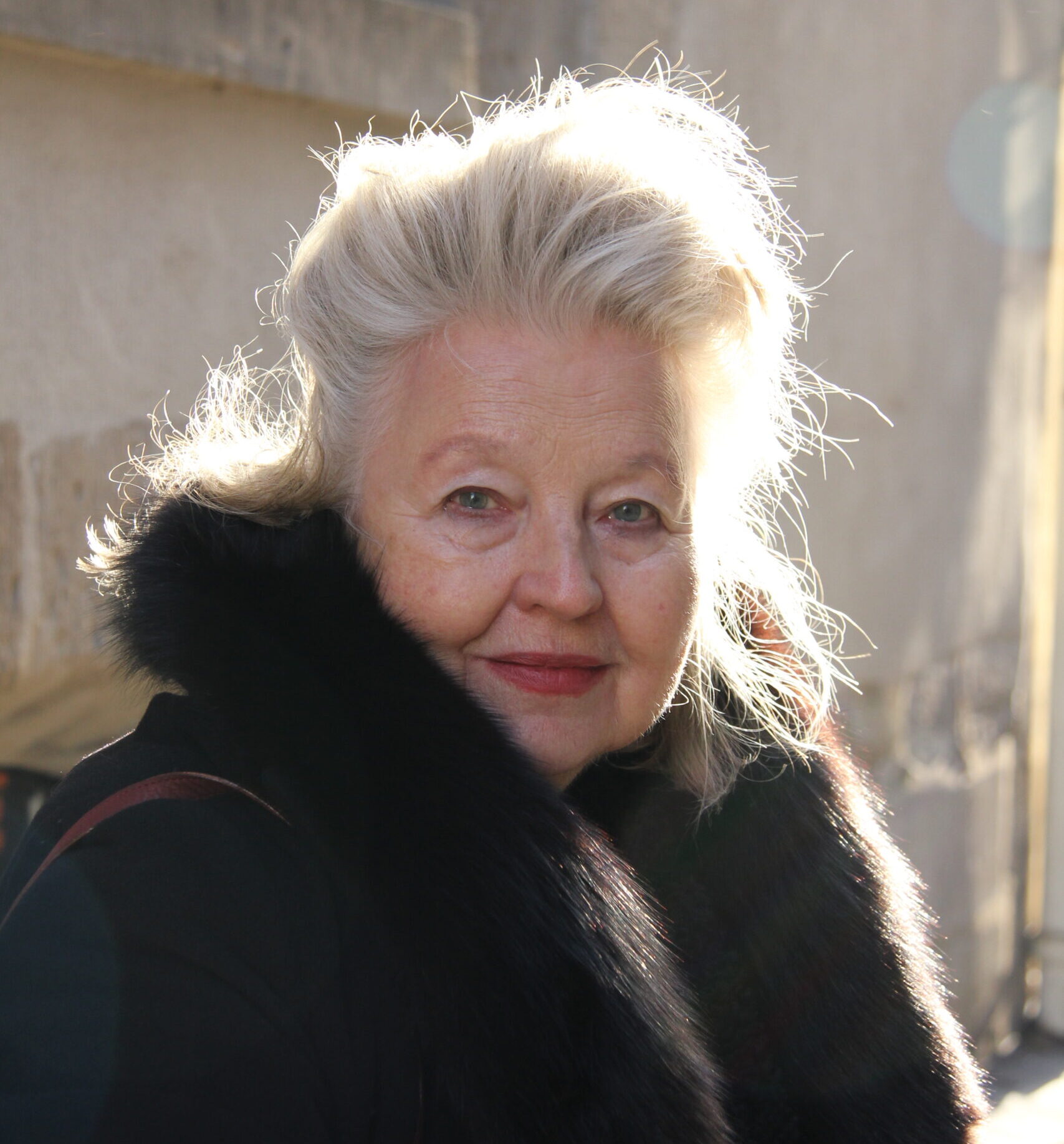
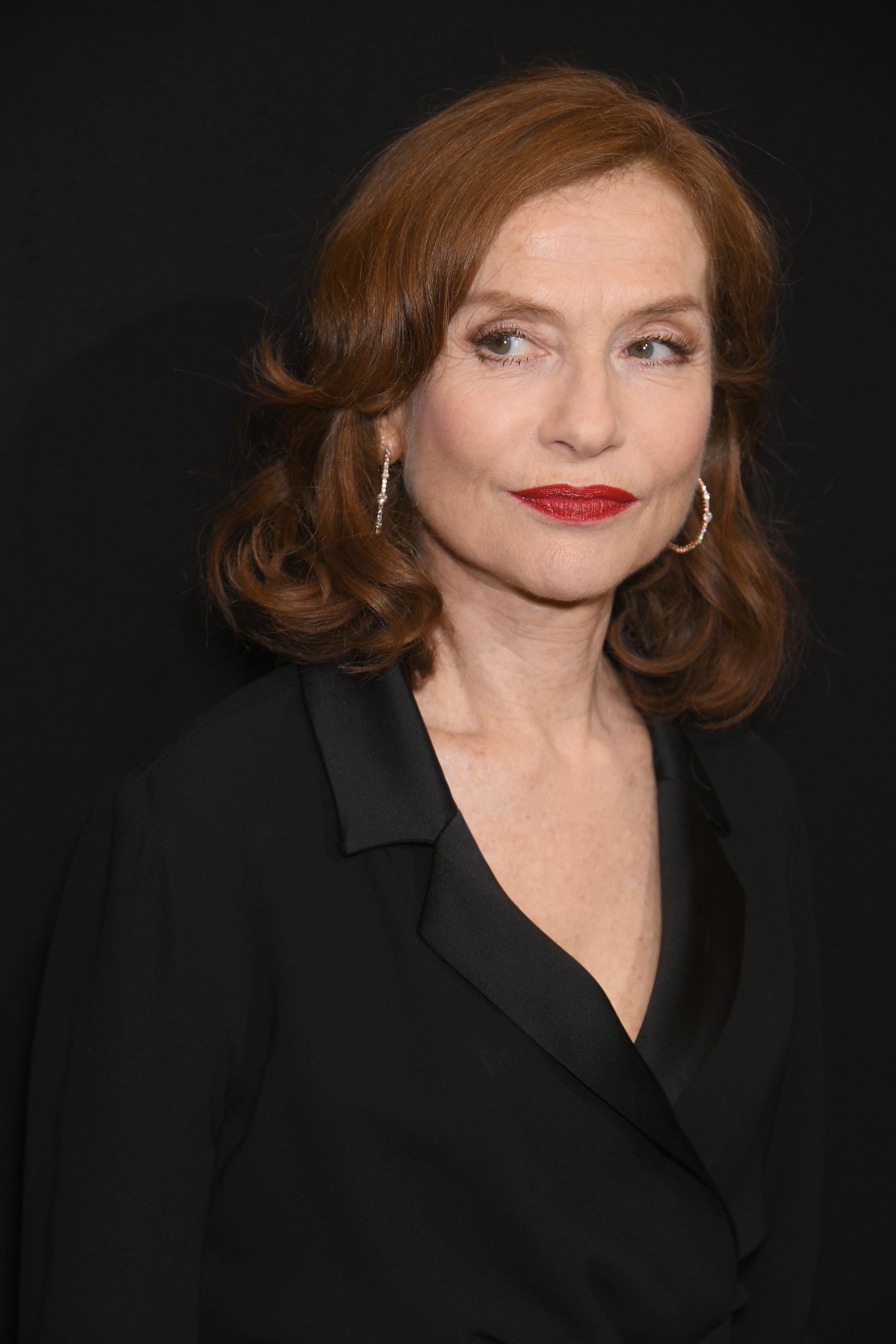
Hanna Schygulla
 Germany
Also known as: Hanna Schygulla, Hanna Schygulla (actress), Hanna Schygulla (singer)
Birthday
December 25, 1943
Birth Sign
Sagittarius
Birthplace
Königshütte, Upper Silesia (now Chorzów, Poland)
Age
82 years old
About
Hanna Schygulla is a German actress and chanson singer, widely regarded as the icon of the New German Cinema of the 1970s and early 1980s. Born on Christmas Day 1943 in Königshütte, Upper Silesia (now Chorzów, Poland), she became the muse and most frequent collaborator of director Rainer Werner Fassbinder, appearing in 23 of his films over a twelve-year span. Her performances are marked by a distinctive intensity and a slow, deliberate way of speaking that she has turned into a trademark.
Schygulla's breakthrough came with Fassbinder's The Marriage of Maria Braun (1979), for which she won the Silver Bear for Best Actress at the Berlin International Film Festival. She went on to win the Best Actress award at the 1983 Cannes Film Festival for Marco Ferreri's The Story of Piera. Her career has since spanned European art-house cinema, working with directors such as Jean-Luc Godard, Andrzej Wajda, and Béla Tarr. In 2023, she appeared in Yorgos Lanthimos' Oscar-winning Poor Things, introducing her to a new generation of audiences. Now in her eighties, she continues to act and sing, living in Paris.
Early Life & Background
Hanna Schygulla was born into a family displaced by war. Her father, Joseph, a timber merchant, was drafted into the German Army during World War II and captured by American forces in Italy, remaining a prisoner of war until 1948. In 1945, Hanna and her mother Antonie fled Königshütte as refugees, arriving in Munich after the expulsion of Germans from the region. She grew up in Munich during the years of the German economic miracle, a period of rapid reconstruction and prosperity that shaped her early worldview.
Schygulla studied Romance languages at university in Munich, but her path shifted when she took acting lessons. It was there that she met Rainer Werner Fassbinder, who was then forming his collective theatre troupe. She joined the Munich Action Theatre, which later evolved into his film group. Her first work with Fassbinder came in 1965, and she made her film debut in 1968. Before her film career took hold, she worked briefly as an au-pair, a detail she has mentioned in interviews. These early experiences, marked by displacement and a search for identity, would later inform the complex characters she portrayed.
Career Growth
Schygulla's career is inseparable from the New German Cinema movement, and her collaboration with Rainer Werner Fassbinder defined her early trajectory. Over twelve years, she appeared in 23 of his films, including Love Is Colder Than Death (1969), Effi Briest (1974), and the epic television series Berlin Alexanderplatz (1980). Her role as Maria Braun in Fassbinder's The Marriage of Maria Braun (1979) brought her international fame and a Silver Bear at the Berlin Film Festival. That same year, she starred in Lili Marleen, a film that showcased her singing abilities and became one of her most iconic roles.
After Fassbinder's death in 1982, Schygulla diversified her work, collaborating with major European directors. She won the Best Actress award at Cannes in 1983 for The Story of Piera, and appeared in films such as Jean-Luc Godard's Passion (1982), Andrzej Wajda's A Love in Germany (1983), and Kenneth Branagh's Dead Again (1991). In the 1990s, she shifted her focus to chanson singing, recording several CDs and performing in concerts. She returned to film with roles in Béla Tarr's Werckmeister Harmonies (2000) and Fatih Akın's The Edge of Heaven (2007). Her most recent high-profile appearance was in Yorgos Lanthimos' Poor Things (2023), which won the Academy Award for Best Picture.
Career Timeline
Public Image & Style
Schygulla is often described as the anti-star of the New German Cinema, a performer whose on-screen presence combined overwhelming femininity with an aloof, almost detached quality. Writer Georg Stefan Troller once called her 'a narcissus bereft of vanity.' Her distinctive slow way of speaking and natural blonde beauty made her a memorable figure, and she has been praised for her versatility across languages and genres. Fans and critics alike admire her willingness to take on challenging, often morally complex roles. Her recent appearance in Poor Things has introduced her to a younger audience, who have embraced her as a living legend of European cinema.
Fame & Fandom (iFAMOUS Rankings)
The devotion surrounding Hanna Schygulla is a quiet, scholarly reverence rather than the frenetic mobilization seen in modern pop culture. Her supporters are cinephiles deeply embedded in the study of New German Cinema, valuing her artistic integrity over celebrity spectacle. There is no organized collective noun for her fans, nor any documented campaigns like billboards or chart-pushing initiatives; instead, loyalty manifests through academic analysis, film restoration projects, and the enduring appreciation of her chanson work. This audience respects her dignified distance from the spotlight, viewing her career as a masterclass in craft rather than a vehicle for fame. While she has faced intense scrutiny regarding her past with Rainer Werner Fassbinder, including revelations about their complex dynamic that reshaped cultural understanding of their partnership, her fanbase remains focused on her legacy as a survivor and an anti-star who rejected traditional glamour for artistic truth. The iFANN Global Fame Engine has evaluated her standing among global figures. Hanna Schygulla is currently not ranked within the Global Top 1,000 or any Top-100 scope list. She does not hold a placement in the published rankings.
Interesting Facts and Legends
Born on Christmas Day 1943, Schygulla often notes the irony of her birth date with a wry smile. Her father worked as a timber merchant, and her family's wartime displacement mirrors the journey of her most famous character in The Marriage of Maria Braun. A fluent speaker of German, French, Italian, and English, she has seamlessly transitioned between European art-house cinema and American productions. Since 1997, she has prioritized her chanson singing career, releasing several acclaimed CDs while stepping back from regular film acting. She has never publicly married and has no documented children, keeping her private life strictly out of the public eye. Film lore frequently recounts the intense physical discipline required by director Rainer Werner Fassbinder, who dictated body movements with military precision during shoots like The Marriage of Maria Braun. Fans and critics alike still retell the story of how Schygulla navigated his exacting standards to create emotionally resonant performances. Following Fassbinder's death in 1982, she emerged as a key figure in redefining their relationship from a romantic muse-creator bond to one of survival and resilience against control. Her performance in Querelle further cemented this legend, showcasing her ability to break the Fassbinder mold and win Best Actress at the Cannes Film Festival. More recently, her role in the 2025 film Yunan, which won the Arab Critics Award for European Films, proved her enduring influence across generations of filmmakers.
Notable Quotes
“If you could start your life over, would you become an actor again? I used to say: 'Yes, why not!' Then: 'Who knows?' Finally: 'Most of all I would like to do something with music.'”
“Within the web of two cultures in which I, a wanderer between both worlds, am equally 'at home' or shall I say 'on the way'.”
“He was to become the most important person in my path as an actress.”
Family & Personal Life
Schygulla's parents were Antonie (née Mzyk) and Joseph Schygulla, a timber merchant. Her father served as an infantryman in the German Army during World War II and was held as a prisoner of war by the Americans in Italy until 1948. In 1945, Hanna and her mother fled their home in Königshütte as refugees, arriving in Munich during the postwar expulsion of Germans from Poland. Her mother raised her during the years of the German economic miracle. Schygulla has rarely spoken publicly about her family, but she has acknowledged the formative impact of her wartime childhood. She has no known siblings, and there is no public record of her having a spouse or children.
Notable Connections
Hanna Schygulla's career is most closely associated with director Rainer Werner Fassbinder, with whom she made 23 films. She also worked with many other notable directors, including Jean-Luc Godard, Andrzej Wajda, Margarethe von Trotta, Marco Ferreri, and Kenneth Branagh. Her co-stars have included Bruno Ganz, Isabelle Huppert, and Faye Dunaway.
Relationships & Dating History
Hanna Schygulla has kept her personal life remarkably private. The most significant relationship in her life was with Rainer Werner Fassbinder, whom she met when she was 20. Their bond was primarily professional and creative, with Fassbinder serving as her mentor. He reportedly treated her with unusual tenderness compared to other actors in his troupe, avoiding the manipulation he often directed at others. Their collaboration lasted nearly 20 years, but ended in anger after a falling out. Following that, Schygulla moved to Paris, where she has lived ever since. There is no public record of any marriages, children, or other romantic partnerships. As of 2026, she appears to be single, though this is based on the absence of reported relationships rather than explicit confirmation.
- DatedRainer Werner Fassbinder1965 - 1982Professional and creative partnership, often described as a mentor-muse relationship; ended after a falling out.
Salary, Net Worth In 2026
$5 Million
iFANN Editorial Team estimate
Per iFANN's editorial analysis, Hanna Schygulla's net worth stands at $5 Million as of 2026. This figure reflects a steady accumulation of wealth derived from a career spanning over five decades in film, theater, and music. While she never pursued the commercial blockbuster path typical of Hollywood stars, her consistent presence in European art-house cinema provided a reliable financial foundation. Income streams include her extensive acting roles, stage performances, and revenue from her chanson recordings and live concerts. Despite her iconic status in the world of cinema, Schygulla has maintained a relatively modest lifestyle, residing in Paris. Her financial trajectory mirrors her professional choices: sustained growth without the volatility of mass-market stardom, supported by her continued relevance in the arts.
Awards Won (2)
Hanna Schygulla has won two major European film awards: the Silver Bear for Best Actress at the Berlin International Film Festival in 1979 for The Marriage of Maria Braun, and the Best Actress award at the Cannes Film Festival in 1983 for The Story of Piera. These awards recognize her exceptional talent and her significant contributions to European cinema.
1983 · Best Actress
The Story of Piera
1979 · Best Actress
The Marriage of Maria Braun
Known For
The Marriage of Maria Braun
1979 · Maria Braun
Lili Marleen
1980 · Willie
Effi Briest
1974 · Effi Briest
The Story of Piera
1983 · Eugenia
Poor Things
2023 · Martha Von Kurtzroc
Keywords
Sources
Quick Facts
- Profession
- singer, stage actor, film actor
- Born
- December 25, 1943
- Birthplace
- Königshütte, Upper Silesia (now Chorzów, Poland)
- Gender
- Female
- Birth Sign
- Sagittarius
- Awards
- Silver Bear (1979), Cannes Best Actress (1983)
Personal Details
- Full Name
- Hanna Schygulla
- Education
- Studied Romance languages in Munich; acting lessons in Munich
Filmography
100
Total
80
Film
20
TV
Frequently Asked Questions
Is Hanna Schygulla still alive?
Who was Hanna Schygulla's relationship with Fassbinder?
What is Hanna Schygulla's most famous role?
Where does Hanna Schygulla live now?
Does Hanna Schygulla have children?
Similar People
Join the community
fans discussing