

Gustav Fröhlich
 Germany
Also known as: Gustav Friedrich Fröhlich
Birthday
March 21, 1902
Birth Sign
Aries
Birthplace
Hanover, Germany
Age
Died at 85
About
Gustav Fröhlich was a German actor and film director, best known for his role as Freder Fredersen in Fritz Lang's silent science-fiction landmark Metropolis (1927). Born in Hanover in 1902, he became one of the most popular stars of German cinema through the 1930s and 1940s, appearing in roughly 100 screen credits. He worked as both actor and director, and retired from the film industry in 1956, though he continued to make occasional television appearances into the early 1980s. He died in 1987 at the age of 85.
Fröhlich's career spanned the Weimar Republic, the Nazi era, and the postwar years. His portrayal of Freder, the idealistic son who rebels against his father's mechanized world, remains his most enduring contribution to film history. The role made him a star overnight and defined his public image for the rest of his life. Despite his extensive filmography, most of his work was in German-language productions that rarely traveled far beyond Central Europe, and his international reputation rests almost entirely on Metropolis. A 1973 German Film Award honored his contributions to the medium, and archivists still return to his Weimar-era work when teaching the period.
Early Life & Background
Gustav Friedrich Fröhlich was born on March 21, 1902, in Hanover, Germany. Details of his childhood and family background are scarce, and no reliable source in the standard record sets out his schooling or the household he grew up in. What is documented is that he was drawn to the stage, like many young men of his generation, and that he landed secondary roles in a number of films and plays in his early career. The German film industry was booming during the Weimar Republic, and Fröhlich worked steadily through his twenties, learning his craft in small parts. By the mid-1920s he had caught the attention of directors looking for young, expressive actors. His breakthrough came when Fritz Lang cast him as Freder in Metropolis, a role that would change his life. Before that, he had appeared in several silent films, though none brought him widespread recognition. The exact details of his early training and first professional engagements are not well documented, but his persistence in minor roles eventually paid off.
Career Growth
The 1927 release of Metropolis made Gustav Fröhlich a star. As Freder, the son of the city's ruler, he embodied the film's central conflict between humanity and technology. The role brought him international attention and established him as a leading man in German cinema. Through the 1930s and 1940s he appeared in dozens of films, becoming one of the most popular actors in Germany. He worked with major studios, including UFA, and appeared in a range of genres, from musicals to melodramas. Notable credits include Asfalto (1929), Ray of Sunshine (1933), and Leb' wohl, Christina (1945). He also began directing, though his work behind the camera was less prolific than his acting. He remained active through the Nazi period, a fact that later drew criticism, but he continued to work steadily. He retired from film in 1956 but made occasional film and television appearances until the early 1980s. In 1973 he received the German Film Award for his contributions to cinema.
Career Timeline
Public Image & Style
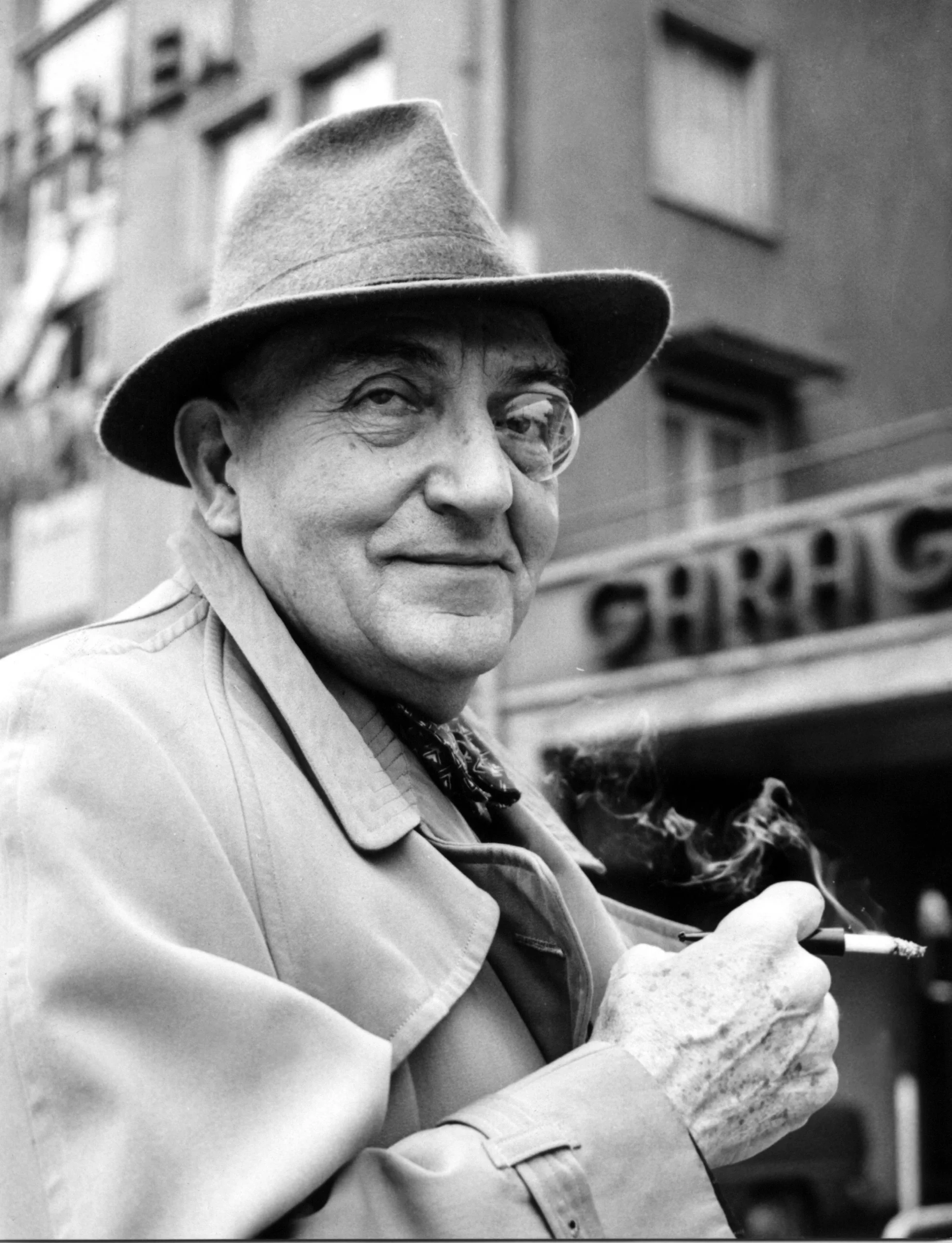
Gustav Fröhlich's public image was defined by his role in Metropolis. As Freder, he embodied youthful idealism and rebellion, and that image stayed with him throughout his career. In the 1930s he was marketed as a handsome leading man, often cast in romantic and heroic roles. His clean-cut looks and expressive acting made him a favorite with audiences. During the Nazi era, his continued work in the German film industry led to some controversy after the war, though he was never formally censured. In his later years he was remembered as a relic of the Weimar era, a living link to a golden age of German cinema. He gave few interviews and maintained a low profile, preferring to let his work speak for itself. Getty Images holds a substantial photographic archive of him, more than 110 images, which keeps his screen persona visible to researchers and classic-film writers.
Fame & Fandom (iFAMOUS Rankings)
iFANN has not yet collected fame data for Gustav Fröhlich, so no ranking is available. He is not on the September 2026 iFAMOUS Rankings flagship list. His fame rests almost entirely on a single film, Metropolis, which is studied in film schools and screened at retrospectives worldwide. The fanbase has no formal name, and it consists mainly of classic film enthusiasts and historians rather than an organized online community. There are no fan campaigns, birthday projects, or streaming pushes associated with him. Instead, his legacy is maintained by archivists and scholars who keep his work in circulation. The Metropolis restoration in 2010 brought renewed attention to his performance, and he is still discussed in documentaries about Weimar cinema. For a star of his era, that kind of quiet, scholarly appreciation is the norm, and it suits a career built on one defining role rather than a modern publicity machine.
Interesting Facts and Legends
Gustav Fröhlich was born on March 21, 1902, which makes him an Aries. Fröhlich's performance in Metropolis has been cited by director Christopher Nolan as an influence, and the film remains a staple of science-fiction cinema. His Freder is still catalogued by IMDb as a character reference point for other actors and animators. Despite his fame in Germany, he never achieved the same level of recognition internationally, and most of his films are little known outside German-speaking countries. He was one of the last surviving stars of the Weimar cinema era when he died in 1987. His full name, Gustav Friedrich Fröhlich, appears in the standard film references, and the Getty Images archive preserves more than 110 photographs of him from across his career.
Family & Personal Life
Gustav Fröhlich kept his family life private, and the standard record offers little on his parents, siblings, or the Hanover household he grew up in. He had no known children. His marriage to the Hungarian-born actress and singer Gitta Alpár ended in divorce, and after that he lived largely out of the public eye, with no other confirmed domestic partnerships reported. In his later years he lived a quiet life, and the people around him were rarely named in the press. When he died in 1987, he was survived by his ex-wife and other family members.
Notable Connections
Fritz Lang, Gitta Alpár, Lída Baarová, UFA.
Relationships & Dating History
Gustav Fröhlich's romantic life was marked by his marriage to Hungarian-born actress and singer Gitta Alpár. The couple married in the 1930s, though the exact date is not well documented. Alpár was a successful performer in her own right, and their marriage was a high-profile union in German cultural circles. They later divorced, though the reasons for the split are not widely reported. Fröhlich was also linked to Czech actress Lída Baarová, a relationship that drew attention because Baarová was simultaneously involved with Nazi propaganda minister Joseph Goebbels. The timeline of their relationship is unclear, and it is not known whether it overlapped with his marriage. After his divorce, Fröhlich largely kept his personal life private. He never remarried, and there are no other confirmed relationships. As of his death in 1987, he was divorced.
- MarriedGitta Alpár1930 - 1935Marriage to the Hungarian-born actress and singer; ended in divorce.
- DatedLída BaarováReported relationship with the Czech actress, though details are not well documented.
Death & Aftermath
Died
December 22, 1987 (aged 85)
Death Place
Berlin, Germany (unverified; some records list Lugano, Switzerland)
Cause of Death
Unknown
Gustav Fröhlich died on December 22, 1987, at the age of 85. His death was reported by the German press and confirmed by film industry records, though the exact circumstances were not widely detailed. Sources disagree on the place: some list Berlin, where he had spent much of his later life, while others cite Lugano, Switzerland, a discrepancy that remains unverified pending a primary source. The cause of death was not made public, and no official investigation or inquest followed. He had been largely retired from public life for several years, making his final screen appearances in the early 1980s.
Tributes came from German film historians and surviving colleagues who remembered him as one of the last living links to the Weimar cinema era. Metropolis had by then become a canonical text in film studies, and obituaries invariably led with his role as Freder. No large public memorial was held, but retrospectives of his work were organized by the Deutsche Kinemathek and other archives in the years that followed. No posthumous awards were created in his name, but his contribution to German cinema continues to be recognized through archival screenings and academic study.
Net Worth (Estate Value)
$1 Million
iFANN Editorial Team estimate
Gustav Fröhlich's estate is valued at approximately $1 million as of 2026, according to an iFANN Editorial Team estimate. His earnings came primarily from his acting and directing work in German cinema, particularly his starring role in Metropolis. He worked steadily through the 1930s and 1940s, when he was one of Germany's most popular film stars. His income would have been substantial for the era, though much of it was likely spent during his lifetime. After his retirement in 1956, he lived off his savings and occasional residuals. In the years since his death, his estate has benefited from licensing his image and likeness for documentary and home-video releases, including the 2010 restoration of Metropolis. Royalties from that film continue to generate modest income. The estate is managed by his family, and there have been no major auctions or sales of his memorabilia. His financial legacy is modest compared to modern standards, but it reflects a successful career in the German film industry.
Awards Won (1)
Gustav Fröhlich received the German Film Award in 1973 for his contributions to German cinema. This is the only major award documented in available sources.
1973
Known For
Metropolis
1927 · Freder Fredersen
Keywords
Sources
Quick Facts
- Profession
- Actor, film director
- Born
- March 21, 1902
- Birthplace
- Hanover, Germany
- Died
- December 22, 1987
- Death Place
- Berlin, Germany (unverified)
- Gender
- Male
- Spouse
- Gitta Alpár (divorced)
- Birth Sign
- Aries
Personal Details
- Full Name
- Gustav Friedrich Fröhlich
- Spouse
- Gitta Alpár (divorced)
Filmography
100
Total
90
Film
10
TV
Frequently Asked Questions
What is Gustav Fröhlich best known for?
When and where was Gustav Fröhlich born?
When did Gustav Fröhlich die?
Who was Gustav Fröhlich married to?
When did Gustav Fröhlich retire from acting?
Similar People
Join the community
fans discussing