 Argentina
About
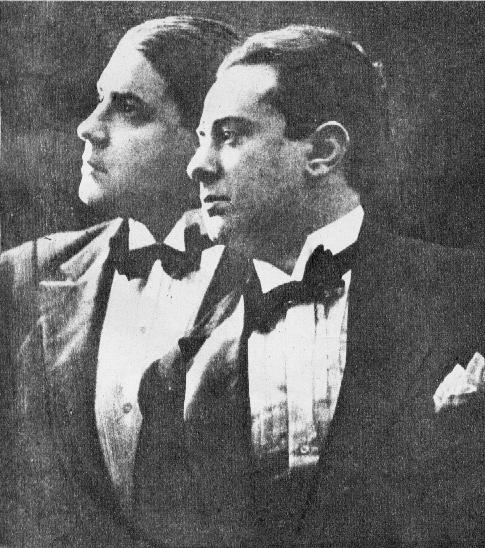
Carlos Gardel and José Razzano were not products of a modern training academy or corporate agency. They emerged organically from the bustling streets and cabarets of Buenos Aires, where two distinct musical backgrounds converged. Gardel, an Argentine icon with roots in France, possessed a powerful baritone voice that could fill large halls. Razzano, a Uruguayan by birth, brought elegant phrasing and skilled guitar accompaniment. Their chemistry created a dynamic that set the standard for male vocal duets in tango history.
Their official public debut took place on January 8, 1914, at the Teatro Nacional in Buenos Aires. This performance marked their entry into the mainstream theatrical circuit after years of informal gigs. The audience response was immediate and overwhelming, launching a career that would see them record hundreds of tracks between 1917 and 1925. Their style evolved alongside the genre itself, moving from the raw, folk-influenced sounds of the brothels to the cosmopolitan, orchestral arrangements that defined the 1920s.
By 1925, the duo faced an abrupt end due to health issues. Razzano suffered severe damage to his vocal cords, forcing him to stop singing permanently. Rather than disbanding out of conflict, Razzano shifted roles to manage Gardel's business affairs. This transition allowed Gardel to pursue a massive solo career while maintaining a close personal bond with his former partner until Gardel's death in 1935.
Formation Story
The story of Gardel-Razzano begins in the artistic ferment of early 20th-century Buenos Aires. In 1911, Carlos Gardel and José Razzano joined forces, initially performing in small cabarets and theaters around the city. Unlike modern groups formed through rigorous auditions, this pairing grew from shared artistic vision and friendship within the porteño cultural scene. They began by singing popular tangos of the time, including El Moro, which remains one of their most recognized tracks.
While they had been performing together informally prior to this, the engagement at the Teatro Nacional on January 8, 1914, marked their true entry into the spotlight. The venue was a significant stage, and their performance there helped launch their career into the mainstream. Their repertoire during this period included popular tangos that resonated with the working-class audiences of Buenos Aires before expanding to more refined tastes.
The duo's sound was characterized by Gardel's powerful, resonant baritone voice paired with Razzano's elegant phrasing and guitar accompaniment. This complementary dynamic set the standard for male vocal duets in tango history. As their popularity grew, particularly after their 1917 recordings for Odeon Records, their style shifted toward a more polished, romantic approach. Key songs like Tranco a tranco (1924) and Organito de la tarde (1925) exemplify this mature, sentimental style that would define the genre for decades.
In 1925, serious health issues affecting Razzano's vocal cords forced him to leave the group. Following his departure, Razzano transitioned into managing Gardel's business affairs, allowing Gardel to pursue a highly successful solo career. Despite Razzano's exit from singing, the two maintained a close personal relationship until Gardel's untimely death in a plane crash in Medellín, Colombia, in 1935.
Members
Musical Style
The musical style of Gardel-Razzano evolved alongside the broader transformation of tango in the 1910s and 1920s. Initially, they performed traditional tango canyengue and folk-influenced styles common in the brothels and dance halls of Buenos Aires. As their popularity grew, particularly after their 1917 recordings for Odeon Records, their style shifted toward a more polished, romantic, and orchestral approach. This evolution coincided with the "Golden Age of Tango." Their recordings featured sophisticated arrangements that incorporated the emerging tango orchestra instrumentation, moving away from the raw, street-level sound to a more cosmopolitan, European-influenced aesthetic.
Gardel's voice was the centerpiece, known for its distinctive timbre and emotional depth. Razzano provided the harmonic balance, offering elegance and a refined delivery that complemented Gardel's lead. Their interplay created a unique texture that distinguished them from other vocalists of the era. Songs like Añorando (1925) showcase the sentimental maturity they achieved in their later years.
Discography
| Title | Year |
|---|---|
| Anthology Of Tango Rioplatense (1913 - 1920) | 1920 |
| Organito de la tarde | 1925 |
| Añorando | 1925 |
| Tranco a tranco | 1924 |
| Sombras | 1924 |
| La mascotita | 1922 |
| Cantar eterno | 1917 |
| El Moro | 1913 |
Tours
Paris Tour
1924
South American Tour
1914
Cultural Impact
The duo is credited with elevating tango from a marginalized neighborhood dance to a respected art form suitable for concert halls and international stages. They influenced fashion, with Gardel's tailored suits becoming a style icon. Their music remains a staple in Argentine culture, used in films, theater, and national celebrations. Carlos Gardel served as a cultural ambassador for Argentina, promoting the country's identity abroad through his performances in Europe and the US.
Their success in Paris in 1924 introduced tango to the European avant-garde. Upon returning to Buenos Aires on February 2, 1924, following this European tour, they received a hero's welcome. This cross-border collaboration symbolized the unity of the Río de la Plata region, uniting Argentine and Uruguayan identities through music.
Fandom Culture
The concept of a formal fandom with official names, lightsticks, and fan clubs did not exist in the 1910s-1920s. However, their fans were known as "gardelistas" and were incredibly devoted, often forming social clubs dedicated to the singer. Fans would gather outside theaters to catch glimpses of the duo, and their songs were sung in homes and streets across Latin America. The devotion shown to Gardel and Razzano laid the groundwork for the intense fan culture that surrounds tango legends today.
Awards & Accolades
View 6 records, honours and achievementsMilestones
Formation of the duo in Buenos Aires
Official debut at Teatro Nacional
First major recordings for Odeon Records
Successful tour in Paris, introducing tango to Europe
Disbandment due to Razzano's vocal cord issues
Trivia
Despite Gardel being Argentine and Razzano Uruguayan, they sang almost exclusively in Spanish, contributing to the unification of the Rioplatense Spanish dialect in music., Gardel was born in Toulouse, France, but moved to Argentina as a child, making him a naturalized Argentine citizen., Razzano's departure from singing was a medical necessity due to severe vocal cord problems, yet he remained Gardel's closest confidant and manager., Before focusing solely on music, the duo appeared in early Argentine films, though these were largely solo projects for Gardel after Razzano left the stage., Carlos Gardel died in a plane crash in 1935, an event that shocked the world and cemented his mythic status.
Keywords
Sources
Quick Facts
- Type
- Duo
- Formed
- 1911
- Origin
- Argentina
- Genres
- Tango
- Members
- 2
- Status
- Disbanded
Group Info
- Formed
- 1911
- Debut
- January 8, 1914
- Debut Song
- El Moro
- Origin
- Buenos Aires, Argentina
- Company
- Independent
- Label
- Odeon, Columbia, Victor
- Status
- Disbanded (1925)
Also Known As
Join the community
fans discussing