Carlos Gardel
 France
Member of Dúo Gardel-Razzano
Also known as: Charles Romuald Gardès, El Zorzal Criollo, The King of Tango, El Mago, Carlitos
Birthday
December 11, 1890
Birth Sign
Sagittarius
Birthplace
Toulouse, France
Age
Died at 44
Height
5 ft 7 in (170 cm)
About
Carlos Gardel (born Charles Romuald Gardès; December 11, 1890 – June 24, 1935) was a French-born Argentine singer, composer, and actor who became the undisputed King of Tango. He is widely recognized as the most prominent figure in the history of the genre, transforming tango from a local dance music into a sophisticated art form performed globally. His rich baritone voice and dramatic phrasing set a standard that no other artist has ever matched.
Gardel is remembered not just for his recordings but for his charismatic stage presence and his role in bringing tango to Hollywood and Europe. He frequently collaborated with lyricist Alfredo Le Pera to create some of the most enduring songs in Latin American history. Despite his massive success, his life ended abruptly at the age of 44, cementing his status as a tragic hero whose legacy continues to define the soul of tango.
Early Life & Background
Born Charles Romuald Gardès in Toulouse, France, Gardel arrived in Argentina around 1893 as a young child. He grew up in the working-class barrio of Abasto in Buenos Aires, raised primarily by his mother Berthe after his father remained in France. The family lived in poverty, and Gardel took on various jobs to support them, working as a shoemaker and tailor before finding his way into the city's vibrant musical scene.
His early years were defined by the streets of Abasto, where he absorbed the rhythms of payadas and folk traditions. He began singing in small bars and cafes, developing a striking appearance and a natural charisma that drew crowds even before he had a professional contract. These humble beginnings in the slums of Buenos Aires provided the raw emotional depth that would later characterize his performances. He refined his craft in the brothels and nightclubs of the capital, learning to connect with audiences through song long before he ever stepped onto a grand stage or entered a recording studio.
Career Growth
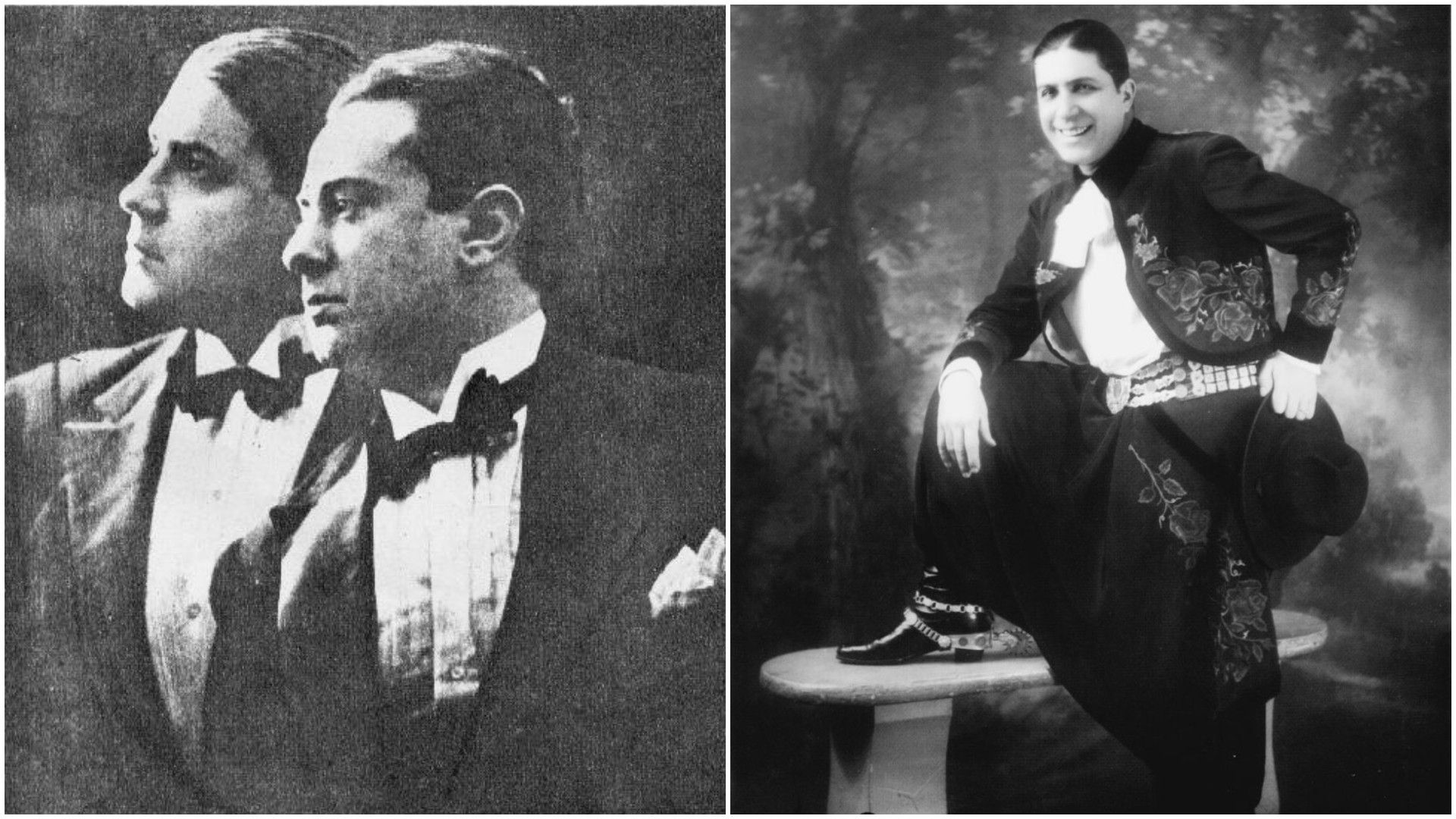
Gardel's rise to stardom began in earnest when he formed the Dúo Gardel-Razzano with José Razzano in 1917. This partnership allowed him to refine his style, blending traditional tango with a theatrical delivery that captivated listeners across Argentina and Uruguay. By 1929, he recorded Mi noche triste, a song that became his signature hit and launched his international fame.
He transitioned successfully from the stage to the screen, making his debut in sound films with Luces de Buenos Aires in 1931. His subsequent films, including Cuesta abajo in 1933 and El día que me quieras in 1934, solidified his reputation as a major Latin American film star. These movies showcased his acting talent alongside his singing, bridging the gap between high art and popular culture. Gardel revolutionized the genre by introducing poetic lyrics that resonated emotionally with audiences, moving tango away from purely instrumental dance music. His work in Hollywood and Europe during the early 1930s made him the first tango artist to achieve massive global success.
Career Timeline
Public Image & Style
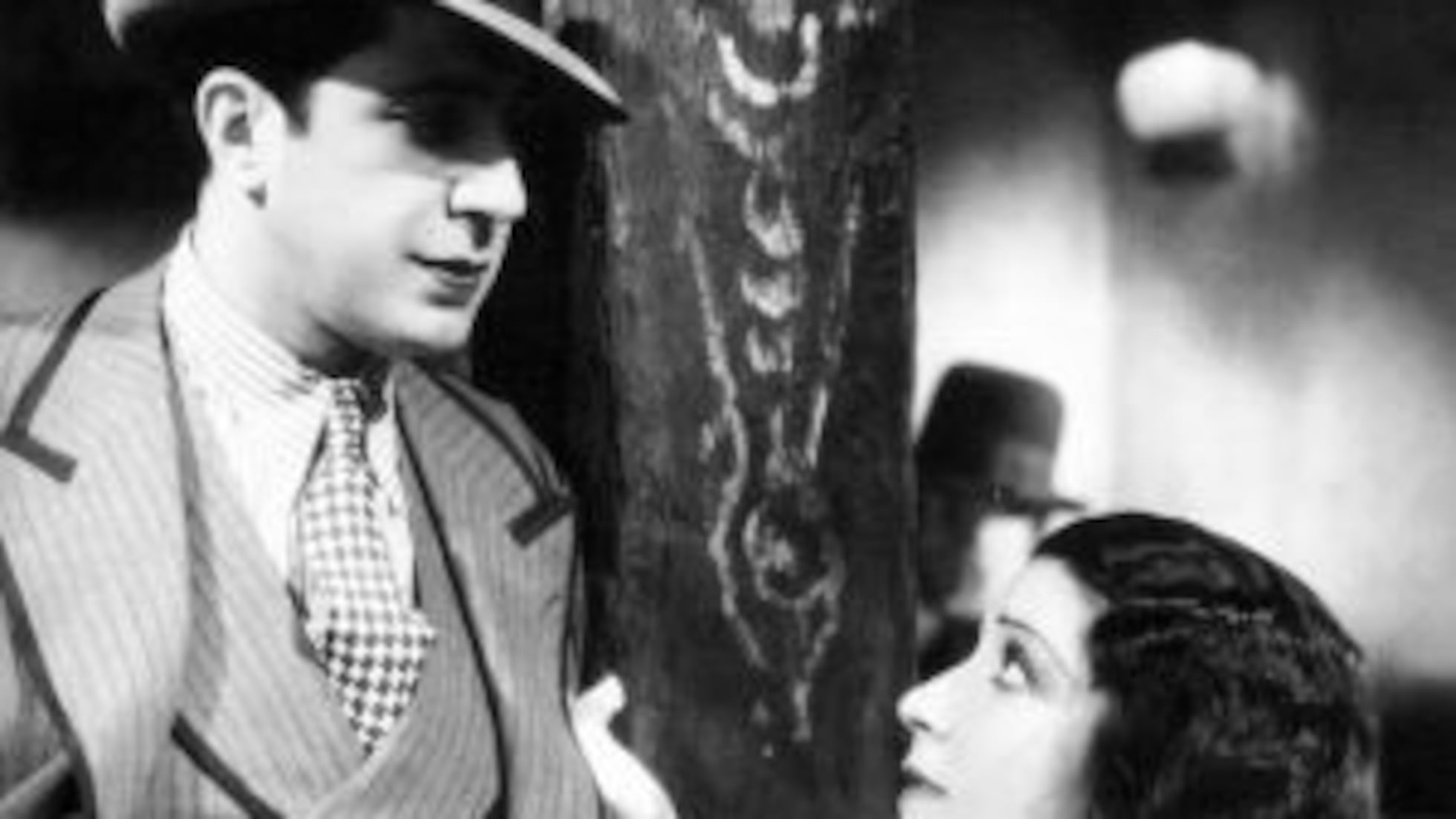
Gardel is portrayed as the epitome of the tango gentleman, suave, elegant, and deeply emotional. His image is synonymous with the "Golden Age" of Argentine tango, characterized by his dapper style, distinctive mustache, and confident demeanor. Media portraits often depict him as a tragic genius whose life was cut short at the height of his powers. He cultivated an air of mystery and sophistication that made him a fashion icon and a symbol of Argentine identity abroad.
Fame & Fandom (iFAMOUS Rankings)
iFANN has not yet collected fame data for this person. While modern ranking engines focus on current digital engagement metrics, Gardel's fame operates on a historical scale that transcends real-time algorithms. His legacy is measured in the enduring impact of his music rather than daily search volume.
His fanbase, often referred to as "Gardelistas," is highly organized and devoted to preserving his legacy. Fans gather annually on the anniversary of his death to hold vigils, stream his music, and leave flowers at his tomb in Recoleta Cemetery. Fan clubs and associations actively promote his work through charity drives and educational events. The ritual of visiting his grave in Buenos Aires remains a central practice for devotees who view him as a spiritual figure in the world of tango.
Interesting Facts and Legends
Despite being known as "The Song Thrush" or "El Zorzal Criollo," Gardel was ironically nicknamed "El Mudo" (The Mute) early in his career because he was naturally shy and spoke very little in person. He spoke multiple languages fluently, including Spanish, French, and English, which helped him cross cultural boundaries and perform for diverse audiences. There is a persistent myth that he was born in Tacuarembó, Uruguay, but French birth and baptismal records definitively confirm his birth in Toulouse, France. He was also known for his impeccable dress sense, often wearing sharp suits and hats that influenced men's fashion in Argentina for decades.
Notable Quotes
“I sing what I feel.”
“Tango is the soul of the world.”
Family & Personal Life
Gardel maintained a close relationship with his mother, Berthe Gardès, who lived in Buenos Aires and supported his early career. He was estranged from his father, Jean-Baptiste Gardès, for most of his life. Gardel never married and had no children. He remained a private man regarding his romantic life, and few definitive details about personal relationships have been documented in credible sources. His household in Buenos Aires was centered around his career and his bond with his mother.
Notable Connections
José Razzano, Alfredo Le Pera, Leopoldo Federico, Osvaldo Fresedo
Relationships & Dating History
Carlos Gardel died in 1935 at the age of 44, so there are no relationships post-dating his death. Historical records indicate that he was a private man regarding his romantic life, and few definitive details about his personal relationships have been documented in credible sources. There are no records of engagements, marriages, or children. Some biographers suggest he may have had brief romances, but none were confirmed by multiple credible outlets. At the time of his death, he was single.
Death & Aftermath
Died
June 24, 1935 (aged 44)
Death Place
Medellín, Colombia
Cause of Death
Traumatic injuries and burns from a plane crash
Carlos Gardel spent his final evening on June 23, 1935, performing before an enthusiastic crowd at the Teatro Municipal in Medellín, Colombia. The following morning, he boarded a Ford Trimotor named Los Charrúas for the flight back to Buenos Aires, ignoring pilot warnings about thick fog that obscured the mountainous terrain near Olaya Herrera Airport. The aircraft collided with a hillside shortly after takeoff, killing all nine people on board and leaving Gardel's body unrecognizable due to severe burns until dental records confirmed his identity.
The chaotic nature of early aviation regulation and the overwhelming public mourning overshadowed any potential litigation against Aerovías Nacionales de Colombia. Public reaction across Latin America was immediate and profound, with fans gathering in the streets of Buenos Aires to weep and sing tango songs in tribute. Record sales skyrocketed within weeks of the crash, and memorial murals appeared in major cities while radio stations observed moments of silence nationwide. Hundreds of thousands lined the streets for the funeral procession on June 27, 1935, moving from the airport to Recoleta Cemetery where he was buried in a mausoleum.
Posthumously, his estate has been managed by heirs and foundations dedicated to preserving tango culture, including the Carlos Gardel Foundation which supports emerging artists today. Numerous films, books, and awards have been created in his name, most notably the Premio Carlos Gardel, and he was inducted into the Grammy Hall of Fame. His burial site remains a pilgrimage destination for enthusiasts worldwide.
Net Worth (Estate Value)
$500 Million
iFANN Editorial Team estimate
As a deceased artist, Carlos Gardel does not possess a personal net worth in the traditional sense, but his estate continues to generate substantial revenue more than ninety years after his death. Research by the iFANN Editorial Team puts the value of his estate at around $500 Million as of 2026. This valuation reflects the enduring commercial power of his catalog, which includes continuous sales of physical and digital recordings, licensing deals for films and advertisements, and merchandise sales.
The estate is managed by heirs and the Carlos Gardel Foundation, which oversees the preservation of his legacy. Revenue streams include royalties from his extensive discography, rights to his films, and the use of his image in cultural projects. Posthumous earnings have surged over the decades, particularly on anniversaries of his death, demonstrating that his music remains a vital part of Latin American culture. The estate's financial trajectory shows consistent growth, driven by new generations discovering his work and the ongoing demand for tango heritage.
Awards Won (2)
Although Gardel died before many modern award ceremonies existed, he has received numerous posthumous honors. He was inducted into the Grammy Hall of Fame for his classic recordings. The Premio Carlos Gardel, Argentina's most prestigious music award, is named in his honor. He has also received honorary degrees and national recognitions declaring him a National Cultural Heritage figure.
1990 · Recording
Mi noche triste
1990 · Lifetime Achievement
Career
Known For
Mi noche triste
1929 · Singer
El día que me quieras
1934 · Actor/Singer
Luces de Buenos Aires
1931 · Actor
Cuesta abajo
1933 · Actor
Keywords
Sources
Quick Facts
- Profession
- singer, actor, composer
- Born
- December 11, 1890
- Birthplace
- Toulouse, France
- Died
- June 24, 1935
- Death Place
- Medellín, Colombia
- Gender
- Male
- Birth Sign
- Sagittarius
Personal Details
- Full Name
- Charles Romuald Gardès
- Height
- 5 ft 7 in (170 cm)
- Children
- Education
- Informal education in Buenos Aires; street life and musical immersion in the Abasto neighborhood
Filmography
20
Total
20
Film
0
TV
Frequently Asked Questions
Where was Carlos Gardel actually born?
How did Carlos Gardel die?
What is Carlos Gardel's most famous song?
Did Carlos Gardel have any children?
Is Carlos Gardel still relevant today?
Similar People
Join the community
fans discussing