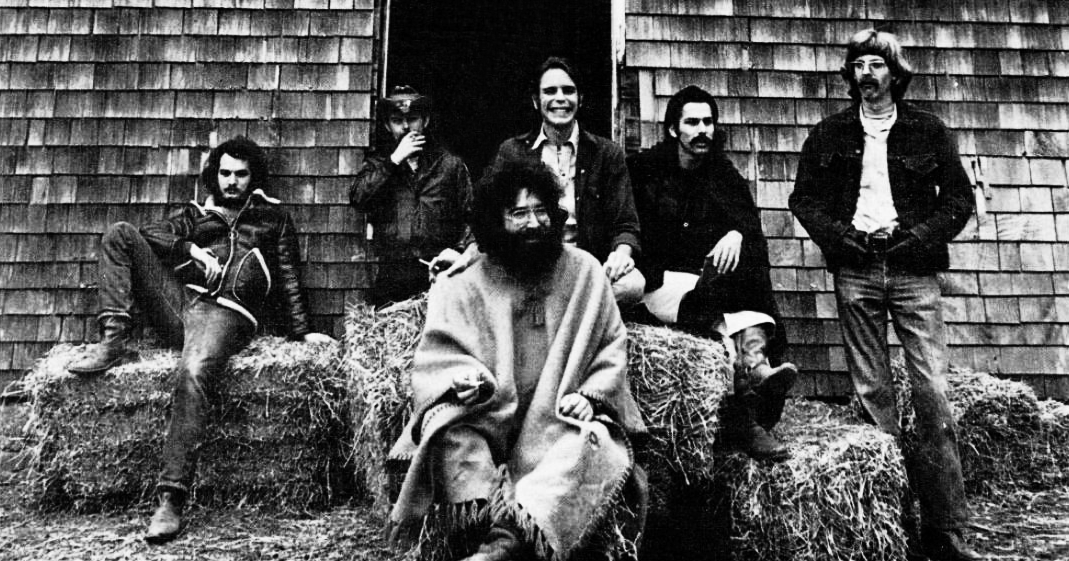
Grateful Dead
The pioneering godfathers of the jam band world
Deadheads
Fandom
12
Members
About
The Grateful Dead operated as a collective entity where individual egos were often subordinated to the group dynamic. Their identity was defined by the interplay between Jerry Garcia's melodic lead guitar and Phil Lesh's counterpoint bass lines, creating a sonic architecture that supported endless improvisation. The band's sound evolved from early psychedelic folk to a more polished rock style, yet the core principle remained: the live performance was the primary artistic statement, not the studio album. This philosophy attracted a massive following of Deadheads who treated the music as a spiritual experience.
Even after Jerry Garcia's passing in 1995, the band's influence persisted through the licensing of their catalog and the formation of successor groups like Dead & Company. The original lineup never reunited, but the spirit of the Grateful Dead lives on in the thousands of tribute bands and the continued release of archival material. Their business model, which prioritized fan engagement over corporate control, remains a case study in independent music success.
Formation Story
The group began as The Warlocks in Palo Alto, California, in 1965, formed by students Jerry Garcia, Bob Weir, Ron "Pigpen" McKernan, Bill Kreutzmann, and later Phil Lesh. They adopted the name Grateful Dead after finding the phrase in the Oxford English Dictionary, describing a person who has died but whose body is still needed for some purpose. The first official gig under this new name took place on January 12, 1966, at the Matrix club in San Francisco. Early sets focused on blues covers and folk standards before the band developed their signature extended improvisational jams.
The lineup shifted frequently during the late 1960s as the band sought a fuller sound. Tom Constanten joined on keyboards in 1968, followed by Keith and Donna Jean Godchaux in the early 1970s. Mickey Hart returned as a second drummer in 1974, solidifying the dual-drummer rhythm section that became a hallmark of their live sound. Non-performing lyricists Robert Hunter and John Perry Barlow played crucial roles in shaping the band's poetic identity during the 1970s and 1980s.
Members
Sub-Units
The Rhythm Devils (1970)
Bill Kreutzmann, Mickey Hart
Musical Style
The Grateful Dead's music defied simple genre classification, blending elements of rock, blues, jazz, folk, country, bluegrass, gospel, reggae, and world music. Their studio albums often featured tight song structures, while their live performances expanded these songs into long, exploratory journeys. Albums like Workingman's Dead and American Beauty showcased their ability to craft concise, radio-friendly tracks, whereas releases like Anthem of the Sun pushed the boundaries of studio experimentation with tape loops and multi-track recording.
The band's improvisational approach meant that no two concerts sounded the same. They would take a standard song and stretch it out, introducing new melodies, rhythms, and harmonies on the fly. This style earned them the title of "pioneering godfathers of the jam band world." The rhythmic foundation provided by the dual drummers allowed for complex polyrhythms that kept the music driving forward even during extended solos.
Discography
| Title | Year |
|---|---|
| Dave's Picks Volume 53 | 2024 |
| Dave's Picks Volume 52 | 2024 |
| Dave's Picks Volume 51 | 2023 |
| Dave's Picks Volume 50 | 2023 |
| Dave's Picks Volume 49 | 2023 |
| Without a Net | 1990 |
| Built to Last | 1989 |
| In the Dark | 1987 |
| Go to Heaven | 1980 |
| Shakedown Street | 1978 |
| Terrapin Station | 1977 |
| From the Mars Hotel | 1974 |
| Blues for Allah | 1975 |
| Wake of the Flood | 1973 |
| American Beauty | 1970 |
| Workingman's Dead | 1970 |
| Anthem of the Sun | 1968 |
| The Grateful Dead | 1967 |
Tours
Summer Tour 1977
1977 · 24 shows
1989 European Tour
1989 · 14 shows
1990 World Tour
1990 · 42 shows
Cultural Impact
The Grateful Dead were instrumental in shaping the American counterculture of the 1960s and beyond. Their association with the Summer of Love in 1967 cemented their status as icons of the San Francisco scene. The band pioneered the direct-to-fan business model by allowing fans to record their concerts, fostering a massive underground network of shared recordings. This policy created a unique community bond that transcended typical artist-fan relationships.
Their influence extended to fashion, with tie-dye and bear imagery becoming iconic symbols of the era. The band's connection to the Bay Area counterculture and their role in events like Woodstock helped define the modern concert experience. In 2024, the Kennedy Center Honors recognized the surviving members for their lifetime achievement, acknowledging their enduring impact on American music and culture.
Fandom Culture
The Deadhead community is one of the most dedicated in music history. Fans traded tapes of live shows, creating a vast archive of unofficial recordings that circulated freely. The "Tapers' Section" at concerts was a designated area where fans could record the entire show, a practice encouraged by the band. The official fan color is often associated with the "Steal Your Face" skull and lightning bolt symbol, though there is no single official color. The lightstick concept does not apply to the Grateful Dead as it does to K-pop groups; instead, fans exchanged merchandise and shared stories.
Awards Won (24)
The Grateful Dead received significant honors throughout their career, including induction into the Rock and Roll Hall of Fame in 1994. Their May 8, 1977, performance at Cornell University was added to the National Recording Registry in 2012. In 2024, Bob Weir, Phil Lesh, Bill Kreutzmann, and Mickey Hart were recognized with the Kennedy Center Honors. Rolling Stone ranked them #57 on its 2011 list of the "100 Greatest Artists of All Time".
Best Historical Album
for: Dave's Picks Volume 40
Best Historical Album
for: Dave's Picks Volume 35
Best Historical Album
for: Dave's Picks Volume 30
Best Historical Album
for: Dave's Picks Volume 25
Best Historical Album
for: Dave's Picks Volume 20
Best Historical Album
for: Dave's Picks Volume 15
Best Historical Album
for: Dave's Picks Volume 10
Best Historical Album
for: Dick's Picks Volume 24
Best Boxed Or Special Limited Edition Package
for: Dave's Picks Volume 1
Lifetime Achievement
for: Lifetime Achievement
Milestones
Band formed as The Warlocks in Palo Alto
First official gig as Grateful Dead at the Matrix
Release of Workingman's Dead and American Beauty
Cornell University performance recorded
"Touch of Grey" reaches No. 9 on Billboard Hot 100
Induction into Rock and Roll Hall of Fame
Death of Jerry Garcia and disbandment
Kennedy Center Honors awarded to surviving members
Trivia
Keywords
Sources
Quick Facts
- Type
- Rock Band
- Formed
- 1965-01-01
- Origin
- Palo Alto, California
- Label
- Arista Records, Warner Bros. Records, Warner Records, Grateful Dead Records
- Genres
- rock music, psychedelic rock, folk rock, blues rock
- Members
- 12
- Status
- Disbanded
Group Info
- Fandom
- Deadheads
- Formed
- 1965-01-01
- Debut
- 1966-01-12
- Debut Song
- Dark Hollow
- Origin
- Palo Alto, California
- Company
- Grateful Dead Records
- Label
- Warner Bros. Records, Arista Records, Grateful Dead Records
- Fan Color
- Steal Your Face (Skull and Lightning)
- Status
- Disbanded (1995-08-09)
Also Known As
Join the community
fans discussing