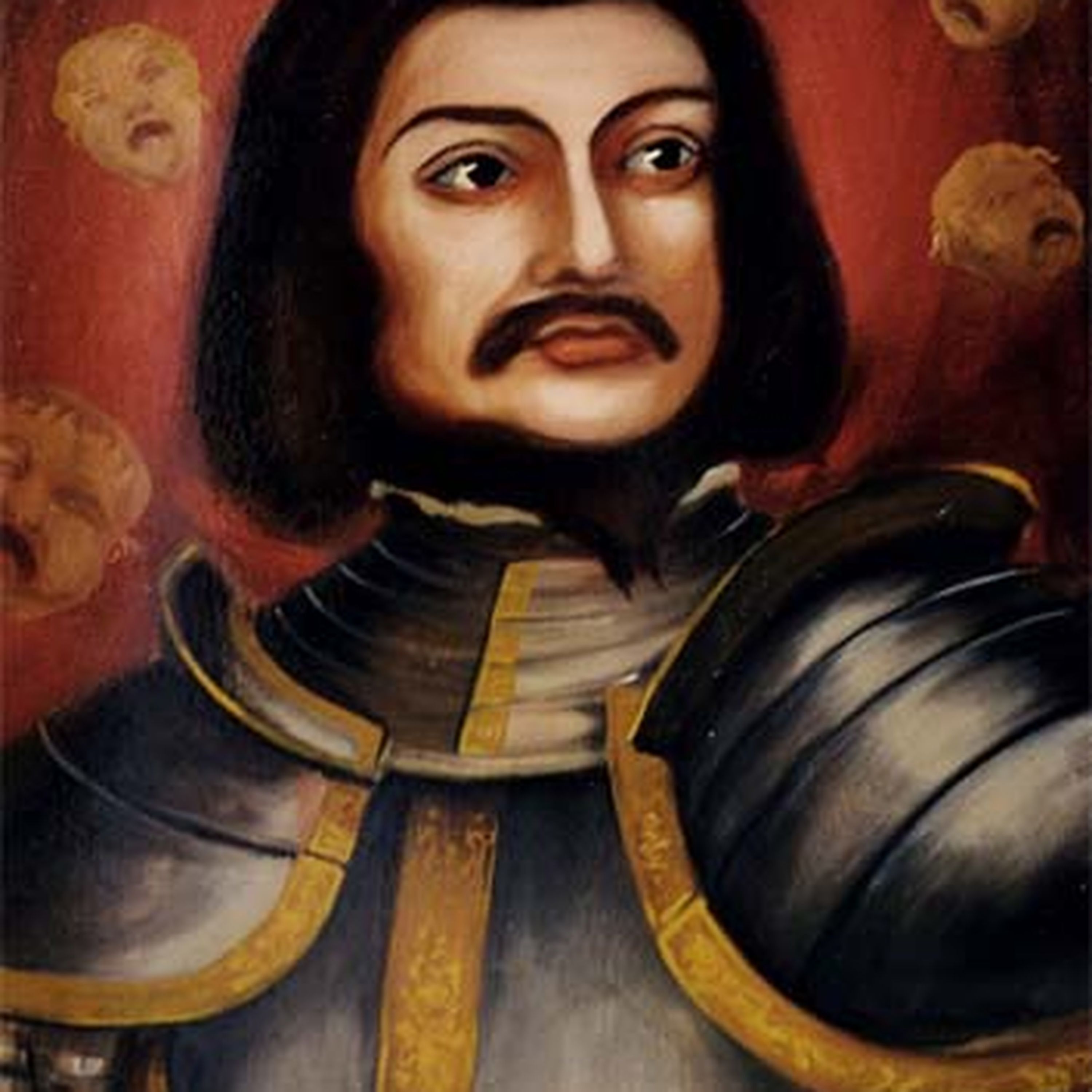
Gilles de Rais
 France
military personnel•serial killer•rapist
Also known as: Gilles de Retz, Gilles de Rays, Baron de Rais
Birthday
c. 1405
Birth Sign
Taurus
Birthplace
Champtocé-sur-Loire, Anjou, France
Age
Died at 35
About
Gilles de Rais, Baron de Rais (also spelled Retz), was a French knight and lord whose estates stretched across Brittany, Anjou, and Poitou. Born around 1405 in Champtocé-sur-Loire, he rose to prominence as a captain in the French royal army during the Hundred Years' War. In 1429, he fought alongside Joan of Arc in the campaigns that culminated in the failed siege of Paris. The exact nature of his relationship with Joan remains a mystery, despite later fictional portrayals that cast them as close companions. He is most infamous, however, for his conviction on charges of rape and the murder of numerous children.
As heir to several powerful noble houses in western France, Gilles de Rais became a formidable lord and a supporter of Charles VII. In April 1429, he allied with his cousin Georges de La Trémoille, the Grand Chamberlain of France, and later that year was appointed Marshal of France. During the 1430s, he gradually withdrew from military life. His family accused him of squandering his inheritance through extravagant spending, and in July 1435 Charles VII placed his lands under royal interdict. In May 1440, Gilles assaulted a senior cleric at the church of Saint-Étienne-de-Mer-Morte and seized the neighboring castle, violating ecclesiastical immunity and defying his overlord, John V, Duke of Brittany. Arrested in September, he was tried the following month before both ducal and ecclesiastical courts on charges of heresy, sodomy, and the murder of many children. He was executed on 26 October 1440, at the age of 35.
Early Life & Background
Gilles de Rais entered the world around 1405 within the fortified walls of Champtocé-sur-Loire, situated in the Duchy of Anjou. He was born into immense wealth as the heir to several powerful noble houses in western France, including the baronies of Rais, Tiffauges, Pouzauges, and Chabanais. His father died when he was young, leaving him under the guardianship of his uncle, Jean de Craon. Jean was a man known for his ambition and ruthlessness, and he played a pivotal role in shaping Gilles's early years. The boy received a standard noble education, learning horsemanship, swordsmanship, and the intricate details of court politics. Before his rise to fame, he was groomed for military leadership and the management of vast feudal estates.
The path to his eventual notoriety began in earnest when he joined the French royal army in 1427. At this time, France was embroiled in the Hundred Years' War, fighting against English forces. Gilles brought significant financial resources to the conflict, using his personal fortune to fund troops and supplies. His entry into the military marked the beginning of a brief but brilliant career that would see him elevated to one of the highest ranks in the kingdom. He accompanied the Dauphin, the future Charles VII, on various campaigns, demonstrating a capacity for leadership that impressed the royal court. This period of service laid the groundwork for his appointment as Marshal of France, a title that would cement his place in history before his tragic fall.
Career Growth
In 1429, Gilles de Rais played a pivotal role in the campaigns led by Joan of Arc. He financed the troops needed for the Siege of Orléans and fought at the Battle of Patay, where the French secured a decisive victory over the English. On July 17, 1429, for his valor and financial support, King Charles VII appointed him Marshal of France, one of the highest military honors in the kingdom. He accompanied Joan of Arc to Reims for the King's coronation, standing as a witness to the restoration of the Valois dynasty. Following Joan of Arc's capture in 1430 and execution in 1431, Rais withdrew from active military service.
His post-military life was defined by extreme extravagance and a desperate attempt to restore his fortune. He hired a private choir of over 60 singers, funded lavish theatrical productions, and employed alchemists and astrologers. By 1434, his family accused him of squandering his inheritance. In July 1435, Charles VII placed his lands under royal interdict due to his debts and erratic behavior. The turning point of his legal downfall occurred in May 1440 when he assaulted a senior cleric at the church of Saint-Étienne-de-Mer-Morte and seized the neighboring castle. This act defied both the Church and John V, Duke of Brittany, leading to his arrest in September 1440. He was tried, convicted, and executed on October 26, 1440.
Career Timeline
Public Image & Style
Gilles de Rais is portrayed as a tragic figure of duality: a pious Christian and a monstrous sadist. In modern media, he is often depicted as a "fallen angel" or a man driven mad by grief after Joan of Arc's death. His image oscillates between a war hero and a demonic villain. He is frequently linked to the fairy tale character Bluebeard, though there is no historical evidence that Perrault intended him specifically, nor that he murdered wives. The detailed testimonies about missing children are still considered significant, and his confessions, which describe extreme violence, have been reexamined in the context of inquisitorial procedure.
Fame & Fandom (iFAMOUS Rankings)
Gilles de Rais holds the position of the 31st most famous person in True Crime according to the iFANN Global Fame Rankings. This placement reflects his enduring status as a subject of intense interest in criminology and historical true crime narratives. As of the September 2026 rankings, he maintains this standing among those studied for their notorious criminal acts.
There is no formal fandom name for the historical Gilles de Rais, no collective identity, no conventions, and no organized campaigns. What binds his disparate followers is a shared fascination with a man who was both Marshal of France and, allegedly, history's first serial killer. His most visible cultural footprint today comes from the Fate franchise, where he appears as the Caster-class Servant in Fate/Zero and became playable in Fate/Extella Link in March 2018. That announcement rippled through gaming media, Crunchyroll, IGN, and others, but produced no fan rituals, no charity drives, no inside jokes. The engagement was typical of gaming fandom: trailers, gameplay previews, forum chatter, then silence. Beyond that, interest in de Rais is academic and true-crime. Scholarly works dissect his trial and his modern apologists; podcasts like Serial Killers & Murderous Minds dedicate episodes to him; Reddit threads meme him. This is audience interest, not organized fandom, no name, no structure, no collective action.
Interesting Facts and Legends
Gilles de Rais maintained a private choir of over 60 singers, which was unprecedented for a nobleman of his time and contributed significantly to his financial ruin. In his final years, he spent enormous sums trying to find the Philosopher's Stone to restore his fortune, consulting with various alchemists and necromancers. Although often linked to the fairy tale character Bluebeard, there is no historical evidence that Charles Perrault intended him specifically, nor that he murdered wives; the story predates him in folklore. Modern historians debate the extent of his guilt versus the political motivations of the Church and the Duke to seize his vast estates. A documented scholarly phenomenon, his "modern apologists," argues he was framed by the Church and the Duke of Brittany.
Notable Quotes
“I am the most wretched of all men.”
“I have done many things which I cannot tell.”
Family & Personal Life
Gilles de Rais was born into immense wealth as the heir to several powerful noble houses in western France. His father died when he was young, and he was raised under the guardianship of his uncle, Jean de Craon, a man known for his ambition and ruthlessness. He married Catherine de Thouars in 1420. She was the Dame de Pouzauges, de Tiffauges, and de Chabanais. The marriage was arranged to consolidate their lands. Catherine survived him, though their relationship is not well-documented beyond the political alliance. They had no surviving children together; Gilles had no legitimate heirs, and his death ended the direct line of the House of Rais.
Notable Connections
Relationships & Dating History
Gilles de Rais's only documented marital union was with Catherine de Thouars. They married in 1420 in a political arrangement designed to unite two powerful noble families and consolidate their lands. Catherine was the Dame de Pouzauges, de Tiffauges, and de Chabanais. The marriage lasted until his execution in 1440. There were no public breakups or divorces, and no children were born from this union. Historical records do not document any other romantic partners, mistresses, or public relationships. His later years were characterized by isolation, religious mania, and criminal activity rather than romantic entanglements. At the time of his death, he was widowed in spirit if not in law, as his wife survived him.
- MarriedCatherine de Thouars1420 - 1440Political marriage to unite noble families; no children; she survived him.
Death & Aftermath
Died
1440-10-26 (aged 35)
Death Place
Nantes, France
Cause of Death
Execution by hanging and burning
The joint ecclesiastical and secular court of Nantes delivered a guilty verdict on October 25, 1440, sentencing Gilles de Rais to death for heresy, sodomy, and the murder of children. The following morning, the former war hero who once marched with Joan of Arc faced his end on a gibbet erected near the bridge in Nantes. He was hanged and then burned immediately to prevent any veneration of relics, a standard procedure for those convicted of heresy that reduced his remains to ash scattered or buried in unmarked earth at the execution site. His final days had unfolded under the watch of Bishop Jean de Malestroit and the Duke's officials after an arrest in September 1440 triggered an inquiry into missing children from Machecoul and Pouzauges. On October 21, he publicly confessed to crimes involving up to 200 victims, though historical debate persists regarding whether these admissions were entirely voluntary or coerced by the threat of torture.
The proceedings concluded with a ruling that he had committed sorcery alongside his murders, ending a legal process that functioned as a judicial inquest rather than a modern police investigation. His estate was confiscated by the Duke of Brittany and the French Crown shortly after his arrest, ending the direct line of his major noble houses. In later centuries, particularly during the 19th and 20th centuries, he became a figure of fascination in literature and art, often conflated with the legend of Bluebeard, appearing in works such as the Fate/Extella Link series where he serves as a playable character.
Net Worth (Estate Value)
$0
iFANN Editorial Team estimate
As a medieval nobleman, "net worth" is measured in land and feudal rights rather than currency. At his peak, Gilles de Rais controlled estates across three provinces, making him one of the wealthiest men in France. His annual income was estimated to be equivalent to millions in modern terms, primarily derived from agricultural rents and feudal dues. Upon his death, his entire estate was confiscated by the Duke of Brittany and the French Crown. The value of these lands was substantial, representing a massive transfer of wealth from the individual to the state. There are no posthumous releases, royalties, or IP rights managed by a personal estate. Any commercial use of his name generates revenue for the respective media companies, not a personal estate.
Awards & Accolades
View 4 records, honours and achievementsKnown For
Hundred Years' War
1429 · Marshal of France
Trial of Gilles de Rais
1440 · Defendant
Keywords
Sources
Quick Facts
- Profession
- military personnel, serial killer, rapist
- Born
- +1405
- Birthplace
- Champtocé-sur-Loire
- Died
- +1440-10-26
- Death Place
- Nantes
- Gender
- Male
- Spouse
- Catherine de Thouars, Dame de Pouzauges, de Tiffauges, de Chabanais
Personal Details
- Full Name
- Gilles de Montmorency-Laval
- Spouse
- Catherine de Thouars
- Children
- Education
- Noble education in horsemanship, swordsmanship, and court politics
Frequently Asked Questions
Who was Gilles de Rais?
Did Gilles de Rais kill Joan of Arc?
Is Gilles de Rais the real Bluebeard?
How many children did Gilles de Rais kill?
Why was Gilles de Rais executed?
Similar People
Join the community
fans discussing